Pierogarnia Mandu on Elżbietańska street sits inside Gdańsk's Śródmieście district, where the Polish pierogi tradition meets a menu architecture built around variation and filling logic. The format is direct: dumplings at the centre, with enough breadth across the selection to serve solo diners, groups, and families without losing focus. A reliable address in a city with many casual dining options competing for the same mid-market space.
Pearl is the En Primeur Club membership app — saves, bookings, and concierge access live there. Same editors, same standards.
- Address
- Elżbietańska 4/8, 80-894 Gdańsk, Poland
- Phone
- +48583000000
- Website
- pierogarnia-mandu.pl
- Directions
- Get directions
 Saves & bookings on Pearl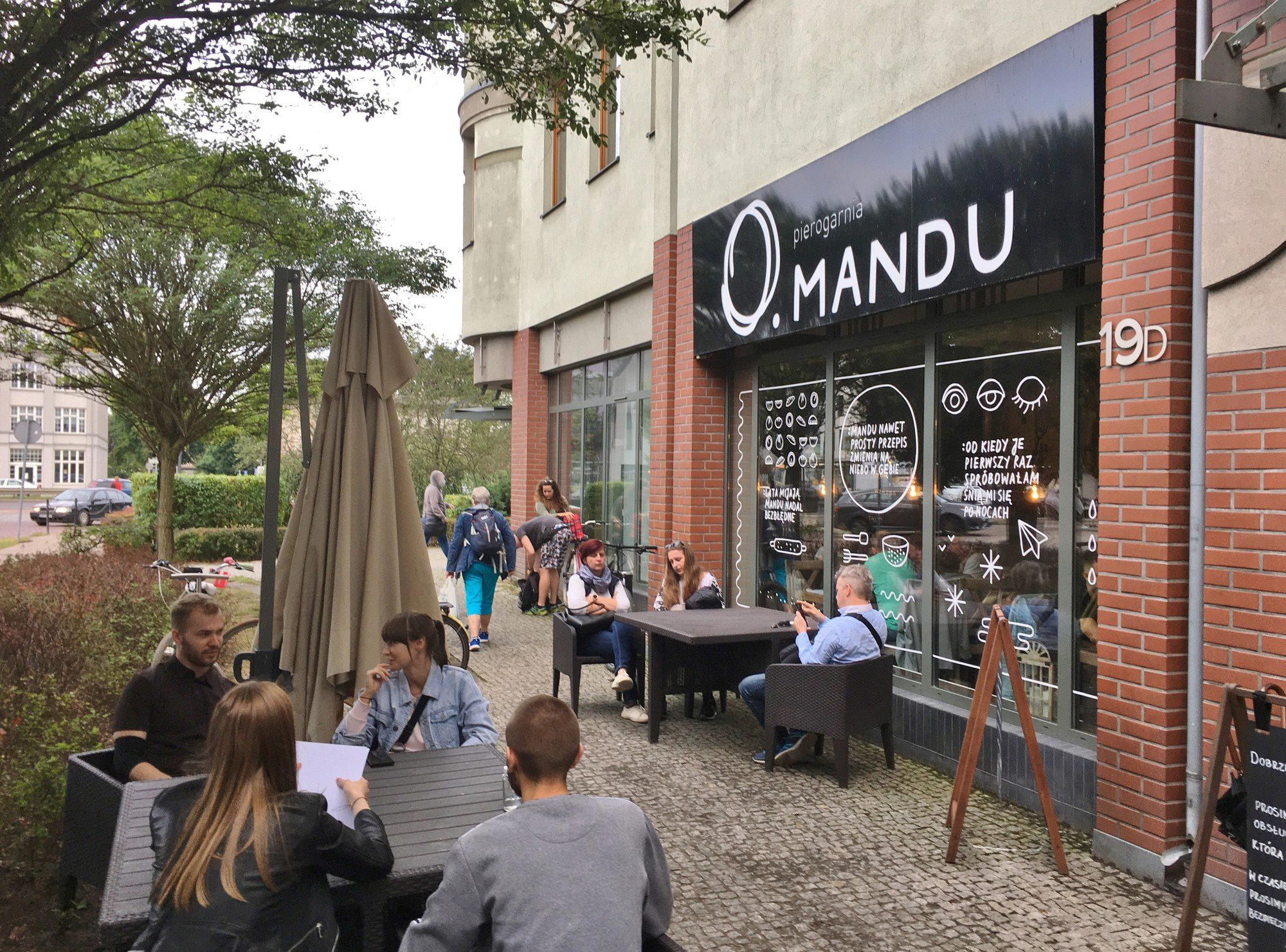
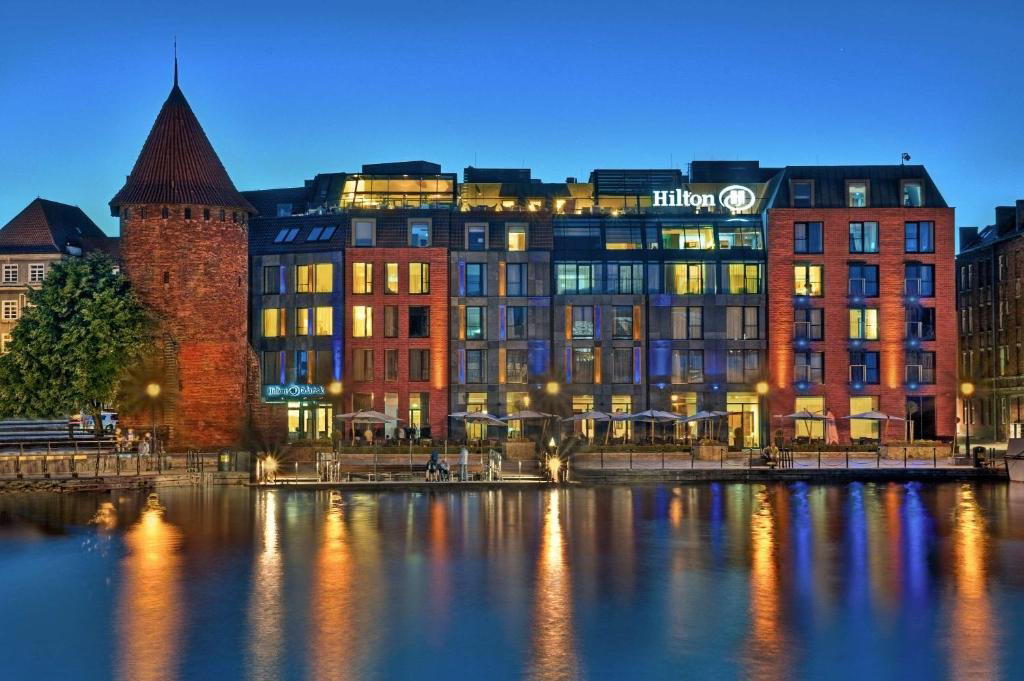
Gdańsk's old town streets carry a particular kind of foot traffic in the late afternoon: tourists working through amber shops and souvenir stalls, locals cutting through on the way home, and a steady current of people who simply want something honest to eat before the evening sets in. On Elżbietańska, a street that sits close enough to the main drag to catch that flow without being swallowed by it, Pierogarnia Mandu Gdańsk Śródmieście operates as a casual restaurant serving Traditional Polish Pierogi in Gdańsk.
The Pierogi Format as Editorial Statement
Across Poland, pierogi appear on almost every menu that could be described as broadly traditional, typically as a supporting item sitting alongside żurek, bigos, and roast meats. The pierogarnia format, a venue that builds its identity entirely around the dumpling, is a different proposition. It forces a menu architecture that has to justify itself through range and execution rather than novelty. At Mandu, that architecture is the whole point. The name itself draws on the Korean word for dumpling, a signal that the menu is likely to move beyond the canonical ruskie and kapusta fillings that anchor most Polish dumpling menus.
That cross-reference between Polish pierogi and East Asian dumpling traditions has become a modest but coherent trend in Polish cities with younger dining cultures. At Mandu the register is entirely different: this is casual, accessible, mid-market dining, but the naming choice still signals an awareness that the pierogi form is not culturally fixed, and that there is creative room between the traditional Polish filling and the wider Asian dumpling family.
What the Menu Structure Reveals
A pierogarnia menu, when done with intention, is essentially a taxonomy of filling logic. The traditional division runs between savoury and sweet, with the savoury side further split between meat, cheese-and-potato, and vegetable categories, and the sweet side leaning on seasonal fruit, most commonly blueberry or strawberry depending on time of year. The range on offer at any given pierogarnia also functions as a rough indicator of the kitchen's ambition: a short menu of five or six fillings signals comfort-food orthodoxy, while a longer list that borrows from other traditions signals a more compositional approach to the format.
Mandu's naming logic suggests the latter tendency, though it would be overreaching to describe specific dishes or fillings. What the format itself communicates is that the kitchen has positioned itself in the more exploratory end of the pierogarnia category, which in Gdańsk places it in a different competitive tier from the city's broadly traditional Polish restaurants.
Śródmieście and the Street-Level Dining Context
The Śródmieście address matters for understanding the venue's positioning. Gdańsk's central district draws a mixed audience: the tourist concentration is high along the Royal Way and the Long Market, but streets like Elżbietańska attract a more local lunch and dinner crowd alongside visitors who have moved slightly off the main corridor. That combination typically rewards venues that can operate across both audiences without calibrating entirely to either. A focused pierogi menu is well-suited to that tension: familiar enough for tourists seeking a Polish food reference point, specific enough to hold interest for locals who could eat a generic version anywhere.
Gdańsk's dining scene has diversified considerably over the past decade, adding addresses like Arco by Paco Pérez in Gdańsk at the premium end and more casual neighbourhood spots filling the middle tier. Within that range, the pierogarnia category occupies a distinct and durable position: it is not fine dining, it is not fast food, and it carries enough cultural weight to operate as a destination in its own right rather than just a fallback. Comparison restaurants in the same casual tier include Billy's American Restaurant and Billy's American Restaurants Chmielna, which cover a different cuisine entirely but compete for similar walk-in, informal-dining occasions. Canis, Durga, and Flisak '76 represent other points in Gdańsk's mid-range and upper-casual tier.
Across Poland more broadly, the casual dining category has been producing some of its more interesting work at the regional and city level. Muga in Poznań, Kwestia Czasu in Białystok, and Cudne Manowce in Olsztyn each show how Polish cities outside Warsaw and Kraków are developing more considered dining identities. At the higher end, Bottiglieria 1881 Restaurant in Kraków and hub.praga in Warsaw indicate the ceiling that the Polish dining scene has reached in its premium tier. Mandu operates far below that ceiling, but the pierogarnia format has its own internal standards of quality that matter on their own terms.
Planning a Visit
Elżbietańska 4/8 is within easy walking distance of Gdańsk's main tourist circuit, which means the venue is accessible without additional transport for most visitors staying in the old town. The Śródmieście location also makes it a practical lunch stop between the major sights, and the restaurant is open daily from 11 AM to 10 PM. Mid-week lunch visits tend to involve shorter waits at popular pierogi houses in this part of the city, while weekend evenings in the summer tourist season can generate queues at smaller venues with limited seating. Arriving before the main lunch peak or after the early dinner rush is the practical way to manage that.
Reputation Context
Comparable venues nearby, for context on price, style, and recognition.
| Venue | Cuisine | Price | Notes |
|---|---|---|---|
| Pierogarnia Mandu Gdańsk ŚródmieścieThis venue — the venue you are viewing | Traditional Polish Pierogi | $$ | Not listed |
| Tawerna Pod Łososiem | Traditional Polish & Seafood | $$ | Sobieszewska Island |
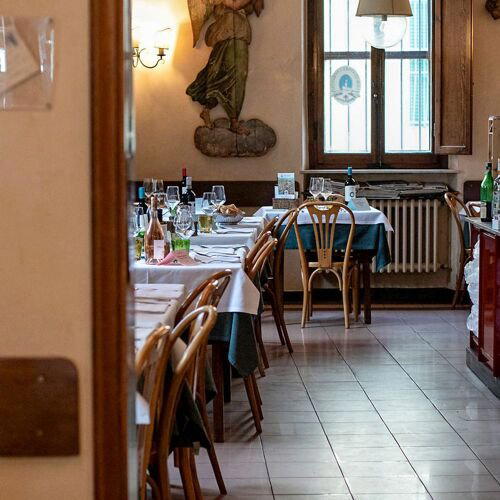
| La Cucina Ristorante | Traditional Italian Trattoria | $$ | old town |
| Restauracja Pueblo | Authentic Mexican & Tex-Mex | $$ | Old Town |
| MONTOWNIA FOOD HALL | International Food Hall | $$ | Main City |
| Flisak '76 | Themed Cocktail Bar | $$ | Old Town |
Continue exploring
More in Gdańsk
Restaurants in Gdańsk
Browse all →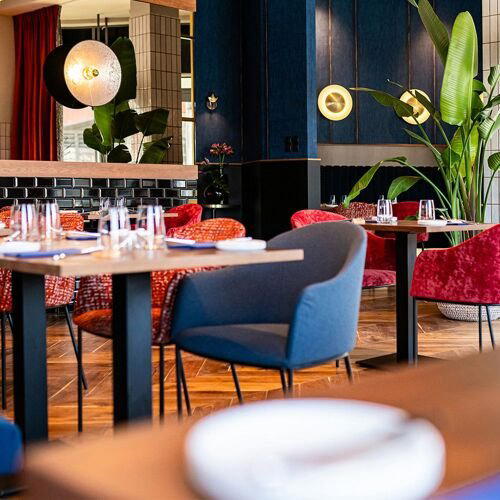
At a Glance
- Casual
- Lively
- Rustic
- Casual Hangout
- Group Dining
- Family
- Open Kitchen
Current opening hours
- Monday
- 11 AM–10 PM
- Tuesday
- 11 AM–10 PM
- Wednesday
- 11 AM–10 PM
- Thursday
- 11 AM–10 PM
- Friday
- 11 AM–10 PM
- Saturday
- 11 AM–10 PM
- Sunday
- 11 AM–10 PM
Hours can change for holidays and private events. Last verified .
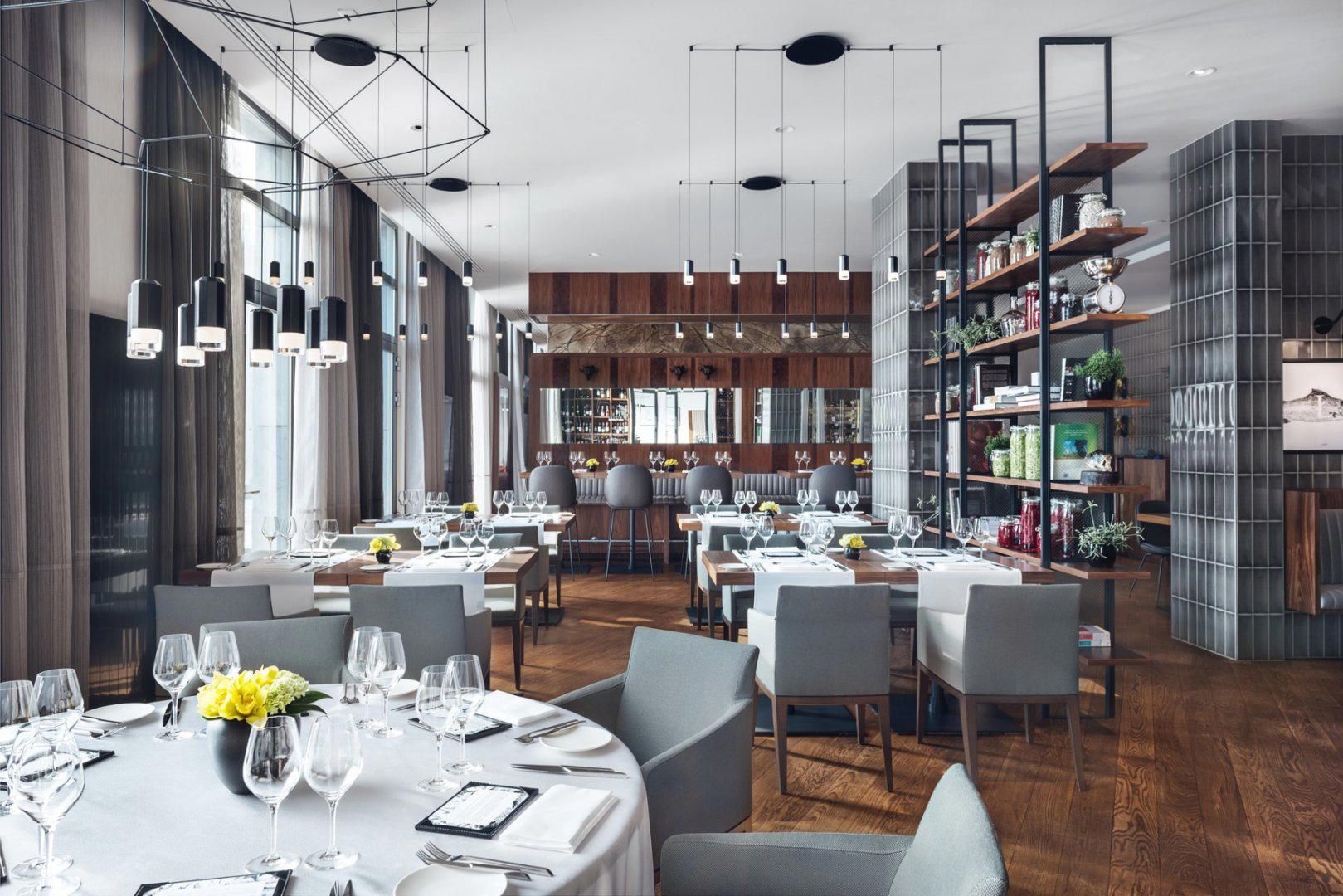
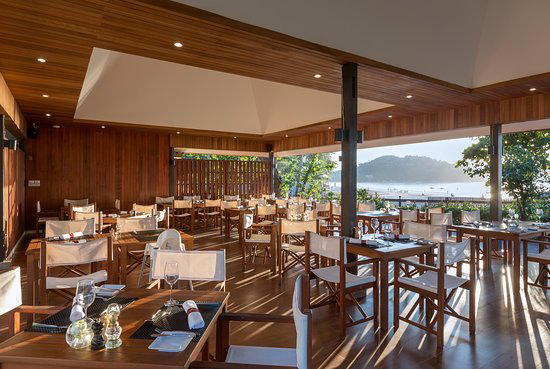
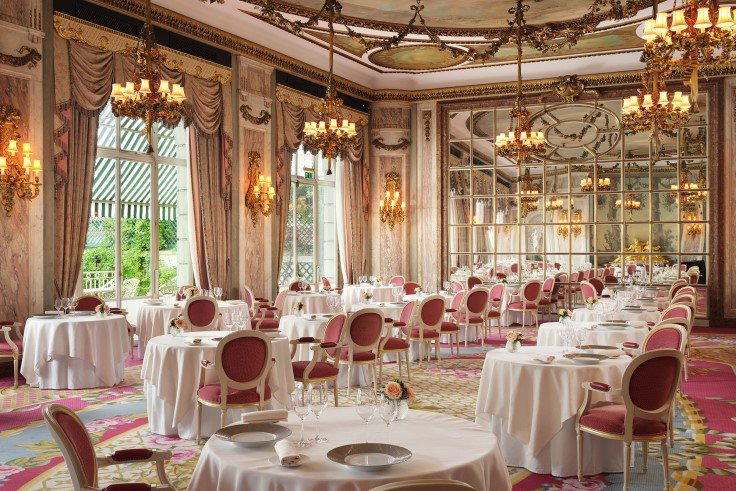
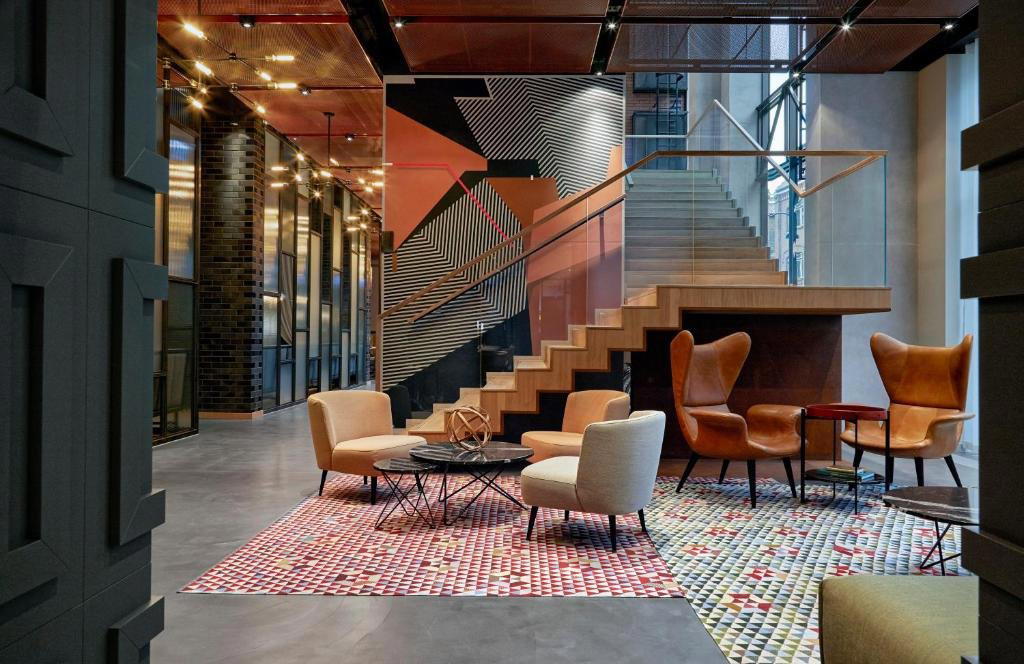
Lively and inviting atmosphere celebrating Polish culinary heritage with a modern twist, popular and bustling during peak times.