Our verdict
Canis occupies a address on Ogarna Street in Gdańsk's Old Town, positioning itself within the city's most concentrated stretch of serious dining. The restaurant draws attention for its considered approach to menu architecture in a Polish restaurant scene that has been rethinking what fine dining means outside Warsaw and Kraków. For visitors already exploring the Tri-City area, it represents a useful reference point for where Gdańsk's upper-tier restaurants currently sit.

Pearl is the En Primeur Club membership app, where members save venues, book tables and use the concierge.
The menu
What to order
- Beef tartare
- Wagyu burger
- Cheesecake
- Duck breast
Ogarna Street and the Old Town Dining Shift
Gdańsk's Old Town has spent the better part of a decade sorting itself out. For a long time, Ogarna Street and the streets feeding into it were dominated by tourist-facing amber shops and amber-adjacent menus: herring platters, bigos, and beer halls calibrated for the cruise-ship clock. What has changed, gradually and then more noticeably, is the arrival of restaurants that treat the Old Town address as a starting point rather than a marketing prop. Canis, at Ogarna 27/28, sits inside that shift. The address itself signals something: this stretch of the Old Town is where Gdańsk's more serious restaurant offer has been concentrating, and a kitchen here is pricing and pitching itself against a different kind of neighbour than it would have been ten years ago.
That context matters when thinking about where Canis sits in the city's dining picture. Gdańsk is not Warsaw. It does not have the density of Michelin-tracked restaurants or the competitive pressure of a capital-city scene. But it is also not a city without ambition. Arco by Paco Pérez in Gdańsk demonstrated that the city could support a kitchen with serious international credentials. The question for restaurants operating below that tier is whether the local market rewards format discipline and menu seriousness in the way that Warsaw or Kraków increasingly does.
Menu Architecture as the Defining Signal
In Polish fine dining, the menu has become a more reliable indicator of a kitchen's actual ambitions than décor or price point. The restaurants that have drawn the most attention nationally over the past several years, from Bottiglieria 1881 in Kraków to Muga in Poznań, have structured their menus around a clear editorial logic: seasonal sequencing, a defined number of courses, and a point of view on what Polish produce means at the table in 2024. These are not menus built around choice maximisation. They are menus that argue a position.
Canis operates within this broader movement. A restaurant on Ogarna Street at this address is not pitching to visitors who want to scan a laminated page for pierogi options. The format, even without confirmed course counts or published pricing, reads as one oriented toward a progressive tasting structure rather than à la carte breadth. This is increasingly the grammar of serious Polish dining: fewer dishes, sharper sourcing signals, and a sequence that builds rather than simply lists. Compare that to the more casual end of the Gdańsk spectrum, where places like Flisak '76 or Durga occupy a different register entirely, one built around accessible formats and broader menus. Canis is working in a different tier.
The closest international analogue for this kind of menu philosophy is not the grand European tasting-menu format as practiced at, say, Le Bernardin in New York City, but something closer to the more intimate, produce-led model seen at restaurants like Lazy Bear in San Francisco: kitchens where the menu structure itself is the communication device, and where the sequence of dishes does most of the talking about what the kitchen believes.
The Gdańsk Fine-Dining Tier: Where Canis Fits
Polish fine dining has been reorganising itself around a smaller number of cities with the critical mass to sustain serious kitchen programmes. Warsaw leads on volume and international visibility. Kraków has its own cluster of recognised restaurants. Gdańsk, with its stronger tourist base and proximity to Sopot and Gdynia in the Tri-City agglomeration, has been building a more coherent upper tier more recently. hub.praga in Warsaw operates in a different urban context entirely, but the competitive dynamic it represents, a restaurant that takes its cue from international fine-dining formats while working with Polish ingredients and rhythms, is visible in Gdańsk too.
Within Gdańsk specifically, the dining spread runs from the casual and tourist-facing to the genuinely ambitious. Billy's American Restaurant and Billy's American Restaurants Chmielna occupy the accessible, high-volume end of the market. Hashi Sushi addresses a different appetite altogether. Canis is operating closer to the format-led, experience-oriented end of that spectrum, in a cohort that includes Arco by Paco Pérez as the city's most internationally visible fine-dining reference point. The gap between those two restaurants, in terms of profile and external recognition, reflects how early-stage the Gdańsk fine-dining tier still is. That is not a criticism. It is a description of where the market sits and where there is room for kitchens like Canis to define themselves more sharply over time.
The Tri-City Context and When to Go
Gdańsk is a seasonal city in ways that most Central European destinations are not. Summer brings a significant influx of Polish domestic tourists and international visitors, and the Old Town fills in ways that make early-evening reservations harder to secure and the general atmosphere considerably more animated. Restaurants operating at the more serious end of the market tend to feel more focused in the shoulder seasons, particularly May and September, when the volume drops and the kitchen is not calibrating for a dining room turning tables at tourist pace. For anyone planning around a visit to the broader Tri-City area, pairing a meal at Canis with an afternoon in Sopot or a visit to the waterfront in Gdynia is a reasonable framework. Bar Przystań in Sopot covers the more casual waterfront end of the spectrum if the itinerary calls for contrast.
For visitors building a more extended Polish itinerary, the country's restaurant scene rewards some geographical planning. Giewont in Kościelisko offers a very different register in the Tatra foothills, and Ariel in Krakow sits in a distinct historical and culinary tradition. OK Wine Bar in Wrocław points to how the wine-bar format has taken hold in Poland's mid-sized cities. And for those with an interest in how Japanese dining formats are translating into Polish contexts, Nare Sushi in Skórzewo and Luneta and Lorneta Bistro Club in Ciekocinko offer regional counterpoints. See the full Gdansk restaurants guide for a broader picture of what the city currently offers across formats and price points.
Planning a Visit
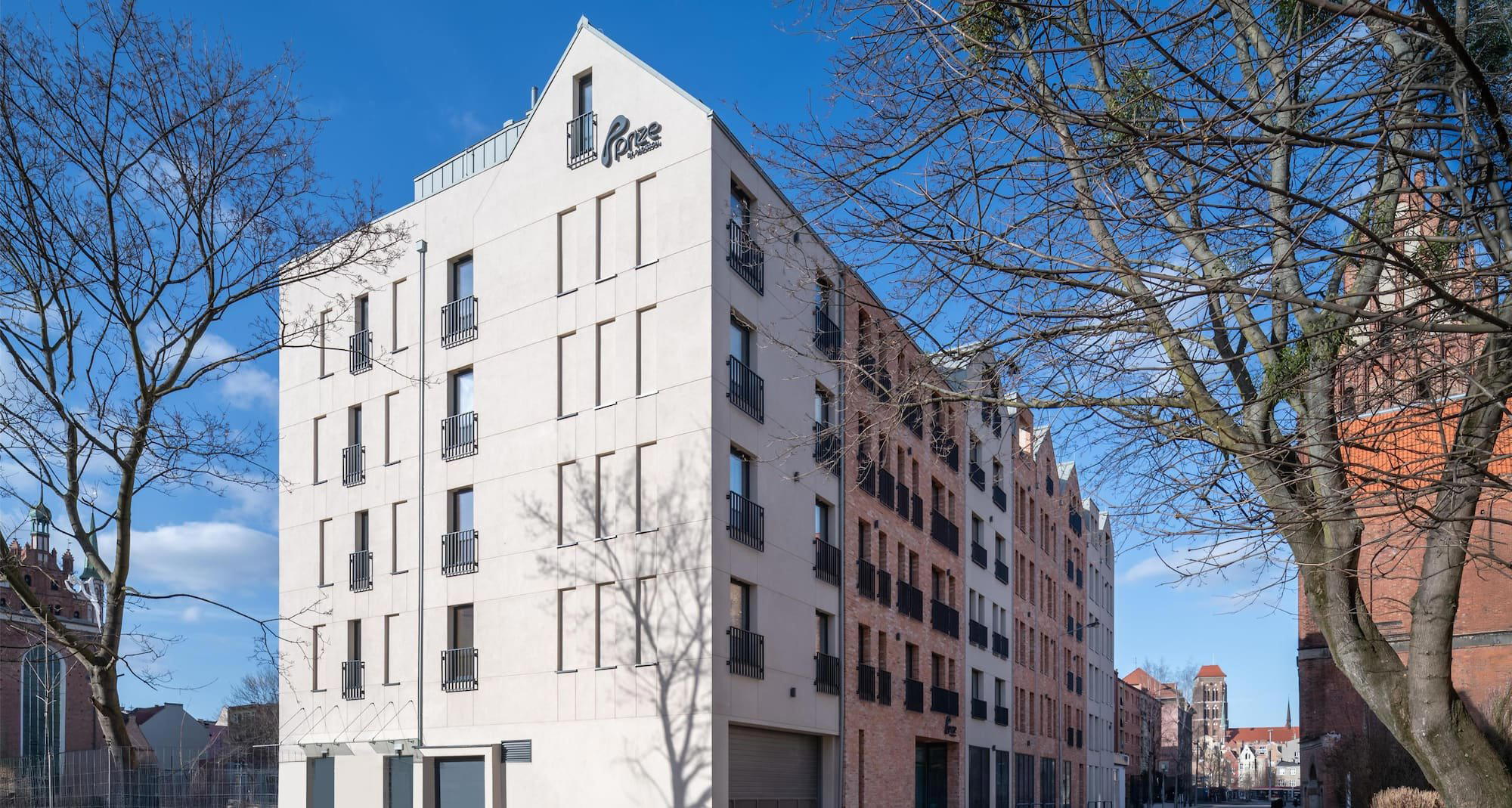
Canis is located at Ogarna 27/28 in Gdańsk's Old Town, a few minutes' walk from the main Długi Targ thoroughfare. For a restaurant in this part of the city at this tier of ambition, advance reservation is advisable, particularly during the summer months when Old Town dining room capacity tightens across the board. The format appears oriented toward a deliberate, multi-course experience rather than a quick-turn dinner, which makes it a better fit for an evening where the meal is the anchor of the night rather than a pre-theatre stop.
Frequently asked questions
Where do I go for Canis?
Canis is located at Ogarna 27/28, 80-826 Gdańsk, Poland, Gdansk.
Is Canis a good choice for a special occasion dinner in Gdańsk's Old Town?
For a considered dinner in central Gdańsk, Canis on Ogarna 27/28 sits within easy reach of the main Długi Targ thoroughfare while operating at a remove from the street's more casual trade. The kitchen positions itself within the upper band of Gdańsk's fine-dining tier, which remains a shorter list than Warsaw or Kraków. Contacting the restaurant directly to confirm current availability and any set formats is advisable before planning around a fixed date.
What's the best thing to order at Canis?
The menu architecture at Canis is the kitchen's clearest statement of intent, so following the full progression rather than ordering selectively gives the most coherent reading of what the kitchen is doing. In Polish fine dining at this tier, the tasting format tends to be where the real argument is made. Check directly with the restaurant at Ogarna 27/28 for the current menu structure before visiting.
How far ahead should I plan for Canis?
Gdańsk runs on a hard seasonal cycle: summer brings a concentrated surge of domestic Polish tourism and international visitors arriving via the Baltic coast, which tightens reservations at serious Old Town addresses considerably. For visits between June and August, booking several weeks in advance is a reasonable baseline. Shoulder seasons, April to May and September to October, offer more flexibility while the kitchen is still operating at full pace.
What's the standout thing about Canis?
Its position on Ogarna Street puts it at the centre of Gdańsk's ongoing shift from tourist-facing Old Town dining toward kitchens with a genuine programme. In a city where the fine-dining tier is still consolidating, Canis represents the kind of address that anchors a neighbourhood's credibility rather than simply occupying it. The menu signals the kitchen's ambition more plainly than the address or setting alone.
Reputation First
| Venue | Cuisine | Price |
|---|---|---|
| CanisThis venue (the venue you are viewing) | Modern Polish Fine Dining | $30–50 |
| La Cucina Ristorante | Traditional Italian Trattoria | Not listed |
| Pierogarnia Mandu Gdańsk Oliwa | Polish Pierogi House | $10–20 |
| Billy's American Restaurants Chmielna | American Grill | $20–30 |
| Billy's American Restaurant. | American Grill & BBQ | $20–30 |
| Durga | Authentic Royal Indian Fine Dining | $30–50 |
Continue exploring
More in Gdańsk
Restaurants in Gdańsk
All restaurants in Gdańsk →
Details
- Elegant
- Cozy
- Modern
- Intimate
- Sophisticated
- Date Night
- Business Dinner
- Group Dining
- Special Occasion
- Live Music
- Open Kitchen
- Historic Building
- Extensive Wine List
- A La Carte
- Wine
- Gluten Free Options
- Vegetarian Friendly
- Vegan Options
Current opening hours
- Monday
- 3–11 PM
- Tuesday
- 3–11 PM
- Wednesday
- 3–11 PM
- Thursday
- 3–11 PM
- Friday
- 12 PM–12 AM
- Saturday
- 12 PM–12 AM
- Sunday
- 12–10 PM
Hours can change for holidays and private events. Hours as of .
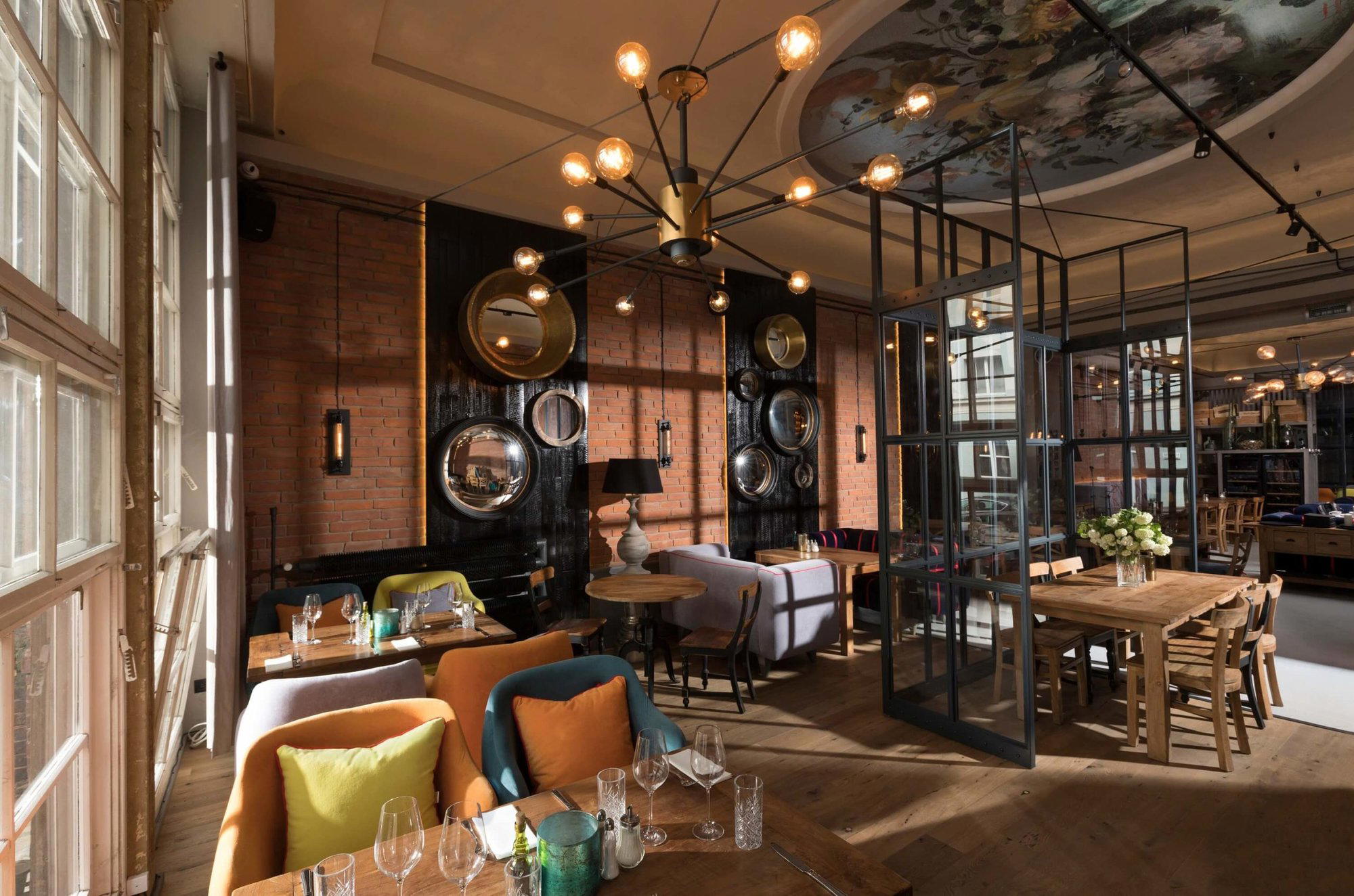
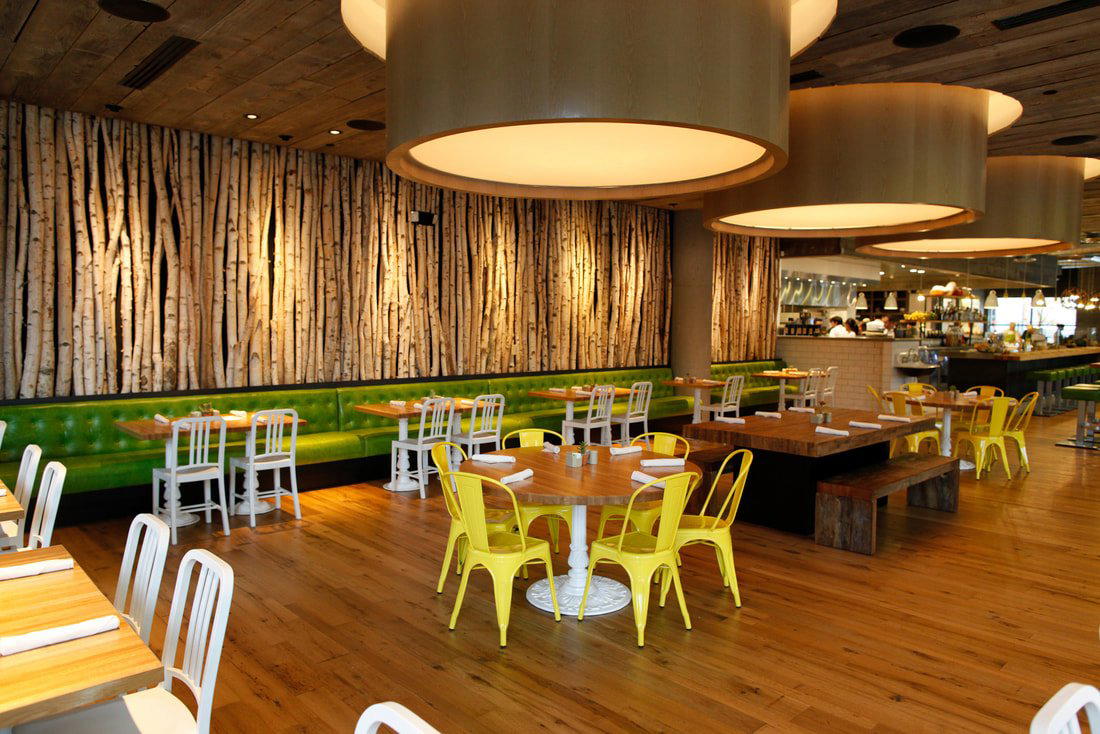
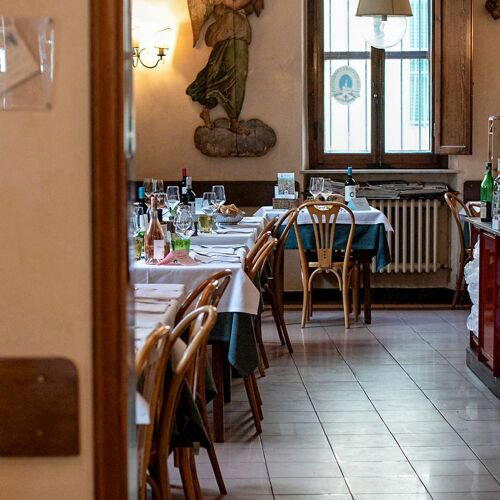
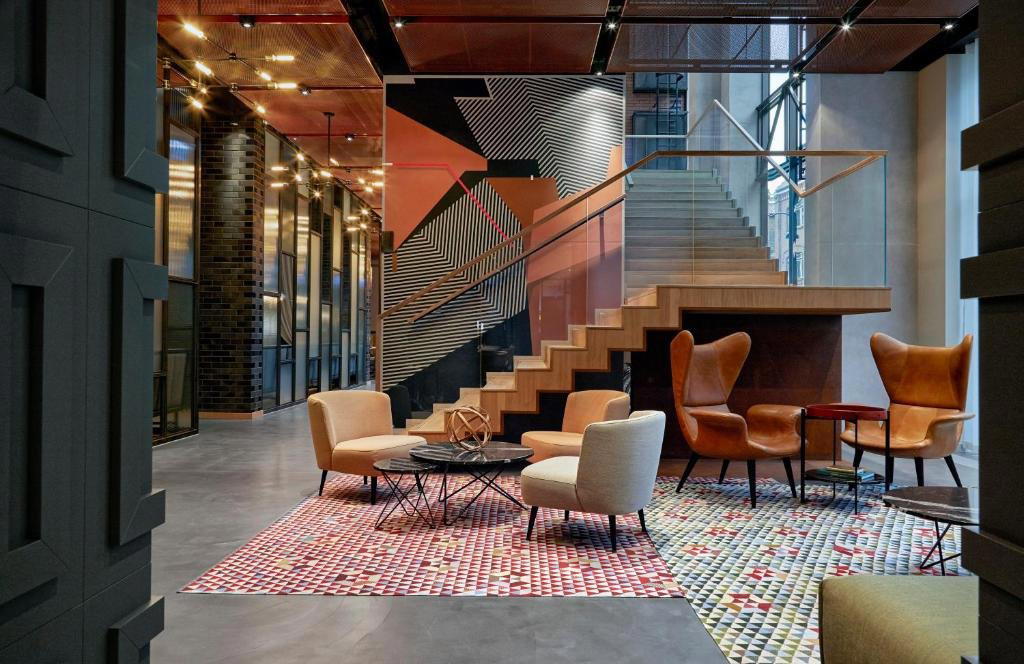
Modern and elegant interior in a historic building with open kitchen, comfortable furnishings, and live music at sensible volume creating a chilled yet busy atmosphere.