
Michelin Plate
Our verdict
A Michelin Plate holder for two consecutive years (2024 and 2025), Tygle on Chmielna street delivers traditional Polish cuisine at mid-range prices in a city where the dining scene is rapidly gaining national attention.

Pearl is the En Primeur Club membership app, where members save venues, book tables and use the concierge.
The menu
What to order
- Gdański krem rakowy
- Pieróg rybny
- Roślinny żurek
What Chmielna Street Regulars Already Know
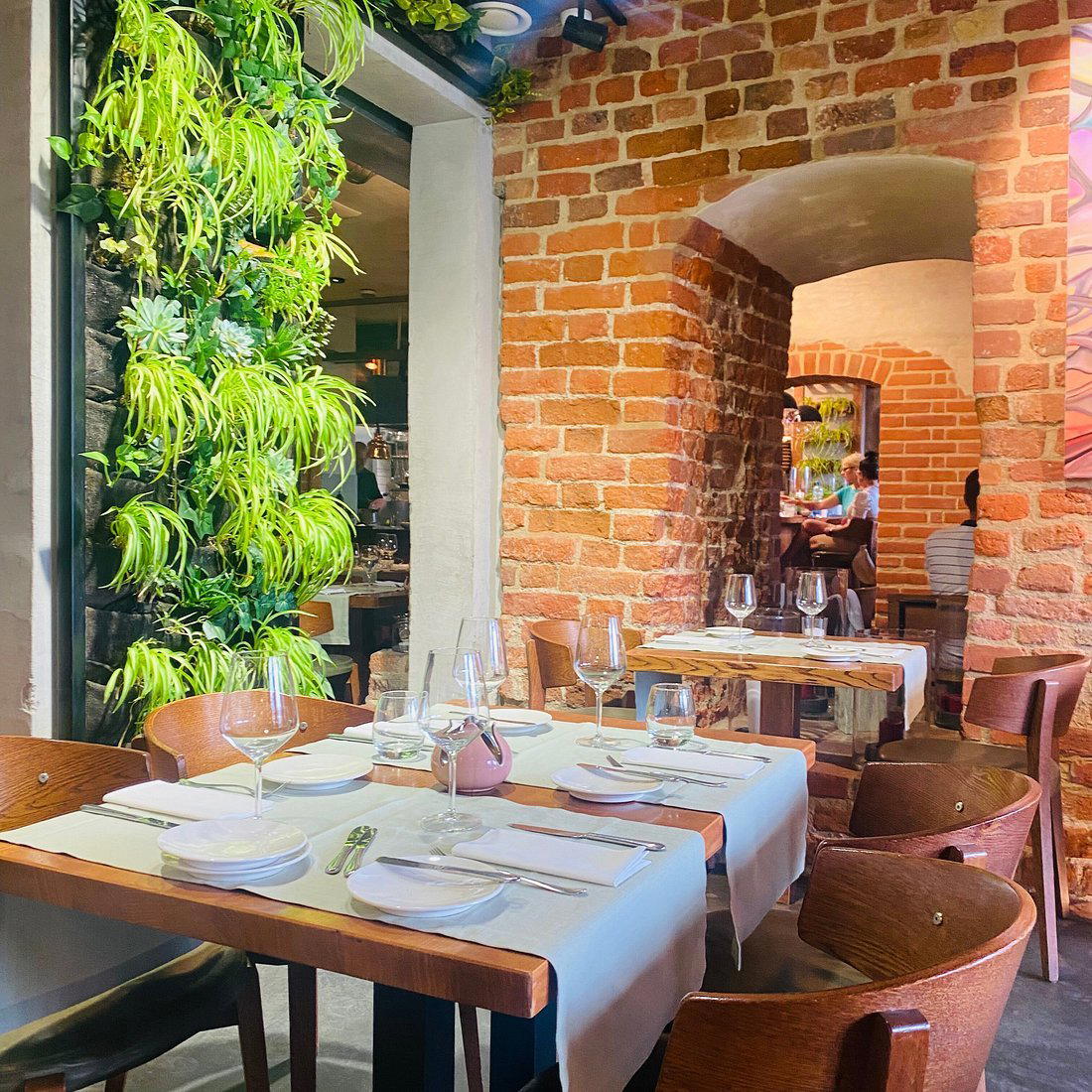
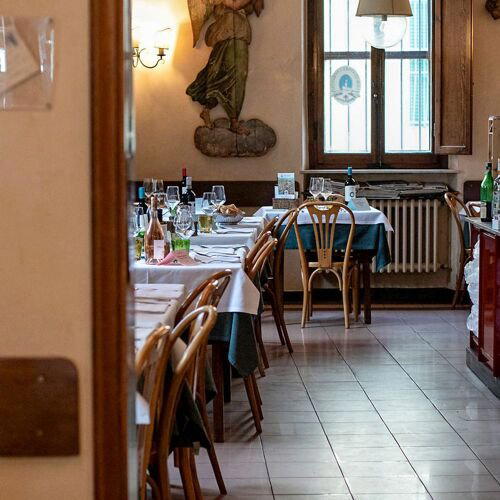
Gdańsk has been rebuilding its restaurant identity for the better part of a decade, and the Śródmieście area around Chmielna street reflects the results of that effort. The street sits close enough to the Old Town's amber-shop-and-tourist-crowd axis to benefit from footfall, but far enough that the restaurants here answer to a local clientele before they answer to visitors. At number 10, Tygle occupies that tension productively. The room pulls people in not through spectacle but through the kind of sensory calm, warm materials, the smell of rendered fat and dried herbs, the low register of a dining room where people are actually talking, that becomes habitual for those who live nearby.
That habit is the most reliable evidence about what a restaurant is actually doing. Ratings that dense and that consistent are almost always produced by a core group of regulars inflating the average upward, combined with a low rate of disappointed first-timers. That demographic profile describes a neighbourhood anchor, not a destination novelty.
Traditional Polish Cooking in a City Rewriting Itself
Gdańsk's dining scene in the mid-2020s divides into two visible tiers. One group, including Mercato at the higher price point, and Eliksir at a comparable mid-range position, pursues the modern European format: creative menus, contemporary plating, ingredients sourced with a narrative attached. The other tier, smaller and less photographed on social media, holds to the argument that Polish culinary tradition is itself a sufficient foundation. Tygle belongs to the second camp.
Traditional cuisine as a category can mean many things across different restaurant contexts. In Poland, and specifically in Gdańsk with its Baltic and Hanseatic food history, it tends to mean a kitchen that works with preserved and smoked proteins, root vegetables prepared without irony, and sauces built on time rather than technique-for-its-own-sake. Compared to the modern-leaning rooms like Fino or Hewelke elsewhere in the city, Tygle's orientation is deliberate: the interest here is in depth of flavour from familiar frameworks, not in subverting them.
That positioning has attracted Michelin's attention in a specific way. A Michelin Plate, awarded here in both 2024 and 2025, signals that the Guide's inspectors found cooking of a standard worth acknowledging, but have not (yet) moved it to star territory. In Poland's current Michelin context, where star counts remain modest relative to Western European cities of comparable size, the Plate carries more weight than it might in Paris or Barcelona. It is evidence of quality, not a consolation prize. Venues like Bottiglieria 1881 in Kraków and Muga in Poznań illustrate the range of what Polish fine dining can look like across cities; Tygle fits into that picture as the Gdańsk entry in the traditional-cooking bracket.
The Price Point and What It Means for Who Comes Back
Tygle prices in the €€ bracket, which in Gdańsk terms means a full dinner for two lands comfortably below the level of the city's higher-end rooms. This is not incidental to the regulars story. Restaurants that sustain a loyal midweek clientele typically do so at a price that permits repetition. At €€€ or above, where Arco by Paco Pérez sits at the top of the local market, a return visit becomes an occasion. At €€, it becomes a Thursday habit.
That accessibility also means the room carries a wider social mix than the city's prestige tables, which tends to produce the kind of ambient noise level and general energy that makes a restaurant feel inhabited rather than performed. For visitors arriving from outside Gdańsk, the pricing represents an argument in itself: this is not the kind of cooking that requires a special occasion to justify the expenditure. Chef Tyler Kineman runs a kitchen where the ambition is calibrated to what people will actually eat repeatedly, which is a harder discipline than it sounds.
Gdańsk in Context: Why Traditional Cooking Holds Ground Here
Gdańsk occupies an unusual position in Polish food culture. Its medieval and early modern history as a trading port brought Flemish, Dutch, German, and Scandinavian culinary influences into contact with Polish and Kashubian traditions, producing a layered regional food identity that most coastal cities in Europe would envy. That heritage has been absorbed and reinterpreted in different ways across the city's better rooms. The modern European places reference it loosely; the traditional kitchens attempt something more direct.
This is the same argument made in different national contexts by restaurants like Auberge Grand'Maison in Mûr-de-Bretagne or Auga in Gijón: that regional tradition, executed rigorously, requires no apology and no reframing as something else. In Gdańsk's specific case, that argument is still being won. The city's dining culture is not yet at the point where international visitors routinely arrive with the food scene as a primary draw, which makes venues like Tygle both more necessary and somewhat under-examined relative to their actual quality.
For broader exploration of what the city offers maps the scene across price points and styles. covers accommodation, while the bars guide, wineries guide, and experiences guide fill out the rest of a trip. If Gdańsk is part of a longer Baltic itinerary, 1911 Restaurant in nearby Sopot is a logical extension of the same culinary territory.
Planning a Visit
Tygle is located at Chmielna 10 in the Śródmieście district, within walking distance of the Main Town and accessible on foot from the central tram and bus network. The €€ pricing makes it realistic for most visit budgets, and the Michelin Plate recognition across two consecutive years provides a reliable quality baseline.
Frequently asked questions
What's the address for Tygle?
Tygle is located at Chmielna 10, 80-748 Gdańsk, Poland, Gdańsk.
What's Tygle known for in terms of accolades?
Tygle has received recognition including: Michelin Plate (2025); Michelin Plate (2024).
What should I order at Tygle?
Tygle holds Michelin Plate recognition for 2024 and 2025, which signals consistent kitchen execution rather than one-off moments, the ordering logic follows accordingly toward dishes built on technique and time. Traditional Polish cuisine at this price point (€€) tends to reward meat braises, fermented or pickled elements, and grain-based preparations over anything chasing seasonal novelty. Arrive with an appetite for the full arc of a Polish meal rather than a single showpiece dish.
What price level is Tygle?
Pricing at Tygle is listed as €€.
Who is the chef connected to Tygle?
The chef associated with Tygle is Tyler Kineman.
How hard is it to get a table at Tygle?
Weekend evenings in peak tourist season require advance planning; weekday lunches are the more accessible window. Booking ahead is the practical move rather than walking in on a Friday night and hoping.
Same-City Peers
| Venue | Cuisine | Price | Awards | Notes |
|---|---|---|---|---|
| TygleThis venue (the venue you are viewing) | Modern Polish | $50–100 | Michelin Plate | Not listed |
| Arco by Paco Pérez | Mediterranean Fine Dining with Polish Ingredients | $150–200 | 1 Michelin Star · La Liste Top Restaurants | Spanish |
| Hewelke | Global Fusion with Pan-Asian Elements | $30–50 | Michelin Bib Gourmand | Modern Cuisine |
| Mercato | Modern Polish Fine Dining | $50–100 | Michelin Plate · Star Wine List | Modern Cuisine |
| Villa | Polish Fine Dining | $30–50 | Michelin Plate · Star Wine List | Modern French |
| Eliksir | Contemporary Polish with Cocktail Pairing | $50–100 | Michelin Plate | Modern Cuisine |
Recognition history
Dated appearances from independent guides and award organizations, with the underlying list record or original source where available.
Michelin Plate
Michelin
Full recognition history (3 entries)
Michelin Plate
Michelin
Michelin Plate
Michelin
Continue exploring
More in Gdańsk
Restaurants in Gdańsk
All restaurants in Gdańsk →
Details
- Modern
- Cozy
- Industrial
- Elegant
- Minimalist
- Date Night
- Special Occasion
- Group Dining
- Waterfront
- Terrace
- Open Kitchen
- Extensive Wine List
- Local Sourcing
- Waterfront
- A La Carte
- Vegetarian Friendly
- Vegan Options
- Gluten Free Options
Current opening hours
- Monday
- 5–10 PM
- Tuesday
- 5–10 PM
- Wednesday
- 5–10 PM
- Thursday
- 5–10 PM
- Friday
- 1–11 PM
- Saturday
- 1–11 PM
- Sunday
- 1–10 PM
Hours can change for holidays and private events. Hours as of .
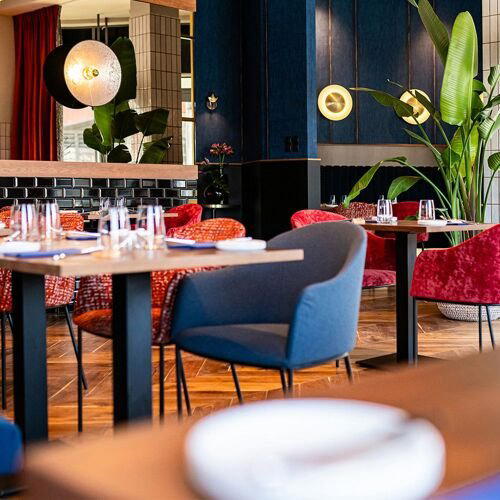
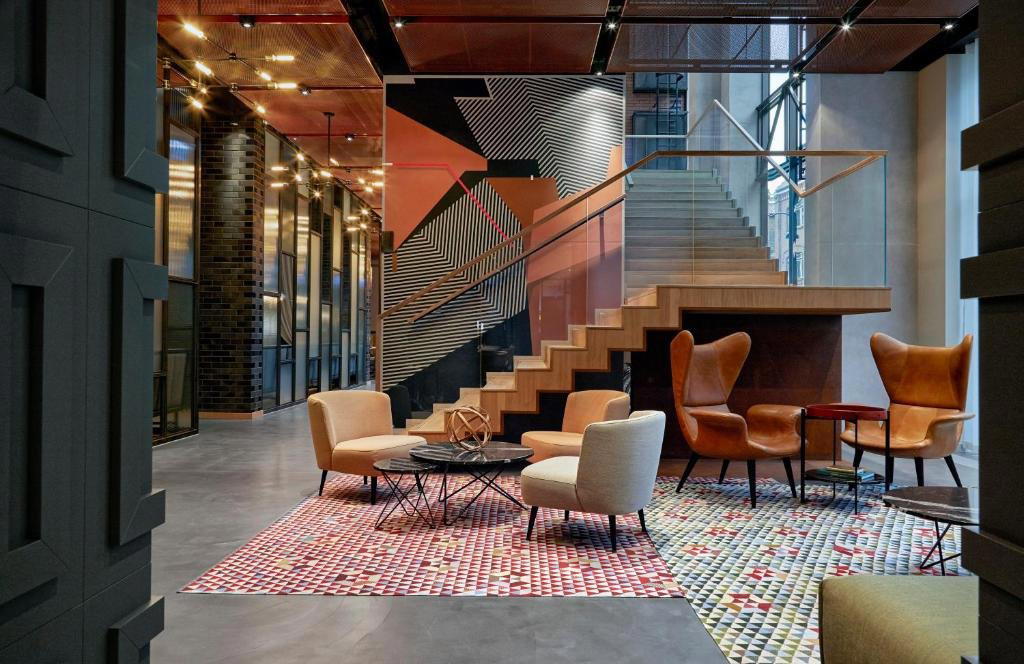
Minimalist-meets-industrial style with exposed pipes and Edison bulbs, cozy and inviting atmosphere enhanced by waterfront views.