Hotel Number One occupies a quiet address on Jaglana Street in Gdańsk's historic centre, placing guests within walking distance of the city's amber-trade waterfront and the Motlawa riverside. The property sits in the tier of smaller, design-conscious hotels that have reshaped Gdańsk's accommodation offer over the past decade, positioning itself against larger branded competitors with a more intimate format and a distinctly local sense of place.
Pearl is the En Primeur Club membership app — saves, bookings, and concierge access live there. Same editors, same standards.
- Address
- Jaglana 4, 80-749 Gdańsk, Poland
- Phone
- +48 58 717 80 00
- Website
- granohotels.pl
- Directions
- Get directions
 Saves & bookings on Pearl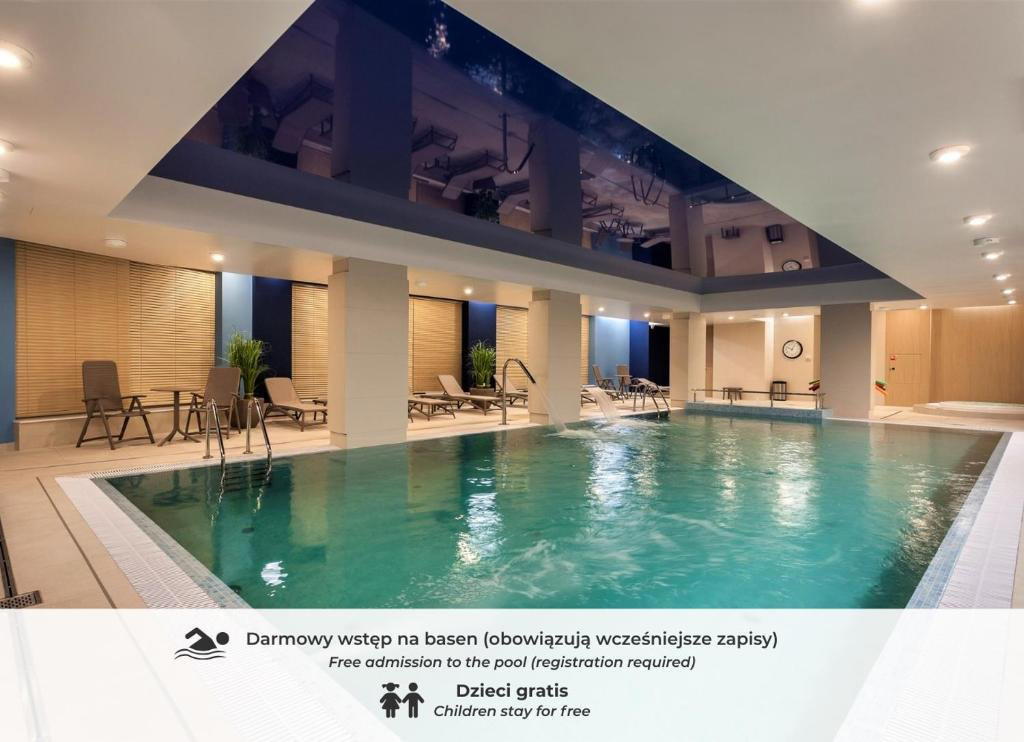
Gdańsk's Boutique Hotel Tier and Where Hotel Number One Fits
Gdańsk has split its hotel offer into two recognisable camps over the past ten years. On one side sit the international chain properties, including the Hilton Gdansk, which compete on conference facilities, loyalty points, and predictable standards. On the other side, a smaller cohort of independently minded properties has assembled around the Old Town and along the Motlawa, trading on proximity to the city's Hanseatic architecture, tighter key counts, and a stronger sense of local identity. Hotel Number One is a 3-star hotel in Gdańsk at Jaglana 4, 80-749 Gdańsk, Poland. It belongs to that second group. Jaglana Street sits within the compact fabric of the historic centre, close enough to the Royal Road and Long Market to reach them without crossing any significant distance, but tucked away from the main pedestrian flow that concentrates tourist traffic in the summer months.
That positioning matters more than it might seem. Gdańsk's centre is small enough that location differentials feel pronounced, and properties that sit just off the main corridors tend to offer noticeably quieter nights than those fronting the busier routes. For visitors arriving to spend serious time in a city with a genuinely layered history, from its medieval amber trade through its role as the birthplace of the Solidarity movement to its contemporary identity as a Baltic cultural hub, the ability to step outside into something resembling actual neighbourhood life is an advantage the larger branded properties simply cannot replicate.
For comparable independent properties across Poland's city hotel market, the reference points worth considering include Hotel Stary in Krakow, which similarly occupies a historic-centre address with a boutique format, and H15 Boutique Hotel in Warsaw, where the emphasis on design and location specificity over branded scale defines the proposition. Hotel Number One operates in that same competitive tier, where the guest's relationship with place is the primary argument.
The Dining Question in Gdańsk's Old Town Hotels
The editorial angle that most separates smaller historic-centre hotels from their larger competitors in any Polish city is the food and beverage programme, and Gdańsk is no exception. Properties at the boutique end of the market face a consistent structural choice: invest in an in-house restaurant that becomes a destination in its own right, or position the hotel as a base from which guests venture out into a dining scene that is genuinely worth exploring. The Tri-City area (Gdańsk, Gdynia, Sopot) has developed a credible contemporary restaurant culture, with chefs working Baltic seafood, Polish pickling traditions, and Central European fermentation techniques into formats that sit comfortably alongside the wider Northern European dining conversation.
Gdańsk's proximity to the sea gives its better kitchens access to Baltic flounder, herring, and eel in forms that don't travel well, which means eating in the city rather than elsewhere in Poland carries a genuine product argument. Hotels that understand this use their dining spaces to reflect the regional larder rather than defaulting to generic European hotel cooking. The PURO Hotel Gdansk represents the design-led alternative in the same city, with a food offer calibrated to its urban-lifestyle positioning. Where the hotel sits on this spectrum is not specified.
What the address does confirm is that the surrounding neighbourhood provides options. Gdańsk's restaurant density in the Old Town and along Długie Pobrzeże is high enough that a property without a full in-house kitchen is not leaving guests stranded. The better approach, given the city's dining character, is to use the hotel as a base and eat outward.
Planning Your Stay: What the Jaglana Address Means Logistically
Gdańsk Lech Wałęsa Airport sits roughly 15 kilometres north-west of the city centre, and the journey into the Old Town by taxi or ride-share typically takes between 25 and 40 minutes depending on traffic on the main approach roads. The city's SKM commuter rail also connects the airport area to the central Gdańsk Główny station, from which the Old Town is walkable in under ten minutes. Jaglana Street is within that walkable radius from the main station, which makes the hotel a logistically sensible choice for visitors arriving by rail from Warsaw (approximately three hours on the faster PKP Intercity services) or from other Polish cities.
The summer months from June through August represent peak demand in Gdańsk, driven by Baltic beach tourism combined with the city's heritage appeal. Booking in this window requires more lead time than the shoulder seasons of May or September, when the Old Town is navigable without the August crowds and the amber shops along Mariacka Street are accessible at a pace that actually allows examination. Spring arrivals benefit from the city's architectural drama without the seasonal pricing pressure that accompanies high summer.
Travellers considering the broader Polish Baltic and northern region can use the hotel as a Gdańsk base and extend into the Tri-City easily. Quadrille in Gdynia offers an alternative base if the itinerary tilts toward Gdynia's modernist interwar architecture, while Zamek Łeba in Łeba covers the Słowiński National Park and dune coast to the west. For those building a wider Polish itinerary, the comparison set extends naturally to Copernicus Toruń Hotel in Torun, Hotel Altus Palace in Wrocław, and further afield to Bachleda Residence Zakopane in Zakopane for a mountain contrast.
Across the PURO group's Polish footprint, PURO Łódź Centrum in Łódź and PURO Poznań in Poznań represent the design-led urban hotel in other Polish cities, providing a useful benchmark for what the independent boutique tier in Gdańsk is working against. Further afield, H15 Palace, a Luxury Collection Hotel in Kraków illustrates where the Polish boutique-to-luxury segment is heading as international brands deepen their historic-centre presence.
A Pricing-First Comparison
Comparable venues nearby, for context on price, style, and recognition.
| Venue | Price | Awards | Notes |
|---|---|---|---|
| Hotel Number OneThis venue — the venue you are viewing | $$ | 3-Star | Not listed |
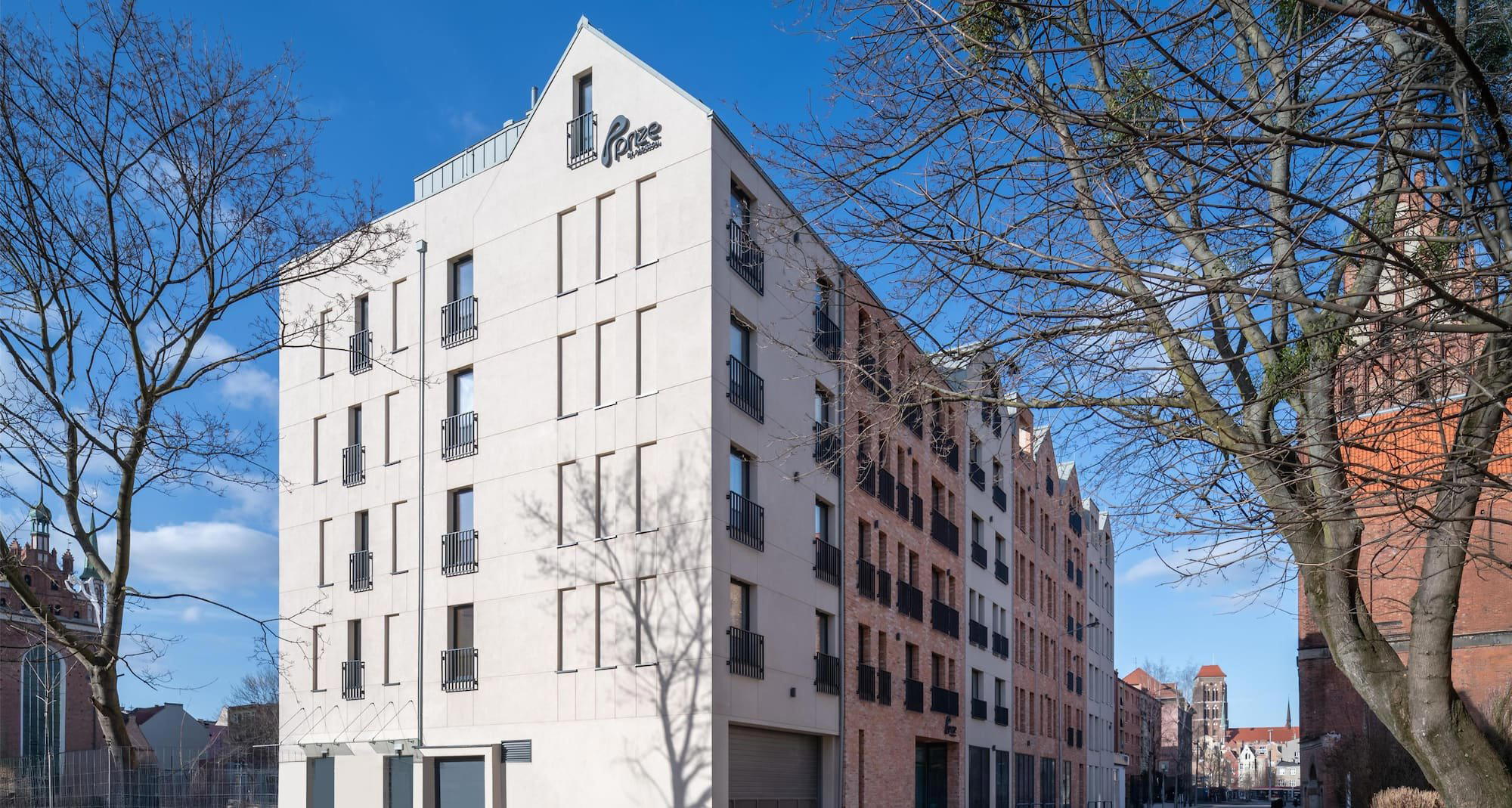
| Prize by Radisson, Gdańsk | $$ | 3-Star | Gdansk City Center, Midscale, city-center lifestyle hotel focused on value, comfort, and stylish common areas. |
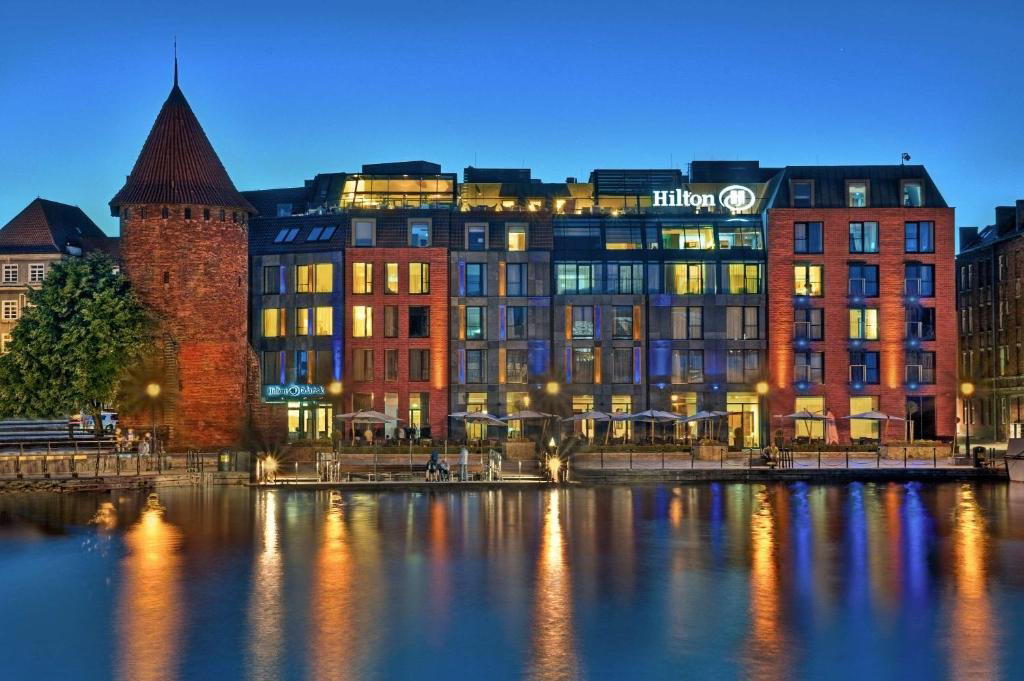
| Hilton Gdansk | $$$ | 5-Star | Old Town, Contemporary design blending modern architecture with medieval Gdansk historic context |
| PURO Hotel Gdansk | $$$ | 4-Star | Stare Miasto, contemporary urban design hotel |
| Moxy Warsaw Praga | $$ | 3-Star | Praga, Post-industrial design harmoniously blended with contemporary buildings in a historic vodka factory. |
| Herbal Hotel | $$ | 3-Star | Stare Miasto, Historic boutique hotel housed in a restored 17th-century Franciscan monastery with traditional architecture and contemporary comfort. |
At a Glance
- Modern
- Elegant
- Weekend Escape
- Family Vacation
- Historic Building
- Wi Fi
- Pool
- Spa
- Fitness Center
- Room Service
- Concierge
- Street Scene
- Wi Fi
- Pool
- Spa
- Fitness Center
- Room Service
- Concierge
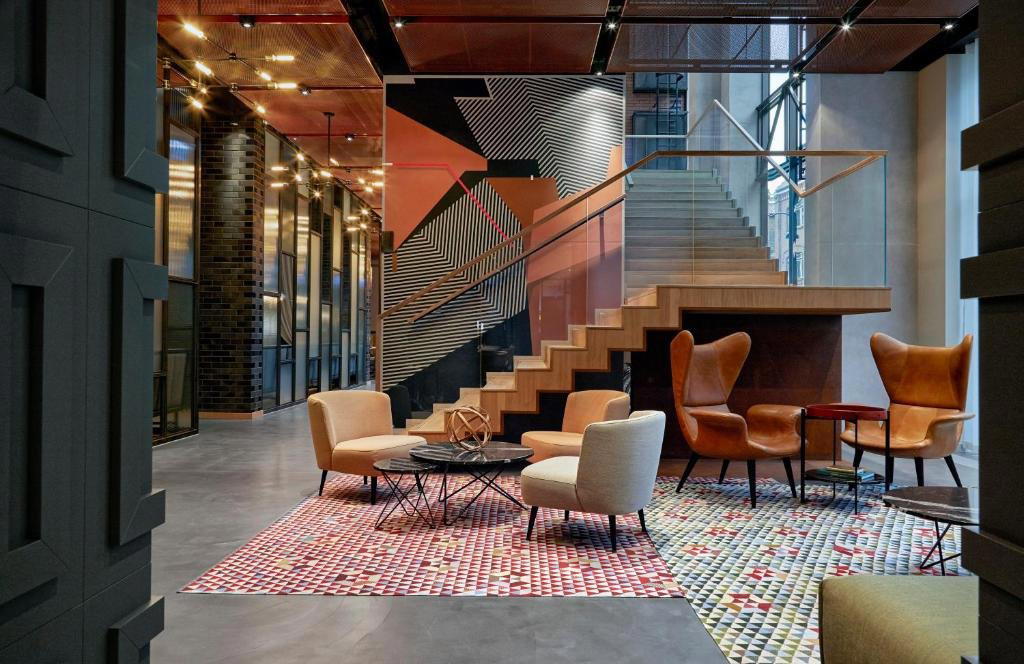
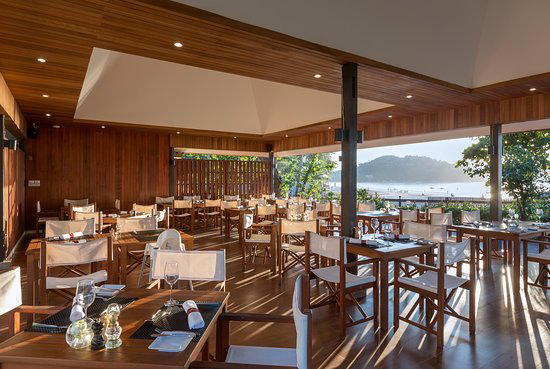
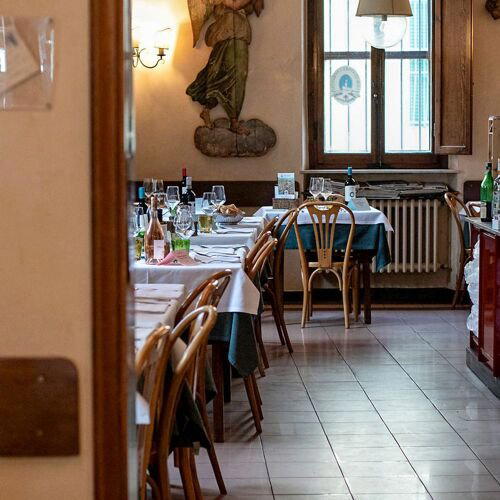
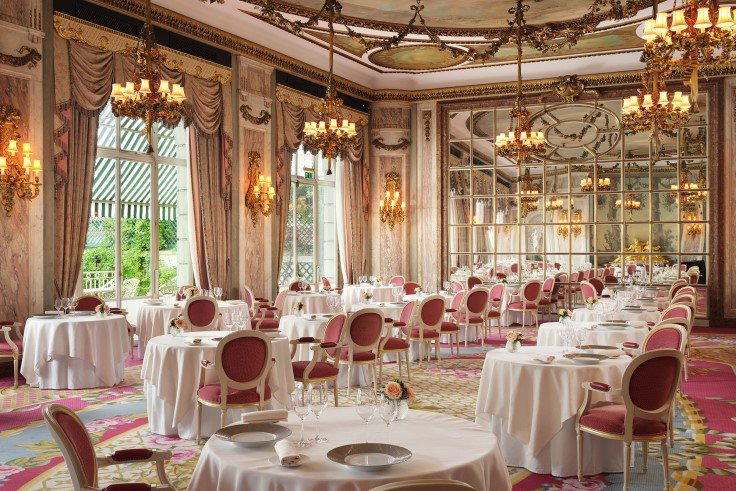
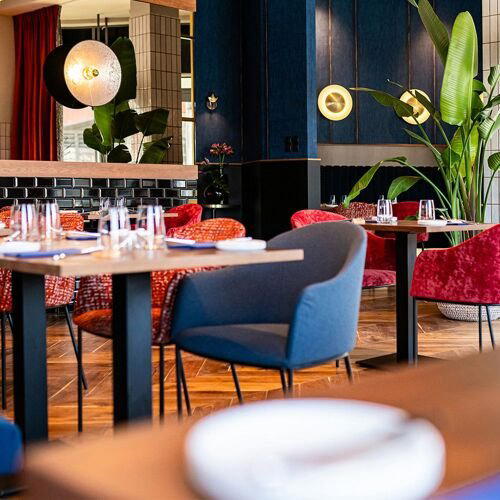
Warm lighting, wood scents, and modern design create an elegant yet relaxed atmosphere.