Motlava Restaurant occupies a converted shipyard address at Stara Stocznia 2/1, placing it inside Gdańsk's most architecturally charged dining corridor. Where many Gdańsk restaurants trade on the Old Town's amber-and-amber-brick aesthetic, Motlava draws its identity from the city's industrial waterfront heritage. It sits in a tier of postindustrial dining venues whose setting does as much editorial work as the kitchen.
Pearl is the En Primeur Club membership app — saves, bookings, and concierge access live there. Same editors, same standards.
- Address
- Stara Stocznia 2/1, 80-858 Gdańsk, Poland
- Phone
- +48587195100
- Website
- motlava.pl
- Directions
- Get directions
 Saves & bookings on Pearl
Where the Shipyard Meets the Table
Gdańsk's dining character has long been split between the dense, tourist-facing terraces of the Royal Way and a quieter, more architecturally interesting tier emerging from the postindustrial zones along the Motława river. The latter is where the more considered restaurants have been opening over the past decade, drawn by converted warehouse space, waterfront sightlines, and a guest who arrives with some intention rather than stumbling in from a walking tour. Motlava Restaurant is a casual Modern Polish restaurant in Gdańsk, recommended for reservations and priced around $25 per person. Motlava Restaurant, at Stara Stocznia 2/1, sits squarely in that second category. The Stara Stocznia address, old shipyard in Polish, is not incidental. It announces a setting that carries the weight of Gdańsk's twentieth-century industrial and political history, and that context shapes the atmosphere before the menu ever arrives.
The shipyard district is not a polished heritage precinct in the way that Kraków's Kazimierz has been redeveloped, nor does it carry the glossy international finish of Warsaw's riverfront. It is rawer, more contingent, and more interesting for it. Restaurants that open here are making an implicit editorial choice: they are betting that the setting will do work that a generic Old Town address cannot. That bet tends to attract a specific kind of diner, one less interested in the amber-souvenir economy and more interested in what the city actually is. For comparison, the approach of Arco by Paco Pérez in Gdańsk demonstrates how fine dining in the city can orient around destination-level ambition; Motlava's postindustrial address suggests a different orientation, one rooted in place rather than imported culinary pedigree.
Gdańsk's Restaurant Tiers in 2024
To place Motlava accurately, it helps to understand how Gdańsk's restaurant scene is currently stratified. At the upper end, a small cluster of venues pursues Michelin attention and international comparison. Below that sits a much larger mid-tier where address, setting, and kitchen confidence matter more than tasting menus or wine list depth. The Stara Stocznia corridor represents one of the more interesting zones in that mid-tier: the physical environment does competitive work that a standard city-centre dining room cannot replicate, and venues here compete partly on atmosphere and partly on how well they translate local ingredients and tradition into a format that feels current.
Across Poland, one interesting restaurant development of the past several years has happened in exactly these kinds of zones: industrial conversions, post-communist spaces repurposed for hospitality, and waterfront sites that were previously inaccessible. hub.praga in Warsaw represents the Warsaw version of this pattern. Muga in Poznań reflects Poznań's take on it. Gdańsk's shipyard district is the city's own answer to the same broader shift, and Motlava's address places it inside that national conversation.
Within Gdańsk specifically, the competitive set includes venues across different price points and formats. Billy's American Restaurant. and Billy's American Restaurants Chmielna occupy the casual, American-inflected register. Canis and Durga bring different culinary orientations to the city's more serious dining tier. Flisak '76 trades on historical character. Motlava's positioning in the old shipyard zone means it draws from a different source of identity than any of these, not cuisine-forward, not nostalgia-forward, but location-forward in a way that is increasingly competitive as the Stara Stocznia area continues to develop.
The Waterfront Dining Pattern in Poland's North
Coastal and waterfront dining in northern Poland operates under different expectations than in the interior cities. Gdańsk, Gdynia, and Sopot together form a dining corridor where seafood provenance, Baltic-influenced preparations, and proximity to the water carry genuine marketing weight. The Motława river is not open sea, but it is the artery that once made Gdańsk among the more important trading ports in northern Europe, and restaurants along it inherit that historical resonance whether they choose to foreground it or not.
The strongest waterfront restaurants in this part of Poland tend to anchor their menus in local catch and regional produce, using the setting as a frame for what is on the plate rather than a substitute for it. The Kashubian hinterland, which begins almost immediately west of the city, supplies game, freshwater fish, dairy, and foraged ingredients that the better Gdańsk kitchens have been integrating more deliberately over the past several years. This is the culinary logic that connects the address to the plate in one credible way, and it is the expectation a visitor arriving at a Stara Stocznia restaurant should bring with them. For a broader sense of how Polish regional dining is evolving at the summit tier, Bottiglieria 1881 Restaurant in Kraków offers a useful southern reference point, while Giewont in Kościelisko reflects the mountain region's distinct culinary character.
Planning a Visit
Motlava Restaurant is at Stara Stocznia 2/1, 80-858 Gdańsk. The Stara Stocznia complex is accessible from the city centre on foot, the Old Town is roughly a fifteen-minute walk along the riverfront, or by tram from the main railway station. The shipyard district is easiest to approach in the evening, when the industrial architecture reads at its most atmospheric and the tourist-heavy zones of the Royal Way have thinned out. As with most restaurants in the Stara Stocznia development, arriving with a reservation rather than on a walk-in basis reduces friction, particularly during the summer season when Gdańsk's visitor numbers are at their highest and the waterfront venues fill early. Checking the venue's own channels for current booking arrangements and hours is the practical first step.
A Tight Comparison
Comparable venues nearby, for context on price, style, and recognition.
| Venue | Cuisine | Price | Notes |
|---|---|---|---|
| Motlava RestaurantThis venue — the venue you are viewing | Brabank, Modern Polish | $$ | Not listed |
| La Cucina Ristorante | old town, Traditional Italian Trattoria | $$ | Not listed |
| Billy's American Restaurants Chmielna | Wyspa Spichrzów, American Grill | $$ | Not listed |
| Tawerna Pod Łososiem | Not listed | $$ | Sobieszewska Island, Traditional Polish & Seafood |
| Pierogarnia Mandu Gdańsk Oliwa | Oliwa, Polish Pierogi House | $$ | Not listed |
| Tygle | Wyspa Spichrzów, Modern Polish | $$$ | Not listed |
Continue exploring
More in Gdańsk
Restaurants in Gdańsk
Browse all →
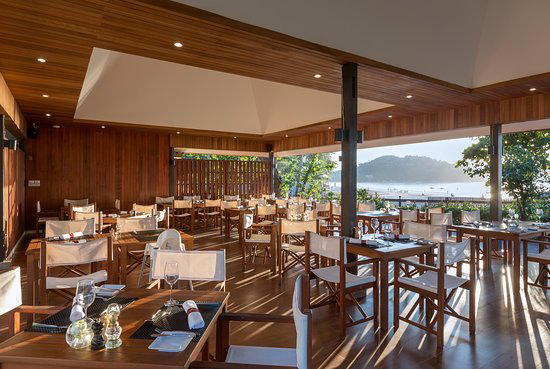
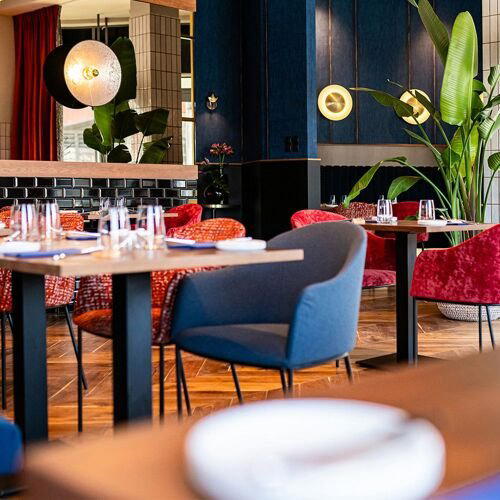
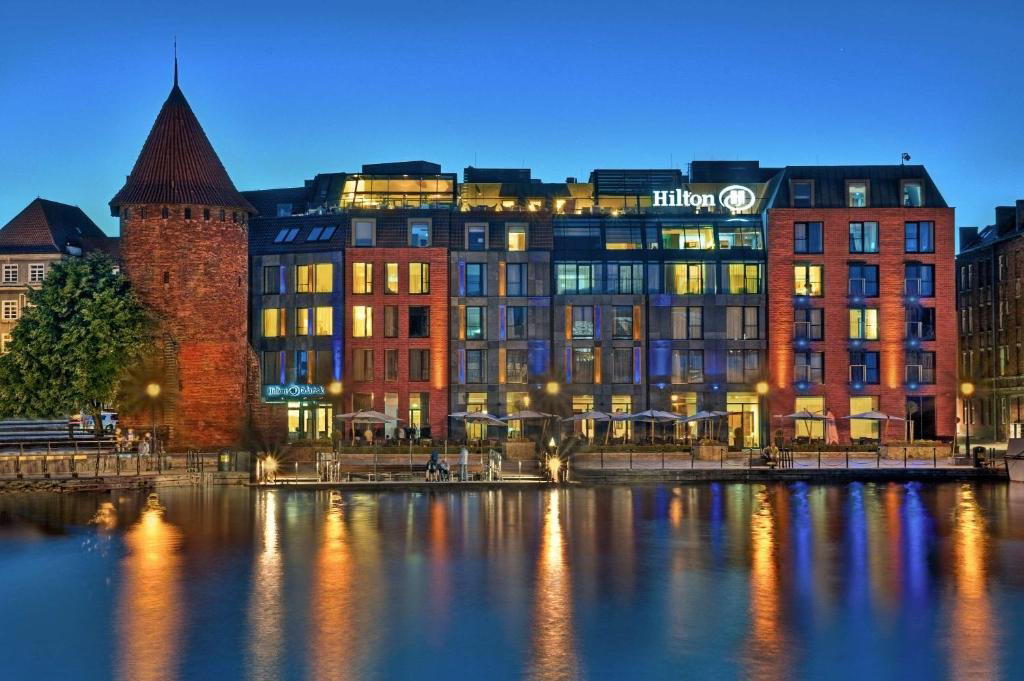
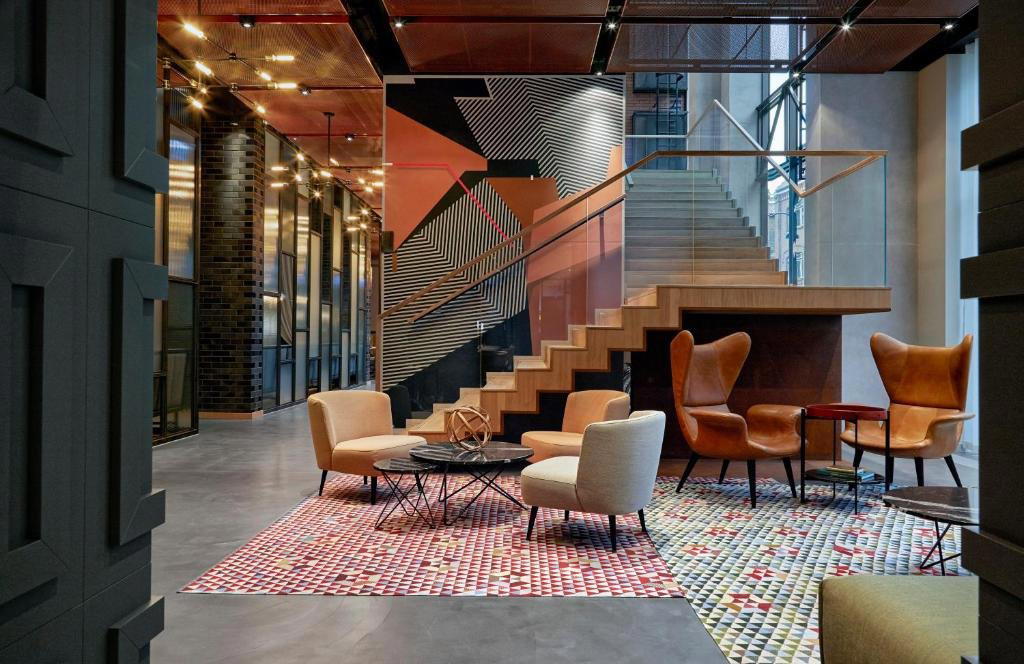
At a Glance
- Cozy
- Modern
- Classic
- Family
- Group Dining
- Casual Hangout
- Waterfront
- Private Dining
- Local Sourcing
- Waterfront
Current opening hours
- Monday
- 12–10 PM
- Tuesday
- 12–10 PM
- Wednesday
- 12–10 PM
- Thursday
- 12–10 PM
- Friday
- 12–11 PM
- Saturday
- 12–11 PM
- Sunday
- 12–10 PM
Hours can change for holidays and private events. Last verified .
Warm and friendly atmosphere with professional service in a cozy setting.