

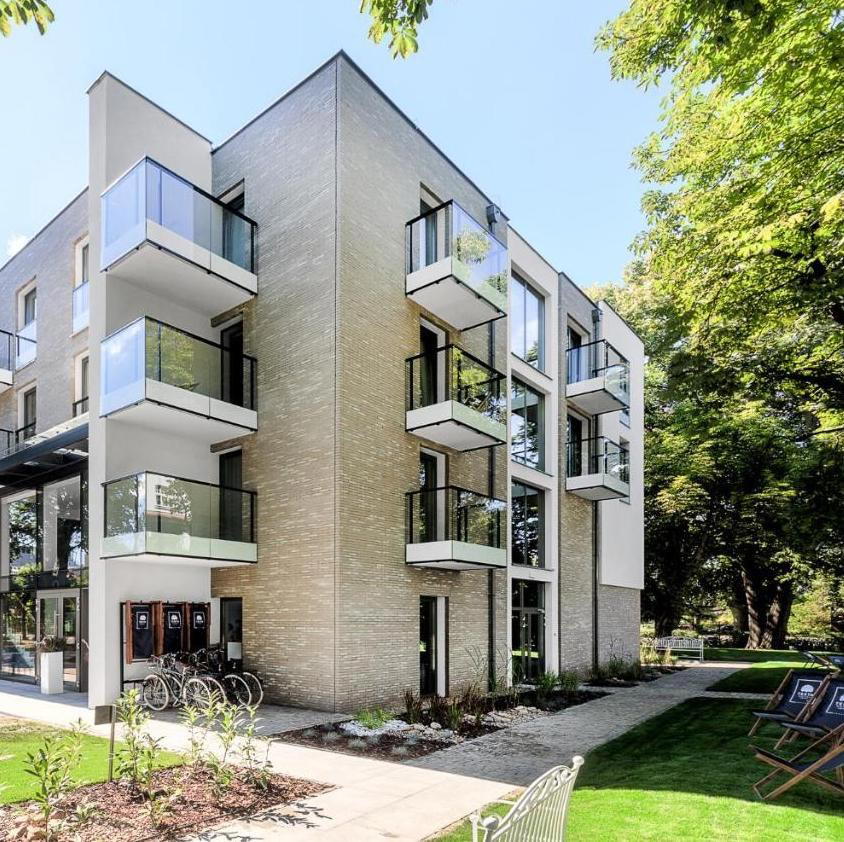
Part of the Great Hotels of the World collection, PURO Hotel Gdansk occupies a four-star position in the city's Stągiewna district with 211 rooms and six dedicated meeting spaces. The property sits within reach of Gdańsk's Old Town waterfront, making it a practical base for both leisure travellers and conference groups. Its scale and collection membership place it alongside mid-to-upper-tier city hotels in northern Poland.
Pearl is the En Primeur Club membership app — saves, bookings, and concierge access live there. Same editors, same standards.
- Address
- Stągiewna 26, 80-750 Gdańsk, Poland
- Phone
- +48 58 563 50 00
- Website
- purohotel.pl
- Directions
- Get directions
 Saves & bookings on Pearl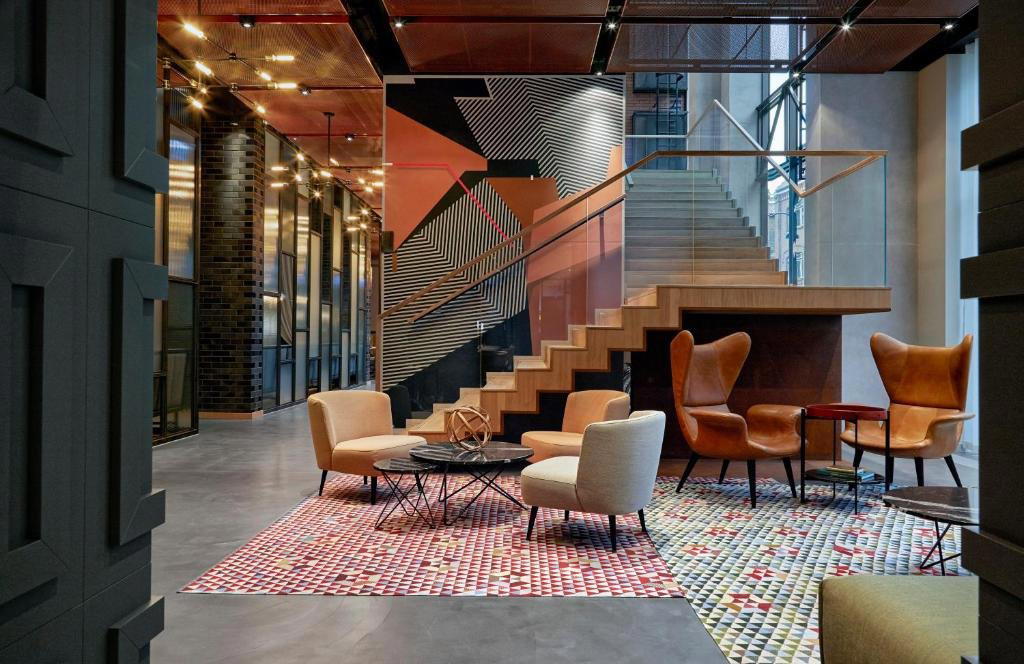
Where Gdańsk's Industrial Waterfront Meets Considered Hospitality
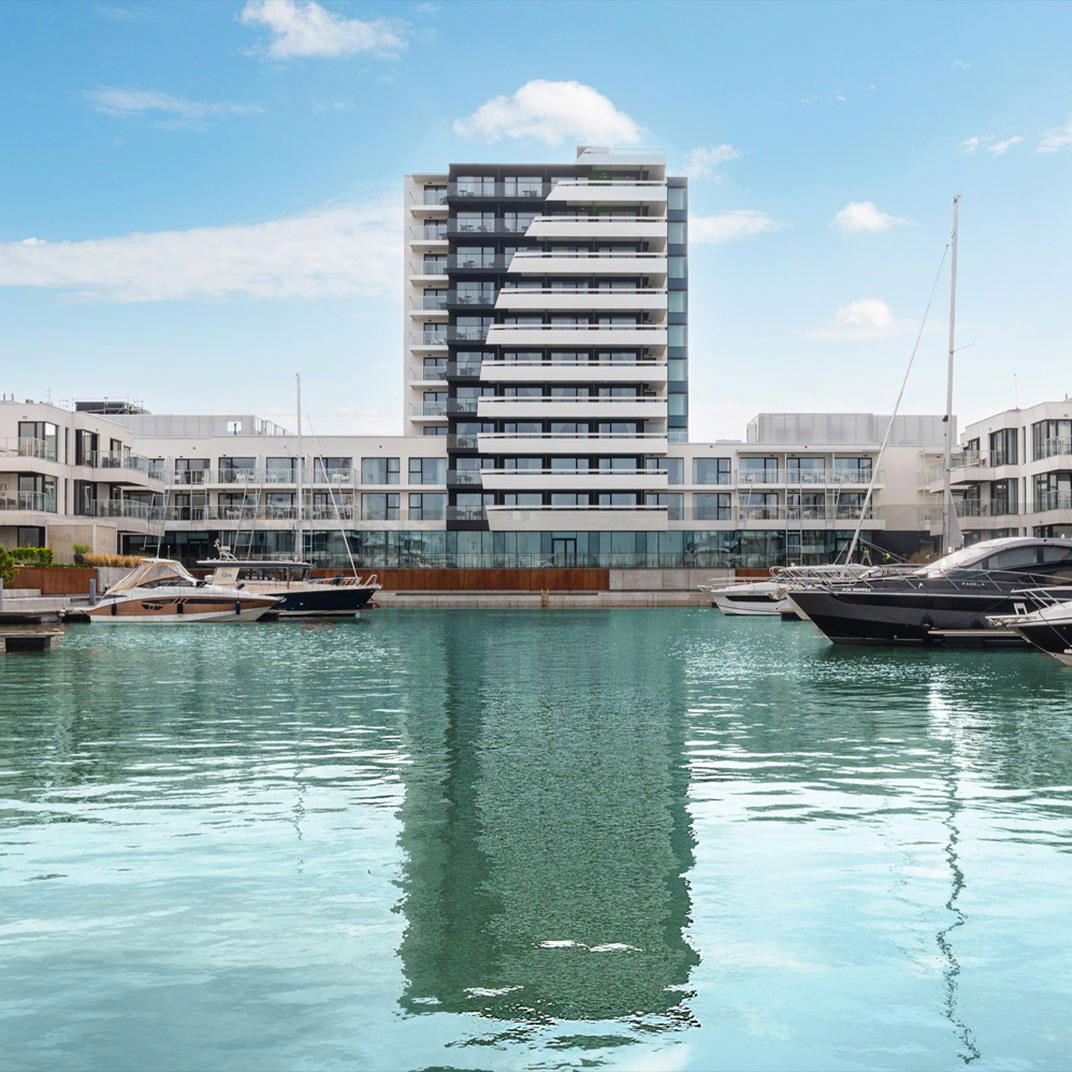
Stągiewna street runs along the edge of Gdańsk's old granary island, a district whose amber-coloured warehouse facades and cobbled quaysides have been steadily converting from post-industrial vacancy into one of the city's more compelling hotel corridors. PURO Hotel Gdansk sits at number 26, on a stretch where the Motława River curves close enough that water light moves across building walls through much of the day. Approaching on foot from the Green Gate or the Long Market, the surrounding architecture does the atmospheric work before you reach the door.
The Service Register: Anticipatory Without Ceremony
At 211 rooms, the property operates at a scale that sits between the tighter boutique tier, where every interaction is necessarily personal, and the large-volume international brand model, where standardisation replaces personalisation. That middle register, when managed well, tends to produce service that is responsive rather than scripted: staff who know the property's surroundings in genuine detail and can redirect a guest toward the right waterfront restaurant or the correct tram line without consulting a laminated card.
This approach to hospitality, where practical intelligence substitutes for ceremony, is one of the more reliable markers of well-run mid-to-upper-tier city hotels across northern Poland. Compare it with the convention at properties like Hilton Gdansk or Hotel Number One, where the service culture tracks more closely to international brand protocols. PURO's register is deliberately less armoured, and for guests who find formal hospitality rituals a friction rather than a comfort, that distinction is worth noting before booking.
Scale, Membership, and What They Signal
Membership of the Great Hotels of the World collection signals a verified standard of facilities, service consistency, and property condition. For those familiar with the brand from other Polish cities, the Gdańsk property sits alongside PURO Łódź Centrum and PURO Poznań as part of a consistent mid-scale design hotel offer that has grown its footprint across Polish regional cities over the past decade.
With 211 rooms and six meeting rooms capable of theatre-style seating up to 140, the property carries meaningful conference capacity for a four-star city hotel. That specification places it in the same competitive conversation as purpose-built conference hotels in Gdańsk's Oliwa business district, while its Old Town adjacency gives it an advantage in leisure-bleisure travel, where attendees extend trips into the weekend.
Gdańsk's Hotel Tier in Context
Gdańsk in particular benefited from inbound tourism growth tied to its Hanseatic heritage, amber trade history, and the political symbolism of the Solidarity movement's origins. Hotels along the Old Town waterfront now span from design-led boutique properties with under 30 keys to mid-scale operations like PURO and further up to the larger branded properties. The city's upper-mid tier, where PURO competes, has become more crowded, which means the differentiating factors have sharpened: location specificity, design coherence, and service quality at check-in and across the stay.
Further afield within Poland, the hotel tier represented by PURO Gdansk sits in the same general register as properties such as Hotel Stary in Krakow, Copernicus Toruń Hotel in Torun, and Hotel Altus Palace in Wrocław, all of which occupy historically sensitive locations in Polish cities and pitch their offer at the upper-mid to four-star segment. Those looking at resort and wellness formats in the broader region might consider Bachleda Residence Zakopane in Zakopane, Jaskolka Dom i SPA in Szklarska Poręba, or Pałac Ciekocinko Hotel Resort and Wellness in Ciekocinko.
Planning Your Stay
Gdańsk draws its heaviest leisure traffic between June and August, when Baltic summer weather and the city's outdoor cultural programme overlap. Conference demand runs across the autumn calendar, particularly September and October, when the Tri-City business corridor hosts its most active event season. Guests arriving for a conference who want a room without Old Town street noise should request accommodation on upper floors facing the interior courtyard where available. The address at Stągiewna 26 places the hotel within a 10 to 15-minute walk of the Royal Way and the main amber market streets, and within a short taxi or tram ride of the European Solidarity Centre, which is among the city's strongest cultural draws.
Among other hotels in the Polish urban market that have adopted comparable positioning strategies, H15 Boutique Hotel in Warsaw, Hotel Monopol Katowice, Likus Hotels in Katowice, and HOTEL GLAR CONFERENCE and SPA in Świnoujście each occupy a similar mid-upper niche in their respective cities, with the last offering Baltic coastal access of a different character to Gdańsk's Old Town setting.
Cuisine and Awards Snapshot
Comparable venues nearby, for context on price, style, and recognition.
| Venue | Cuisine | Price | Awards | Notes |
|---|---|---|---|---|
| PURO Hotel GdanskThis venue — the venue you are viewing | contemporary urban design hotel | $$$ | 4-Star | Not listed |
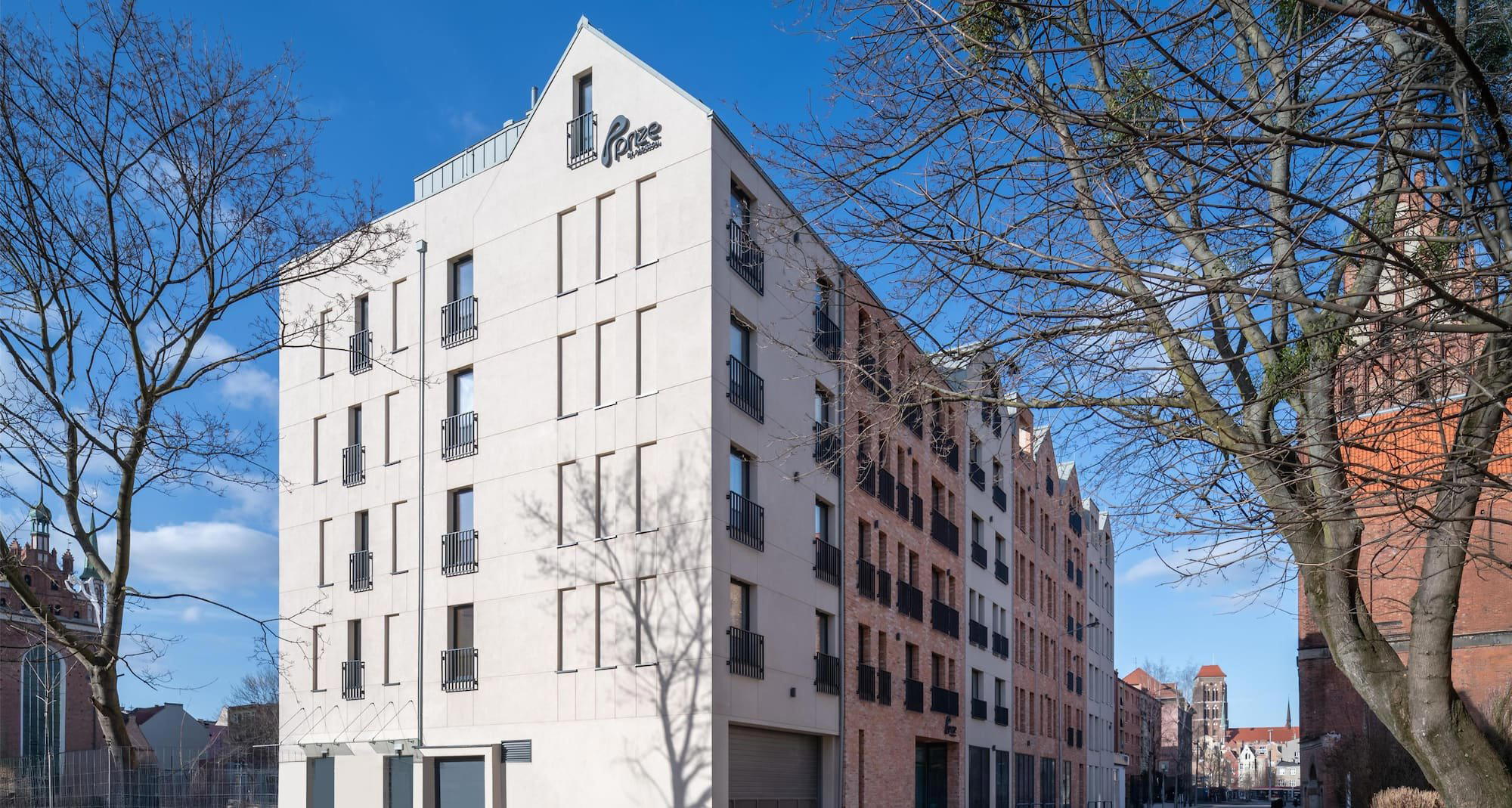
| Prize by Radisson, Gdańsk | Midscale, city-center lifestyle hotel focused on value, comfort, and stylish common areas. | $$ | 3-Star | Gdansk City Center |
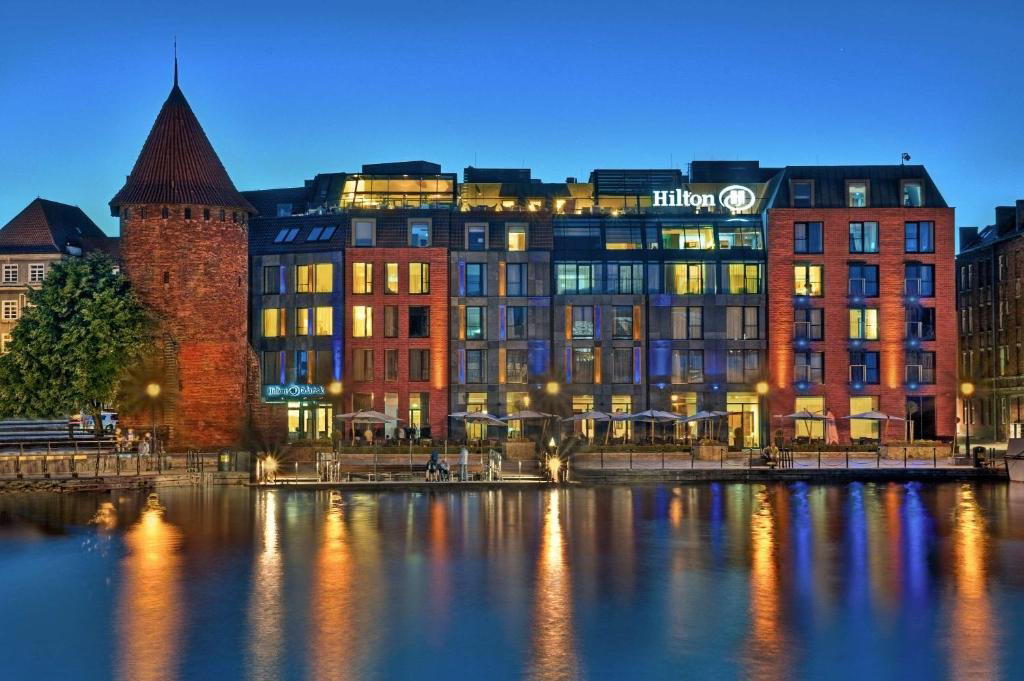
| Hilton Gdansk | Contemporary design blending modern architecture with medieval Gdansk historic context | $$$ | 5-Star | Old Town |
| Hotel Number One | Modern urban hotel with designer interiors on historic Granary Island. | $$ | 3-Star | Granary Island |
| Stary Niedźwiedź | Mountain chalet with contemporary boutique design | $$$ | 4-Star | Strazyska |
| Szczawnica Park Resort & Spa | Chalet-style mountain resort with three distinct properties blending modern design with regional character and spa heritage traditions. | $$$ | 5-Star | Pieniny Mountains |
Recognition history
Dated appearances from independent guides and award organizations, with the underlying list record or original source where available.
Great Hotels of the World GHOTW Collection Member
Great Hotels of the World
Michelin Selected
Michelin
At a Glance
- Modern
- Trendy
- Minimalist
- Romantic Getaway
- Business Trip
- Weekend Escape
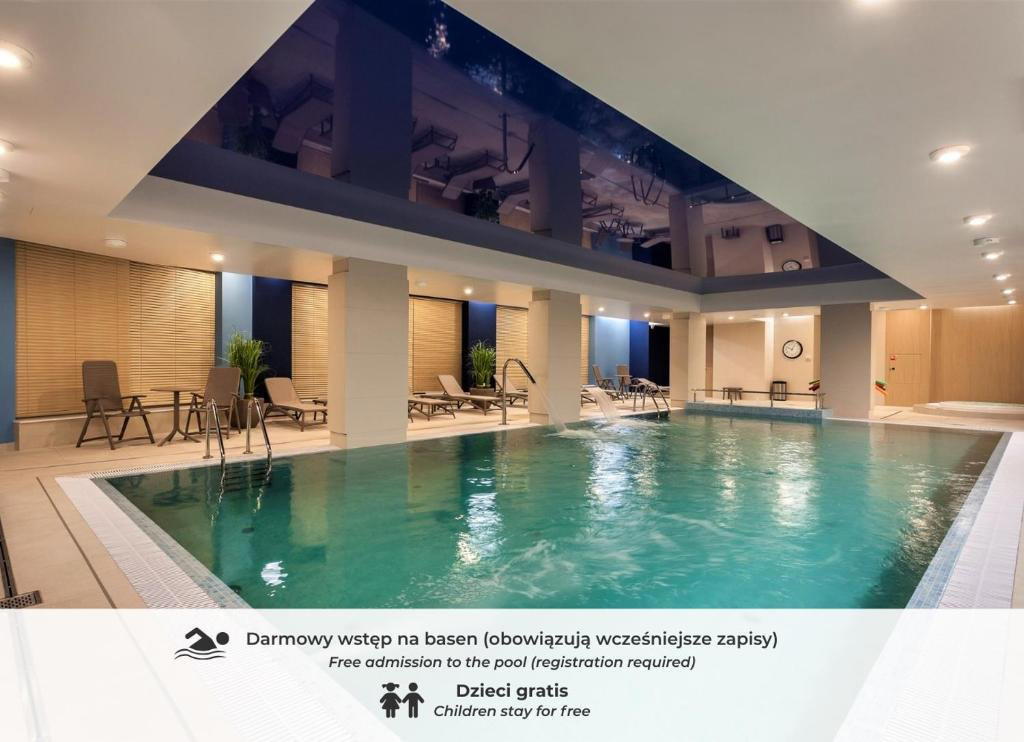
- Rooftop Pool
- Historic Building
- Design Destination
- Terrace
- Wi Fi
- Spa
- Fitness Center
- Room Service
- Concierge
- Waterfront
- Street Scene
- Wi Fi
- Spa
- Fitness Center
- Room Service
- Concierge
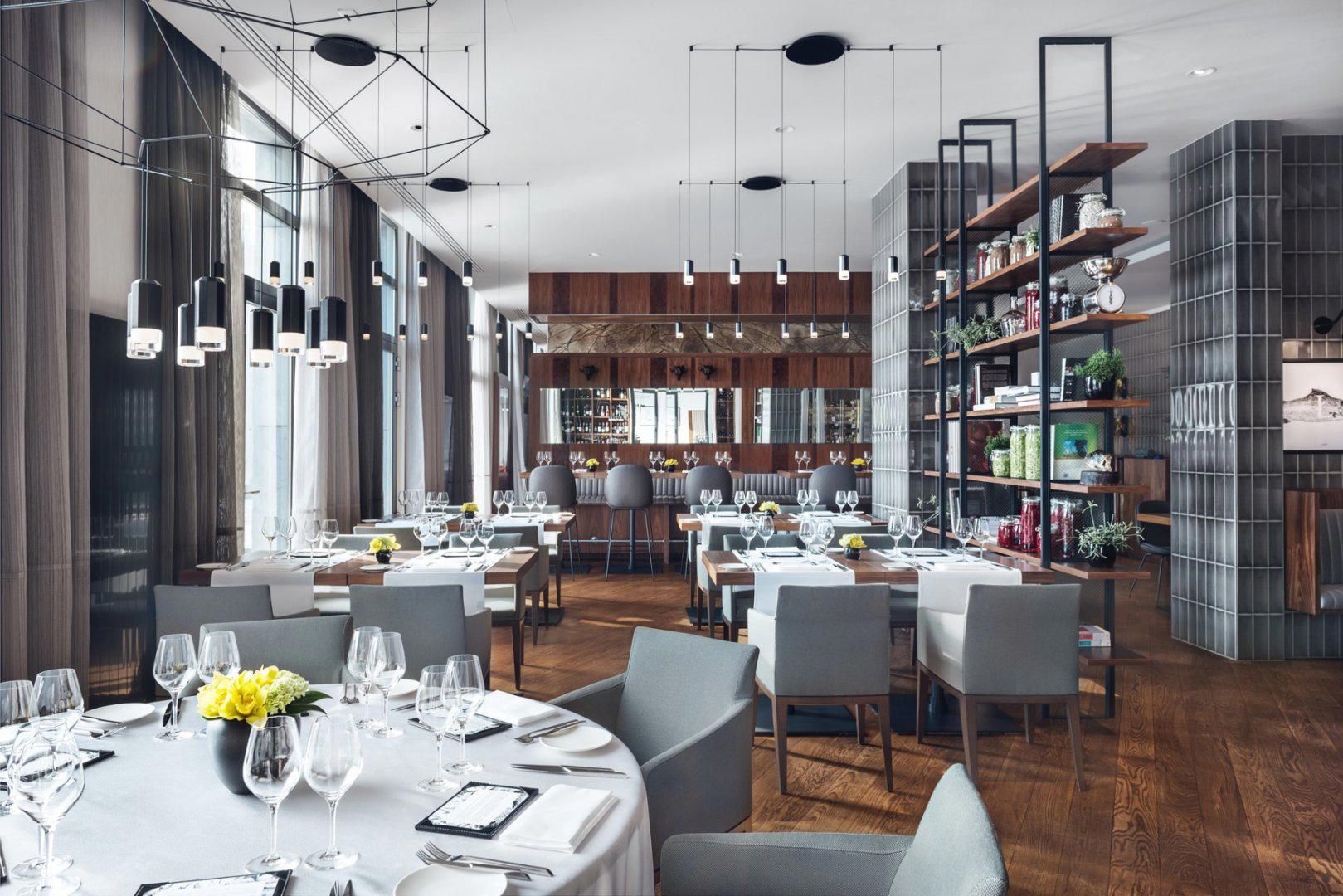
Hyper modern and stylish with cozy, relaxing atmosphere, polished cleanliness, and tech-forward features like ambient-controllable lighting.