Our verdict
A Rovigo institution since 1936, Tavernetta Dante occupies a prominent address on Corso del Popolo and draws on decades of continuity in the Veneto dining tradition. The kitchen holds to the kind of regional cooking that predates the modern trattoria revival, unglamorous, precise, and deeply local. For travellers passing through the Po Delta, it sits in a different register from the destination restaurants of the broader Veneto circuit.

Pearl is the En Primeur Club membership app, where members save venues, book tables and use the concierge.

The menu
What to order
- Spaghetti with clams
- Roasted eel with polenta
- Snails bourguignonne
Rovigo's Longest Table
Corso del Popolo is Rovigo's civic spine, the kind of broad, colonnade-lined corso that functions as both promenade and municipal backbone in provincial Veneto towns. At number 212, Tavernetta Dante has occupied that address since 1936, which means it predates the postwar reconstruction of Italian restaurant culture, the trattoria revival of the 1980s, and every subsequent wave of culinary rebranding that has reshaped how Italians eat out. That kind of continuity is not sentiment. In a country where dining establishments routinely trade on heritage, longevity that actually traces to a pre-war opening is a different category of claim.
Rovigo itself is undervisited by the standards of its neighbours. Padua is forty minutes northwest by train, Ferrara sits across the Po to the south, and Venice draws the regional tourist weight entirely. That positioning leaves Rovigo in a curious place: close enough to the Veneto's serious dining circuit to be aware of it, far enough from the prestige corridors to operate on entirely different terms. The restaurants here feed the town, not the guidebook.
What the Veneto Table Looks Like at This Level
The cooking tradition that Tavernetta Dante sits within is one of the most coherent regional cuisines in northern Italy. The Veneto runs from the Dolomites to the Adriatic, and the food shifts accordingly: polenta and game in the north, cured meats and legumes in the agricultural plains, and freshwater fish from the Po Delta and its lagoons as you move south toward Rovigo. This southern reach of the Veneto is less documented than the Verona or Vicenza tables, but it produces a distinct larder, eels, carp, and tench from the Po Delta waterways, plus the white asparagus of Cologna Veneta and the radicchio varieties that define the region's winter table.
Provincial tavernette of this vintage typically operate as the custodians of that local larder rather than as interpreters of it. The distinction matters: the interpreter rewrites, whereas the custodian transmits. Restaurants of Tavernetta Dante's age and address tend toward the latter mode, producing food that references a specific geography and season rather than a chef's individual reading of them. That is neither a limitation nor a virtue in itself; it is simply the operating logic of a certain kind of Italian eating house, and it is the context in which this kitchen should be understood.
For the kind of destination-restaurant experience associated with the broader Veneto circuit, the reference points are elsewhere: Le Calandre in Rubano sits at the progressive end of Padovano cooking, while Casa Perbellini 12 Apostoli in Verona represents Veronese tradition reformulated for a contemporary audience. Tavernetta Dante operates in a different register entirely, one defined by proximity to local supply and the expectations of a regular clientele rather than a travelling one.
The Provincial Dining Tradition in Context
Italy's serious food culture has always had two parallel tracks. One track runs through the destinations that attract Michelin inspectors, 50 Best voters, and international food press: Osteria Francescana in Modena, Dal Pescatore in Runate, Enoteca Pinchiorri in Florence. The other track runs through the provincial institutions that predate the concept of destination dining entirely and have no particular interest in it. Both tracks are legitimate expressions of Italian food culture; they simply have different ambitions and different audiences.
Tavernetta Dante belongs to the second track. A founding date of 1936 places it in the era before Italian restaurant dining had fully separated from domestic cooking in the way it would after the economic miracle of the 1950s and 1960s. The tavernette and osterie of that period drew their identity from the local table, not from the professional kitchen as a distinct creative space. That inheritance shapes how an establishment like this is leading approached: as an archive of a particular place and moment, rather than as a vehicle for culinary ambition in the contemporary sense.
Rovigo's broader dining offer reflects the town's scale. Prosciuttiamo and Trani - Osteria represent different angles on the local eating scene, and the full picture of where to eat in the city is worth consulting in our full Rovigo restaurants guide.
Planning a Visit
Rovigo is on the Venice-Bologna rail line, making it accessible without a car from either city in under an hour. Corso del Popolo runs through the historic centre and is walkable from the station. For visitors using Tavernetta Dante as part of a broader Veneto itinerary, the logical pairings are Padua to the north and Ferrara to the south rather than Venice, which sits at a different scale and pace.
Travellers whose itinerary extends to Italy's documented fine-dining circuit will find points of contrast worth considering: Uliassi in Senigallia and Quattro Passi in Marina del Cantone both sit in the coastal tradition that shares some DNA with the Po Delta larder, while Atelier Moessmer Norbert Niederkofler in Brunico, Piazza Duomo in Alba, Reale in Castel di Sangro, Da Vittorio in Brusaporto, Enrico Bartolini in Milan, La Pergola in Rome, Le Bernardin in New York City, and Atomix in New York City occupy the refined end of the international circuit for those building a broader trip around serious eating.
Frequently asked questions
Where exactly is Tavernetta Dante 1936?
Tavernetta Dante 1936 is located at Corso del Popolo, 212, 45100 Rovigo RO, Italy, Rovigo.
How old is Tavernetta Dante and what does its founding year mean for diners visiting Rovigo today?
Tavernetta Dante opened in 1936, making it nearly nine decades old, a lifespan that covers the entire arc of modern Italian dining history, from pre-war provincial cooking through the postwar trattoria era to the present. For a visitor arriving via the Venice-Bologna rail line at Rovigo, it represents one of the few dining addresses in the city with a documented pre-war continuity. That founding date is the single verifiable anchor in the Rovigo food scene and the reason the restaurant appears on any serious itinerary of the southern Veneto.
Is Tavernetta Dante 1936 reservation-only?
At Corso del Popolo, 212 in Rovigo, a provincial tavernetta with roots going back to 1936 would almost certainly take reservations, and for weekend lunch or dinner, calling ahead is the standard practice for establishments of this type in the region. Contact details are not currently listed, so checking locally or via recent travel forums is advisable before visiting.
What has Tavernetta Dante 1936 built its reputation on?
The founding year of 1936 is the primary credential here, placing Tavernetta Dante among a small number of Italian dining rooms that predate the postwar restaurant boom and have held a continuous address on Rovigo's main corso through decades of economic and cultural change. That longevity on Corso del Popolo, the civic centre of the city, signals a local institutional standing that no award or media cycle can replicate. No Michelin stars or 50 Best citations are recorded, but in provincial Italy that track record of continuity carries its own authority.
Budget and Context
Comparable venues nearby, for context on price, style, and recognition.
| Venue | Cuisine | Price | Awards | Notes |
|---|---|---|---|---|
| Tavernetta Dante 1936This venue (the venue you are viewing) | Traditional Veneto Trattoria | Not listed | Not listed | Not listed |
| Trani - Osteria | Modern Venetian Osteria & Burgers | $20–30 | Not listed | center, Modern Venetian Osteria & Burgers |
| Prosciuttiamo | Traditional Italian Polesine Trattoria | $20–30 | Not listed | Centro, Traditional Italian Polesine Trattoria |
| Ristorante Cencio | Traditional Italian Trattoria | $50–100 | Not listed | Montegrotto Terme, Traditional Italian Trattoria |
| Ristorante da Cherubino | Traditional Venetian Trattoria | $30–50 | Not listed | San Marco, Traditional Venetian Trattoria |
| Acqua & Farina | Modern Neapolitan Pizza | Not listed | 50 Top Pizza Italia #100 | Viale Crispi, Modern Neapolitan Pizza |
Continue exploring
More in Rovigo
Restaurants in Rovigo
All restaurants in Rovigo →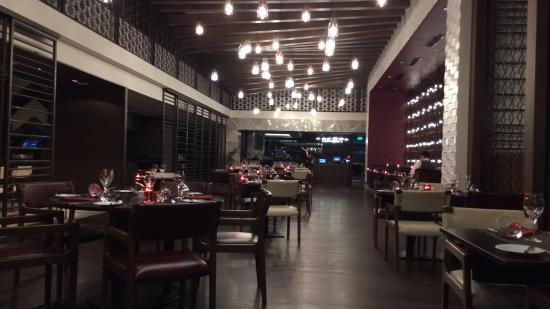

Hotels in Rovigo
Browse all →


Details
- Classic
- Cozy
- Rustic
- Historic
- Date Night
- Family
- Casual Hangout
- Historic Building
- Extensive Wine List
- Local Sourcing
- A La Carte
- Veneto Wines
- Vegetarian Friendly
- Vegan Options
- Gluten Free Options
Current opening hours
- Monday
- Closed
- Tuesday
- 12–3 PM, 7–10:30 PM
- Wednesday
- 12–3 PM, 7–10:30 PM
- Thursday
- 12–3 PM, 7–10:30 PM
- Friday
- 12–3 PM, 7–10:30 PM
- Saturday
- 12–3 PM, 7–10:30 PM
- Sunday
- 12–3 PM
Hours can change for holidays and private events. Hours as of .
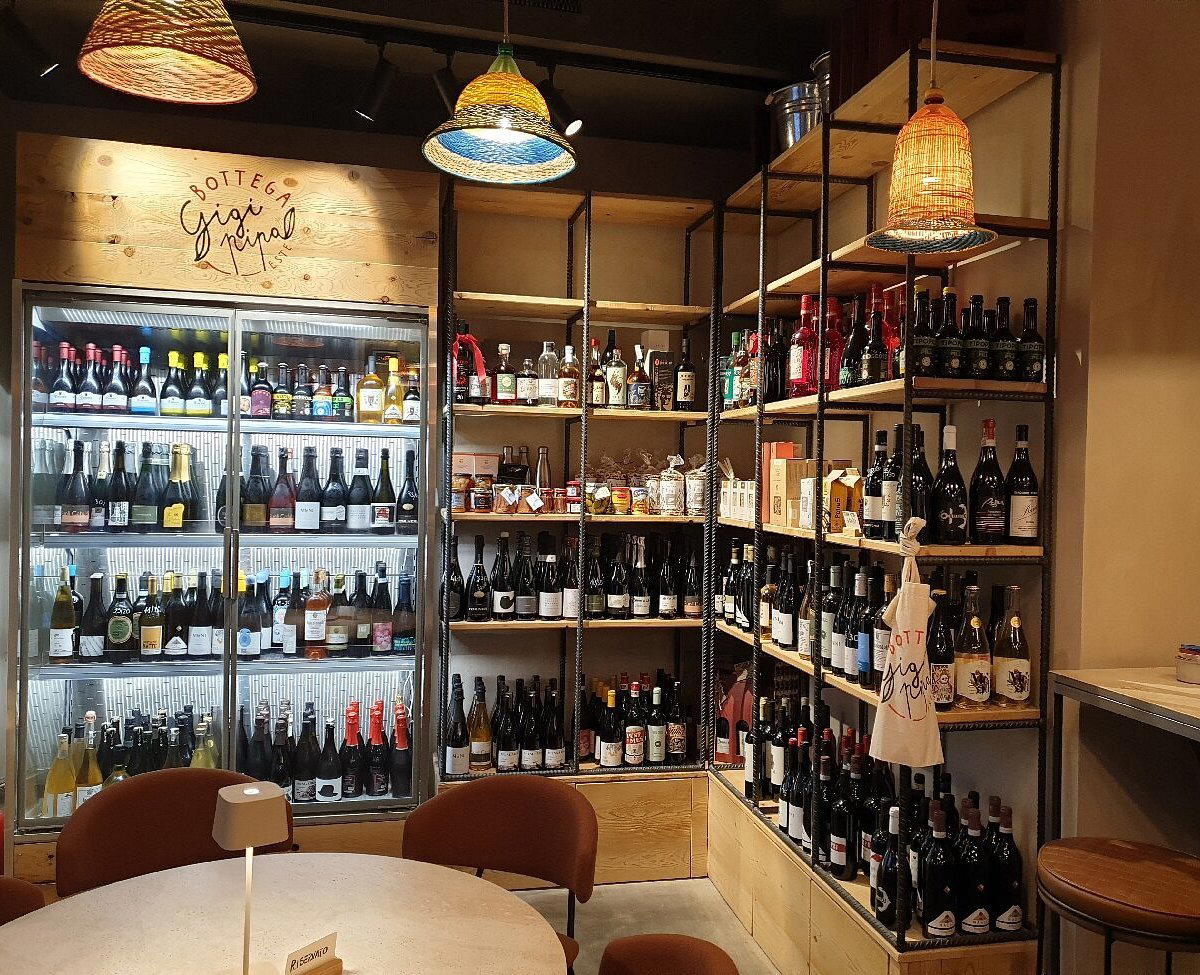
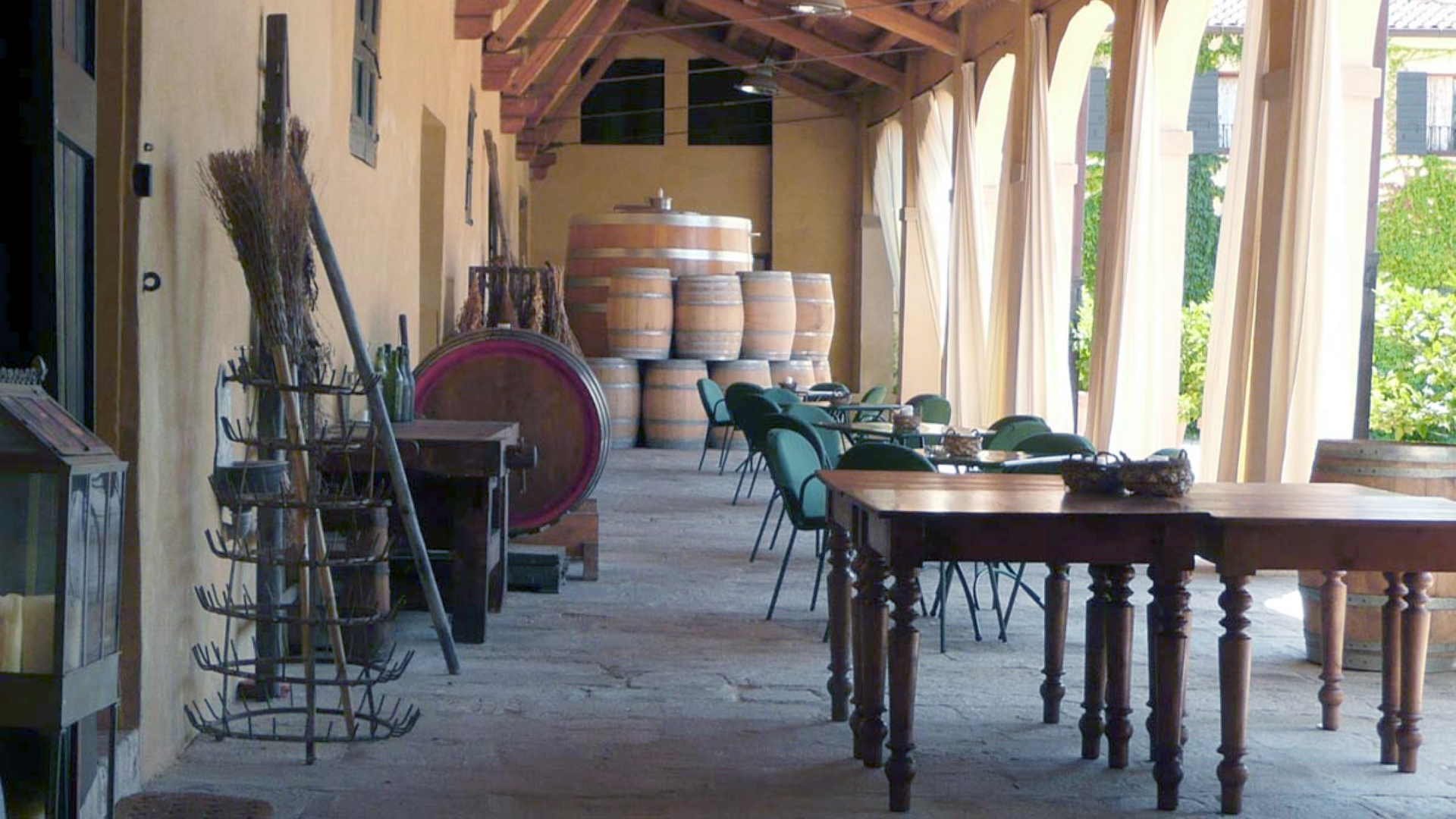
Warm and welcoming historic atmosphere with wooden counter, wine shelves, and traditional aesthetics evoking homey Venetian charm.