An osteria on Via Cavour in central Rovigo, Trani sits within the Italian tradition of neighbourhood dining rooms where the pace of the meal is as considered as the food itself. Rovigo's dining scene rewards patience over spectacle, and Trani fits that register: a local address for those who prefer the rhythm of a long table over a curated tasting format.
Pearl is the En Primeur Club membership app — saves, bookings, and concierge access live there. Same editors, same standards.
- Address
- Via Camillo Benso Conte di Cavour, 30, 45100 Rovigo RO, Italy
- Phone
- +393942525109
- Website
- osteriaaitrani.it
- Directions
- Get directions
 Saves & bookings on Pearl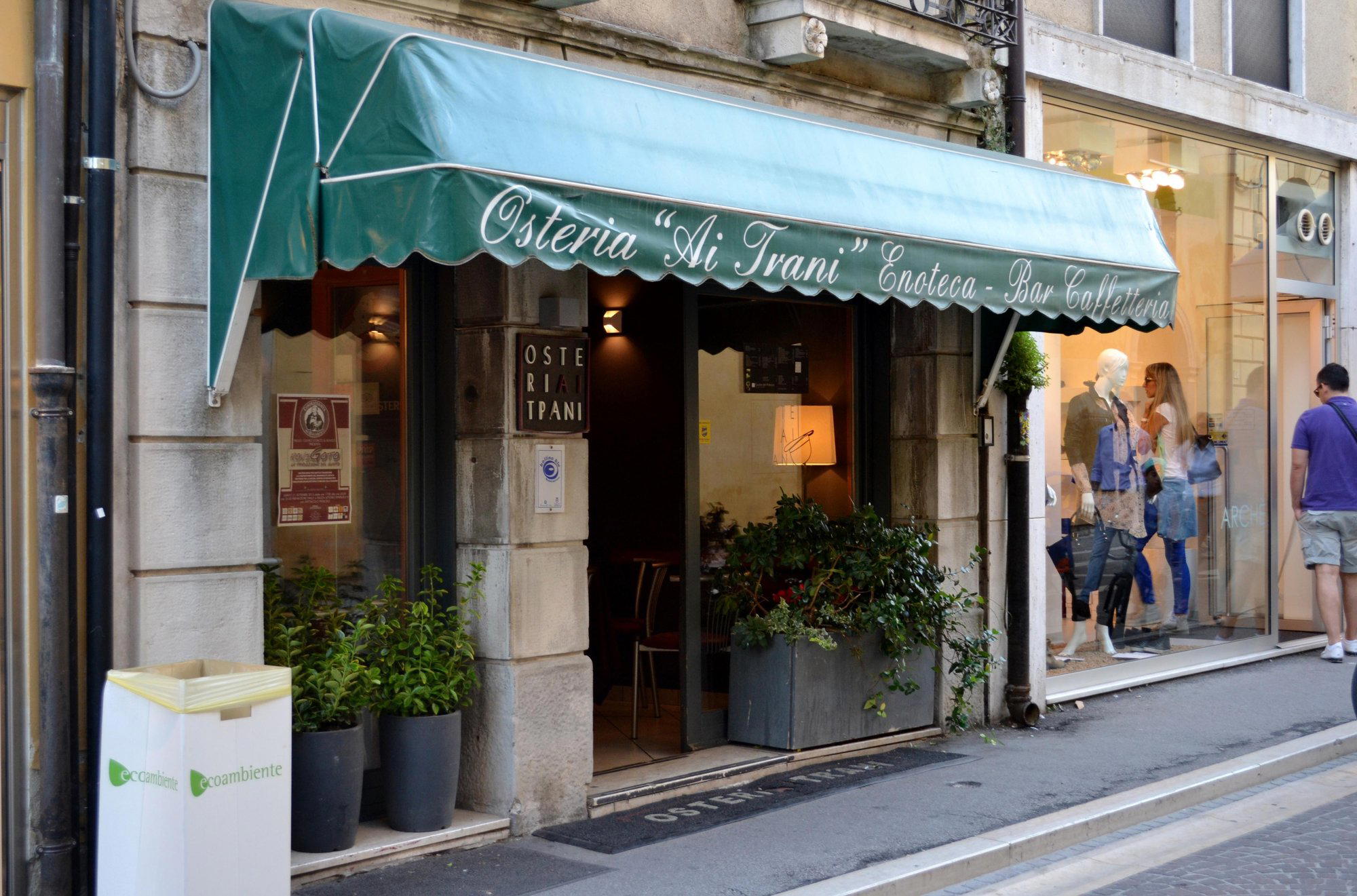
The Ritual of the Rovigo Table
There is a particular kind of Italian dining room that resists the logic of destination restaurants. It does not court comparison with Osteria Francescana in Modena or Le Calandre in Rubano. It does not position itself against the tasting-menu formalism of Enoteca Pinchiorri in Florence or the creative ambition of Enrico Bartolini in Milan. Instead, it operates on a different set of priorities: the familiarity of a regular clientele, a menu that follows the market rather than a chef's signature, and a pace that allows conversation to outlast the plates. Trani - Osteria, on Via Camillo Benso Conte di Cavour in Rovigo, belongs to this tradition.
Rovigo itself is the kind of provincial city that Italy does quietly and well. Capital of its own province in the Veneto, it sits between Padua and Ferrara in the Po Delta lowlands, a geography that has historically produced its own cooking logic: river fish, game, polenta in its many forms, and the braised meats that make sense in this flat, cold-winter landscape. The city does not draw food tourists the way Verona or Modena do, and that, for local residents, is precisely the point. Dining in Rovigo means dining for Rovigo.
What the Osteria Format Demands
The osteria category in Italy carries specific expectations. It implies a room that prioritises substance over setting, a wine approach that leans on the region rather than the cellar trophy, and service that treats regulars differently from first-timers without making the latter feel unwelcome. At its leading, the osteria format produces the kind of meal that high-end tasting rooms elsewhere spend considerable effort trying to approximate: food that tastes like somewhere specific, eaten at a pace set by the guests rather than the kitchen's turning schedule.
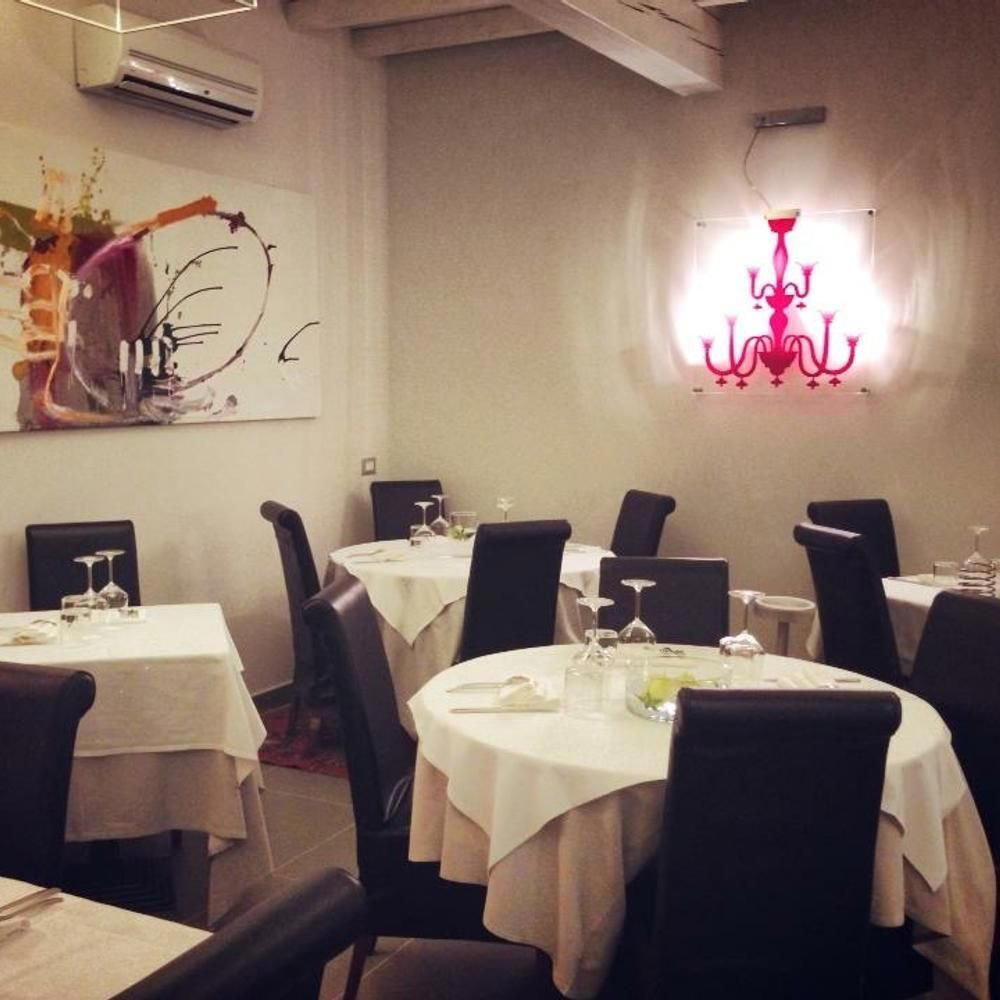
Trani sits on one of Rovigo's central streets, a location that places it within walking distance of the city's main civic spaces. The address on Via Cavour is telling in itself: these are typically the commercial and institutional arteries of Italian provincial towns, the streets where the old trades and social routines of the city still leave some trace. An osteria in this position serves a clientele that ranges from working lunches to multi-generational Sunday tables, and the room's character is shaped by both.
For diners accustomed to the choreography of restaurants like Piazza Duomo in Alba or Dal Pescatore in Runate, the shift in register requires a conscious adjustment. Courses arrive in the order the diner selects them, not in the order the kitchen prescribes. This is not a lesser experience; it is a different discipline, one that requires the guest to pace themselves and make decisions rather than submit to a predetermined sequence.
The Veneto Table and Its Conventions
The broader regional context matters here. Veneto dining has two parallel traditions that rarely overlap: the modernist creativity of restaurants like Casa Perbellini 12 Apostoli in Verona, and the deeply conservative osteria culture that persists across the province's smaller cities and rural towns. The latter category rarely earns column inches in international food media, but it is where the majority of Veneto residents eat when they eat well. Polenta, baccalà, risotto with seasonal vegetables, braised meats in local wine: these are not dishes that photograph dramatically, but they represent the actual dietary culture of the region in a way that creative tasting menus do not.
In the Po Delta specifically, proximity to the river and the lagoon has historically shaped what appears on the table. River fish traditions here differ from the Adriatic-focused seafood of Uliassi in Senigallia or the coastal emphasis of Quattro Passi in Marina del Cantone. The cooking of this inland delta zone has its own logic, grounded in what the landscape produces rather than what the import market makes available.
Placing Trani in Rovigo's Dining Scene
Rovigo's restaurant offering is modest by the standards of larger Veneto cities, which means the few well-regarded neighbourhood addresses carry more weight than they might in a more competitive market. Prosciuttiamo and Tavernetta Dante 1936 represent different points in the local dining spectrum, and Trani occupies its own position within that compact field.
The osteria model also means that comparisons with Michelin-registered restaurants in the region are largely beside the point. The relevant comparable set is not Atelier Moessmer Norbert Niederkofler in Brunico or Reale in Castel di Sangro; those restaurants operate on entirely different terms of engagement. Trani's comparable set is the other osterie and trattorie of the Veneto interior, and within that frame, a central location and a consistent local following are the meaningful indicators of quality.
Planning a Visit
Rovigo is accessible by rail from Padua in under thirty minutes and from Venice in approximately one hour, placing it within comfortable day-trip range of both cities. The Via Cavour address is a short walk from Rovigo's train station and the central Piazza Vittorio Emanuele II, which simplifies the logistics for visitors arriving without a car. As with most osterie of this type, booking ahead is advisable for weekend lunches and dinners, when local demand is highest. Hours are Mon: 12–2 PM, 6 PM–2 AM; Tue: 12–3 PM, 6 PM–2 AM; Wed: Closed; Thu: 12–2 PM, 6 PM–2 AM; Fri: 12–2 PM, 6 PM–2 AM; Sat: 12–2 PM, 6 PM–2 AM; Sun: 12–3 PM, 6 PM–12 AM. Reservations are recommended. Dress code expectations at this category of restaurant tend toward the presentable rather than the formal. Reservations are recommended, and the smart casual dress code suits the room's practical, local rhythm.
Where It Fits
Comparable venues nearby, for context on price, style, and recognition.
| Venue | Cuisine | Price | Notes |
|---|---|---|---|
| Trani - OsteriaThis venue — the venue you are viewing | Modern Venetian Osteria & Burgers | $$ | Not listed |
| Prosciuttiamo | Traditional Italian Polesine Trattoria | $$ | Centro |
| Tavernetta Dante 1936 | Traditional Veneto Trattoria | $$ | Corso del Popolo |
| Sengiari | Modern Italian Agriturismo | $$ | Teolo |
| Ristorante da Cherubino | Traditional Venetian Trattoria | $$ | San Marco |
| Gelateria La Romana | Artisanal Italian Gelato | $$ | Sallustiano |


At a Glance
- Cozy
- Rustic
- Elegant
- Date Night
- Casual Hangout
- Open Kitchen
- Craft Cocktails
- Street Scene
Current opening hours
- Monday
- 12–2 PM, 6 PM–2 AM
- Tuesday
- 12–3 PM, 6 PM–2 AM
- Wednesday
- Closed
- Thursday
- 12–2 PM, 6 PM–2 AM
- Friday
- 12–2 PM, 6 PM–2 AM
- Saturday
- 12–2 PM, 6 PM–2 AM
- Sunday
- 12–3 PM, 6 PM–12 AM
Hours can change for holidays and private events. Last verified .
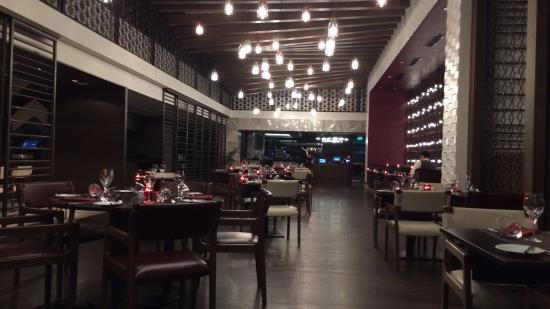
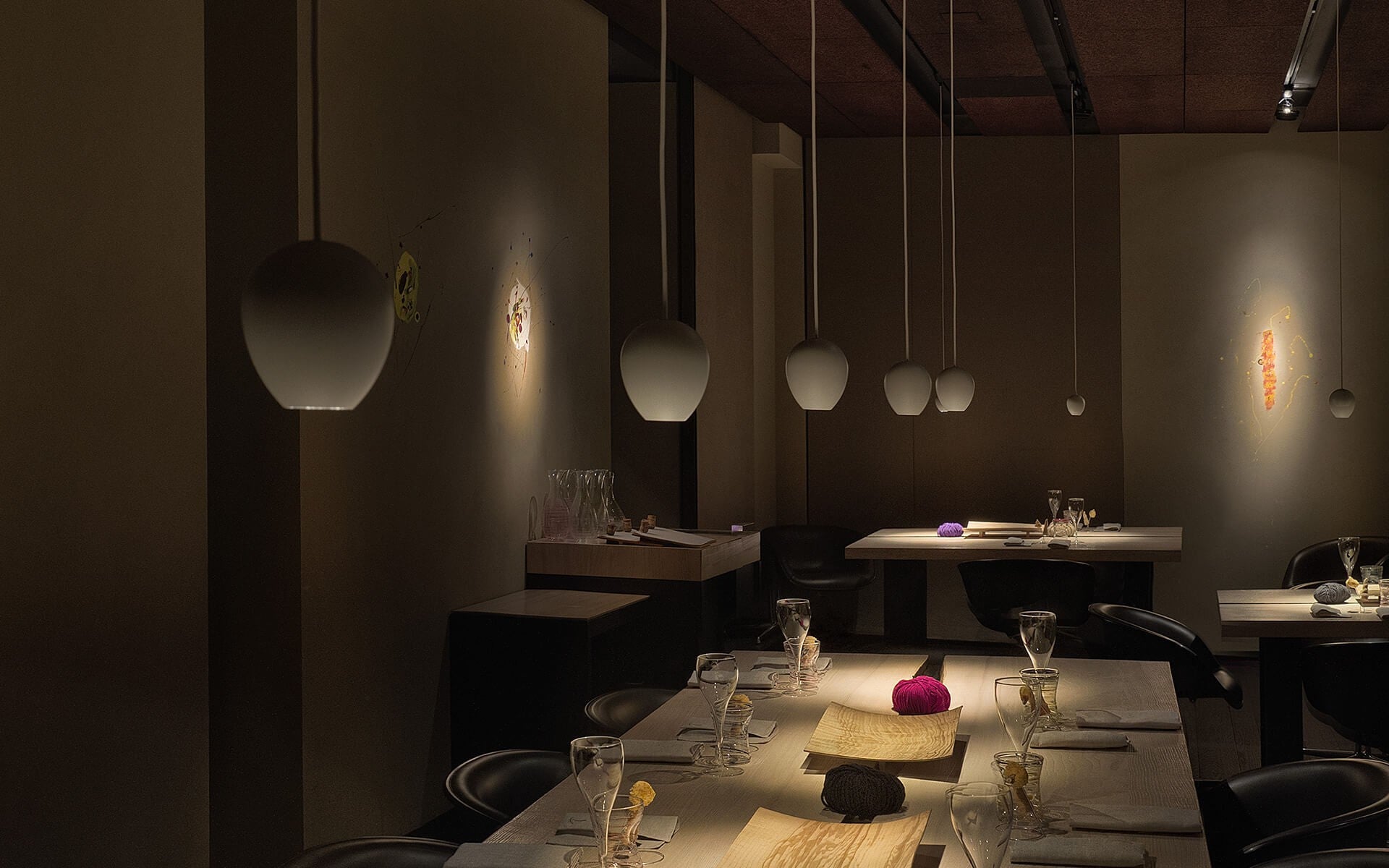
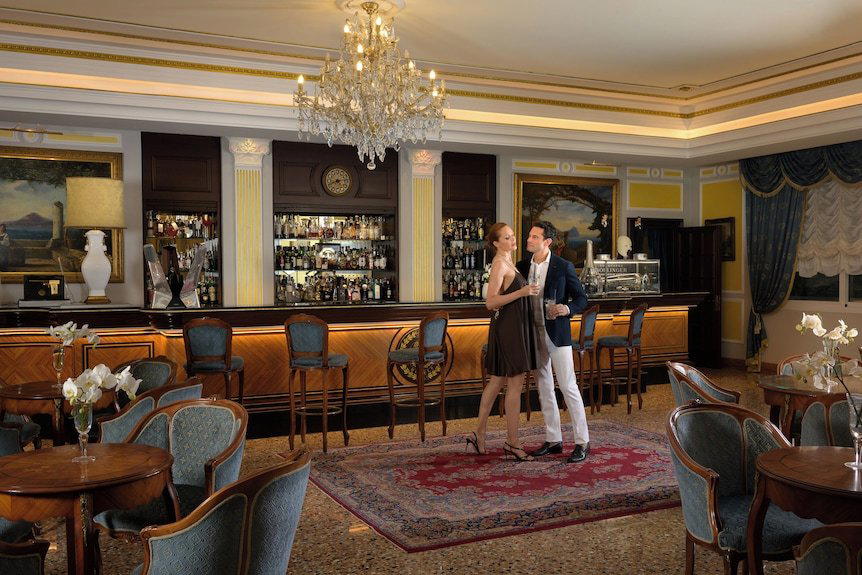
Pleasant and refined with dark walls evoking cinema and photography, tastefully renovated arcades that can feel a bit dark, warm and friendly atmosphere.