Our verdict
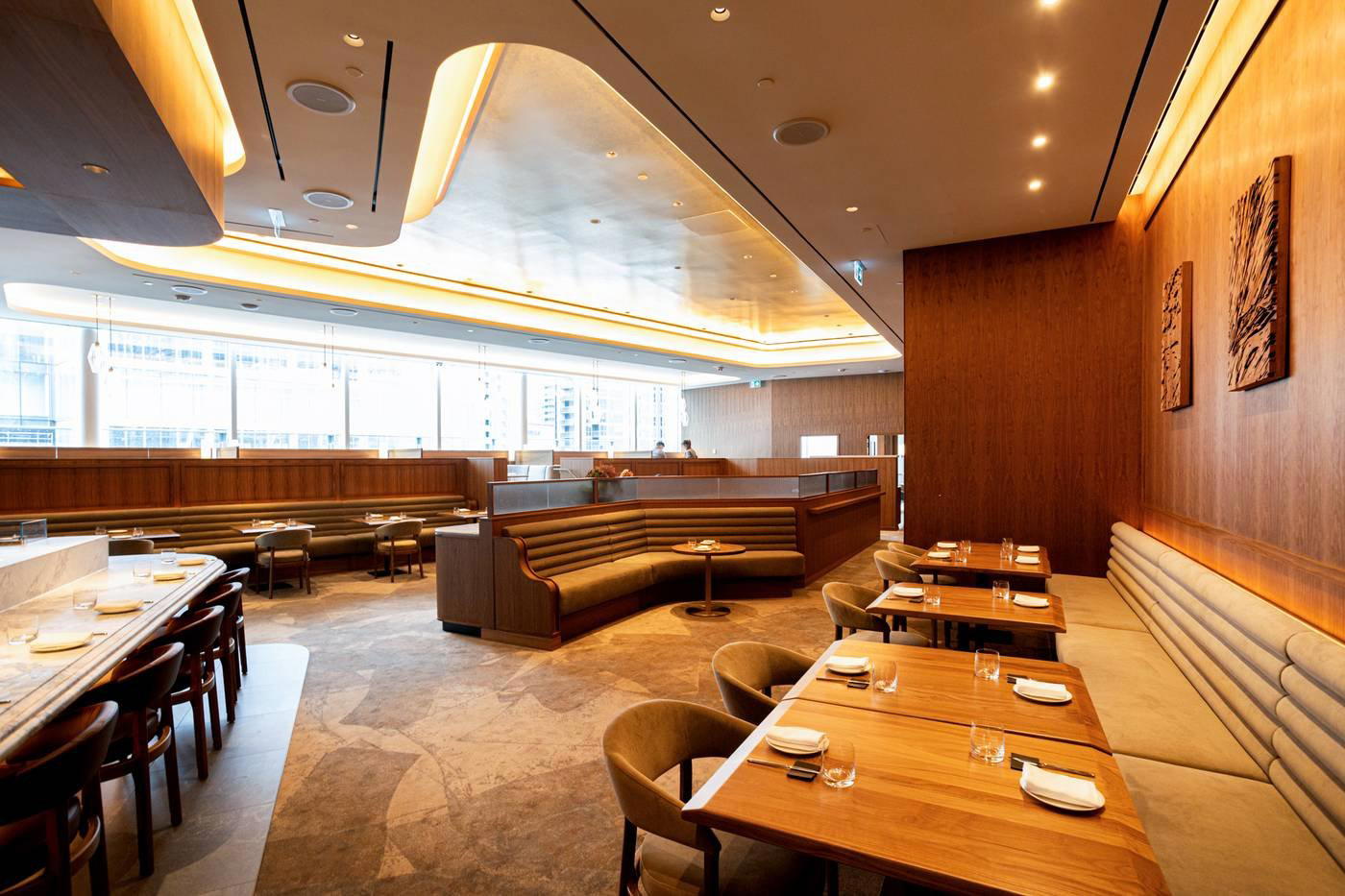
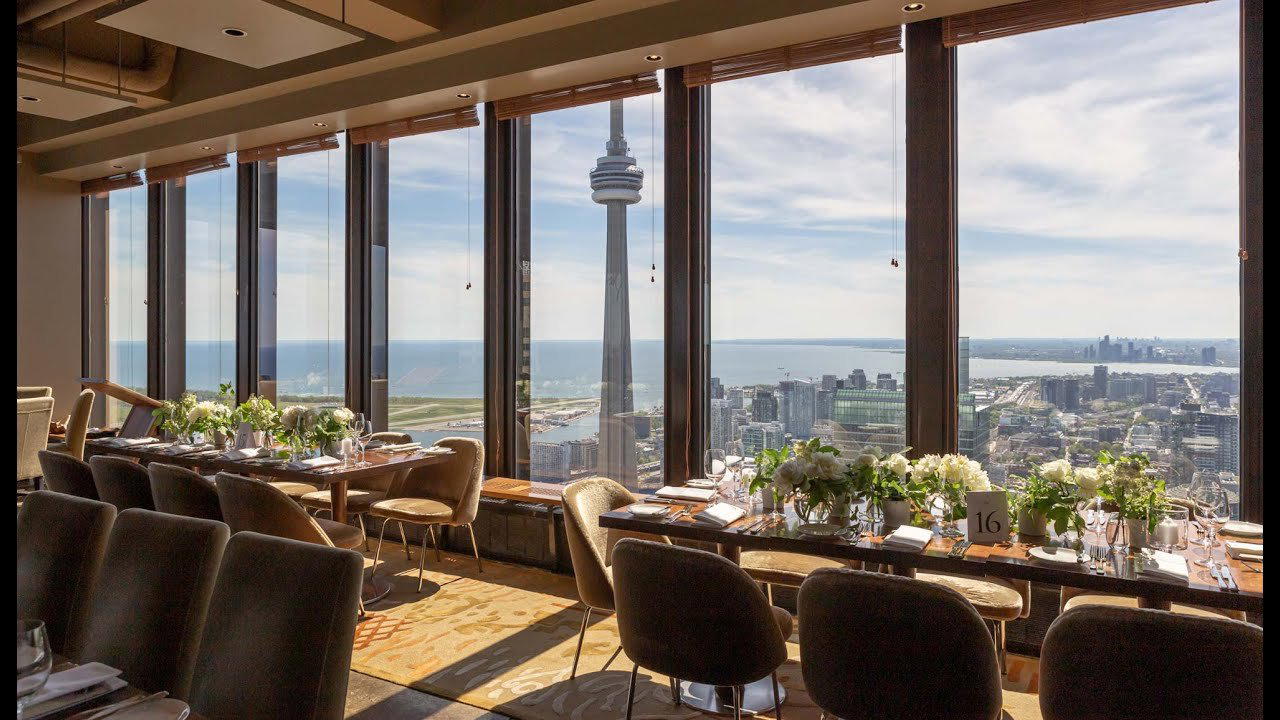
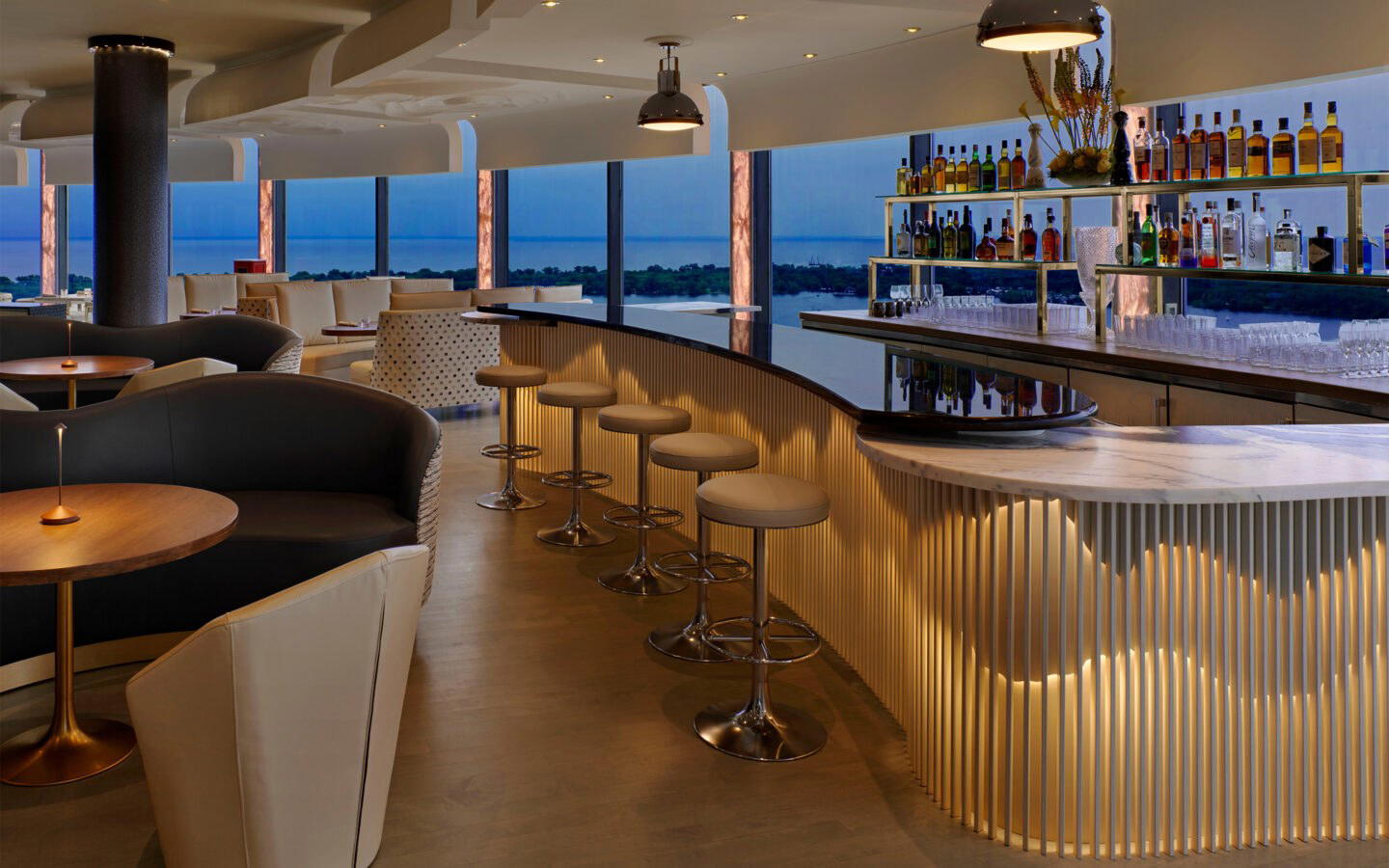
The Italian taverna format it operates within carries specific expectations around pacing, hospitality, and menu structure — conventions the restaurant draws on to serve a clientele that moves between the nearby financial district and the waterfront precinct.

Pearl is the En Primeur Club membership app — saves, bookings, and concierge access live there. Same editors, same standards.

The menu
What to order
- Burrata
- Arancini
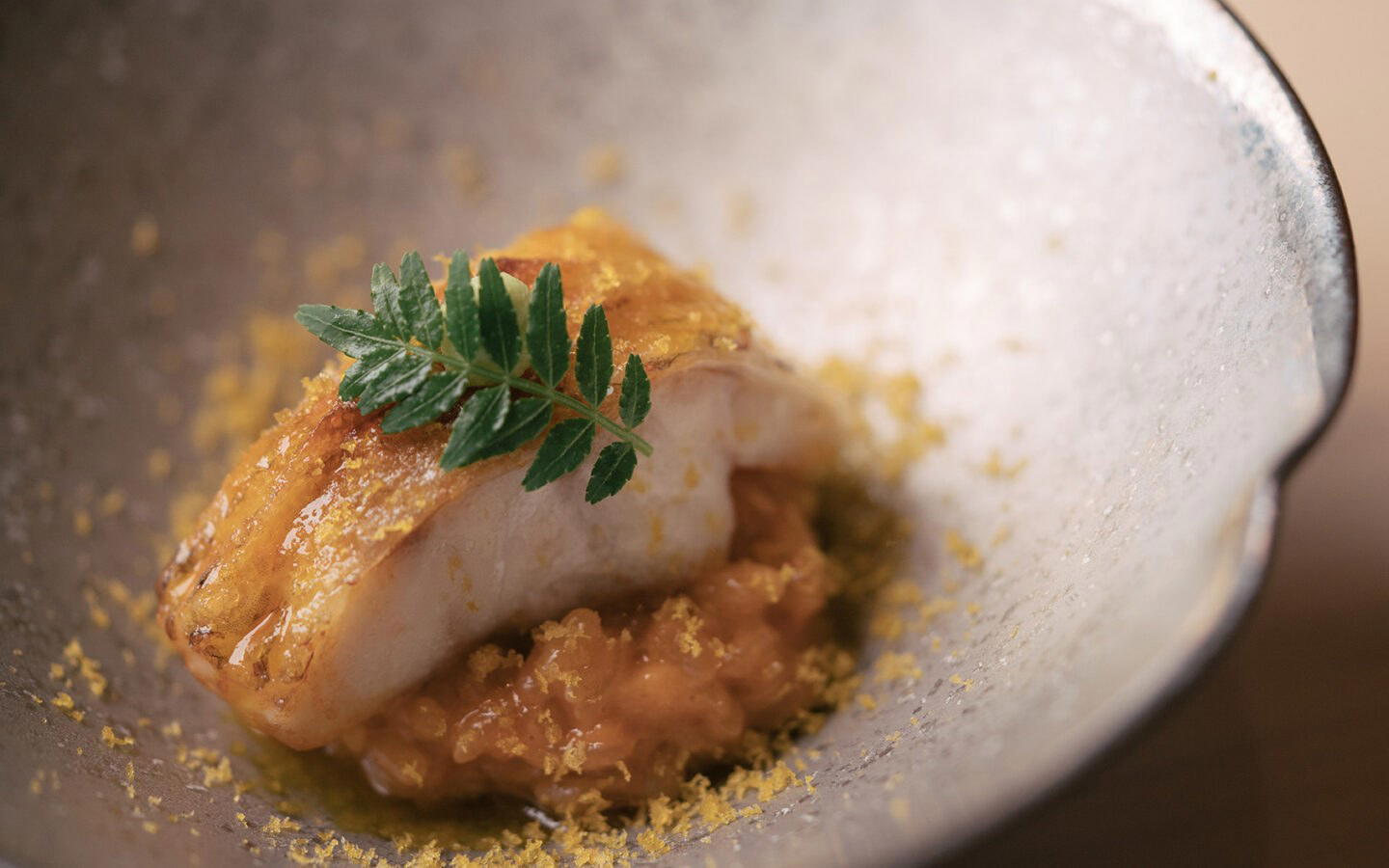
- Seafood Linguine
- Gnocchi
- Pan-seared Lasagna
- Wood-fired Pizza
South Core's Dining Rhythm and Where Taverna Mercatto Sits
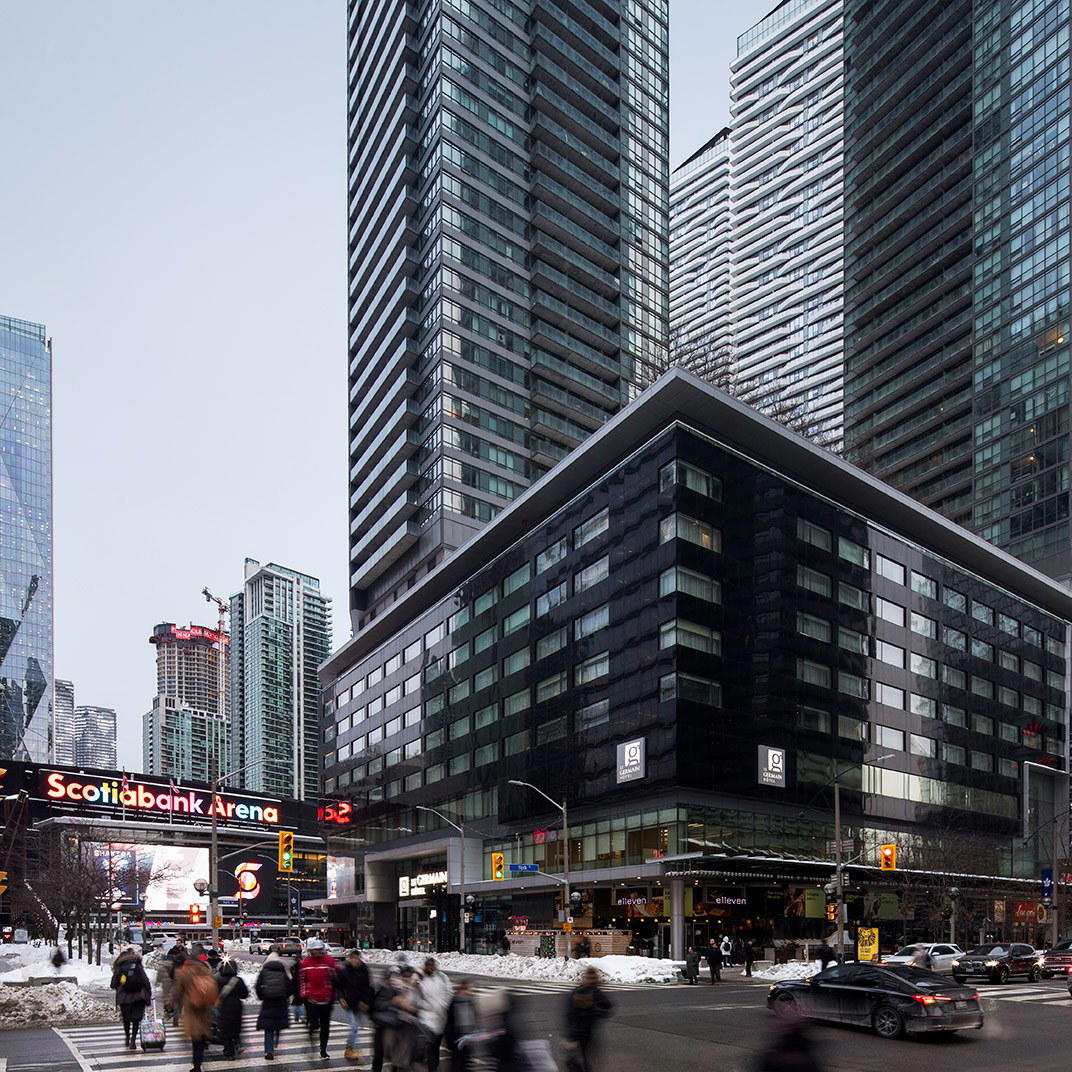
Toronto's South Core has undergone a quiet but consequential shift over the past decade.
The Italian taverna model that Mercatto operates within is a format with clear structural logic. It draws from a long tradition of mid-to-upper register Italian dining that emphasises the table as a social unit rather than a sequence of individual plates. The meal is meant to unfold, not to be optimised. Shared antipasti, pasta courses that reward two or more diners ordering across the menu, and a wine list organised around Italian regional identity — these are the conventions that define the format, and they set expectations before a guest even arrives. For diners who understand the ritual, the taverna signals a particular kind of evening: unhurried, structured around conversation, anchored by carbohydrates in a way that northern European dining traditions rarely permit themselves.
The Dining Ritual: Pacing, Format, and the Italian Table
Italian-format dining rewards a specific kind of engagement from the table. The tradition of ordering in rounds, beginning with something light and acidic, moving through pasta as a course in its own right rather than a side or sharing plate, and arriving at secondi only once the table has settled into its pace, this is a sequence with cultural weight behind it. Restaurants that honour it well create a different atmosphere than those that compress it into a single tray of shared plates dropped simultaneously. The taverna model, at its most considered, treats the meal as a progression with distinct acts.
In Toronto's Italian dining scene, this approach now occupies a distinct tier. The city's Italian restaurant range runs from neighbourhood trattorias in College Street's Little Italy to destination-level contemporary Italian programs like DaNico and the Southern Italian luxury register of Don Alfonso 1890, both operating at the $$$$ price point and drawing on serious culinary credentials. Taverna Mercatto positions itself in the territory between neighbourhood comfort and destination formality, a middle register that the South Core's mixed clientele, business lunches, theatre dinners, local residents, has genuine appetite for.
The format also carries specific implications for how a table should be approached. Arriving with a plan to share is not merely practical; it is the structurally correct way to move through an Italian taverna menu. A table of two that orders narrowly risks missing the point. The same menu read by a table of four, ordering three antipasti, two pasta dishes, and a secondi to share, produces something meaningfully different: a meal that has texture and movement rather than a linear sequence of individual choices. It serves a functional corridor, and the restaurants that succeed here tend to be ones that read the room on both sides: they need to satisfy a business lunch crowd that values efficiency and familiarity, while also holding up as a dinner destination for residents and event-goers who are choosing a neighbourhood restaurant over the wider city.
This dual-market positioning is harder to execute than it sounds. Toronto has a well-developed premium dining scene, Alo at the Contemporary end, Sushi Masaki Saito and Aburi Hana in Japanese formats, and a growing number of Canadian-led destination programs. The city's better Italian addresses have also sharpened their identity over the past several years.enprimeurclub.com/restaurants/narval-rimouski-restaurant">Narval in Rimouski to AnnaLena in Vancouver, the ongoing effort to build dining identity in districts that were previously treated as purely transactional or transit-adjacent.
Canadian Italian Dining in a Wider Frame
The Italian taverna format has a particular resonance in Canadian cities. Toronto's Italian diaspora communities, primarily settled in the northwest of the city but influential across the dining culture, have maintained a long relationship with red-sauce tradition, while a newer generation of Italian-Canadian chefs and restaurateurs has pushed toward more regionally specific Italian cooking. The taverna sits usefully between those two poles: familiar enough to attract the established Italian-Canadian dining public, specific enough in format and execution to appeal to a more curious table. Quebec City's Tanière³ and Montreal's Jérôme Ferrer - Europea represent the contemporary fine dining pole of Canadian restaurant culture, while programs like Restaurant Pearl Morissette in Lincoln and Eigensinn Farm in Singhampton point toward a more terroir-driven, locally rooted approach. The Italian taverna occupies a different register from any of these, but it is part of the same broader maturation of Canadian dining expectations, guests increasingly arriving with a working knowledge of how the format is supposed to operate and a preference for restaurants that take that format seriously. Format: The taverna model rewards tables that arrive ready to share across courses; a minimum of two to three dishes across the menu gives the meal its intended structure. Budget:
For a wider view of Toronto's restaurant scene across price points and cuisine categories, see our full Toronto restaurants guide. Readers interested in the Italian dining tier specifically may also want to compare the contemporary Italian programs at DaNico and Don Alfonso 1890. Additional Canadian dining context is available through The Pine in Creemore, Barra Fion in Burlington, Aux Anciens Canadiens in Quebec, and Bearspaw Golf Club in Calgary. International reference points in the Italian-adjacent fine dining space include Le Bernardin in New York City and Atomix in New York City.
Frequently asked questions
Where is Taverna Mercatto located?
Taverna Mercatto is located at 120 Bremner Blvd suite 100, Toronto, ON M5J 3A6, Canada, Toronto.
Is Taverna Mercatto a good option for dinner near the Rogers Centre before or after an event?
Taverna Mercatto sits at 120 Bremner Boulevard, Suite 100, placing it within short walking distance of the Rogers Centre in Toronto's South Core. The Italian taverna format, built around a sequenced multi-course meal, is better suited to a pre-event dinner with adequate time than a rushed post-game stop. If you are working around an event schedule, an early reservation and a clear finish time communicated to the room is the practical approach.
What's the must-try dish at Taverna Mercatto?
The Italian taverna format typically structures the table around antipasti, pasta, and secondi ordered in succession, so the approach is to work through the menu in rounds rather than anchor on a single dish. Visiting the restaurant directly or checking with the team on arrival will give you the most current picture of what the kitchen is leading with.
What's the best way to book Taverna Mercatto?
Taverna Mercatto is located at 120 Bremner Boulevard, Suite 100, in Toronto's South Core. For reservations, contacting the venue directly is the most reliable route; a walk-in approach also works for the Bremner corridor, particularly during off-peak lunch hours or early evening seatings. Given its position near the Rogers Centre and the financial district, demand tends to spike around event nights and weekday lunches.
What's the defining dish or idea at Taverna Mercatto?
The defining idea is the Italian taverna format itself: a dining structure built around shared rhythm rather than a single centrepiece plate. At 120 Bremner in Toronto's South Core, that translates into a room oriented around the full arc of an Italian meal, from something light at the open to pasta in the middle registers and a main to follow. The format asks more of the table than a single-course lunch stop, which is precisely its point of difference on Bremner Boulevard.
Can Taverna Mercatto adjust for dietary needs?
Italian taverna menus typically include options across the meal structure that can be adjusted, but the specifics depend on the kitchen's current offer. Contacting the venue at 120 Bremner Boulevard, Suite 100, Toronto, before your visit is the practical step to confirm what they can accommodate.
Is Taverna Mercatto worth the price?
What the location at 120 Bremner in Toronto's South Core does provide is a full Italian taverna format within a district that otherwise skews toward quick-service lunch options, which changes the calculation depending on what kind of meal you are after. For an extended sit-down in that corridor, the format itself is the differentiator.
Standing Among Peers
Comparable venues nearby, for context on price, style, and recognition.
| Venue | Cuisine | Price | Notes |
|---|---|---|---|
| Taverna MercattoThis venue — the venue you are viewing | Modern Italian Trattoria | $30–50 | Not listed |
| Carolina | Neapolitan Pizzeria | $20–30 | Little Italy |
| Pizzeria Badiali | New York-Style Pizza | $10–20 | Trinity Bellwoods |
| Zia's Place | Southern Italian Handmade Pasta | Not listed | Little Portugal |
| Campagnolo | Modern Italian | Not listed | Little Italy |
| Vaticano Restaurant | Traditional Italian | $30–50 | Yorkville |