Located on Bellair Street in the Yorkville district, Vaticano Restaurant sits within one of Toronto's most concentrated zones of upscale dining. The address places it alongside a comparable set that runs from contemporary tasting menus to Japanese precision counters, making it a reference point for how Italian-rooted cooking positions itself in Canada's most competitive restaurant market.
Pearl is the En Primeur Club membership app — saves, bookings, and concierge access live there. Same editors, same standards.
- Address
- 25 Bellair St, Toronto, ON M5R 3L3, Canada
- Phone
- +14169244967
- Website
- vaticano.ca
- Directions
- Get directions
 Saves & bookings on Pearl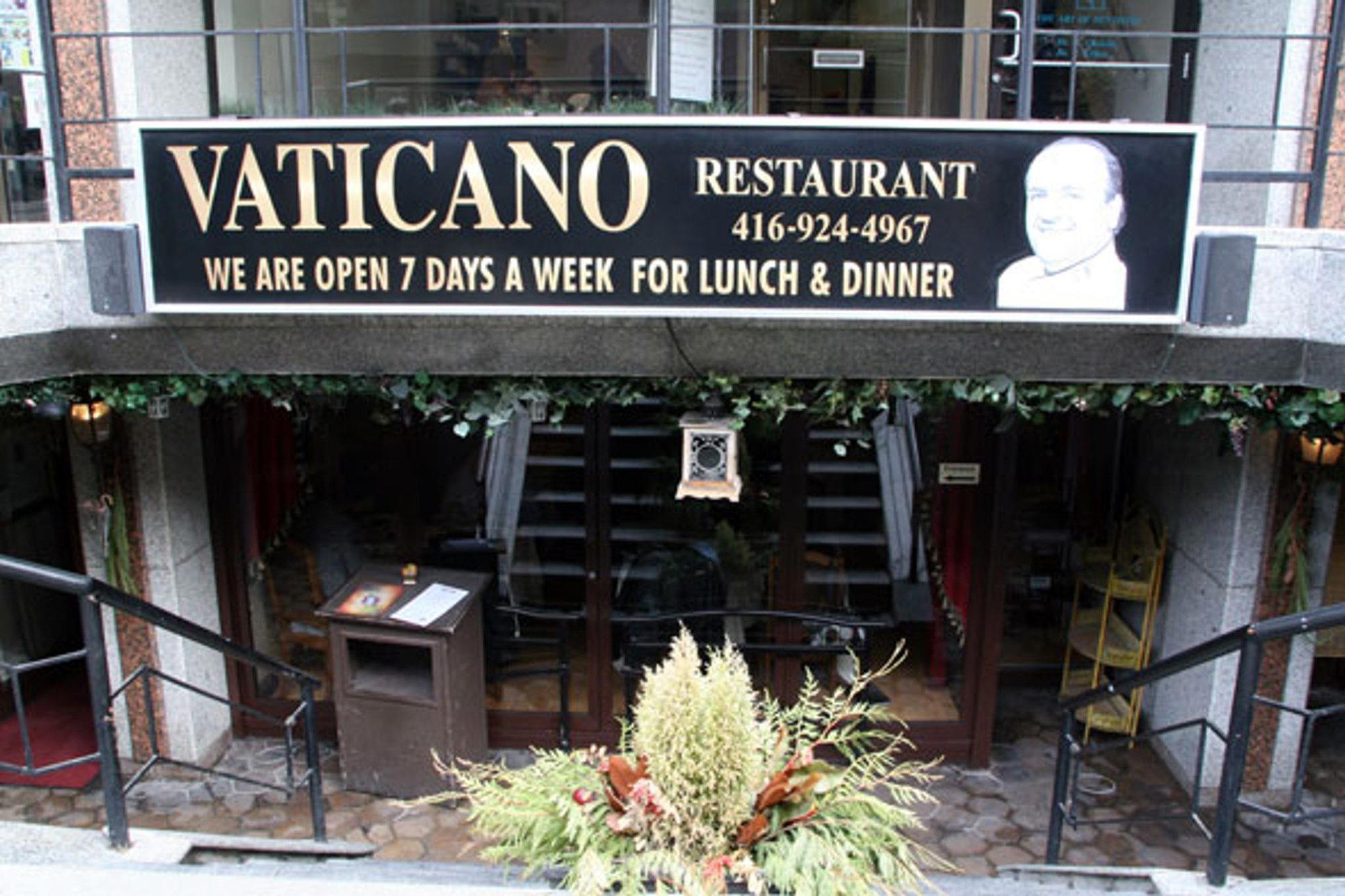
Yorkville's Dining Density and Where Italian Fits
Bellair Street in Yorkville is a short block, but it carries considerable dining weight. The surrounding neighbourhood has evolved over the past decade from a gallery-and-boutique corridor into one of Toronto's most concentrated zones of high-end restaurant real estate. That shift has made address alone a meaningful signal. To open on Bellair Street is to accept a specific competitive context: a diner who could, on the same evening, choose from Alo, one of the city's foremost contemporary tasting-menu rooms, or precision Japanese counters like Sushi Masaki Saito and Aburi Hana. In that company, Italian cooking has to make an argument beyond tradition alone.
Toronto's Italian restaurant tier has sharpened considerably. At the upper end, venues like DaNico and Don Alfonso 1890 have pushed the category toward contemporary technique and fine-dining format, moving Italian from the mid-market comfort bracket into direct competition with the city's prix-fixe leaders. Vaticano Restaurant, at 25 Bellair St, operates within that shifted category.
The Local-Global Equation in Canadian Italian Cooking
One productive frame for understanding premium Italian cooking in Canadian cities is not authenticity versus adaptation, but rather the intersection of imported method and available product. Canada's growing-season geography creates a specific pantry: shorter summers that concentrate flavour in stone fruits and field vegetables, cold-water lakes and Atlantic coastlines that produce distinctive fish and shellfish, and an agricultural hinterland that has, over the past two decades, developed serious artisan cheese, charcuterie, and grain production.
Italian culinary technique, developed across centuries to coax maximum depth from seasonal ingredients, applies directly to this context. The classical Emilian approach to fresh pasta, the Venetian treatment of freshwater fish, the Ligurian use of herbs as structural flavour rather than garnish, these are transferable disciplines that perform well against Canadian seasonal produce. Restaurants that apply them to local supply chains, rather than importing Italian product wholesale, tend to produce food that reads as both rigorous and immediate.
This is the territory occupied by the more ambitious Italian addresses in Toronto. The question for any kitchen in this space is how deliberately it engages with Canadian sourcing at the ingredient level, not just as a marketing note but as a technical choice that shapes dish construction. That distinction separates the venues treating locality as an ethos from those treating it as a footnote. For readers assessing Vaticano specifically against this frame, it is worth placing it alongside the broader Canadian conversation: kitchens like Tanière³ in Quebec City and AnnaLena in Vancouver have each, in their respective ways, established how global technique and Canadian raw material can operate as a coherent culinary position rather than a compromise.
Yorkville as a Reference Point for Toronto Dining
Understanding the neighbourhood context clarifies the pricing logic and format expectations. Yorkville dining generally trades at a premium relative to other Toronto districts, reflecting real estate costs, a clientele that skews toward corporate entertainment and leisure travellers, and proximity to luxury retail. Restaurants in this pocket tend to run formal or semi-formal service formats, maintain wine lists in the mid-to-high price range, and operate reservation-led rather than walk-in models. That structure is not incidental. It reflects the area's function as Toronto's closest analogue to a European luxury dining quarter.
For the wider picture of how Toronto's restaurant geography distributes its premium addresses, our full Toronto restaurants guide maps the key clusters by neighbourhood and category. Outside the city, Ontario's dining scene extends to serious destination restaurants: Restaurant Pearl Morissette in Lincoln, The Pine in Creemore, and Eigensinn Farm in Singhampton each represent a distinct model of serious cooking outside the urban core. That provincial spread matters when assessing what Toronto's concentrated restaurant density does and does not offer.
Planning a Visit
Vaticano Restaurant is located at 25 Bellair St in the Yorkville district, walkable from Bay Street and the Bloor-Yonge subway corridor. The neighbourhood draws a mix of hotel guests from the surrounding luxury properties and local residents, which means dinner service on Thursday through Saturday tends to run at capacity. For anyone considering a visit during peak autumn season, when Toronto's restaurant scene sees its heaviest corporate and leisure traffic, contacting the restaurant in advance rather than arriving without a booking is the logical approach. Yorkville tables at this positioning do not absorb walk-in demand on weekend evenings. Specific hours, booking methods, and pricing are best confirmed directly with the restaurant, as those details are subject to change.
Comparable Addresses Across Canada
Toronto's premium Italian addresses compete not just locally but within a broader Canadian conversation about where serious cooking happens. Jérôme Ferrer's Europea in Montreal represents one model of high-format European cooking adapted to a Canadian context. Further afield, Narval in Rimouski and Aux Anciens Canadiens in Quebec each take distinct positions on how regional identity shapes a restaurant's culinary logic. For readers comparing Italian-rooted cooking across borders, Le Bernardin in New York City and Atomix in New York City illustrate how technique-led programming operates across the North American market. Closer to Yorkville, Barra Fion in Burlington and Bearspaw Golf Club in Calgary offer points of reference for how dining ambition distributes across Canadian address types beyond the major urban cores.
Peers You’d Cross-Shop
Comparable venues nearby, for context on price, style, and recognition.
| Venue | Cuisine | Price | Notes |
|---|---|---|---|
| Vaticano RestaurantThis venue — the venue you are viewing | Traditional Italian | $$ | Not listed |
| Trio Ristorante Pizzeria | Authentic Italian Pizza & Pasta | $$ | Lawrence Park North |
| Little Anthony's | Italian Osteria | $$ | Bay Street Corridor |
| Amano Italian Kitchen | Modern Italian | $$ | Financial District |
| Pizzeria Badiali | New York-Style Pizza | $$ | Trinity Bellwoods |
| Vivo Avanti | Refined Italian Pizza and Pasta | $$ | High Park North |
Continue exploring
More in Toronto
Restaurants in Toronto
Browse all →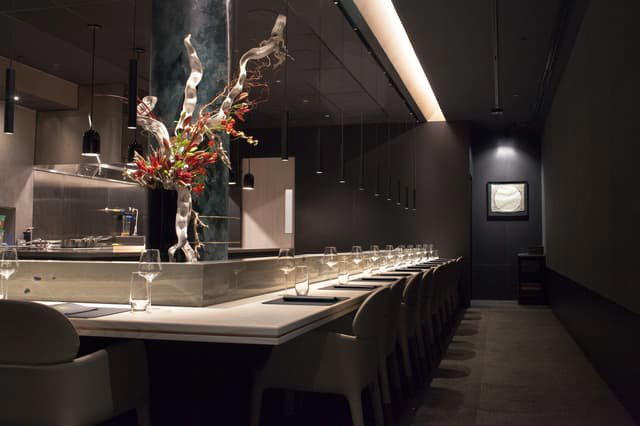
Bars in Toronto
Browse all →
Hotels in Toronto
Browse all →

At a Glance
- Romantic
- Cozy
- Elegant
- Classic
- Date Night
- Special Occasion
- Celebration
- Historic Building
- Extensive Wine List
- Local Sourcing
Current opening hours
- Monday
- 12–3 PM, 4:30–10 PM
- Tuesday
- 12–3 PM, 4:30–10 PM
- Wednesday
- 12–3 PM, 4:30–10 PM
- Thursday
- 12–3 PM, 4:30–10 PM
- Friday
- 12–11 PM
- Saturday
- 12–11 PM
- Sunday
- 11 AM–10 PM
Hours can change for holidays and private events. Last verified .
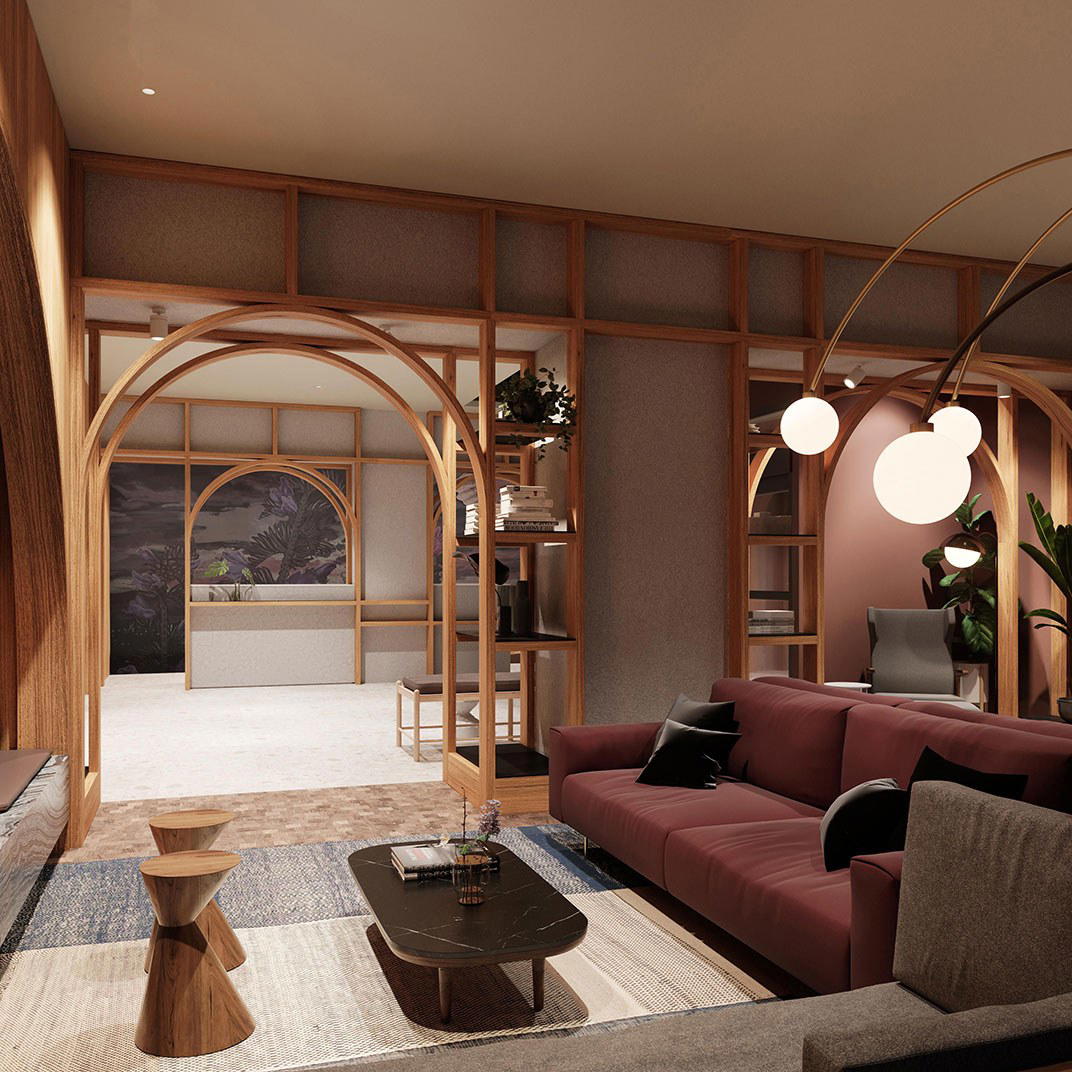
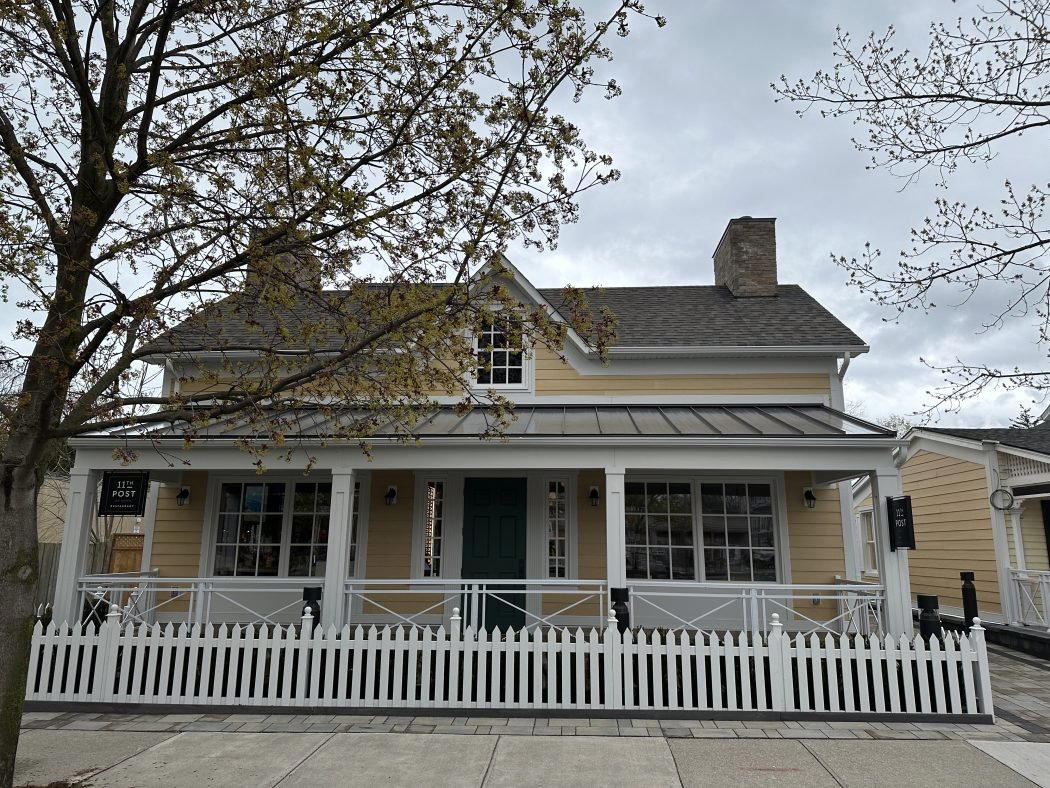
Inviting and warm atmosphere down the stairs in Yorkville, creating a comforting, family-like feel with focus on rich flavors and simplicity.