
Tabelog 100 #14
Our verdict
Tatsumi Soba Shimahei sits in Tokyo’s serious soba tier: a small counter-led Shinjuku address selected for Tabelog 100 Soba EAST 2025, with a format that treats buckwheat noodles as part of a wider evening of Japanese cooking and drink. Its appeal is less about spectacle than about the old Tokyo rhythm of soba, sake, shochu, and disciplined pacing.

Pearl is the En Primeur Club membership app, where members save venues, book tables and use the concierge.
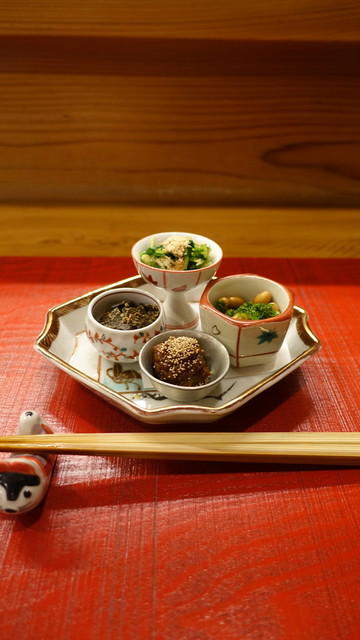
The menu
What to order
- Multi-course 100% buckwheat soba
- Seiro soba
- Soba sushi
- Sobagaki
- Soba zosui
- Soba mochi
Approaching a Tokyo soba meal asks for a slower tempo than the city’s broader dining circuits. The rhythm is best understood through restraint: noodles, Japanese cooking, and a focused sense of craft in the same register. Tatsumi Soba Shimahei belongs to this quieter category, where seriousness is signalled less by luxury cues than by the attention given to buckwheat.
Tokyo’s serious soba culture occupies a narrower lane than sushi, tempura, or French fine dining. It is both everyday food and specialist craft, which is why dedicated shops can feel modest while attracting diners who know exactly what they are booking. A Tabelog score of 3.72 and Tabelog Hyakumeiten recognition in 2025 place this address inside the city’s competitive soba conversation, not the casual lunch-shop bracket. The format is better understood as an evening built around soba than as a noodle stop added to a wider itinerary.
Soba as a complete evening, not a quick noodle course
The deeper pleasure of Tokyo soba dining lies in how the meal can stretch before the noodles arrive. In traditional soba-ya culture, small Japanese dishes often frame the table before soba becomes the final anchor. That structure changes expectations. The noodle course is not a carbohydrate afterthought; it is the point toward which the meal has been moving.
Tatsumi Soba Shimahei works within that lineage. The listed categories are soba and Japanese cuisine, which tells experienced diners how to read the restaurant: specific, focused, and built around Japanese cooking rather than global fine-dining choreography.
Compared with Tokyo counters where the performance is in front of a grill or knife, soba asks for attention to quieter variables: buckwheat aroma, noodle cut, water, dipping sauce, and timing. These are not mystical details but technical choices, and serious soba shops are judged by how coherently they land across the meal. The restaurant’s Tabelog Hyakumeiten recognition in 2025 is the clearest public signal of current category recognition.
Where Tokyo's old dining habits meet a specialist soba address
Tokyo still supports small Japanese dining rooms, counter formats, and places where the evening can run on conversation and narrow specialization. This is not the Tokyo of hotel lobbies and skyline tasting menus, but of focused rooms whose scale and purpose encourage discipline.
That sense of focus is central here. Tatsumi Soba Shimahei is presented less as a general Japanese restaurant with noodles on the menu than as a specialist soba destination, where the meal is organized around a narrow craft and the details are expected to carry the experience.
The appeal lies in continuity rather than spectacle. Soba culture rewards repetition and incremental refinement; the credibility of a serious soba shop is earned through craft repeated over time, not reinvention for its own sake. The point is not nostalgia, but the quiet confidence of a form that does not need to borrow the language of luxury to feel complete.
Within a broader Tokyo itinerary, the comparison helps. A French dining room such as Le Mange-Tout speaks to the city’s long Francophile fine-dining tradition, while Yakitori Toge occupies the charcoal-and-counter lane. Tatsumi Soba Shimahei is not competing on those terms. Its value is the specific grammar of soba dining: narrow craft, a focused room, and a meal that makes sense as its own destination rather than a prelude.
How to place it in a Tokyo food trip
This is a strong choice for travellers who understand that Tokyo’s dining depth is not measured only by omakase counters and tasting menus. Soba offers another lens on the city: grain culture, old drinking-house habits, and the Japanese preference for serious specialization. The restaurant also suits diners looking for a focused evening rather than a group occasion built around breadth.
The practical read is simple: treat this as a planned dinner, not a spontaneous add-on. The listed dinner budget is JPY 8,000 - JPY 9,999, placing it in a deliberate-night-out bracket rather than a casual noodle stop. These details are not decorative; in Tokyo, they decide whether an otherwise polished evening runs smoothly.
For readers mapping a wider route through the city, use this as the soba anchor and build around category contrast. A broader city scan belongs in Our full Tokyo restaurants guide. For other Tokyo food styles, look to unnamed specialist counters, casual dining rooms, cafes, and compact neighborhood restaurants across the city. Planning beyond restaurants can extend through general Tokyo hotels, bars, wineries, and experiences guides.
Across Japan and beyond, useful contrasts can be found in other focused dining formats, from grill counters and curry specialists to sake bars and casual rice shops. The common thread is specialization: the narrower the format, the more the details matter.
The Quick Read
Comparable venues for context, by category and price tier.
| Venue | Cuisine | Price | Awards | Notes |
|---|---|---|---|---|
| Tatsumi Soba ShimaheiThis venue (the venue you are viewing) | Traditional soba kappo (multi-course buckwheat noodles) | $50–100 | Tabelog 100 #14 | Not listed |
| Morifuji | Traditional Japanese Conger Eel | $50–100 | Tabelog Bronze #290 | Not listed |
| Le Mange-Tout | Modern French with Japanese influences | $200–300 | Tabelog 100 #59 | French |
| Yakitori Toge | Modern Yakitori Omakase | $50–100 | Tabelog 100 #59 | JPY 10,000 - JPY 14,999 |
Recognition history
Dated appearances from independent guides and award organizations, with the underlying list record or original source where available.
Tabelog 100 #14 · No. 14
Tabelog · Tabelog 100 - Soba - EAST - 2025
Continue exploring
More in Tokyo
Restaurants in Tokyo
All restaurants in Tokyo →


Bars in Tokyo
All bars in Tokyo →


Details
- Intimate
- Cozy
- Classic
- Solo
- Casual Hangout
- Group Dining
- Special Occasion
- Chefs Counter
- Standalone
- Sake Program
- Tasting Menu
- Set Menu
- Counter Dining
- Sake
- Shochu
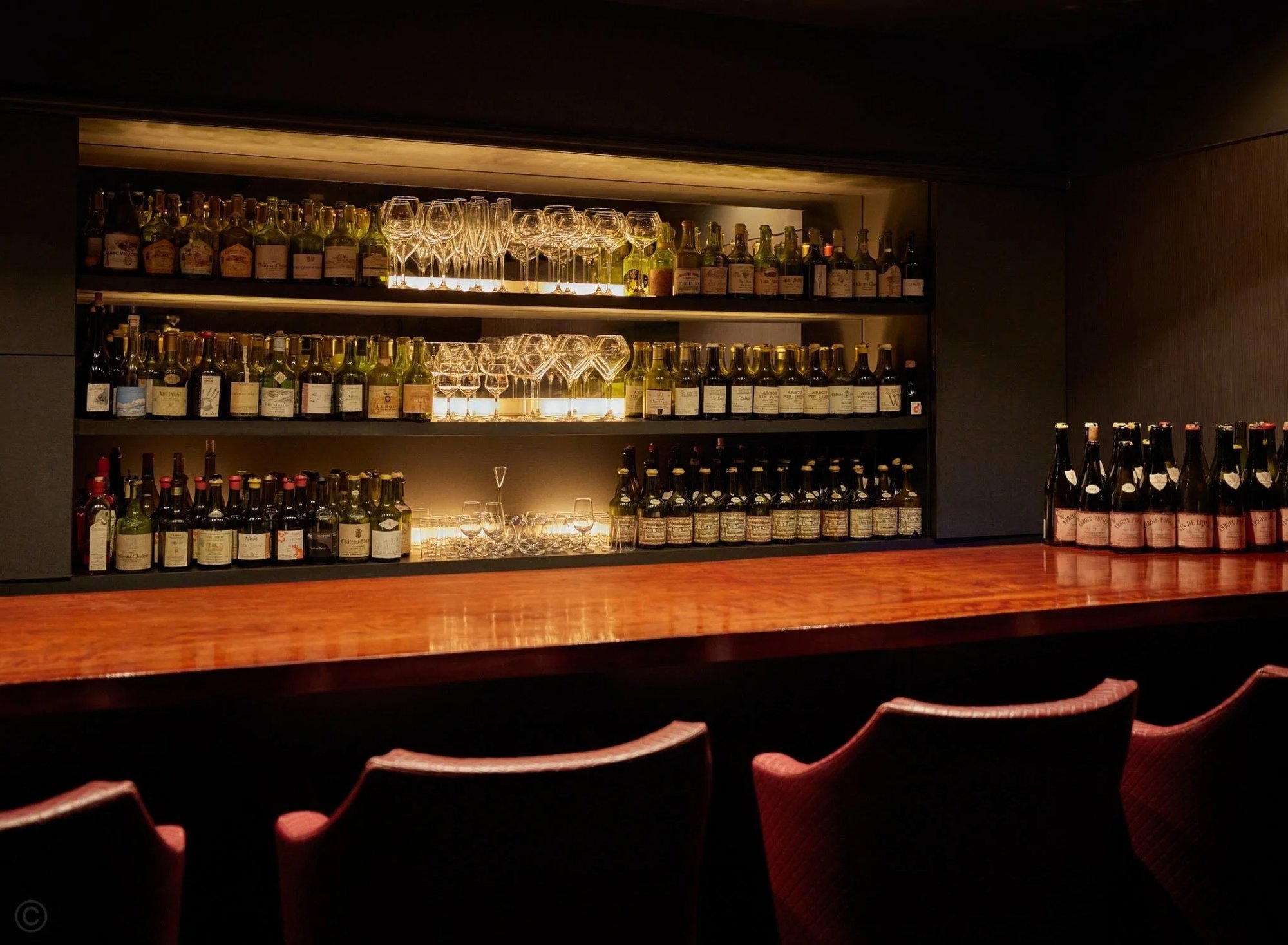
An intimate, reservation-only counter with just 10 seats, relaxed and quietly focused on soba, with a discreet hideout feel off Kagurazaka.