
Tabelog 100 #59
Our verdict
Tokyo’s serious yakitori tier is defined by small rooms, charcoal discipline, and recognition systems that reward consistency over spectacle. Yakitori Toge sits in that conversation through its Tabelog 100 Yakitori EAST 2025 selection, a 20-seat format, and a dinner spend commonly listed at JPY 10,000 to JPY 14,999.

Pearl is the En Primeur Club membership app, where members save venues, book tables and use the concierge.
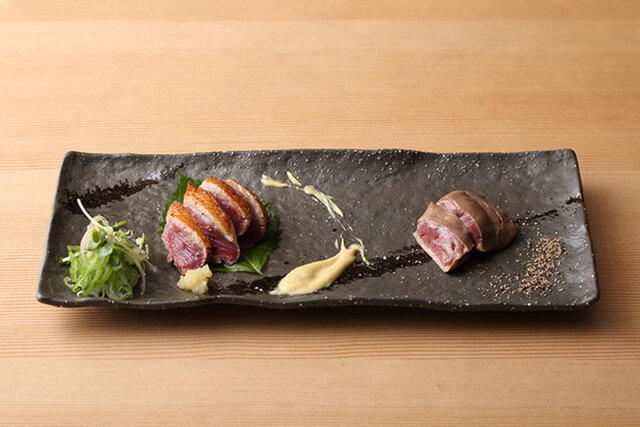
The menu
What to order
- Hinai jidori yakitori skewers
- Nanatani duck tataki
- Nanatani duck roast
- Omakase yakitori course with seasonal vegetables
- Inaniwa udon finishing course
In Tokyo, the city softens before dinner: bigger currents give way to quieter dining rooms and modest façades. That setting matters for yakitori, a form built on proximity: counter, grill, skewer pacing, and heat adjustment rather than long tasting-menu theatre. Yakitori Toge belongs to the smaller Tokyo category where reputation comes through repetition, control, and diners who compare grill work across the city.
Tokyo yakitori is sharply stratified. At one end are casual beer-and-skewer rooms built for turnover; at the other, compact counters priced like serious Japanese dining, where chicken, smoke, seasoning, and pacing receive the scrutiny once reserved for more formal formats. The Tabelog 100 Yakitori EAST 2025 selection places Yakitori Toge in that latter conversation. It is not a Michelin-style star system, but in Japan’s restaurant culture it is a powerful signal: a venue has been noticed in a category where small technical differences separate pleasant grilling from disciplined work.
Charcoal, chicken, and the modern Tokyo yakitori tier
Yakitori’s simplicity is deceptive. The craft depends on butchery, seasoning, heat management, and sequencing; a strong counter reads chicken as multiple textures, not one ingredient. In Tokyo, serious yakitori has moved closer to omakase than izakaya, with diners often handing the order of events to the grill. Yakitori Toge is listed in the yakitori, chicken dishes, and Japanese cuisine categories. That classification reflects a broader shift: premium yakitori can become a poultry-led meal while keeping the grill as its organizing principle.
The price band clarifies the position. Dinner at JPY 10,000 to JPY 14,999 places the room above casual after-work yakitori and below some of Tokyo’s more expensive modern tasting counters. That middle-premium bracket is crowded, with many rooms using the same language: charcoal, small scale, serious sourcing, careful pacing. Tabelog’s 3.75 score and Tabelog 100 Yakitori EAST 2025 recognition give the restaurant a clearer critical footprint than local loyalty alone.
For readers mapping Tokyo by category rather than address, the useful comparison is this: yakitori here should be read alongside focused Japanese counters, not French or innovative tasting-menu restaurants such as Le Mange-Tout or SECRETO. Those formats compete for the same dinner slot, but ask different questions. French and innovative rooms foreground composition; yakitori foregrounds timing and flame. The decision is whether the evening should be built around grill-led decisions rather than plated progression.
Tokyo's quieter dining geography suits the format
Tokyo is useful for travellers who want range without making every meal feel ceremonial. Its restaurant map moves from polished counters to relaxed local rooms, with serious cooking often hidden in compact spaces rather than announced by spectacle. That kind of geography gives a yakitori counter proper cover: destination-led without becoming loud.
That setting makes Yakitori Toge read differently from the city’s more maximal dining zones. Tokyo can mean department-store dining, nightlife corridors, ramen queues, or polished hotel restaurants depending on the plan. Here, the experience is better understood through focus rather than scale. The useful planning point is not a street-level landmark but the format itself: a Tokyo yakitori meal where attention, grill work, and pacing are the main luxuries.
Tokyo planning works better when categories are grouped. For a broader restaurant map, use Our full Tokyo restaurants guide; for nearby contrasts, consider other Tokyo dining rooms generically rather than treating this as a neighbourhood checklist. For a different Tokyo rhythm, other restaurants may point toward seafood, curry, coffee, or casual drinking rather than poultry and charcoal, but Yakitori Toge is best evaluated within the yakitori category.
Recognition makes the choice sharper, not louder
Awards can distort small restaurants by turning craft into trophy hunting. Yakitori is especially vulnerable because its pleasures are incremental: salt level, skin texture, heat, pauses between skewers, and how drinks support fat and smoke. Read the Tabelog 100 Yakitori EAST 2025 selection as a filter. It confirms enough category authority to merit attention in a city full of yakitori counters, without making the evening a formal grand occasion. The appeal is narrower and more exacting.
The category listing strengthens that reading. Yakitori Toge is identified with yakitori, chicken dishes, and Japanese cuisine, a combination that frames it as a full dinner rather than a quick snack stop. Modern yakitori no longer has to be treated as a prelude; in Tokyo’s stronger rooms, the discipline of the grill can carry the whole evening.
Reservation and policy details should be checked directly with the venue before planning, especially for same-day availability or special requests. The reliable public contact point provided for Yakitori Toge is its phone number, +81-3-5946-8330. In a compact, high-attention category like yakitori, confirming current operating details matters more than relying on old listings or assumptions.
For travellers building a wider Japan itinerary, the contrast is useful. Category-specific dining shifts by city and format: a yakitori counter in Tokyo asks different questions from regional casual dining, seafood rooms, curry specialists, coffee-led stops, or Japanese-inspired venues abroad. The point is not to blur those formats together, but to understand how tightly Yakitori Toge sits within its own category.
The editorial decision is simple: choose Yakitori Toge for a focused Tokyo yakitori meal with recognized category standing and a clear JPY 10,000 to JPY 14,999 dinner band. It is not for a maximalist tasting menu or a room built around visual drama. For the rest of the city’s planning layers, pair the meal with Our full Tokyo hotels guide, Our full Tokyo bars guide, Our full Tokyo wineries guide, and Our full Tokyo experiences guide.
Compact Comparison
Side-by-side context: comparable cuisine and price.
| Venue | Cuisine | Price | Awards | Notes |
|---|---|---|---|---|
| Yakitori TogeThis venue (the venue you are viewing) | Modern Yakitori Omakase | $50–100 | Tabelog 100 #59 | Not listed |
| Le Mange-Tout | Modern French with Japanese influences | $200–300 | Tabelog 100 #59 | French |
| SECRETO | Innovative Molecular Fusion | $150–200 | Tabelog Bronze #390 | Innovative, JPY 20,000 - JPY 29,999 |
| Morifuji | Traditional Japanese Conger Eel | $50–100 | Tabelog Bronze #290 | Not listed |
Recognition history
Dated appearances from independent guides and award organizations, with the underlying list record or original source where available.
Tabelog 100 #59 · No. 59
Tabelog · Tabelog 100 - Yakitori - EAST - 2025
Continue exploring
More in Tokyo
Restaurants in Tokyo
All restaurants in Tokyo →

Bars in Tokyo
All bars in Tokyo →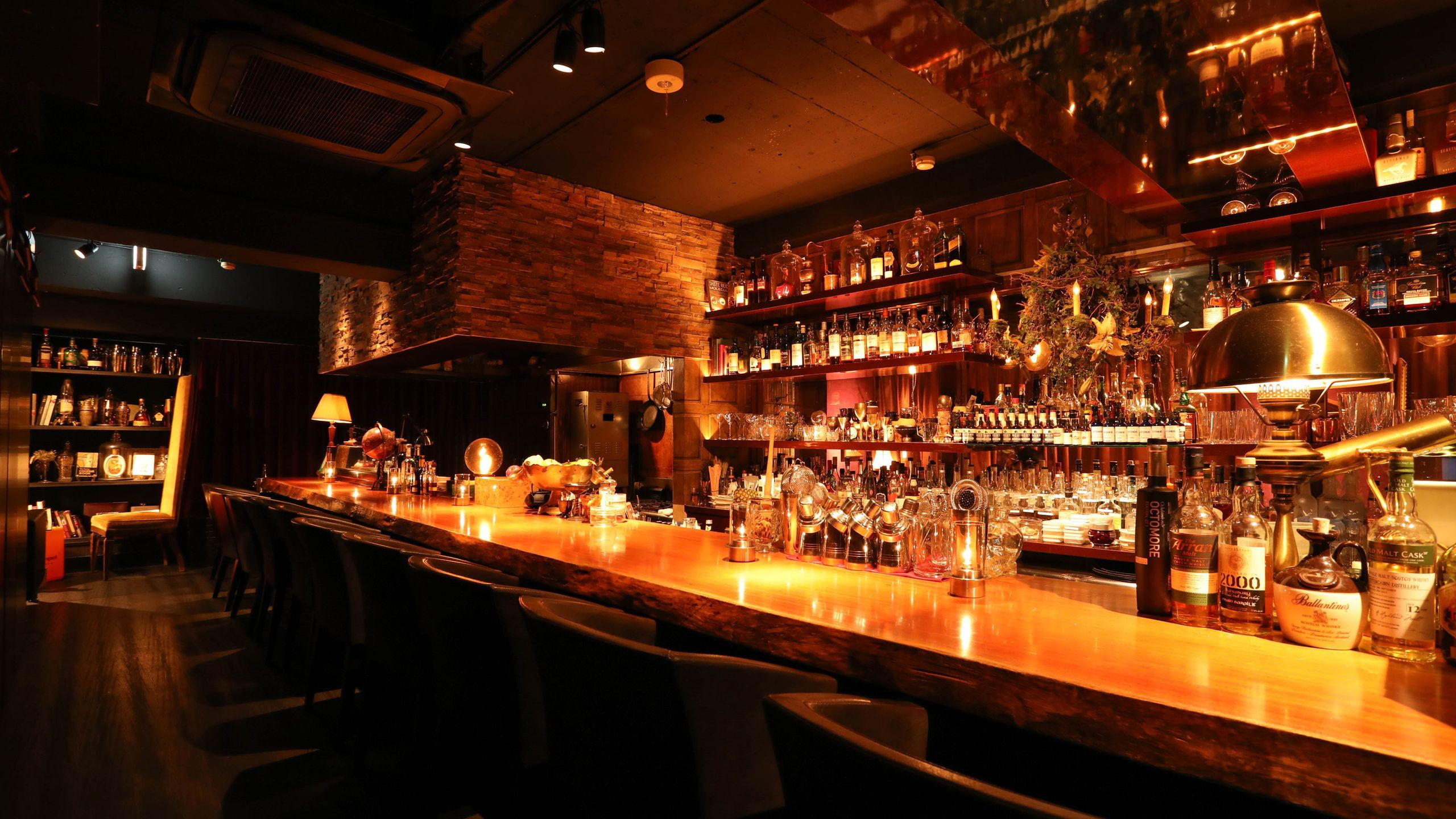





Details
- Cozy
- Intimate
- Elegant
- Date Night
- Business Dinner
- Celebration
- Solo
- Chefs Counter
- Open Kitchen
- Private Dining
- Standalone
- Sake Program
- Local Sourcing
- Tasting Menu
- Omakase
- Counter Dining
- Set Menu
- Sake
- Beer
- Wine
Current opening hours
- Monday
- Closed
- Tuesday
- 6–9:30 PM
- Wednesday
- 6–9:30 PM
- Thursday
- 6–9:30 PM
- Friday
- 6–9:30 PM
- Saturday
- 4–9:30 PM
- Sunday
- Closed
Hours can change for holidays and private events. Hours as of .
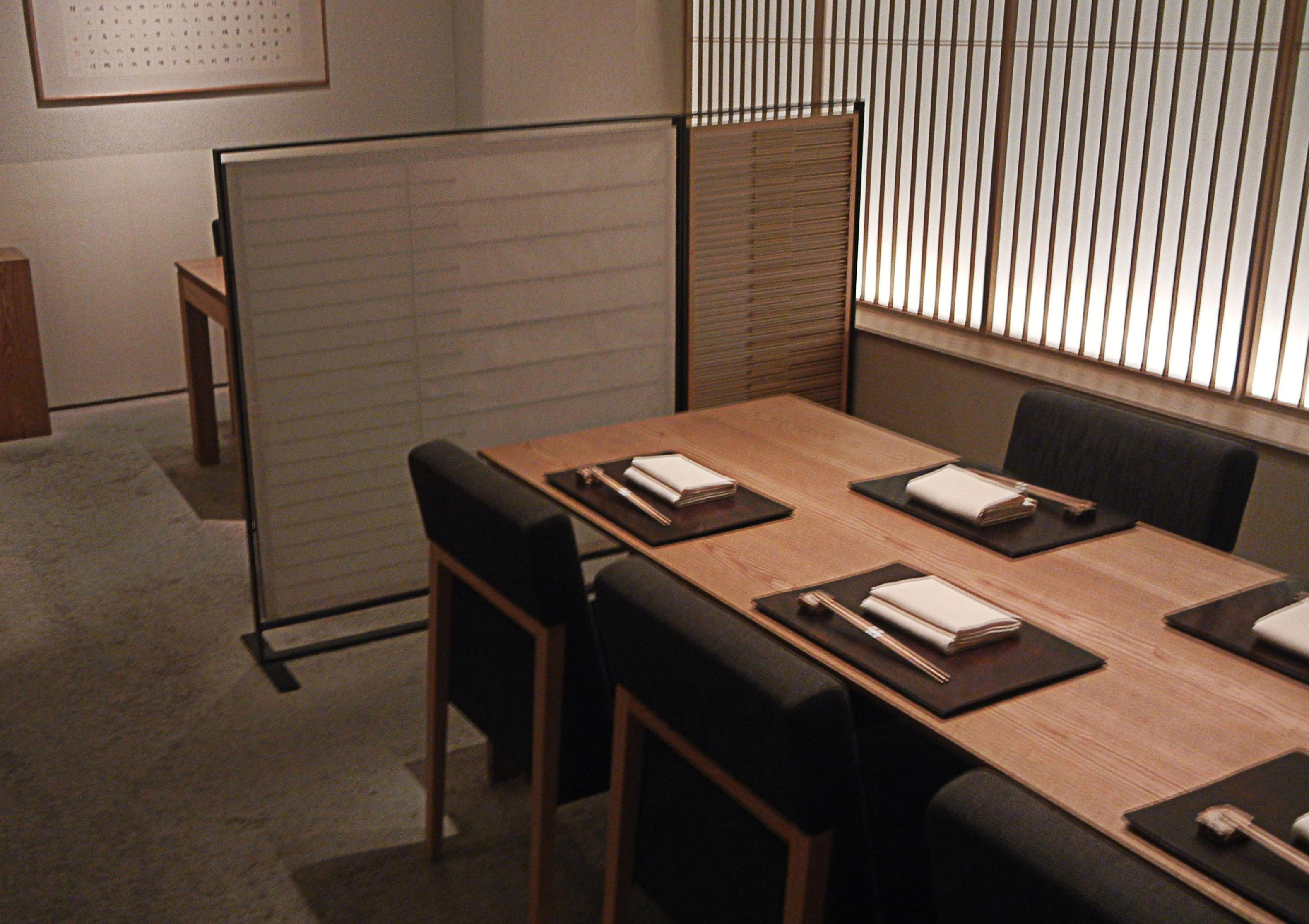
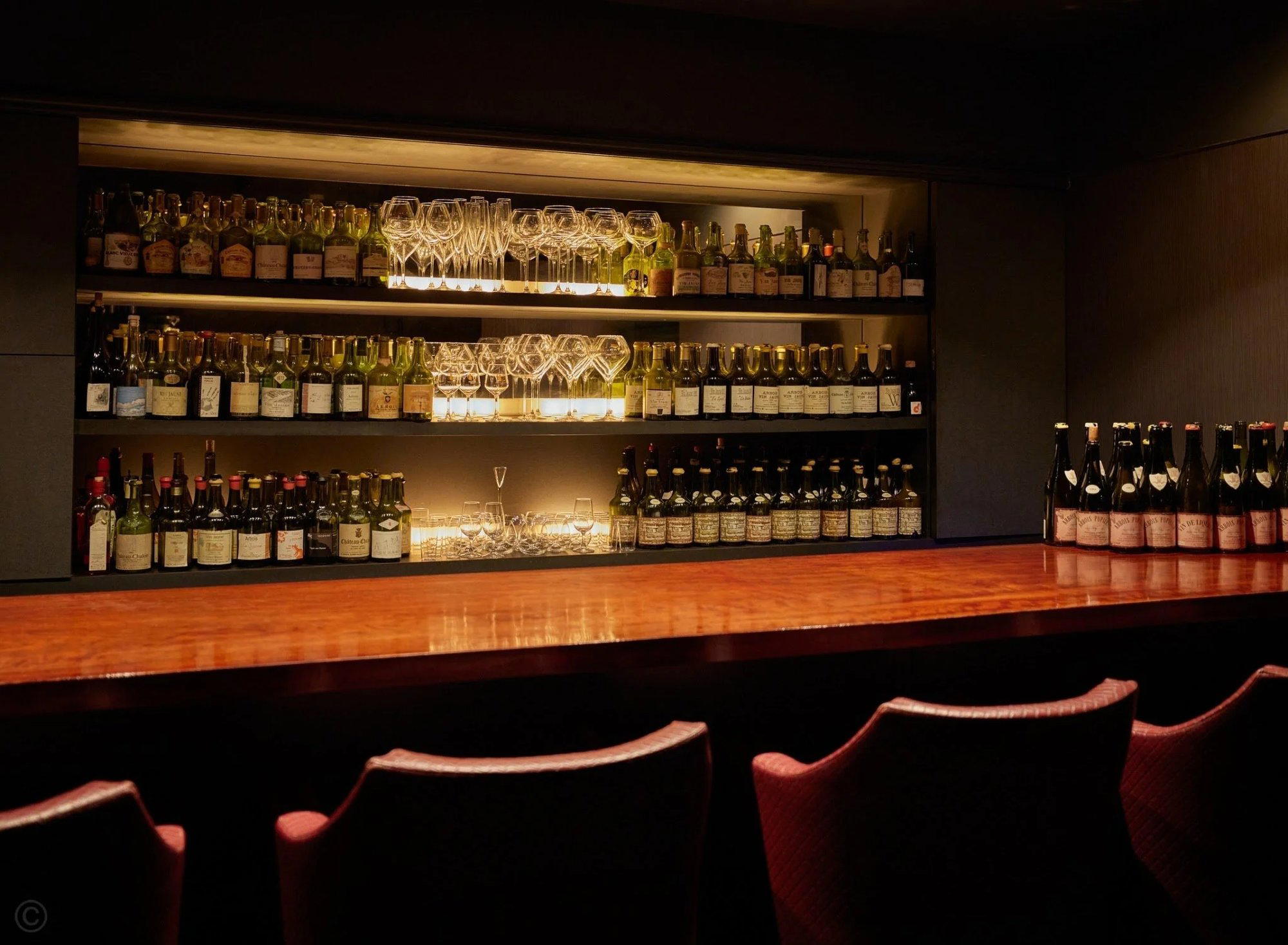
Small, reservation-focused yakitori counter with a calm, elegant atmosphere; guests enjoy a paced omakase course in a quiet, intimate room that feels more like a refined Japanese bistro than a casual yakitori bar.