
On Naamsestraat in central Leuven, Taste is building a reputation around vegetable-forward cooking at a time when plant-led menus are reshaping how Belgian restaurants define serious dining. The kitchen, led by Chef Bart Tastenoye, runs both a traditional menu and a dedicated vegetable menu, with a structural commitment to local and seasonal sourcing that places it inside Leuven's emerging contemporary dining conversation.
Pearl is the En Primeur Club membership app — saves, bookings, and concierge access live there. Same editors, same standards.
- Address
- Naamsestraat 62, 3000 Leuven, Belgium
- Phone
- +32 16 84 87 32
- Website
- leuventaste.be
- Directions
- Get directions
 Saves & bookings on Pearl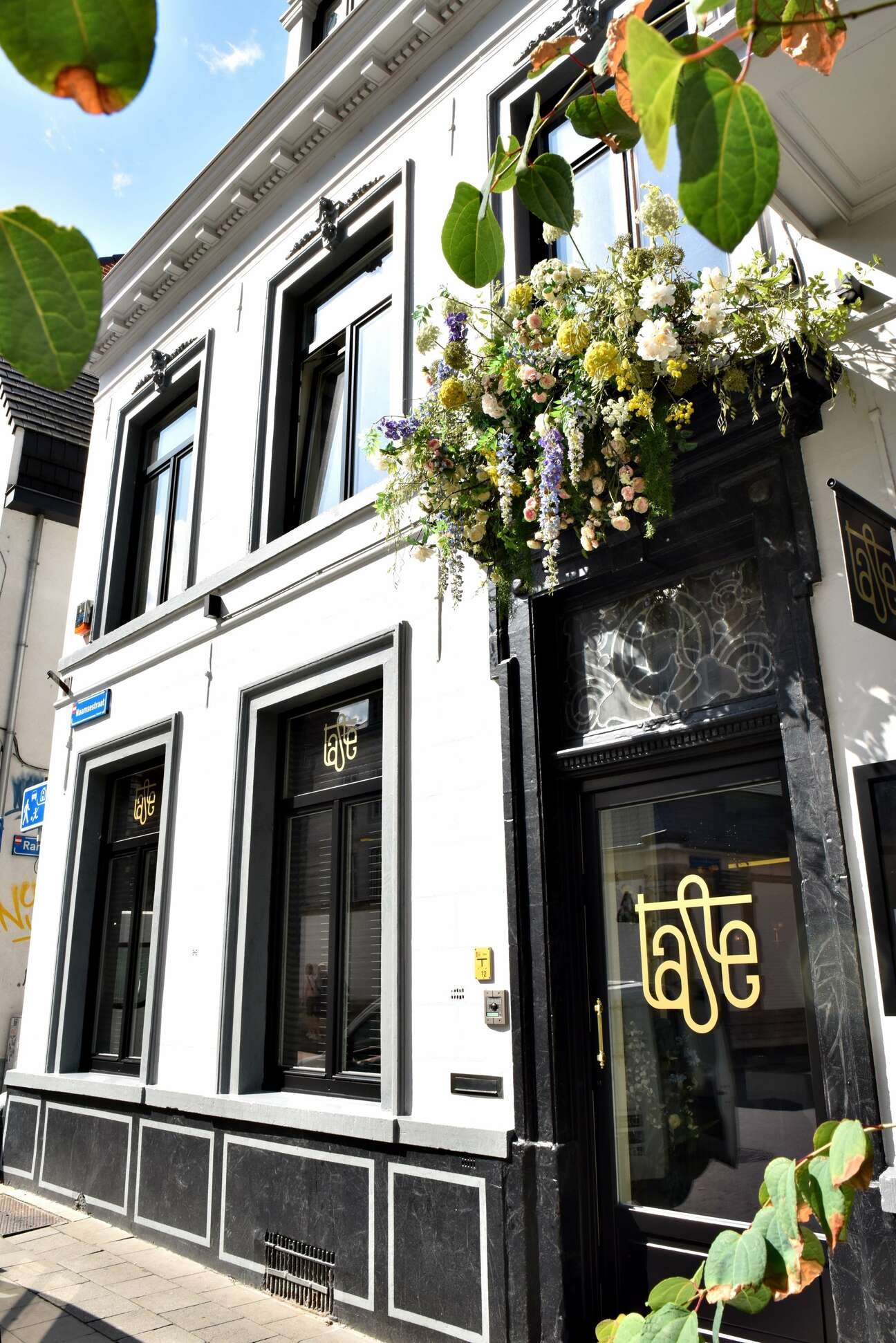
A Menu That Takes a Position
There is a particular moment in the life of a serious restaurant when the menu stops being a list of dishes and starts being an argument. At Taste on Naamsestraat, that argument is about vegetables: not as garnish, not as accommodation for dietary restrictions, but as a parallel structure sitting alongside the more traditional offerings with equal architectural weight. The move toward a dedicated vegetable menu reflects a broader shift happening across Belgium's mid-to-upper dining tier, where local and seasonal sourcing has moved from a marketing footnote to a structural kitchen principle. Taste is one of the cleaner examples of a restaurant committing to that principle without hedging.
Leuven's dining scene occupies a specific position in the Belgian context: small enough to retain genuine neighborhood character, large enough to support restaurants that compete on technique rather than volume. On Naamsestraat, Taste sits among the city's more considered dining options, operating at a remove from the student-bar economy that dominates parts of the city center. The street itself connects the old town to the Heverlee direction, and the address at number 62 places the restaurant within comfortable walking distance of the Grote Markt.
How the Menu Is Structured
The decision to offer a vegetable menu alongside traditional options is not simply a nod to contemporary preferences. It reflects a structural commitment that requires separate sourcing logic, different prep timelines, and a kitchen willing to apply the same technical rigor to root vegetables and brassicas that it would to protein-led courses. The We're Smart restaurant framework, which Taste has been working toward, provides one lens for evaluating this: the system rates restaurants on how centrally vegetables feature in the menu's architecture, not just whether they appear. Reaching meaningful status within that framework signals that the vegetable menu at Taste is not decorative.
Chef Bart Tastenoye and host Dorotee Hoste have framed 2024 as a period of continued testing on the plant-based side, with explicit plans to report findings back to their community. That feedback loop is a detail worth noting: it suggests the menu is being treated as a live document rather than a fixed statement, with the vegetable program specifically positioned as evolving. The reference to radishes as a point of curiosity may read as light-hearted, but it points toward a kitchen that is genuinely working through what a seasonal, local, plant-led menu can look like across the calendar year in this part of Flanders.
For diners who want a comparison point, Leuven's Convento Wijnbistro also works within a farm-to-table framework, though with a stronger wine-pairing emphasis. EED and EssenCiel operate at the top of Leuven's formal dining bracket with menus that lean toward French and modern Flemish technique respectively. Taste's dual-menu architecture sits in a different conversation: less about classical technique performance, more about how a contemporary restaurant builds its sourcing and menu logic from the ground up.
Vegetables as a Serious Dining Category in Belgium
Across Belgium, the restaurants that have most seriously engaged with vegetable-led menus tend to share a few traits: they source hyperlocally, they change with the season rather than approximating it, and they resist the impulse to use meat substitutes as a crutch. The more credible examples treat vegetables as a primary ingredient category that demands its own technical vocabulary. At the higher end of this spectrum nationally, restaurants like Hof van Cleve in Kruishoutem and Boury in Roeselare have both integrated vegetable work at serious technical levels without abandoning classical structures. Zilte in Antwerp and Willem Hiele in Oudenburg each demonstrate how a strong editorial point of view about ingredients can define a restaurant's identity more clearly than format or price point alone.
Taste is operating in that tradition at Leuven scale, which means a more accessible register than the Michelin-decorated names above, but with a similar underlying logic: the menu should express a position about sourcing, and the kitchen should be able to defend that position dish by dish. The We're Smart alignment is a public signal of that intent, even if the restaurant is still working through what the full plant-based program looks like in practice.
The Leuven Context
Leuven rewards careful selection. The university city draws a dining public that ranges from students to academic faculty to the professional population of a mid-sized Flemish city, and the restaurant options reflect that spread. At the more serious end, Cum Laude and Bistro Tribunal serve different appetites: the former with modern cuisine ambitions, the latter with a focus on meats and grills. Taste occupies a distinct niche within this spread, defined more by its sourcing philosophy and menu architecture than by price tier or format alone.
For anyone building a longer stay around the city's dining options, the full Leuven restaurants guide provides broader coverage across categories. The Leuven hotels guide, bars guide, wineries guide, and experiences guide round out the picture for visitors planning time in the city. Outside Belgium, the contrast between plant-led tasting formats and protein-anchored classical dining is playing out internationally too: compare the architectural decisions made at Le Bernardin in New York or Emeril's in New Orleans, where the menu structure communicates identity as clearly as any single dish.
Planning a Visit
Taste is located at Naamsestraat 62, 3000 Leuven. The restaurant's alignment with the We're Smart framework and its evolving plant-based program makes it a relevant choice for diners interested in where Belgian contemporary cooking is heading on the vegetable side, not just diners with dietary preferences. The dual-menu format means the visit works equally for tables with mixed priorities. Given the restaurant's stated intention to keep its community informed about the plant menu's development, early 2024 represented a period of active experimentation: visiting during or after that cycle gives access to a menu with more accumulated decisions behind it. Specific hours, pricing, and booking details are not listed centrally, so contacting the restaurant directly via their Naamsestraat address or checking current listings is the practical first step for reservations. For comparable Brussels dining in a different register, Bozar Restaurant offers a point of reference on how a city-scale contemporary dining room operates with its own editorial identity, and Bartholomeus in Heist provides an example of how a coastal Belgian restaurant builds a distinct sourcing logic from its geography.
How Taste Leuven compares with similar nearby venues.
| Venue | Cuisine | Price | Awards |
|---|---|---|---|
| Taste | Not listed | Not listed | We're Smart World 2025, 4 Radishes |
| d'Artagnan | Modern French | €€€ | Not listed |
| Guzzi | Italian | €€ | Not listed |
Recognition history
Dated appearances from independent guides and award organizations, with the underlying list record or original source where available.
We're Smart World 4 Radishes
We're Smart World
Continue exploring
More in Leuven
Restaurants in Leuven
Browse all →
Bars in Leuven
Browse all →
Hotels in Leuven
Browse all →
Wineries in Leuven
Browse all →
At a Glance
- Bohemian
- Elegant
- Intimate
- Sophisticated
- Cozy
- Date Night
- Special Occasion
- Celebration
- Open Kitchen
- Historic Building
- Design Destination
- Standalone
- Sommelier Led
- Beer Program
- Local Sourcing
Current opening hours
- Monday
- Closed
- Tuesday
- 7–11:30 PM
- Wednesday
- 7–11:30 PM
- Thursday
- 7–11:30 PM
- Friday
- 12–4 PM, 7–11:30 PM
- Saturday
- 7–11:30 PM
- Sunday
- Closed
Hours can change for holidays and private events. Last verified .
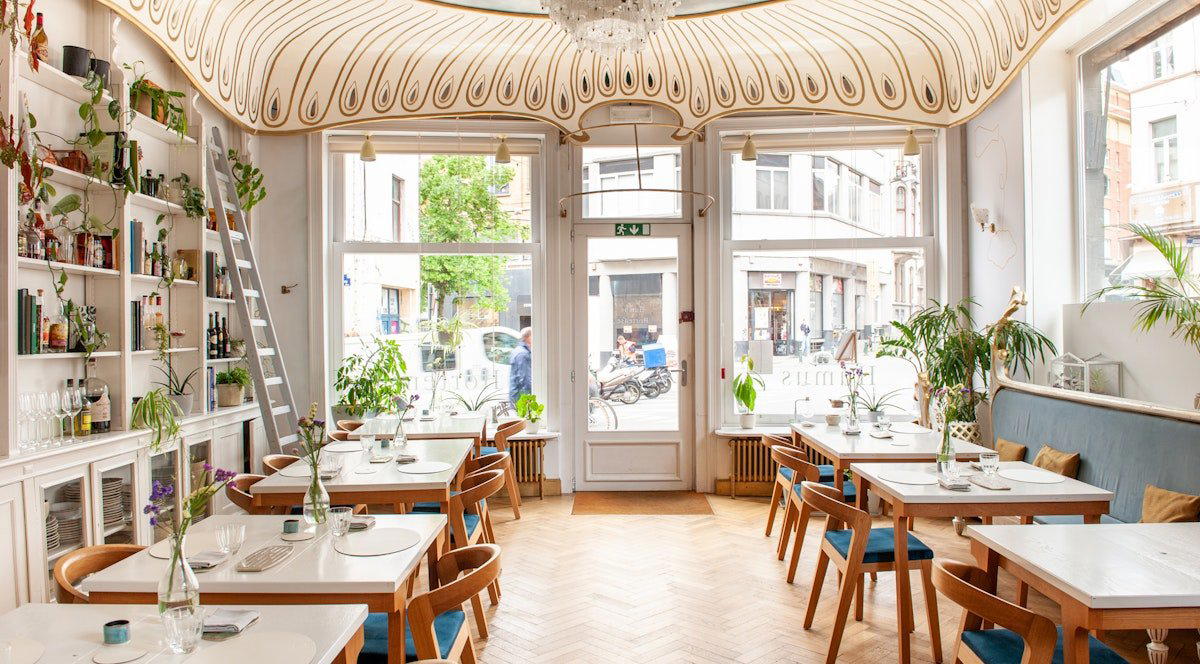
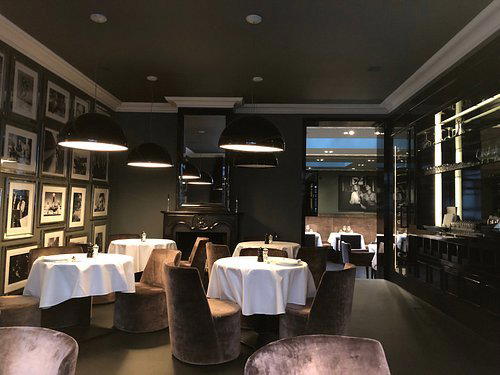
Modern yet historically grounded interior with tasteful contemporary décor in a beautiful historical building; pleasantly casual and not crowded, with warm and welcoming service that balances professionalism with approachability.
Know Before You Go
- Getting there
- Naamsestraat 62, 3000 Leuven, Belgium