Allison occupies a quietly authoritative position on Hogeschoolplein, one of Leuven's more considered dining addresses. The cooking sits within a Belgian tradition that takes ingredient provenance seriously, placing it among the city's upper-mid tier where sourcing discipline tends to separate the credible from the merely competent. For visitors working through the Flemish dining circuit, it warrants a place on the itinerary.
Pearl is the En Primeur Club membership app — saves, bookings, and concierge access live there. Same editors, same standards.
- Address
- Hogeschoolplein 8, 3000 Leuven, Belgium
- Website
- allisonleuven.com
- Directions
- Get directions
 Saves & bookings on Pearl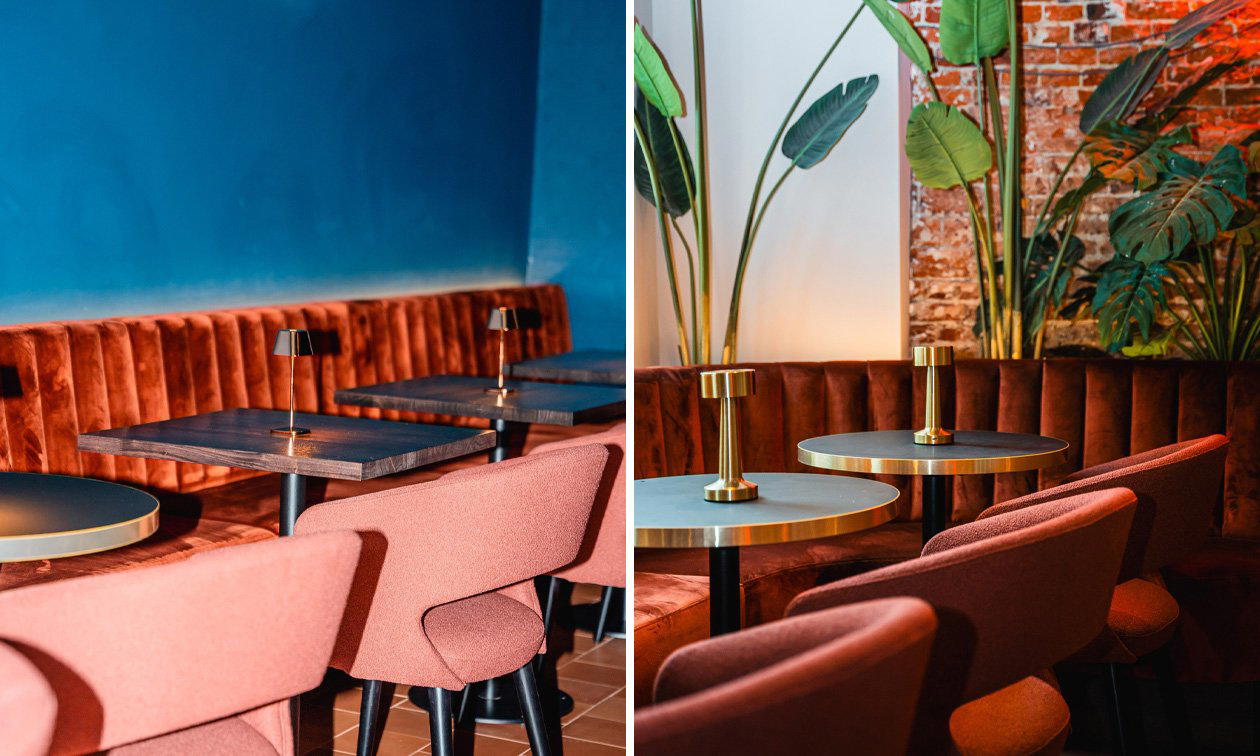
Hogeschoolplein and the Dining Tier It Anchors
There is a particular kind of square in Flemish university cities that functions as both civic space and culinary address: wide enough to feel open, bounded enough to feel considered. Hogeschoolplein in Leuven operates this way. The buildings carry academic weight, the foot traffic mixes students with faculty and visitors, and the restaurants that have settled here tend to reflect that mix of seriousness and accessibility. Allison, a restaurant at number 8, sits within this frame rather than apart from it.
It is not Antwerp, which has developed an internationally legible restaurant culture around addresses like Zilte, and it is not Ghent, where Vrijmoed has become a reference point for vegetable-forward fine dining. Leuven operates at a register that suits a mid-sized Flemish city with a large, educated residential population: attentive cooking without the ceremony that marks Belgium's Michelin-flagged circuit, represented regionally by addresses such as Hof van Cleve in Kruishoutem and Boury in Roeselare. Allison belongs to the tier that sits between neighbourhood bistro and destination restaurant, where the kitchen takes sourcing seriously without making it the whole performance.
Where the Food Comes From, and Why That Shapes the Plate
Belgian cooking at its most credible is rooted in a specific relationship with provenance. The country's agricultural geography, compact but genuinely diverse, has historically supported a kitchen culture built around seasonal discipline and short supply chains. Flemish Brabant, the province Leuven anchors, sits at the centre of that geography: surrounded by vegetable-growing country to the south, market garden traditions to the north, and a culture of local butchery and charcuterie that predates modern farm-to-table rhetoric by several generations.
Restaurants operating in this tradition, and Allison reads as one that takes it seriously, tend to structure their menus around what the region can reliably produce at a given time of year rather than around a fixed identity imposed regardless of season. That approach is visible across the stronger end of the Belgian dining circuit. Willem Hiele in Oudenburg has made provenance its defining framework at a national level. La Durée in Izegem operates within similar sourcing discipline. What connects these addresses is not a shared style but a shared starting point: the ingredient as constraint and inspiration simultaneously.
For diners visiting Allison, this means the menu is likely shaped by what Flemish Brabant is producing in a given week rather than by a set of signature dishes engineered for repeatability. That orientation rewards visitors who arrive without fixed expectations and penalises those seeking a stable reference point across visits. It is a model that suits an educated local clientele, which Leuven's university population provides in reliable quantity.
Allison Within Leuven's Current Restaurant Cohort
Leuven's upper-mid dining tier has developed a degree of coherence over the past decade. The city now supports several addresses where the cooking is technically considered and the sourcing is not decorative. EED, working in Flemish modern cuisine at the €€€€ price point, represents the more formal end of that tier. EssenCiel, with its French contemporary framing at the same price level, offers a different orientation but similar kitchen seriousness. Both provide useful calibration points for understanding where Allison sits within the local competitive set.
Below that tier, addresses like Alfalfa, Baracca, and Barba handle the more casual end of the market competently. Allison's position on Hogeschoolplein suggests it is not competing in the lowest price bracket, nor is it pitching at the full fine-dining ceremony of EED or EssenCiel. It operates in the productive middle, where cooking ambition and price accessibility can coexist, and where sourcing quality tends to be the clearest differentiator from the merely reliable.
Belgian Dining in a Wider European Frame
Belgium's restaurant culture occupies a specific position in the European conversation: it has produced more Michelin stars per capita than most other countries, yet its profile outside the country remains disproportionately low. The Flemish half of that culture draws on French technique filtered through a Dutch-language sensibility that values directness, seasonal discipline, and an aversion to ceremony for its own sake. The results tend to be cooking that is technically precise without being theatrical.
That distinction is worth making when comparing Belgian addresses to international reference points. Le Bernardin in New York operates in a register of formal French technique and total consistency. Lazy Bear in San Francisco has built its identity around communal format and provenance narrative. Belgian restaurants of Allison's type do neither: they tend to let the ingredient speak with less contextual scaffolding, which suits some diners considerably better than others. Bozar Restaurant in Brussels operates within a similar Belgian framework at a more institutionally prominent address. Elsewhere in the country, d'Eugénie à Emilie in Baudour and Cuchara in Lommel illustrate how varied regional expressions within Belgian fine and upper-mid dining can be, even within a shared sourcing philosophy. Ralf Berendsen in Neerharen rounds out the picture of a national scene with considerable geographic spread and tonal range.
Planning a Visit
Allison is located at Hogeschoolplein 8 in Leuven's central zone, within walking distance of the main university district. Leuven sits approximately 25 kilometres east of Brussels on the main intercity rail line, making it accessible as either a day trip or an overnight from the capital. The square itself is direct to reach on foot from Leuven station.
A Quick Peer Check
Comparable venues nearby, for context on price, style, and recognition.
| Venue | Cuisine | Price | Notes |
|---|---|---|---|
| AllisonThis venue — the venue you are viewing | Asian Fusion Bites & Creative Cocktails | $$ | Not listed |
| Cocktailbar - Professor | Craft Cocktails | $$ | historic center |
| ZOff | Catchy Italian Bar | $$ | City Center |
| Sinatra | Cocktail Bar | $$ | Vismarkt |
| Trente | Modern French-Belgian Fine Dining | $$$$ | Stads centrum |
| Noordoever | Organic Vegetarian Buffet | $$ | Vaartkom |
Continue exploring
More in Leuven
Restaurants in Leuven
Browse all →
Bars in Leuven
Browse all →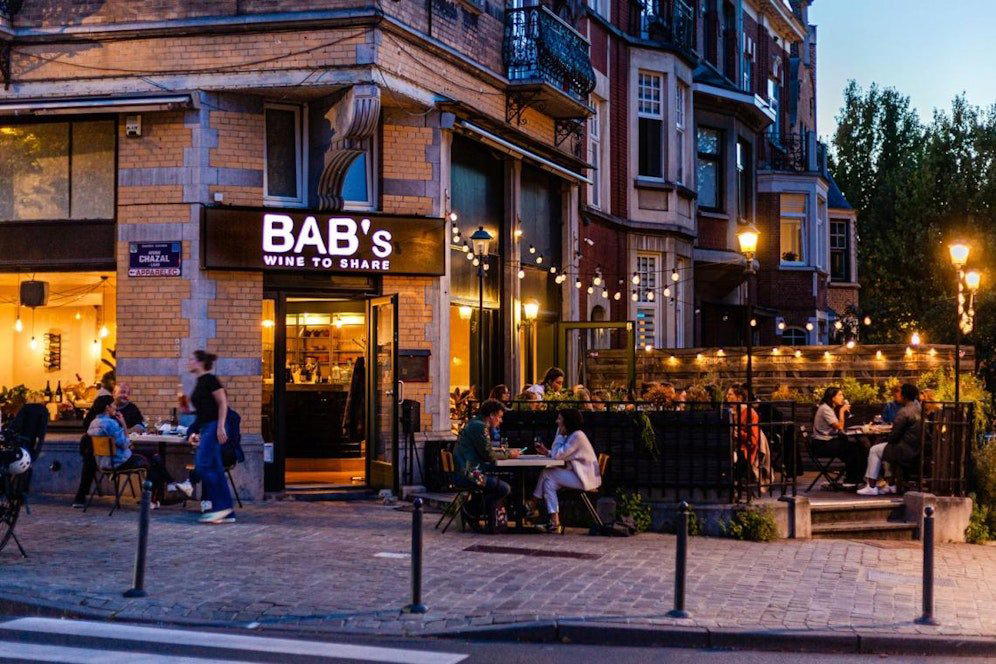
Hotels in Leuven
Browse all →
Wineries in Leuven
Browse all →
At a Glance
- Lively
- Trendy
- Cozy
- Date Night
- Casual Hangout
- After Work
- Terrace
- Craft Cocktails
- Street Scene
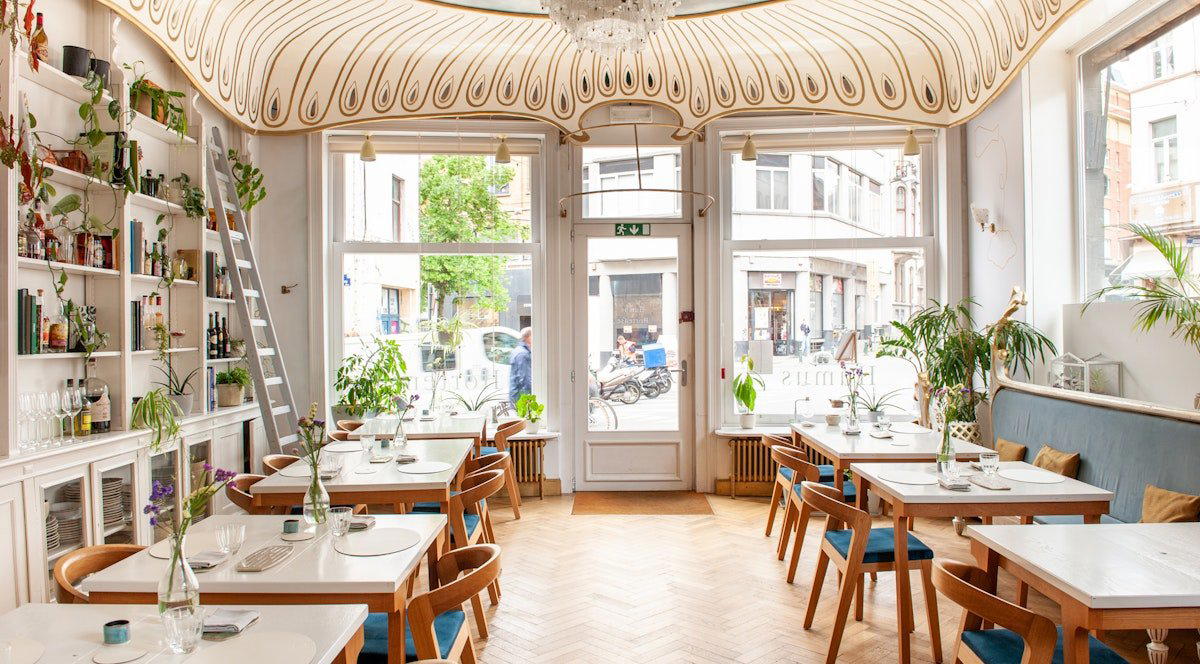
Festive and cozy atmosphere with stylish interior and large terrace in a calm square.