Tapes Jardi sits on Carrer de la Marina in Sant Martí, one of Barcelona's most architecturally layered districts, where the post-Olympic waterfront meets older residential streets. The format follows the tapas tradition as a social framework rather than a prelude to something else, placing it in a neighbourhood tier that operates away from the Eixample fine-dining corridor. For visitors tracking Barcelona's broader eating culture, it offers a street-level counterpoint to the city's heavier creative-cuisine concentration.
Pearl is the En Primeur Club membership app — saves, bookings, and concierge access live there. Same editors, same standards.
- Address
- Carrer de la Marina, 59, Sant Martí, 08005 Barcelona, Spain
- Phone
- +34936035502
- Website
- tapesjardi.com
- Directions
- Get directions
 Saves & bookings on Pearl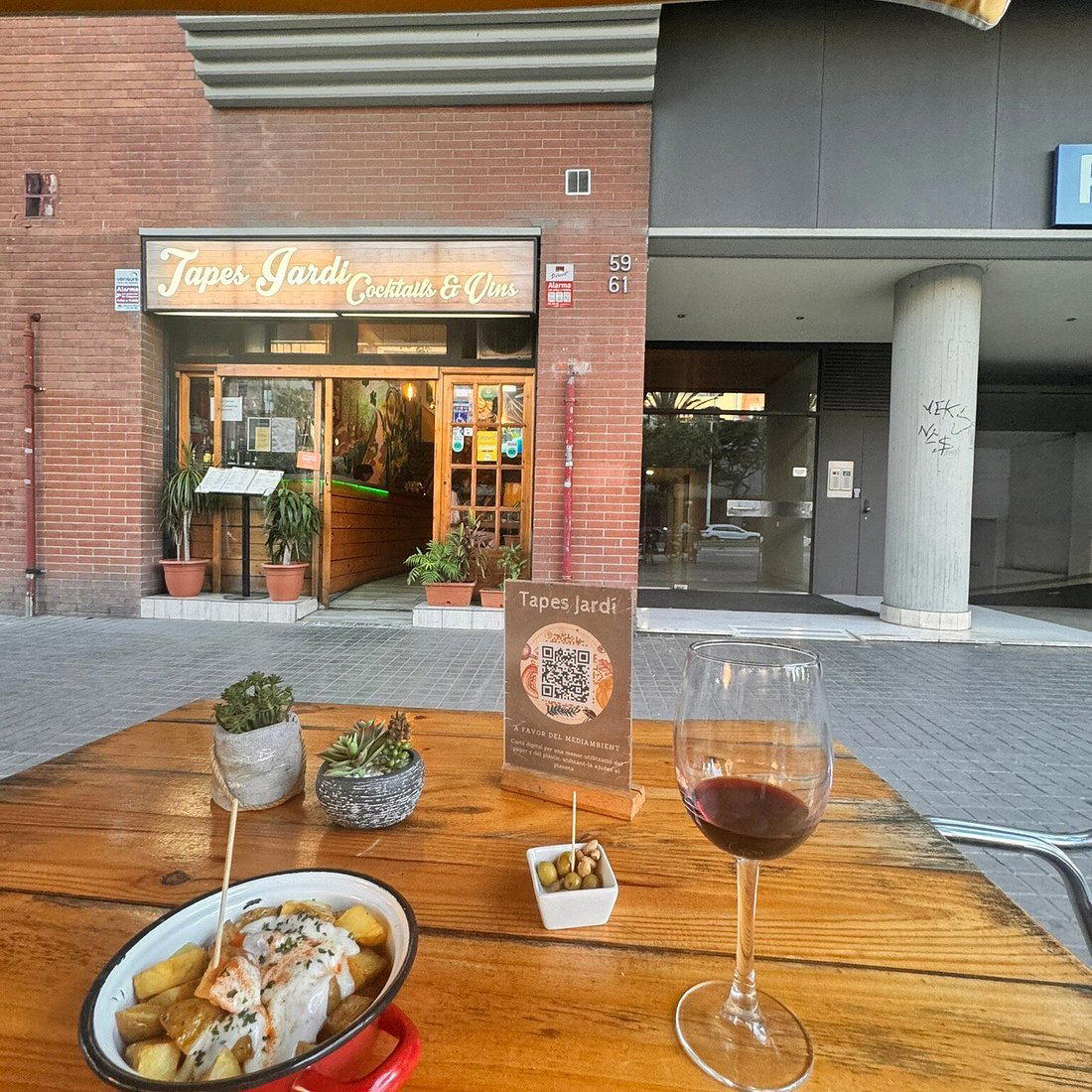
Sant Martí and the Architecture of the Everyday Tapas Bar
Tapes Jardi is a modern Mediterranean tapas restaurant in Sant Martí, Barcelona, at Carrer de la Marina, 59. The Eixample holds the density of Michelin-starred rooms: Cocina Hermanos Torres, Disfrutar, ABaC, Lasarte, and Enigma all operate within a concentrated band of the city's middle grid. Sant Martí, the district that runs east toward the sea along Carrer de la Marina, functions differently. It was reshaped by the 1992 Olympic infrastructure but has retained residential density that keeps its eating culture closer to the neighbourhood bar than to the tasting-menu counter. Tapes Jardi sits on that street, in that context, and the address alone positions it within a different logic than the Eixample circuit.
The tapas format, in Spanish culinary tradition, is not a simplified version of fine dining. It is a distinct social architecture: food arrives as a sequence of small, shareable plates, the table turns slowly or not at all, and the physical container of the room matters as much as what comes out of the kitchen. In Barcelona, that container tradition spans everything from tiled, century-old bars in the Gothic Quarter to post-industrial loft conversions in Poblenou, one neighbourhood over from Sant Martí's waterfront edge. Where a room sits on that spectrum tells you a great deal about what the kitchen is trying to do and who the room is designed for.
The Physical Framework: What the Space Communicates
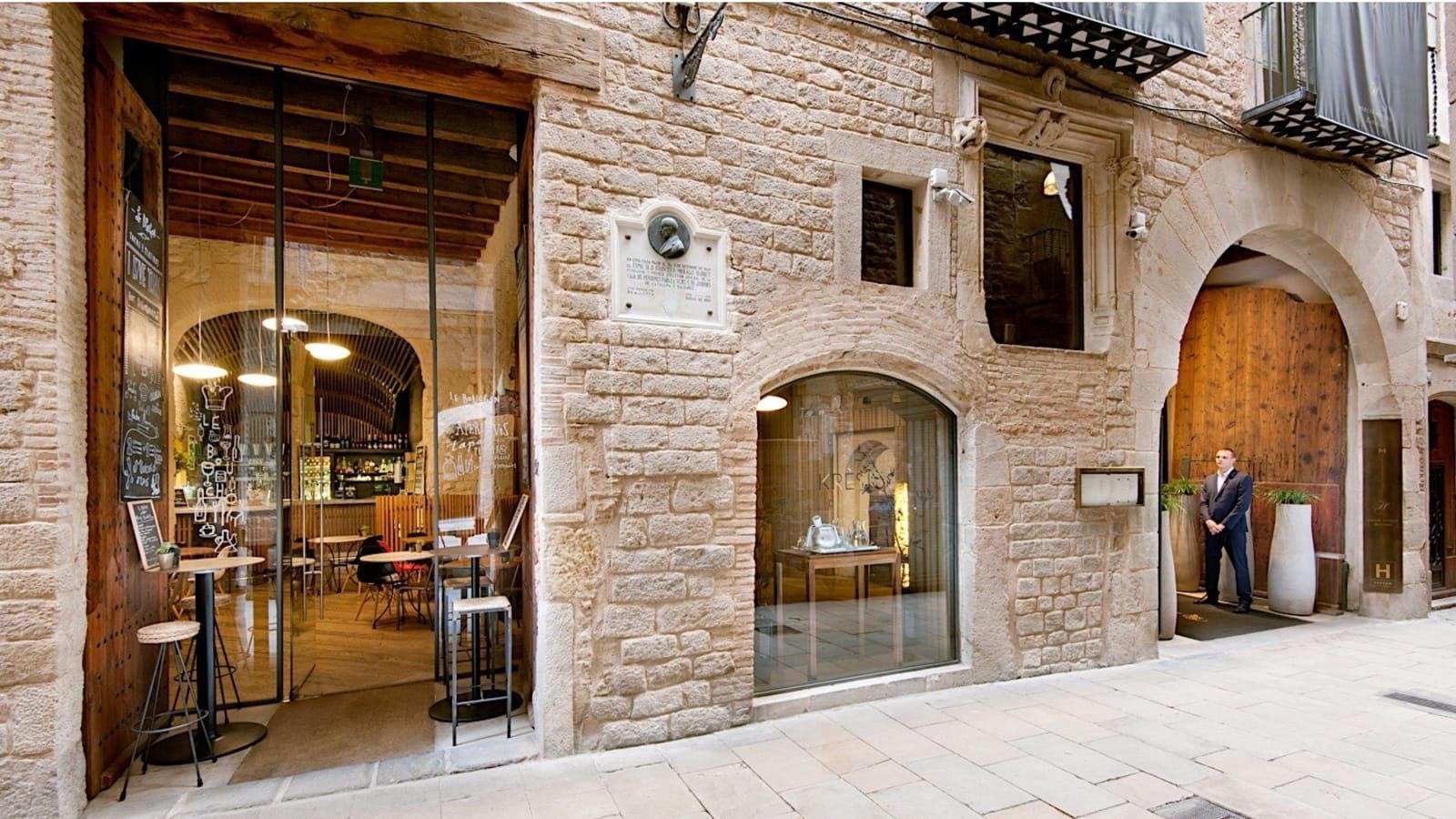
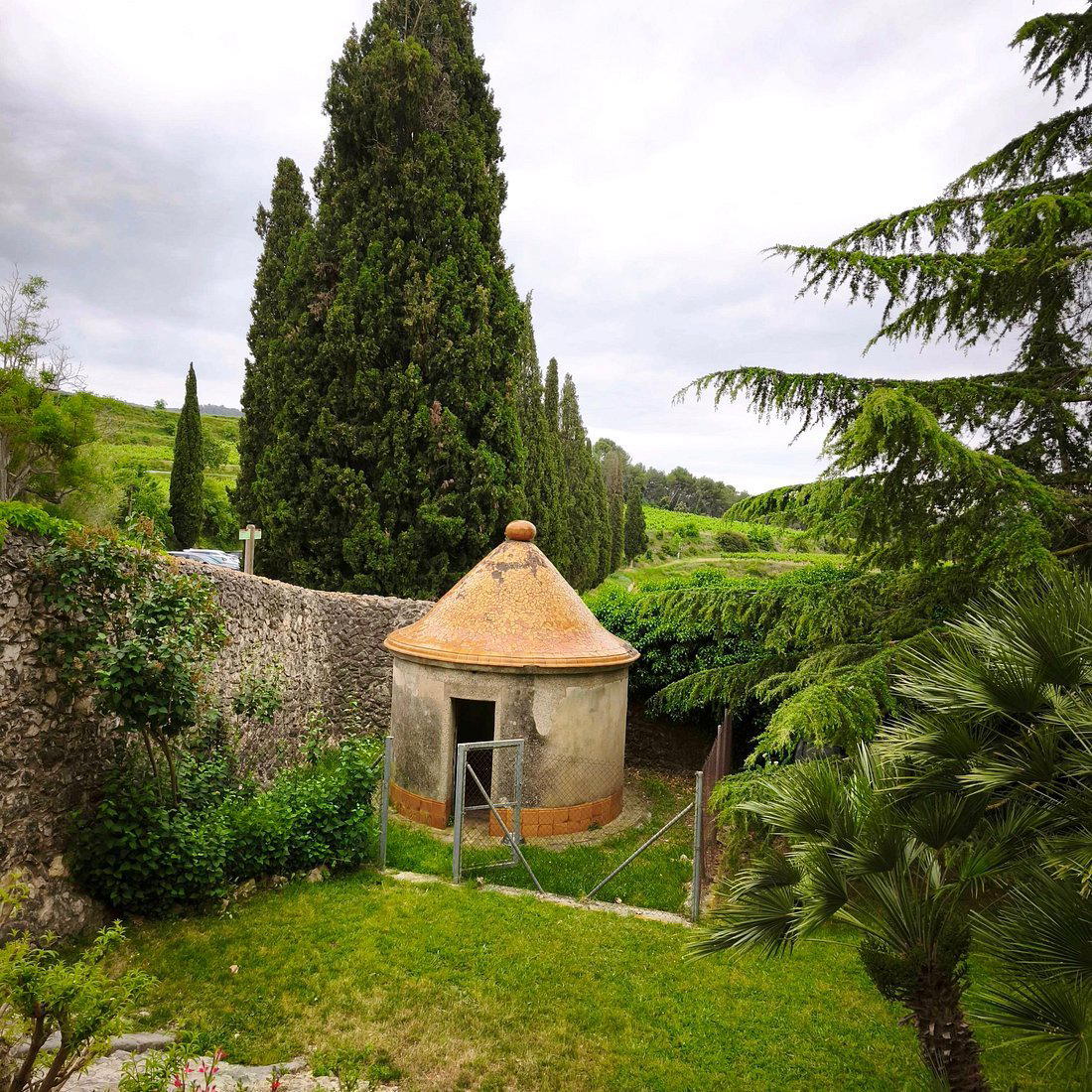
The name Tapes Jardi, read literally, suggests a garden-tapas register: outdoor or semi-outdoor seating, natural light, a more relaxed pace than an enclosed dining room. In Mediterranean coastal cities, this format carries specific seasonal weight. The distinction between eating inside and eating in a jardí, or garden-adjacent space, is not cosmetic. It changes the rhythm of service, the noise level, the length of time a table naturally occupies, and the style of dishes that work within it. Lighter preparations, ambient temperature plates, and dishes that tolerate a slower pace of consumption all perform better in open-air or garden-framed settings than in enclosed, climate-controlled rooms.
Barcelona's climate makes this format particularly durable. The city averages more than 300 days of usable outdoor-dining weather annually, and the shoulder seasons, April through June and September through November, represent the period when outdoor eating works at its most comfortable. Midday heat in July and August pushes some diners indoors, but the evening hours remain viable for outdoor seating well into late October. A venue positioned around a garden or terrace format is, in this city, making a deliberate seasonal bet that pays for the majority of the year.
Sant Martí's proximity to the waterfront adds another layer. The post-Olympic Barceloneta and Vila Olímpica shoreline, accessible from Carrer de la Marina, created a hospitality corridor that over the following decades became heavily touristic at its edges while the interior residential blocks maintained a more local character. A tapas bar on Carrer de la Marina itself occupies the seam between those two registers, close enough to the waterfront to draw visitors moving between the beach and the city's interior, but addressed to a street-level residential reality rather than purely to tourist traffic.
Tapas in the Broader Spanish Context
To understand where neighbourhood tapas bars like Tapes Jardi sit within Spain's eating culture, it helps to hold the full range of the country's restaurant scene in view. Spain's leading creative kitchens, El Celler de Can Roca in Girona, Mugaritz in Errenteria, Arzak in San Sebastián, Azurmendi in Larrabetzu, Aponiente in El Puerto de Santa María, DiverXO in Madrid, Quique Dacosta in Dénia, Martin Berasategui in Lasarte-Oria, Ricard Camarena in València, and Atrio in Cáceres represent the haute end of a national food culture that built its international reputation partly on the avant-garde movement that emerged from the Basque Country and Catalunya in the 1990s and 2000s. But that movement did not displace the tapas bar. It coexisted with it, and the two formats address entirely different needs.
The tapas bar operates on frequency rather than occasion. It is where you eat on a Tuesday, where a table of four can order and reorder without committing to a fixed format, and where the physical room is designed to accommodate that kind of casual, extended social use. The garden or terrace version of that format pushes the social dimension further, making the space itself part of the reason to be there. For context, similarly structured international venues, including well-regarded American dining rooms like Le Bernardin in New York City or Atomix in New York City, operate in entirely different registers, where the room design serves a fixed tasting format rather than a fluid sharing one. The contrast illustrates how much of what a dining room communicates is structural rather than purely aesthetic.
Planning a Visit
The restaurant is located at Carrer de la Marina, 59, in the Sant Martí district, postal code 08005. The address places it near the waterfront and the Eixample's eastern edge.
Reservations are recommended. Dress: casual. Budget: about $25 per person. Leading timing: The spring and autumn shoulder seasons, April to June and September to October, deliver particularly comfortable conditions for outdoor or garden seating without the peak-summer heat that compresses Barcelona's lunchtime window.
Comparable Spots
Comparable venues nearby, for context on price, style, and recognition.
| Venue | Cuisine | Price | Notes |
|---|---|---|---|
| Tapes JardiThis venue — the venue you are viewing | Modern Mediterranean Tapas | $$ | Not listed |
| Casa Club Montjuïc | Mediterranean Market Cuisine | $$ | la Marina de Port |
| San Telmo | Modern Mediterranean Tapas | $$ | Sant Gervasi - Galvany |
| Soma restaurant | Modern Mediterranean with Italian Influences | $$ | l'Antiga Esquerra de l'Eixample |
| Bistro Mató | Mediterranean Bistro | $$ | Pedralbes |
| Restaurante Seventeen | Mediterranean and Catalan Fusion | $$ | la Dreta de l'Eixample |
Continue exploring
More in Barcelona
Restaurants in Barcelona
Browse all →
Bars in Barcelona
Browse all →
Hotels in Barcelona
Browse all →



At a Glance
- Modern
- Trendy
- Casual
- Casual Hangout
- Group Dining
- After Work
- Standalone
- Extensive Wine List
- Local Sourcing
Casual gastrobar atmosphere centered on modern tapas, seasonal ingredients, and a relaxed dining experience.