Montjuïc and the Question of What a Club Can Become The hill of Montjuïc has spent the better part of a century shedding identities. Fortifications gave way to the 1929 International Exhibition, then to the Olympic infrastructure of 1992, then...
Pearl is the En Primeur Club membership app — saves, bookings, and concierge access live there. Same editors, same standards.
- Address
- Carrer del Segura, Sants-Montjuïc, 08038 Barcelona, Spain
- Phone
- +34935958385
- Website
- casaclubmontjuic.com
- Directions
- Get directions
 Saves & bookings on Pearl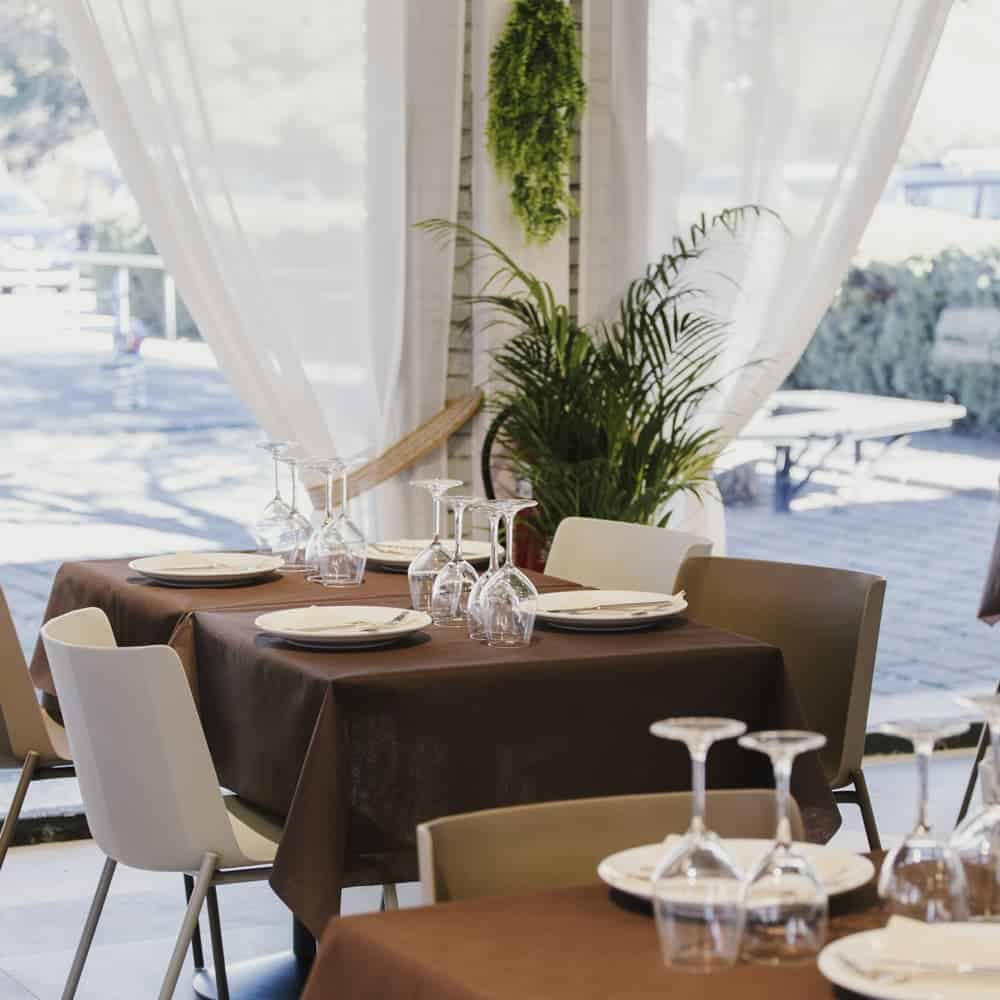
Montjuïc and the Question of What a Club Can Become
Casa Club Montjuïc is a restaurant in Barcelona's Sants-Montjuïc district, serving Mediterranean Market Cuisine at an approachable price point. The hill of Montjuïc has spent the better part of a century shedding identities. Fortifications gave way to the 1929 International Exhibition, then to the Olympic infrastructure of 1992, then to a slow reinvention as a cultural and residential district that still feels partially unresolved. Against that backdrop, Casa Club Montjuïc occupies a position in the Sants-Montjuïc district that is less about arrival than about process: the address on Carrer del Segura sits in a part of the city that rewards local knowledge over tourist reflex.
That geographic context matters because Montjuïc's dining and hospitality scene has developed differently from the Eixample or El Born. While Barcelona's higher-profile restaurant corridor runs through Carrer de Muntaner and the blocks around Disfrutar and Cocina Hermanos Torres, venues on the hill operate with a different orientation: less dependent on passing trade, more reliant on a core audience. Casa Club Montjuïc fits that pattern.
How the Club Format Has Evolved in Barcelona
Barcelona's private club and members-oriented social dining format has gone through several distinct phases. In the 1980s and 1990s, the model leaned heavily on exclusion as its primary signal of quality. The 2000s brought a wave of self-conscious design venues. By the 2010s, the city's more thoughtful operators had begun asking a different question: what does a club format actually owe its members in terms of programming, food quality, and a sense of place that holds up over time?
That evolution has played out unevenly across the city. At the upper end of the creative dining scene, restaurants like Disfrutar, ABaC, and Lasarte have established Barcelona as a serious reference point in European fine dining, The club-format venues operating below that tier have had to define their value proposition without the credentialing that a star or a 50 Best listing provides. The stronger ones have done it through consistency, neighbourhood rootedness, and a program that extends beyond the meal.
The restaurant belongs to the category of venue where the social architecture around the table matters as much as what is on it. The Sants-Montjuïc district has a working residential character that resists the polish of the tourist-facing waterfront. A venue operating here is making an implicit commitment to that texture.
Placing Montjuïc in Barcelona's Broader Dining Geography
Understanding where the restaurant sits requires understanding how Barcelona's neighbourhoods have segmented the hospitality market. The creative tasting-menu circuit is concentrated largely in the Eixample and the areas immediately north of the old city. Venues in that corridor, including Enigma, are competing explicitly on culinary ambition and technical novelty.
Montjuïc's position is lateral to that circuit, not subordinate to it. The hill has its own logic: proximity to the MNAC, the Fundació Joan Miró, and a park infrastructure that draws a different kind of visitor, one with a longer time horizon and a preference for experience over transaction. A venue that understands that audience and programs accordingly occupies a genuine niche.
Spain's broader gastronomic geography also provides useful context. The country's most celebrated creative kitchens are distributed across regions: El Celler de Can Roca in Girona, Mugaritz in Errenteria, Quique Dacosta in Dénia, Arzak in San Sebastián, Martin Berasategui in Lasarte-Oria, Azurmendi in Larrabetzu, Aponiente in El Puerto de Santa María, and DiverXO in Madrid. Barcelona's contribution to that picture is substantial, but it is concentrated in a small number of addresses. The rest of the city's dining life, including what happens on Montjuïc, operates in a different register that is no less serious for being less decorated.
For international reference: the model of a venue that combines a social club structure with serious food programming has parallels in cities like New York, where places such as Le Bernardin set a benchmark for sustained quality without theatrical reinvention, and San Francisco, where Lazy Bear demonstrates what a participatory dining format can achieve when the room and the menu are designed in relation to each other. The question for any club-format venue is whether the format is load-bearing or decorative.
The Reinvention Question
For venues in the club-adjacent category, reinvention is a recurring pressure. The risk in the format is calcification: a membership or regular audience that comes to expect stasis, and a room that begins to feel like a monument to its own founding moment. The stronger operators in this category treat reinvention not as a disruption but as a structural feature, building change into the program through rotating focus or seasonal shifts in offer.
What the Sants-Montjuïc district does suggest is that venues here have less margin for complacency than their counterparts in higher-footfall areas. The audience is more selective and the competition for their loyalty is quieter but more sustained. That tends to produce either genuine quality or early closure; the middle ground of coasting is harder to sustain.
For a broader picture of where Barcelona's restaurant scene is heading, the guide maps the full range from tasting menus to neighbourhood institutions worth knowing. Venues like Ricard Camarena in València and Atrio in Cáceres offer comparison points for how Spanish operators outside the major media centres have built durable reputations through consistency and clarity of identity rather than award cycles.
Know Before You Go
- Address: Carrer del Segura, Sants-Montjuïc, 08038 Barcelona, Spain
- District: Sants-Montjuïc, on the southwest side of the city, adjacent to the Montjuïc hill and park
- Getting There: Metro lines 1 and 3 serve Espanya station; several bus routes connect the district to the city centre
- Timing: The Sants-Montjuïc area is busier during major events at the Palau Sant Jordi and Anella Olímpica; plan accordingly if avoiding crowds
- Price range: about $40 per person
Quick Comparison
Comparable venues nearby, for context on price, style, and recognition.
| Venue | Cuisine | Price | Notes |
|---|---|---|---|
| Casa Club MontjuïcThis venue — the venue you are viewing | Mediterranean Market Cuisine | $$ | Not listed |
| Restaurante Echegaray | Mediterranean Market Tapas | $$ | el Poblenou |
| Port Vela Barcelona | Mediterranean Seafood & Paella | $$ | Port Vell |
| Agüelo013 | Modern Mediterranean Tapas | $$ | Barri Gotic |
| Funky Eatery | Mediterranean-Turkish Fusion Bistro | $$ | la Dreta de l'Eixample |
| La Cholita | Modern Mediterranean Tapas | $$ | Vilapicina i la Torre Llobeta |
Continue exploring
More in Barcelona
Restaurants in Barcelona
Browse all →
Bars in Barcelona
Browse all →
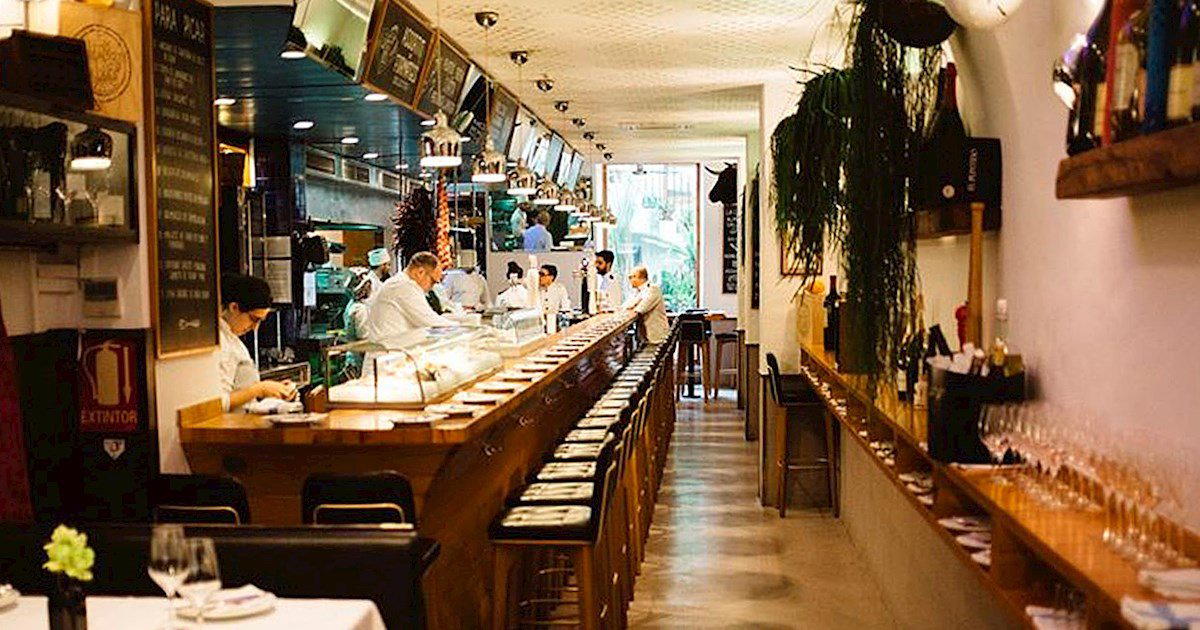
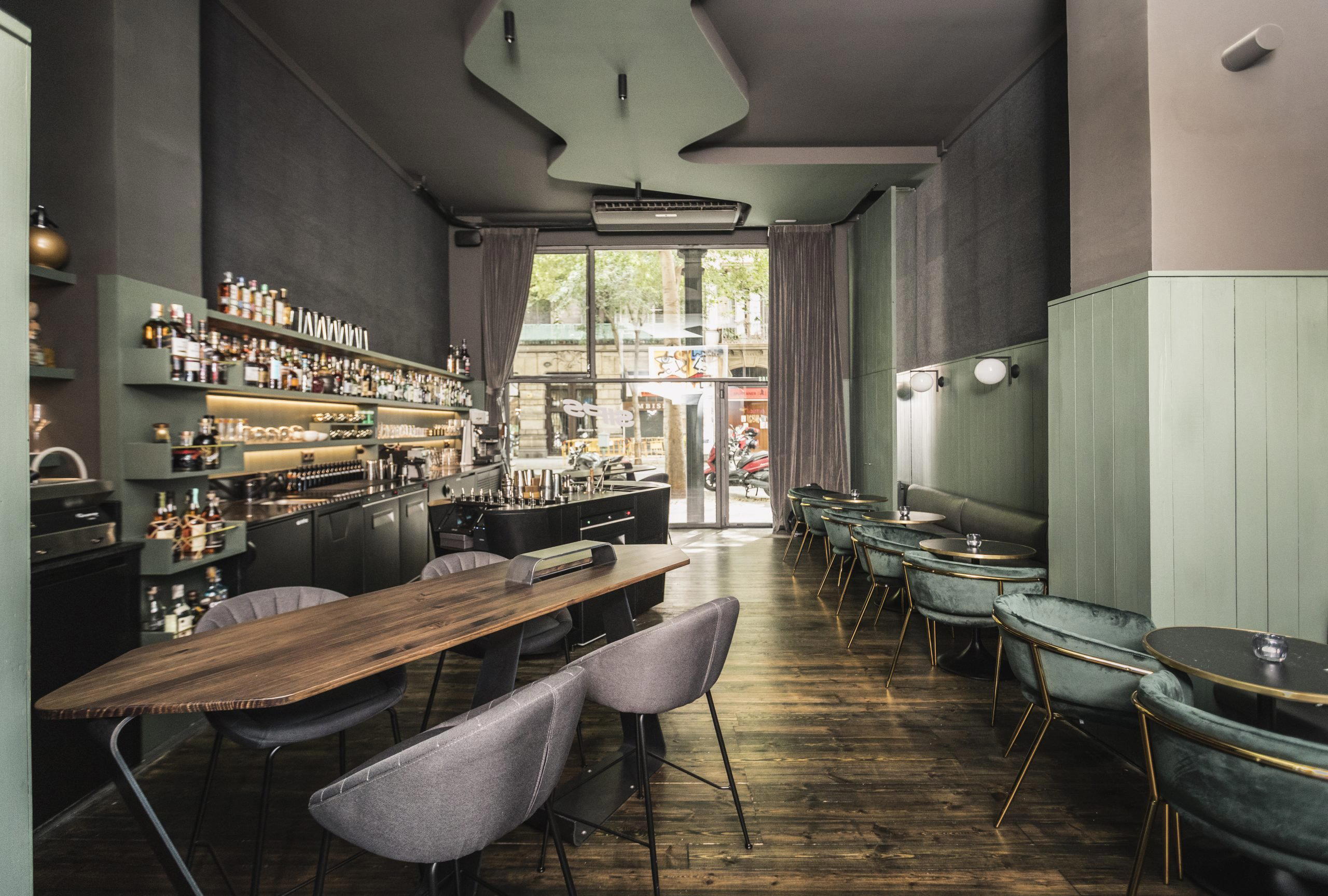
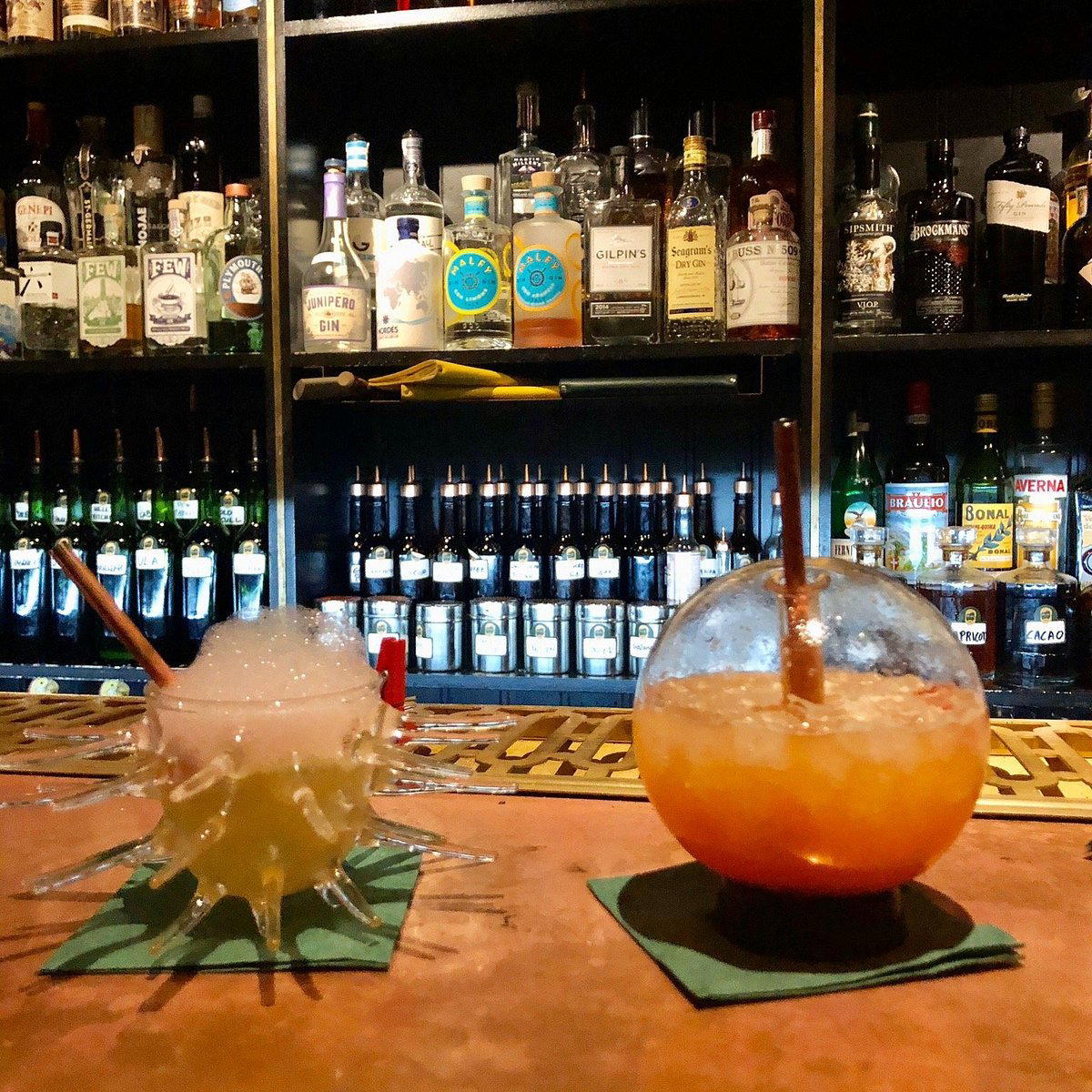
Hotels in Barcelona
Browse all →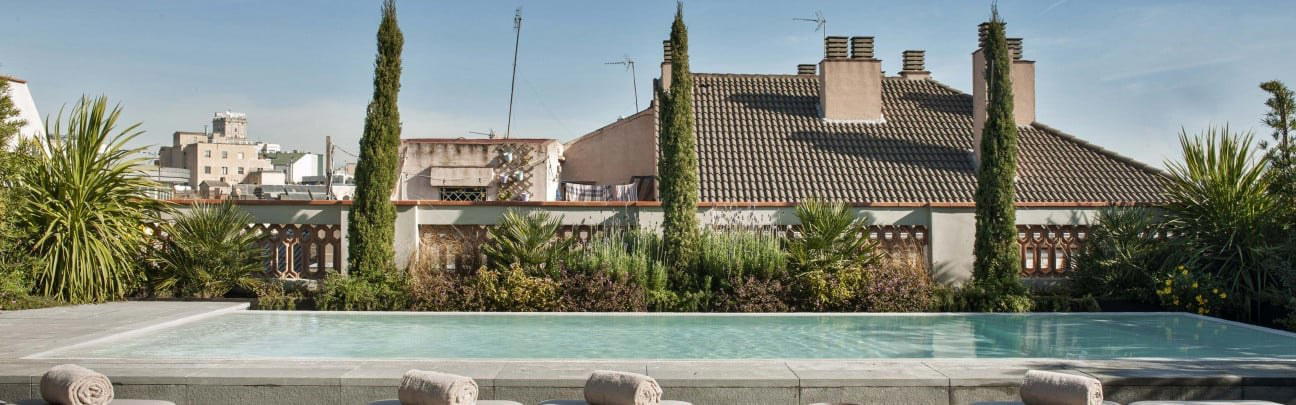
At a Glance
- Lively
- Casual Hangout
- Group Dining
- Terrace
- Beer Program
- Local Sourcing
- Garden
Current opening hours
- Monday
- 9 AM–10:30 PM
- Tuesday
- 9 AM–10:30 PM
- Wednesday
- 9 AM–10:30 PM
- Thursday
- 9 AM–10:30 PM
- Friday
- 9 AM–11:30 PM
- Saturday
- 9 AM–10 PM
- Sunday
- 9 AM–10 PM
Hours can change for holidays and private events. Last verified .
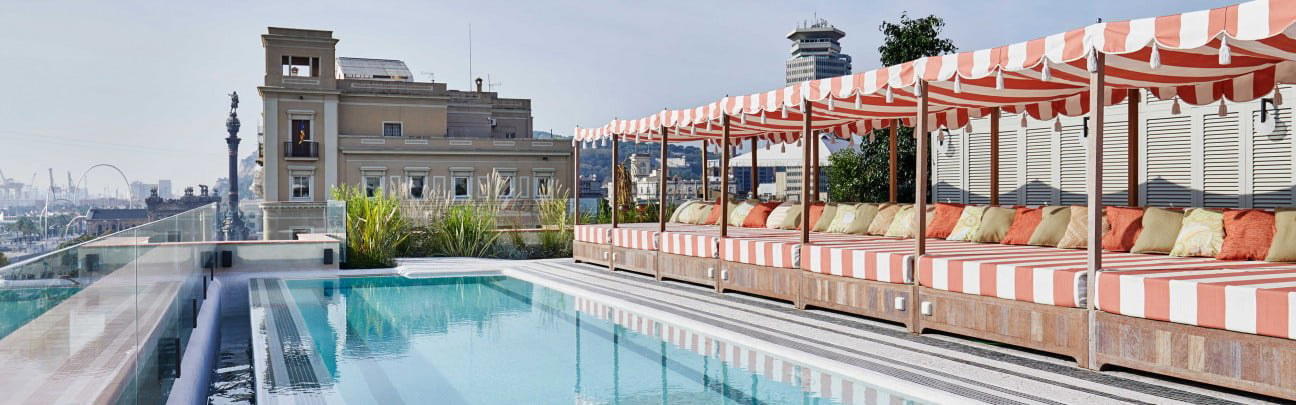
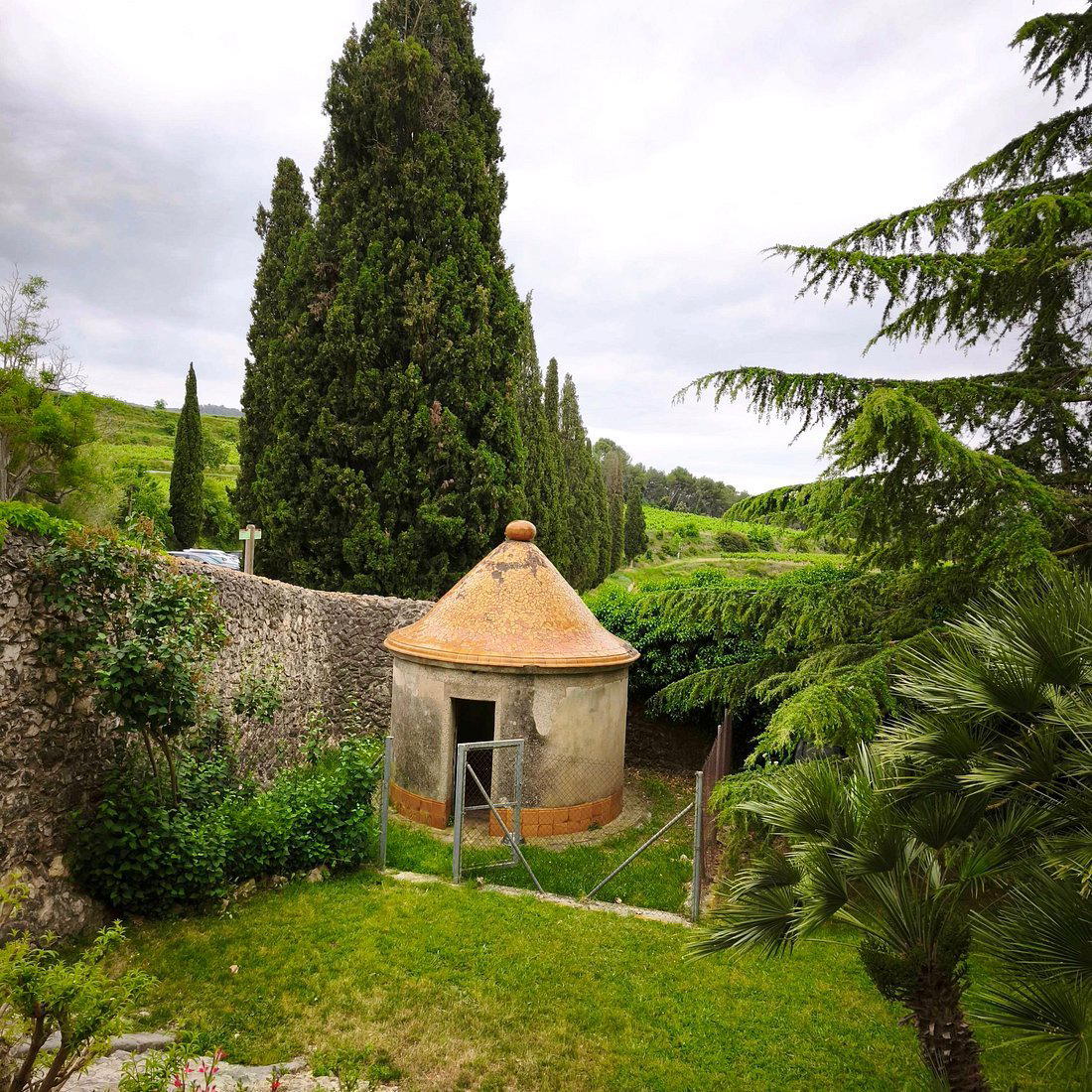
Relaxed and casual atmosphere on a terrace overlooking sports courts, blending dining with the energy of sporting activities.