
Tantan puts Hachioji ramen into Tokyo’s serious conversation without the trappings of a central-city counter. The small counter format, sub-¥1,000 listed price range, repeated Tabelog Ramen TOKYO 100 selections, and weekday lunch-only rhythm make it a pointed reminder that Tokyo’s ramen culture is built as much in commuter districts as in the usual inner wards.
Pearl is the En Primeur Club membership app — saves, bookings, and concierge access live there. Same editors, same standards.
- Address
- 東京都八王子市子安町1-30-6
- Website
- tabelog.com
 Saves & bookings on Pearl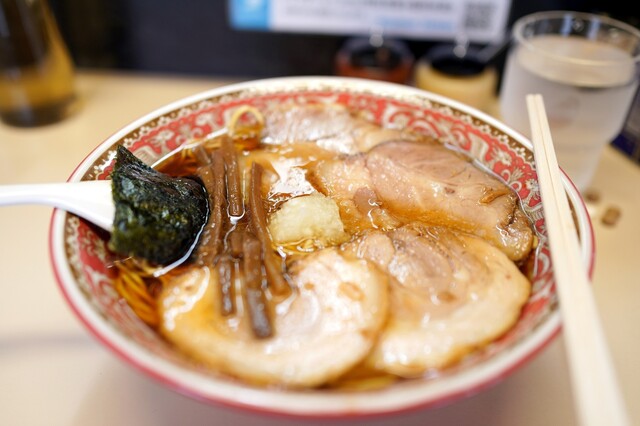
Approaching a ramen counter in Hachioji feels different from crossing Ginza or Shinjuku for a booked meal. The city thins, the rhythm turns local, and the judgment is blunt: a bowl, a counter seat, a queue if timing fails, and a quick read on whether the kitchen belongs in Tokyo’s crowded ramen conversation. Tantan sits in that outer-western Tokyo register, where ramen is not framed as luxury yet draws scrutiny usually reserved for pricier counters.
That matters. Tokyo ramen is often discussed through central neighborhoods, late-night bowls, and specialist shops near major stations. Hachioji adds a commuter-city food culture with its own loyal audience, where weekday lunch can carry destination-dining pressure without looking like it. Tantan’s repeated selection for Tabelog Ramen TOKYO 100 in 2017, 2018, 2022, 2023, 2024, and 2025 places it inside that competitive field, not as an edge-of-town novelty but as part of the city’s larger ramen canon.
Hachioji ramen culture, stripped to counter discipline
Ramen in Tokyo rewards specialization. Some shops chase limited broths, some build identity around noodle texture, and others sharpen regional variations for city audiences. Hachioji helps travellers break the habit of treating Tokyo ramen as a Shinjuku-Shibuya-Asakusa circuit. Its appeal is practical rather than theatrical: compact rooms, short service windows, modest pricing, and customers who judge consistency over novelty.
Tantan fits that structure. The room is listed as a nine-seat counter, a scale that changes the meal’s logic. Small ramen counters turn service into choreography: turnover, timing, and seat discipline matter as much as the bowl. There is no tasting-menu insulation or long beverage program to soften a weak kitchen. Reputation is earned under compression.
The price range, listed at under JPY 999, explains part of the draw. Tokyo has ramen shops that function as culinary destinations, but the genre’s cultural power still comes from the fact that a serious bowl can sit near everyday spending. That is why a repeated Tabelog 100 ramen selection carries weight: it signals critical mass among ramen-focused diners while the listed spend keeps the experience close to working-city roots.
For a broader read on the city, Our full Tokyo restaurants guide maps the wider field, from casual counters to reservation-led dining. Travellers pairing food with lodging can use Our full Tokyo hotels guide, while drinking and cultural circuits sit in Our full Tokyo bars guide, Our full Tokyo wineries guide, and Our full Tokyo experiences guide.
Why this bowl belongs in a wider Tokyo itinerary
The appeal of travelling for ramen is partly its refusal of hierarchy. A low-priced counter in a house-style setting can compete for attention with dining rooms requiring deposits and formal pacing. Tokyo sharpens this contrast: a visitor can eat a precise, reputation-backed bowl at lunch, then move to yakitori, sushi, curry, or wine-bar dining later without treating one format as less culturally serious.
Tantan’s location is part of the argument. Hachioji is not a casual detour from central Tokyo; it requires intent. The nearest station is Hachioji, and the route suits travellers who know Tokyo’s food map extends beyond the Yamanote Line. The meal corrects convenience-led dining: it asks for a plan, but not luxury spending.
Immediate comparisons help. TAKUMA and Isoya sit in a similar sub-¥1,000 bracket, while Niboshi Iwashi Ramen En Hachioji honten is listed at JPY 1,000 to JPY 1,999. Honkaku Teuchi Udon Arata and Boule Beurre Boulangerie show western Tokyo’s casual food culture extending beyond ramen into noodles and baking, again at modest listed budgets. The point is clear: this part of Tokyo rewards targeted eating rather than prestige-driven grazing.
The same pattern appears nationally. Curry specialists such as 3 Chome no Curry Ya San in Tokyo, [Curry Senmon Ten] Maruyama Kyoju. in Sapporo, and [ki:] in Kyoto point to a broader Japanese truth: narrow formats often carry more identity than generalist restaurants. The same applies to casual counters, from 124. KAGURAZAKA (Yakitori) to 12/10 Shinjuku ten, where format frames the meal.
Tokyo also has another dining personality, represented by places such as. 鮪と炭火焼き うお炭 秋葉原店 and 2D Cafe. One belongs to the city’s seafood-and-grill vocabulary; the other to visual café culture. Set beside them, ramen reads less as a default quick meal and more as one of Tokyo’s disciplined vernacular forms.
Know Before You Go
- Format: Ramen counter seating, with nine seats listed.
- Recognition: Selected for Tabelog Ramen TOKYO 100 in 2025, with prior selections in 2024, 2023, 2022, 2018, and 2017.
- Budget signal: Listed price range is under JPY 999, with review-based spending shown at JPY 1,000 to JPY 1,999.
- Reservations: Reservations are unavailable, so the meal is planned around arrival timing rather than booking access.
- Payments: Credit cards, electronic money, and QR code payments are not accepted.
- House rules: Photography of the kitchen and people is prohibited.
- Setting: Non-smoking counter in a house-restaurant format; private rooms and private use are unavailable.
- Access note: The shop is listed near Hachioji Station and Keio Hachioji Station, making it more logical as a western Tokyo food target than a between-sights snack.
For travellers building a Japan-wide food route, the comparison is not only ramen against ramen. It is specialist format against specialist format: -Grilled beef Sukiyaki- KAMAKURA TANUKIAN 鎌倉 たぬき庵 in Kamakura.cafe in Osaka.know in Kumamoto, and (Shoku) Vietnam in Kawasaki show how a tight concept can define a meal more clearly than a long menu. Even outside Japan, that logic travels to focused venues such as Jōdo Saké Bar in Los Angeles and Onigiri Time in Pasadena.
The verdict is practical, not romantic. Tantan is for diners who see ramen as a serious Tokyo category, not a fallback between reservations. The reason to go is the combination of Hachioji context, small-counter pressure, modest pricing, and repeated ramen-list recognition. That mix gives the meal authority: it belongs to everyday Tokyo, but has been tested by one of the city’s toughest casual-food audiences.
Same-City Peers
Side-by-side context: comparable cuisine and price.
| Venue | Cuisine | Price | Notes |
|---|---|---|---|
| TantanThis venue — the venue you are viewing | Hachioji-style ramen counter | $ | Not listed |
| Gyoza no Fukuho (餃子の福包) | Traditional Japanese Gyoza | $ | Shinjuku |
| 福田家 | Japanese Conveyor Belt Sushi | $ | Chiyoda |
| Paris Ogawa Ken Shimbashi ten | Japanese Bakery Café | $ | Minato |
| Koseto Coffee Ten | Japanese kissaten & cafe | $ | Chiyoda |
| Menya Suzuharu | Ramen / Tsukemen | $ | Bunkyō |
Recognition history
Dated appearances from independent guides and award organizations, with the underlying list record or original source where available.
Tabelog 100 #87 · No. 87
Tabelog · Tabelog 100 - Ramen - TOKYO - 2025
Continue exploring
More in Tokyo
Restaurants in Tokyo
Browse all →



Bars in Tokyo
Browse all →



Hotels in Tokyo
Browse all →



Wineries in Tokyo
Browse all →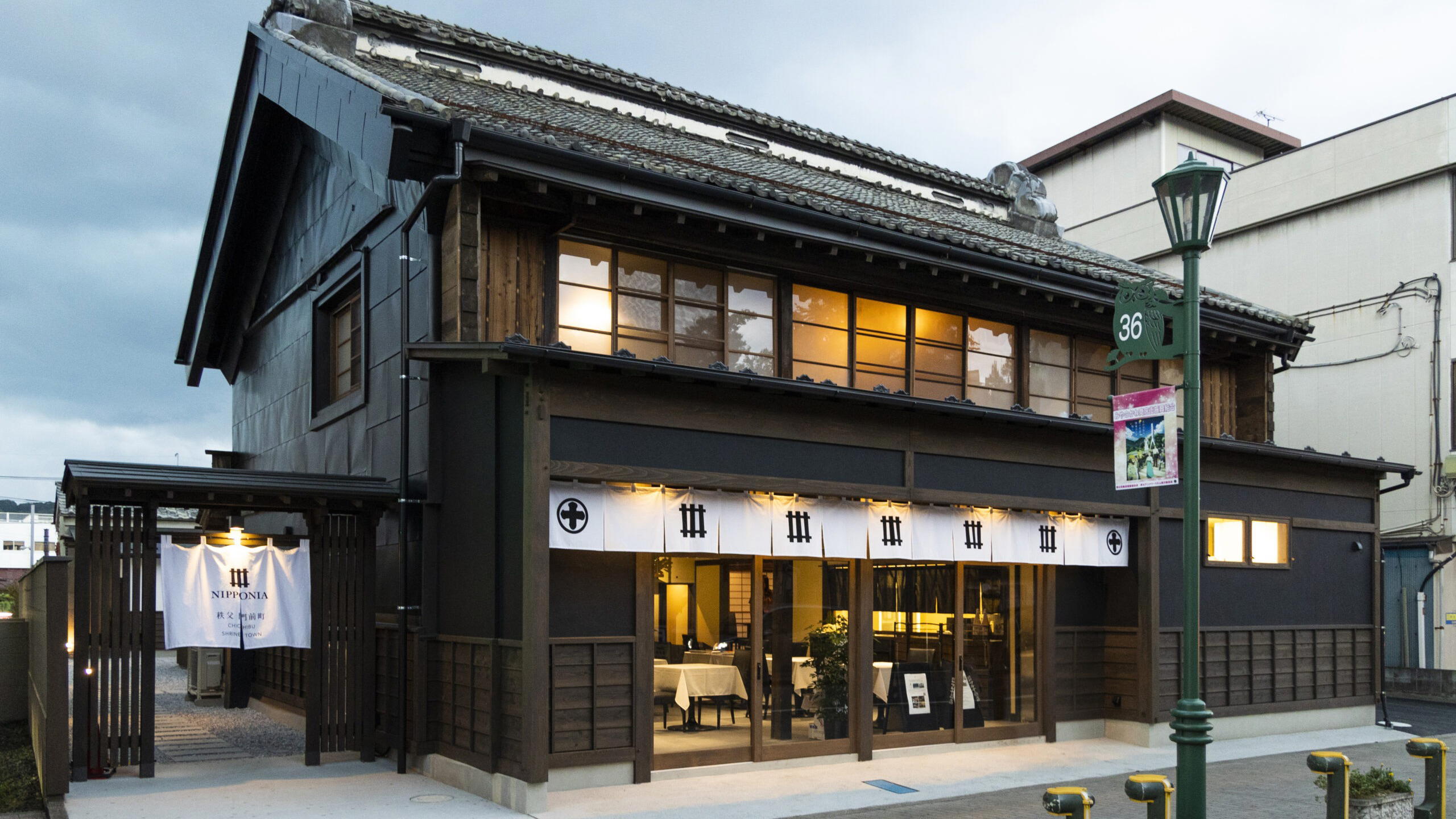
At a Glance
- Cozy
- Classic
- Solo
- Family
- Casual Hangout
- After Work
- Standalone
A simple house‑style neighborhood ramen shop with just a short non‑smoking counter, creating a cozy but often busy atmosphere focused entirely on quick, casual bowls of ramen.