Tanta
Tanta brings Peruvian cooking to Chicago's River North, anchoring a neighborhood better known for American tasting menus and Filipino fine dining with the acidic brightness of ceviche and the slow heat of anticuchos. The address at 118 W Grand Ave places it squarely in one of the city's most competitive dining corridors, where it holds its own against a field of technically ambitious kitchens.
Pearl is the En Primeur Club membership app — saves, bookings, and concierge access live there. Same editors, same standards.
- Address
- 118 W Grand Ave, Chicago, IL 60654
- Phone
- +13122229700
- Website
- tantachicago.com
- Directions
- Get directions
 Saves & bookings on Pearl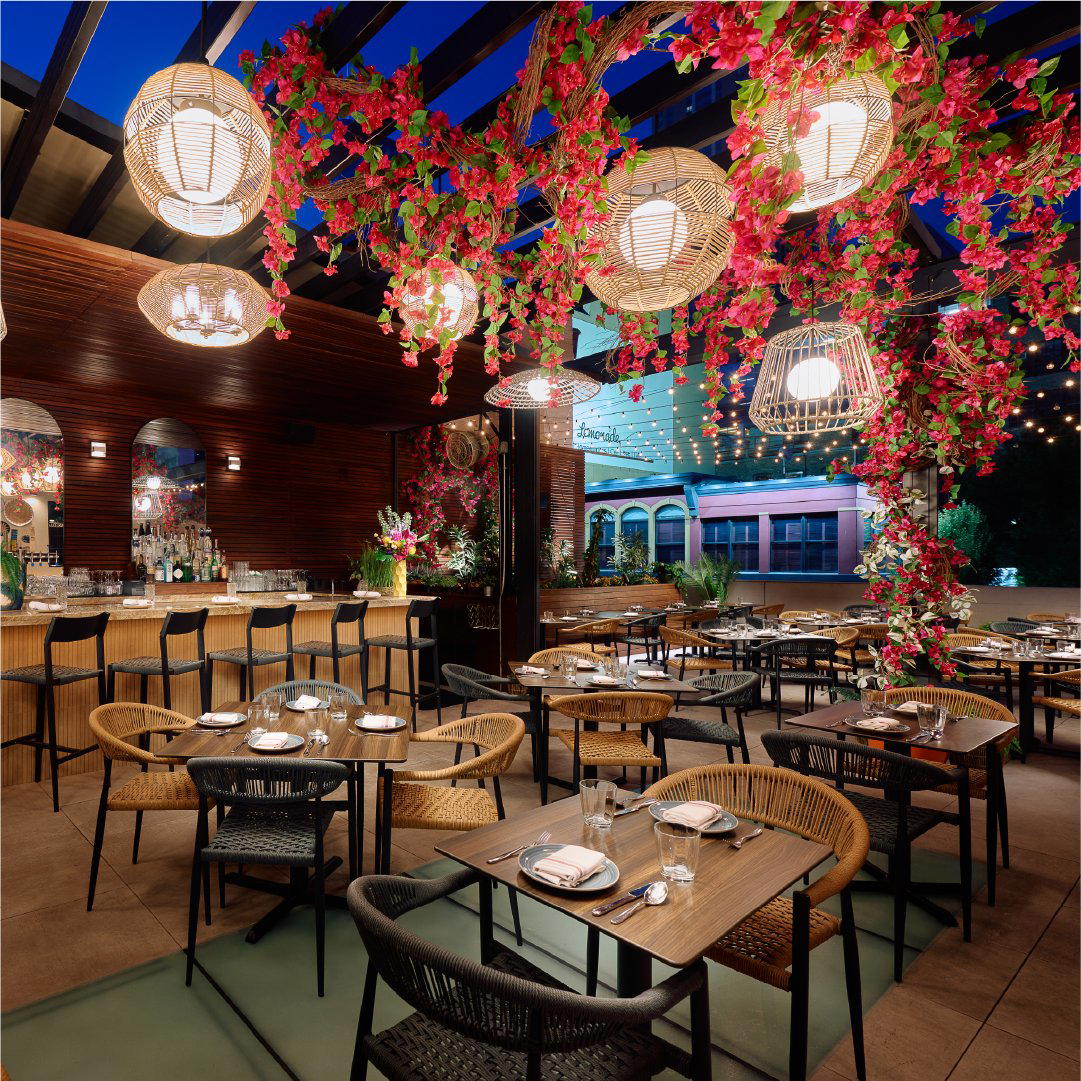
River North and the Case for Peruvian Cooking in Chicago
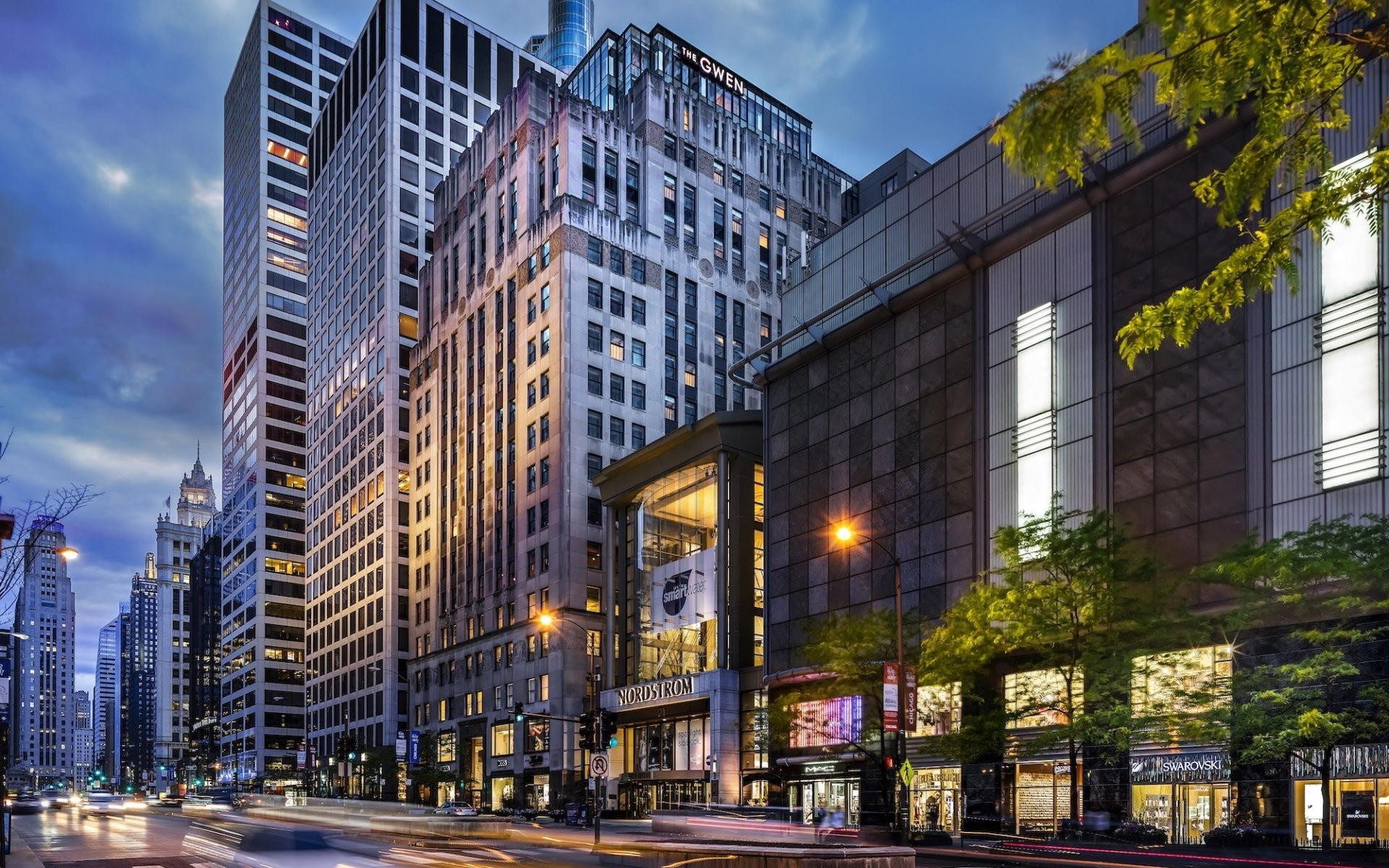
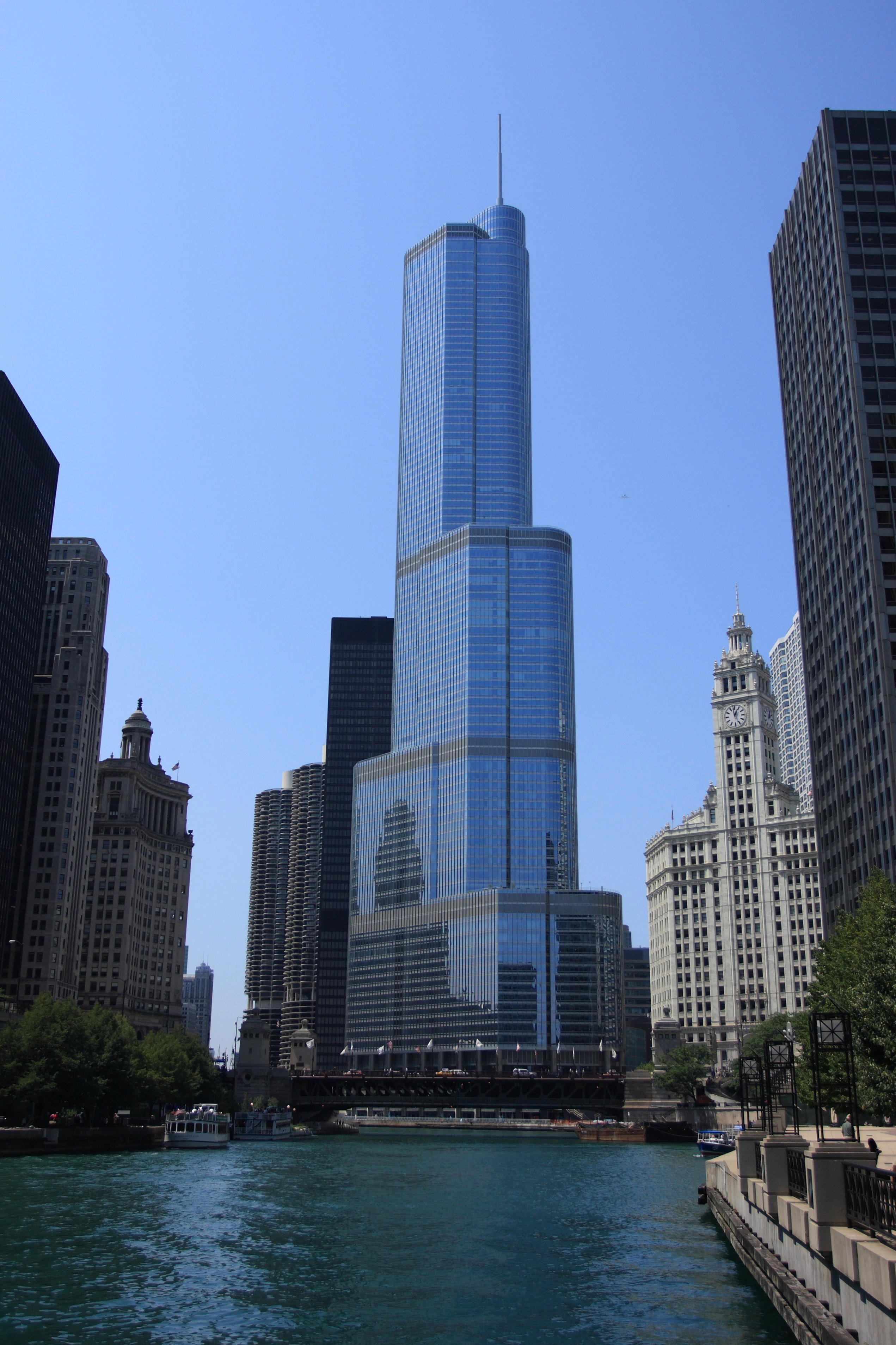
Chicago's River North has long functioned as one of the city's pressure-tests for ambitious restaurants. Within a few blocks of 118 W Grand Ave, you'll find the tasting-menu rigor of Alinea, the produce-driven precision of Smyth, and the theatrical seasonality of Next Restaurant. Tanta, at the same address, makes a different argument: that the techniques and flavor logic of Peruvian cooking deserve a seat at that table in Chicago.
Peru's culinary tradition is among the more compositionally complex in the Americas. It draws on indigenous Andean staples, Japanese immigrant technique (nikkei), Chinese-Peruvian fusion (chifa), and coastal fishing traditions that produce particularly acidically precise raw preparations anywhere in the world. In a city where Kasama has demonstrated that Filipino fine dining can earn broad attention, Tanta makes an analogous claim for South American cooking.
The Atmosphere Along Grand Avenue
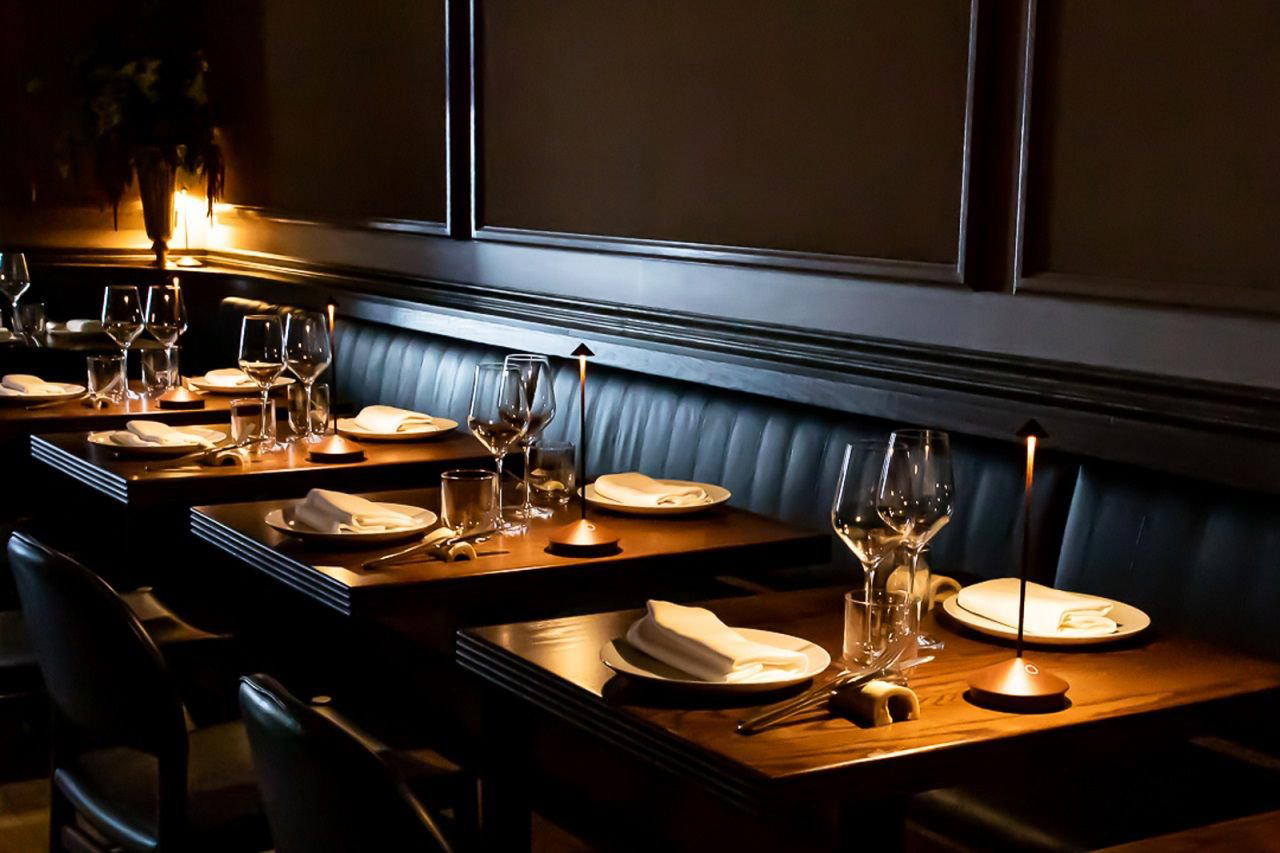
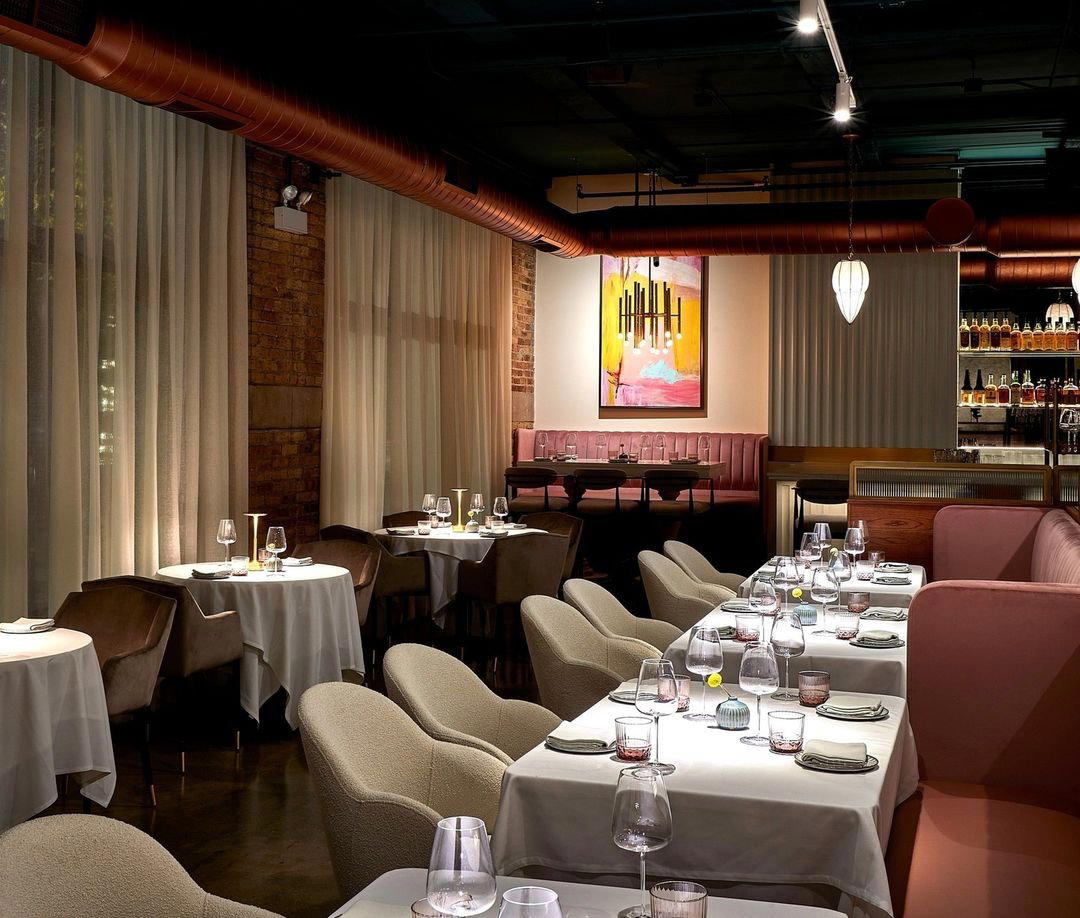
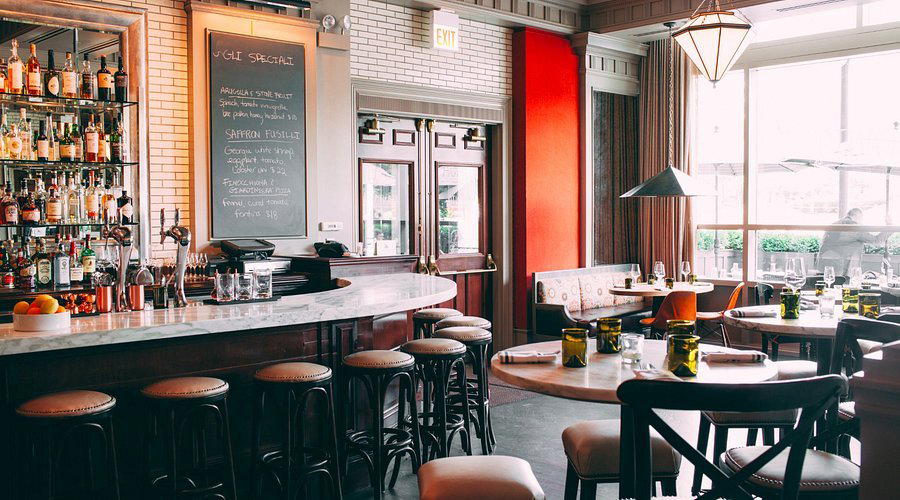
River North operates on a particular kind of urban energy: the density of hotel lobbies, gallery openings, and office towers generating foot traffic that keeps restaurant floors moving from lunch through late evening. Arriving at 118 W Grand Ave, the neighborhood's ambient noise, traffic from the CTA line a few blocks north, the hum of nearby bars, gives way at the door to something considerably more contained. Peruvian restaurants, even at the upper end, tend toward warmth over austerity: earthy textures, amber lighting, the kind of interior that signals comfort before the menu arrives.
That atmospheric register is deliberate. Ceviche bars in Lima operate as social spaces, not ceremonial ones, and the leading Peruvian restaurants outside Peru carry some of that looseness, a willingness to let the meal extend without the formal pacing that governs an eight-course tasting menu at Oriole or Le Bernardin in New York City. The sensory experience here is built around the smell of charring meat from an anticucho grill, the sharp citrus of leche de tigre landing on the palate before a bite of fish, and the visual contrast of purple potato against bright aji amarillo sauce.
What Peruvian Cooking Asks of the Kitchen
The techniques that define high-end Peruvian cooking are specific and demanding. Leche de tigre, the citrus-heavy marinade that cures ceviche, requires precise acid balance and timing: too long and the fish tightens into something chalky, too short and it's simply undressed. Anticuchos, the marinated skewered meats traditionally cooked over charcoal, depend on heat control that most American kitchens aren't configured for. And the Peruvian pantry, heavy with dried chilies, huacatay (black mint), and varieties of potato that don't travel well, creates real sourcing complexity outside South America.
Restaurants like Tanta that operate in this tradition in North American cities face a version of the same challenge as Japanese restaurants sourcing specific fish varieties: the ingredient logic of the cuisine and the supply chains of the local market don't always align. How individual kitchens resolve that tension, through direct import relationships, substitution, or adaptation, shapes the result significantly. For context on how kitchens at the American pinnacle handle sourcing complexity, the farm-to-table rigor at Blue Hill at Stone Barns in Tarrytown and the seafood procurement at Providence in Los Angeles offer instructive reference points.
Tanta in Chicago's Broader Restaurant Conversation
Chicago's restaurant scene in 2024 and 2025 has been defined by a widening of what counts as serious dining. The conversation has moved well beyond French-inflected tasting menus toward a more pluralist set of reference points. Korean fine dining earns Michelin recognition at Atomix in New York City, and the model is spreading. Filipino cooking at Kasama in Chicago has made the same case locally. Peruvian cooking, with its depth of technique and ingredient specificity, is a logical next candidate for this kind of reappraisal.
For travelers who use restaurants like The French Laundry in Napa, Single Thread Farm in Healdsburg, or Addison in San Diego as anchors for a trip, adding a Peruvian table to the itinerary offers a genuine shift in register, not just variety for its own sake. The flavor grammar is different, the pacing is different, and the sensory arc of the meal moves through different textures and temperatures than a European-derived tasting menu. That contrast has real value for the kind of traveler who eats across many cities and types of kitchen.
River North sits alongside other American cities with serious restaurant corridors worth comparing. New Orleans has Emeril's, San Francisco has Lazy Bear, Atlanta has Bacchanalia, and Washington has The Inn at Little Washington. Chicago's version of that serious-dining infrastructure is dense enough that a restaurant representing a distinct culinary tradition can find a durable audience. See our full Chicago restaurants guide for a broader map of where the city's dining is moving.
International comparison is useful too. At the level of ingredient obsession and technique specificity, 8½ Otto e Mezzo Bombana in Hong Kong represents how a cuisine tradition transplanted to a new city can maintain fidelity while adapting to local context. Tanta operates in that same negotiation between origin and location.
Planning Your Visit
Tanta is located at 118 W Grand Ave in Chicago's River North neighborhood, accessible from the Grand Avenue CTA Red Line station. As with most serious Peruvian restaurants in North American cities, the ceviche and tiradito preparations are particularly technically diagnostic dishes on the menu, worth ordering early in the meal when the kitchen's calibration is sharpest. Reservations are advisable for weekend evenings given the neighborhood's density of dining demand.
Accolades, Compared
Comparable venues nearby, for context on price, style, and recognition.
| Venue | Cuisine | Price | Notes |
|---|---|---|---|
| TantaThis venue — the venue you are viewing | Traditional Peruvian Cevicheria | $$ | Not listed |
| Chez Poulet | French-inspired Chicken & Comfort Food | $$ | Bucktown |
| Lou Malnati's Pizza | Chicago Deep Dish Pizza | $$ | multiple |
| RAMEN-SAN | Modern Japanese Ramen | $$ | River North |
| The Bellevue | Contemporary American | $$ | Gold Coast |
| Native Foods | 100% Vegan Comfort Food | $$ | Loop |
At a Glance
- Lively
- Trendy
- Energetic
- Group Dining
- Casual Hangout
- Brunch
- Rooftop
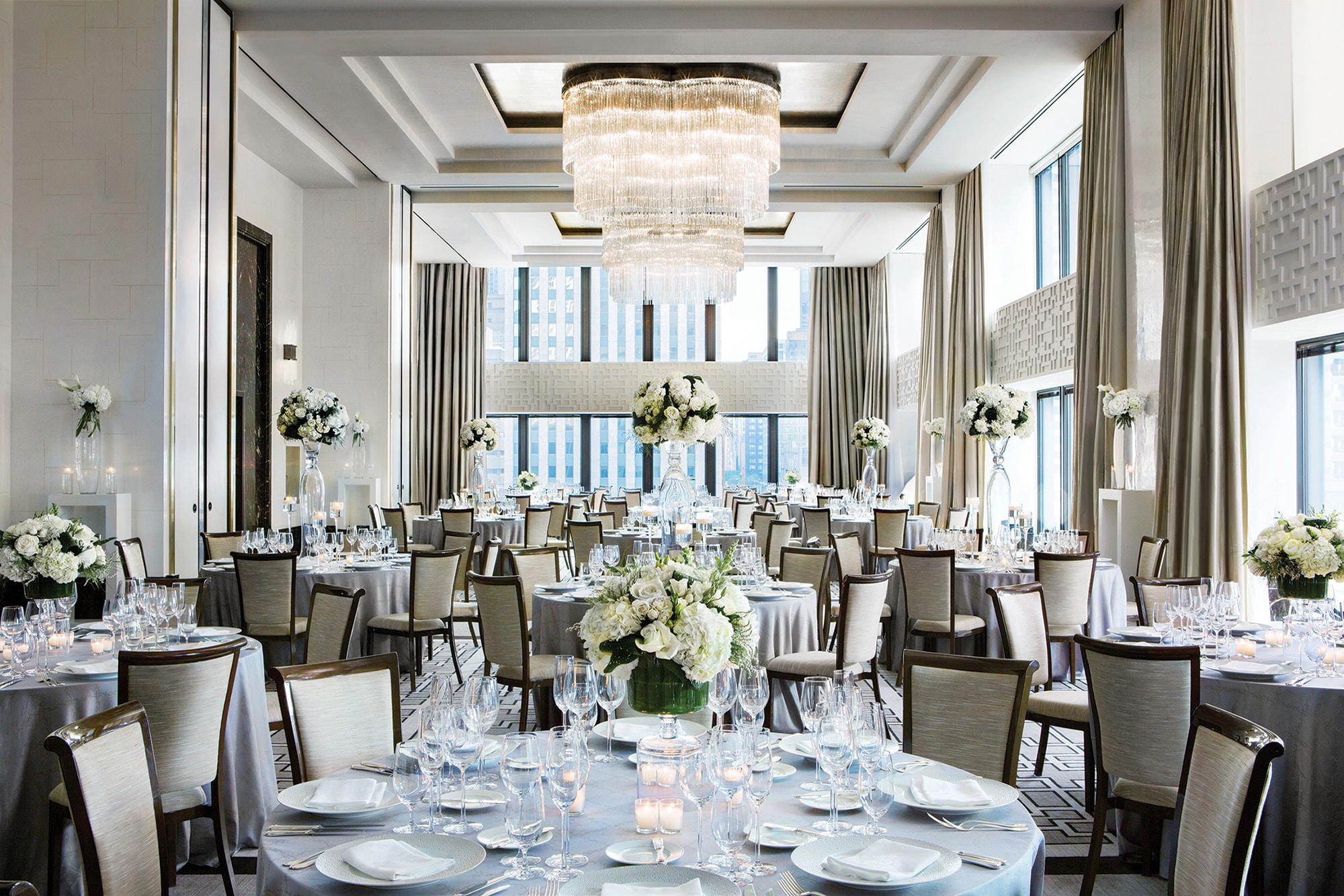
- Private Dining
- Open Kitchen
- Craft Cocktails
- Local Sourcing
- Street Scene
Current opening hours
- Monday
- 5–9 PM
- Tuesday
- 5–9 PM
- Wednesday
- 5–9 PM
- Thursday
- 5–9 PM
- Friday
- 5–10 PM
- Saturday
- 11 AM–2:30 PM, 5–10 PM
- Sunday
- 11 AM–2:30 PM, 5–9 PM
Hours can change for holidays and private events. Last verified .
Fun, casual atmosphere with attentive service and a lively vibe during happy hour and brunch.