
Tano Passami l'Olio holds a Michelin Plate (2025) and operates at the summit of Milan's creative dining tier, with chef-patron Tano Simonato reinterpreting Italian flavors through modern technique in a residential stretch of the 20123 district. The kitchen blends indigenous Italian ingredients with contemporary method, and Simonato visits each table to guide wine pairings from a well-stocked cellar. Price range sits at €€€€, in line with Milan's serious creative dining set.
Pearl is the En Primeur Club membership app — saves, bookings, and concierge access live there. Same editors, same standards.
- Address
- Via Francesco Petrarca, 4, 20123 Milano MI, Italy
- Phone
- +39 02 839 4139
- Website
- tanopassamilolio.it
- Directions
- Get directions
 Saves & bookings on Pearl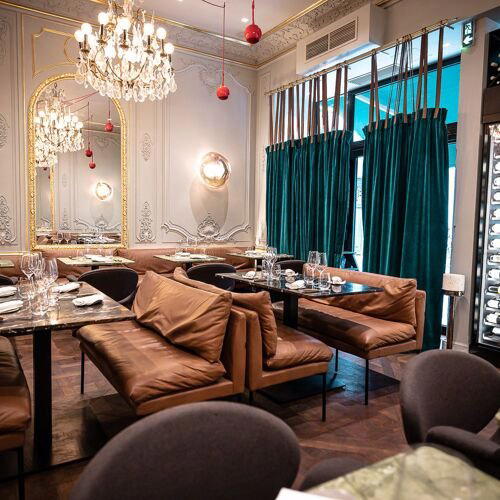
A Residential Address, a Unresidential Kitchen
Milan's fine-dining geography has long been split between the spectacle of the centre and the quieter authority of its residential districts. Via Francesco Petrarca, in the 20123 postcode west of the Duomo, belongs firmly to the latter. The street is the kind of address where serious Milanese eat without performing the act of eating out. It is precisely this context that gives Tano Passami l'Olio its particular register: the room reads as stylish without theatrical intent, and the cooking announces itself through the plate rather than the setting.
This is not a neighbourhood trattoria that happened to get noticed. It sits at the €€€€ tier alongside Milan's most considered creative addresses, including Enrico Bartolini and Moebius Sperimentale, competing on the same terms of technique and ingredient quality. The Michelin Plate recognition in 2025 places it inside the guide's tracked tier, noted, evaluated, and considered a table worth the inspector's return.
Italian Ingredients, Modern Architecture
The editorial angle that defines the creative cuisine movement across northern Italy is the relationship between deeply local raw material and technique that owes its vocabulary to broader European culinary development. At Tano Passami l'Olio, that relationship is visible in the dishes Michelin inspectors chose to name. The tiramisù of cuttlefish and potatoes takes two ingredients indigenous to Italian coastal and alpine cooking and reassembles them inside the structural logic of a dessert, inverting expectation without abandoning the source material. The almond cannoli stuffed with ricotta mousse, candied lemon, chocolate drops, citrus cream, and almond jam pulls a Sicilian pastry shell into a contemporary dessert format built around layered acidity and textural contrast.
This is not fusion in the diluted sense. It is closer to what restaurants like Osteria Francescana in Modena and Uliassi in Senigallia have made the defining mode of Italian creative cooking: the ingredient remains recognisably Italian, the construction is contemporary, and the result reads as neither pastiche nor provocation. The intellectual premise is that Italian pantry depth is sufficient raw material for modern technique without the need to import foreign ingredients as the basis of novelty.
Compared to the stricter regionalism of kitchens like Atelier Moessmer Norbert Niederkofler in Brunico or the classical anchoring of Dal Pescatore in Runate, Tano Simonato's approach is more playful in its recontextualisation. Michelin notes describe the cooking as fun, signaling a kitchen that treats the creative act as something to be enjoyed rather than solemnly executed.
The Cellar as a Second Argument
Creative Italian cooking at the summit of the price tier tends to live or die partly on its wine program. The cellar is well stocked, and Simonato moves through the dining room personally, advising on wine pairings dish by dish. This is less common at the €€€€ tier than it might appear. Many kitchens at this price point delegate the wine conversation to a sommelier team and keep the chef in the kitchen. The direct table presence of the chef-patron during service functions as both a hospitality gesture and a trust signal about the house's confidence in its pairings.
The pairing-forward approach also positions the restaurant within a broader Italian fine-dining tradition in which the cellar is considered a co-equal argument to the kitchen. Restaurants such as Enoteca Pinchiorri in Florence have built their identity primarily around this premise. Tano Passami l'Olio operates at a different scale, but the philosophy of the meal as a wine-inclusive experience rather than a food event with wine on the side is consistent with that tradition.
Where This Sits in Milan's Creative Tier
Milan's €€€€ creative dining set is crowded and competitive. The city now runs a full range from multi-Michelin-starred institutional addresses to newer, more experimental formats. Among the latter, Verso Capitaneo and Il Circolino represent different inflections of the same appetite for cooking that moves beyond tradition without abandoning it. Il Liberty brings its own formal register to the conversation. The restaurant occupies a position in this field defined by its residential setting, its chef-patron service model, and a kitchen that treats Italian ingredients as sufficiently rich raw material for creative reinterpretation rather than seeking novelty through foreign import.
For readers building a broader Italian itinerary, the creative Italian dining conversation extends well beyond Milan. Quattro Passi in Marina del Cantone applies similar logic to Campanian seafood. International comparisons in the creative register include Alléno Paris au Pavillon Ledoyen and JAN in Munich, both of which share the technical ambition without the Italian ingredient anchoring.
Planning Your Visit
| Detail | The restaurant | Enrico Bartolini | Contraste |
|---|---|---|---|
| Price tier | €€€€ | €€€€ | €€€€ |
| Recognition (2025) | Michelin Plate | Michelin Stars | Michelin recognition |
| Cuisine style | Creative / reinterpreted Italian | Creative | Progressive Italian |
| Setting | Residential district (20123) | Central Milan | Central Milan |
| Chef-patron service | Yes, table visits during service | Variable | Variable |
| Booking advised | Yes | Yes | Yes |
The address on Via Francesco Petrarca is in a fine residential district west of the Duomo, reachable on foot from the Sant'Ambrogio metro stop. At the €€€€ tier in Milan, walk-in availability on evenings and weekends is limited;
Pricing, Compared
Comparable venues nearby, for context on price, style, and recognition.
| Venue | Cuisine | Price | Awards | Notes |
|---|---|---|---|---|
| Tano Passami l'OlioThis venue — the venue you are viewing | Creative | $$$$ | Michelin Plate | Not listed |
| Borgia Milano | Not listed | $$$$ | Michelin Plate | Porta Magenta, Modern Italian Fine Dining |
| Pellico 3 | Not listed | $$$$ | Michelin Plate | Duomo, Modern Italian Mediterranean Fine Dining |
| Motelombroso | Not listed | $$$$ | Michelin Plate | Stadera - Chiesa Rossa - Q. Re Torretta - Conca Fallata, Contemporary Italian with Land & Sea |
| Voce Aimo e Nadia | Duomo, Modern Italian Fine Dining | $$$$ | Michelin Plate | Not listed |
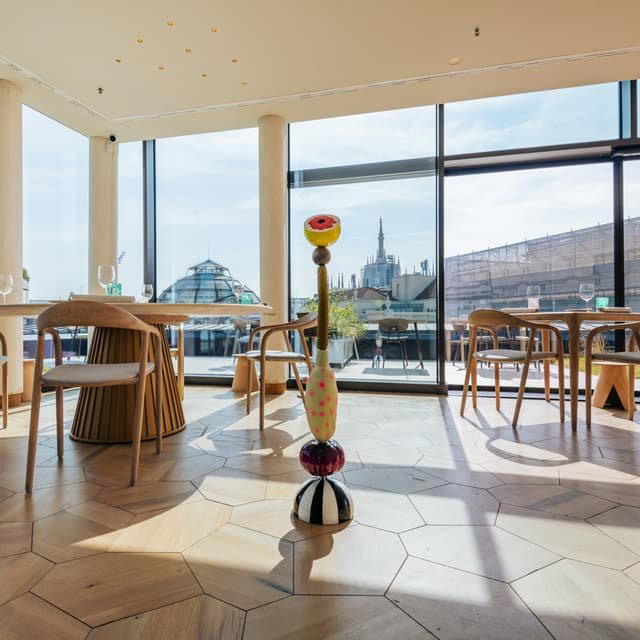
| The View Milano | Duomo, Contemporary Italian Rooftop | $$$$ | Michelin Plate | Not listed |
Recognition history
Dated appearances from independent guides and award organizations, with the underlying list record or original source where available.
Michelin Plate
Michelin
Michelin Plate
Michelin
Michelin Plate
Michelin
Continue exploring
More in Milan
Restaurants in Milan
Browse all →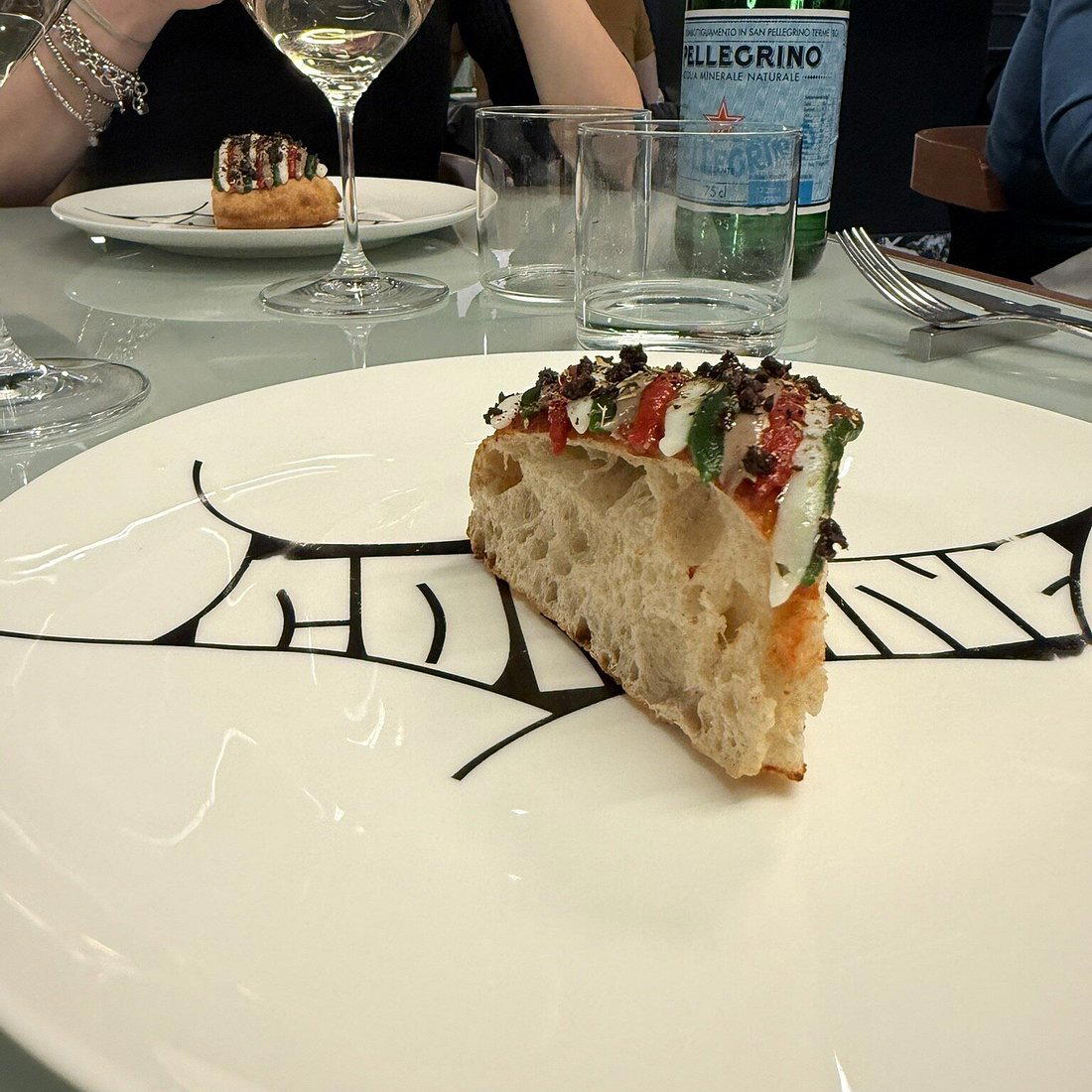
Bars in Milan
Browse all →
Hotels in Milan
Browse all →
At a Glance
- Elegant
- Romantic
- Intimate
- Sophisticated
- Date Night
- Special Occasion
- Open Kitchen
- Extensive Wine List
Current opening hours
- Monday
- 8–11:30 PM
- Tuesday
- 8–11:30 PM
- Wednesday
- 8–11:30 PM
- Thursday
- 8–11:30 PM
- Friday
- 8–11:30 PM
- Saturday
- 8–11:30 PM
- Sunday
- Closed
Hours can change for holidays and private events. Last verified .
Refined atmosphere with modern design, soft lighting, and intimate living room-like setting