
1 Michelin Star
Our verdict
A Michelin-starred address in Monza, just outside Milan, Il Circolino operates across two distinct registers: a street-facing bistro and garden for casual visits, and a folding-door dining room where chef Lorenzo Sacchi's creative menu moves between Italian foundations and global technique. At €€€ pricing, it sits below the city's top tier while matching it in ambition and recognition.

Pearl is the En Primeur Club membership app, where members save venues, book tables and use the concierge.
The menu
What to order
- Fried artichoke sardine green olive piparra
- Roasted pigeon breast
- Rabbit ravioli
A Room That Changes Depending on Where You Sit
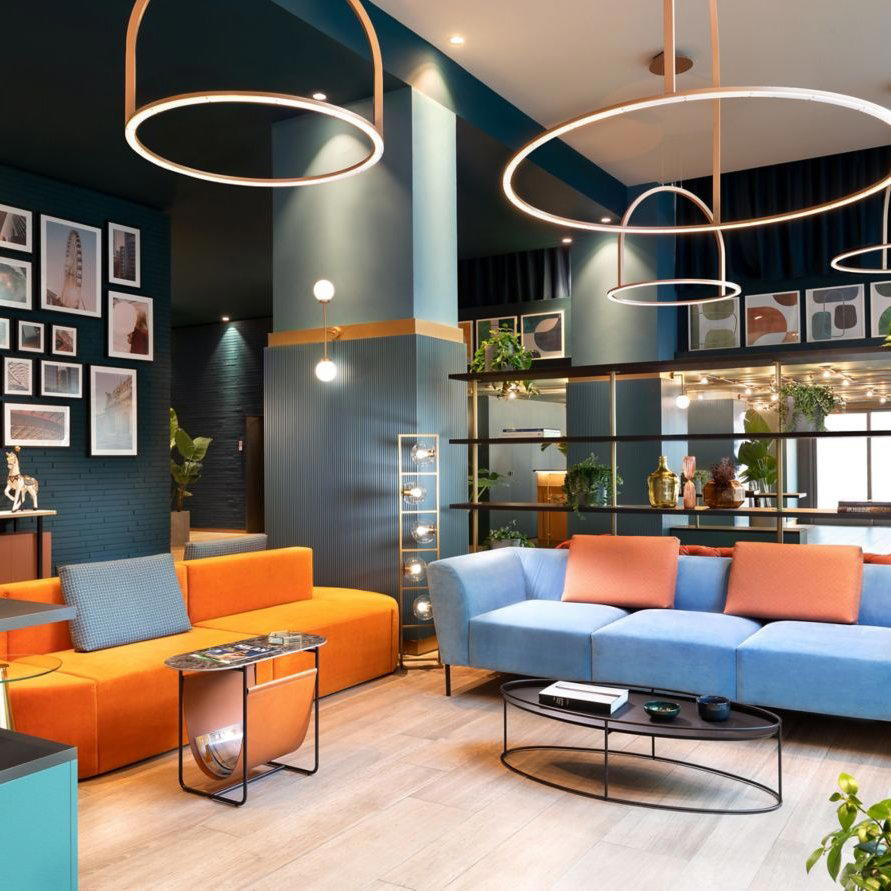
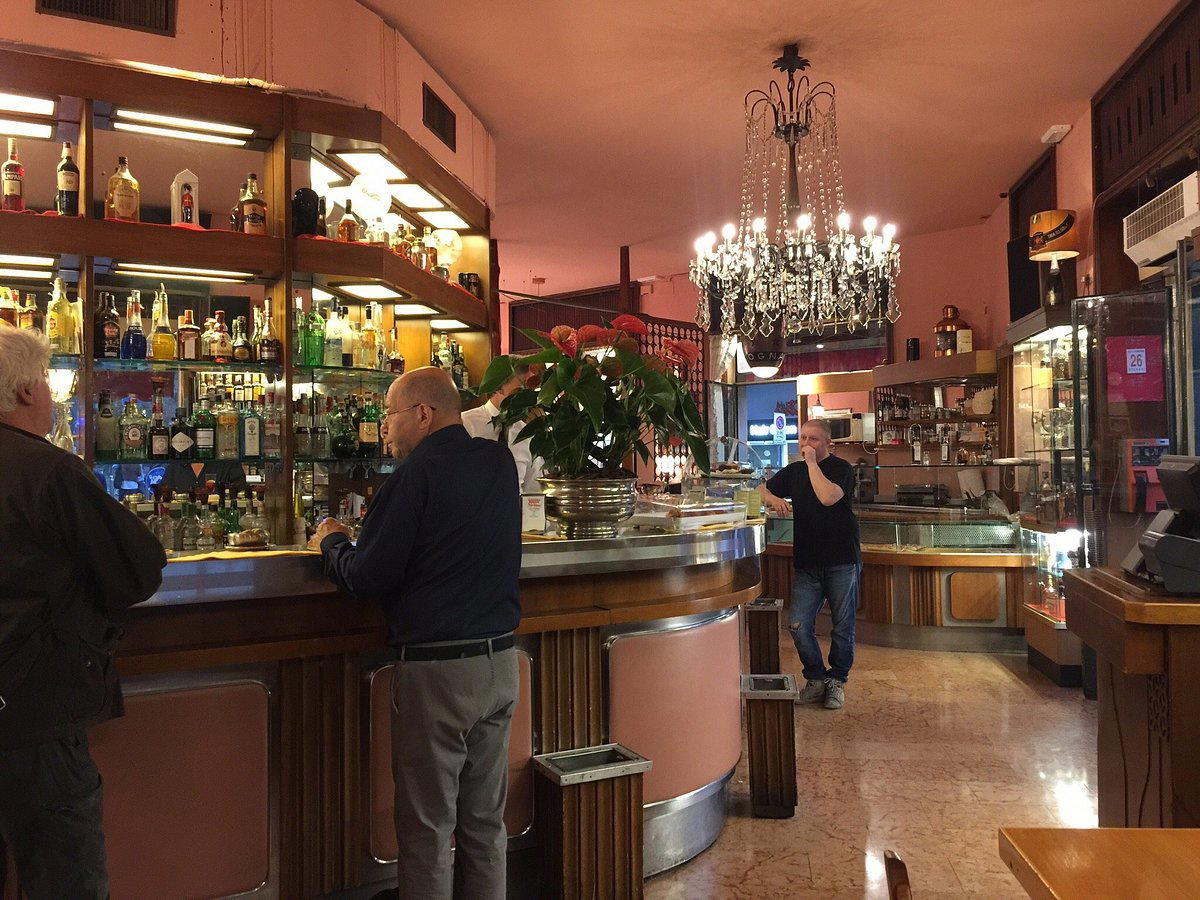
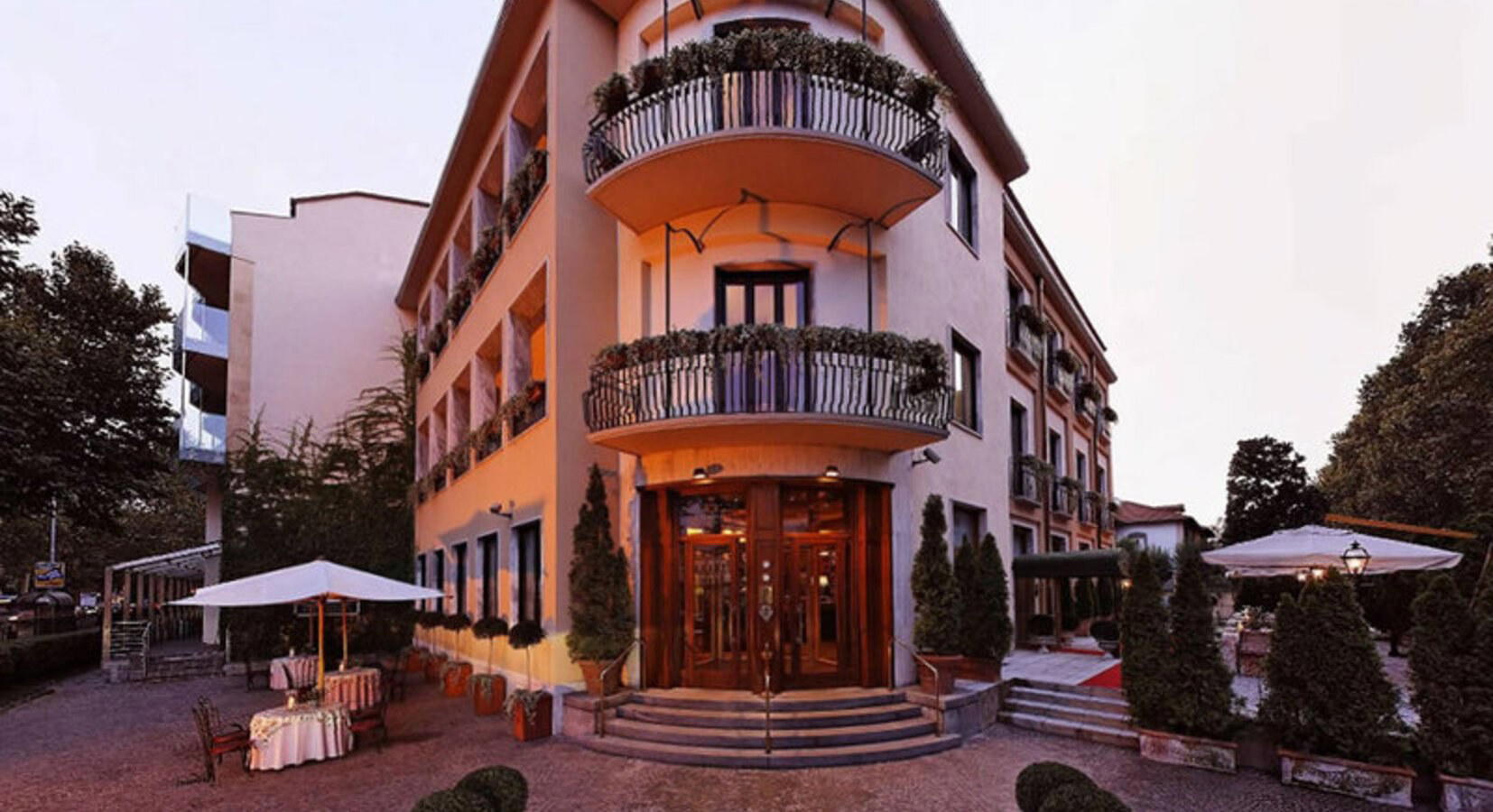
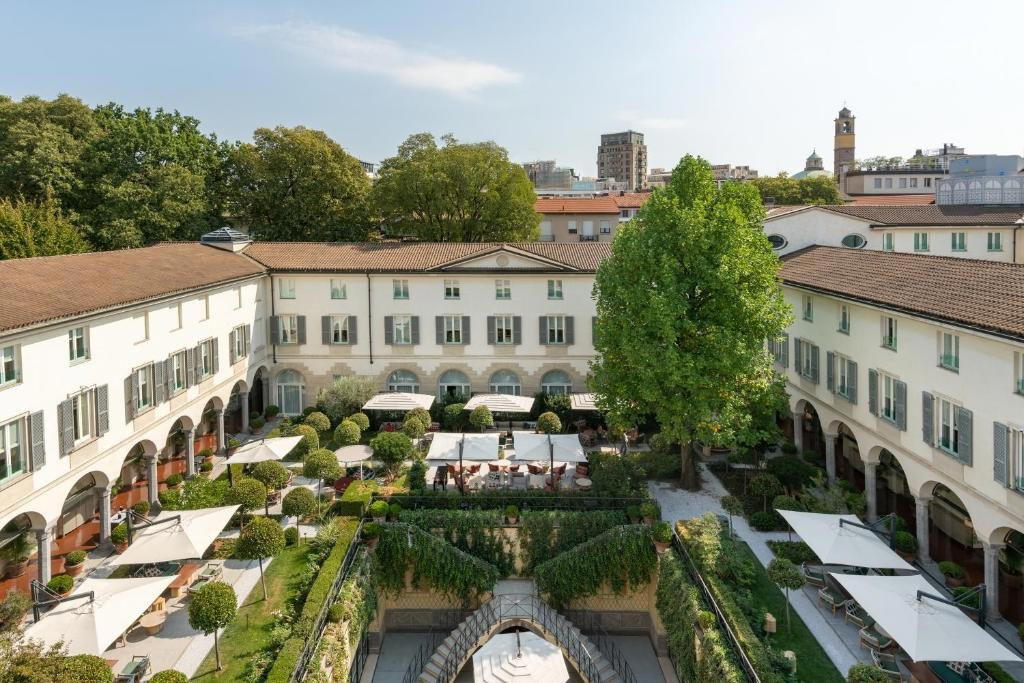
Approach Il Circolino from Via Anita Garibaldi and the first thing you encounter is not a dining room but a threshold: a cafeteria and bistro with its own dedicated kitchen, opening in warmer months onto a garden that functions as a proper outdoor dining space. The transition to what lies behind a folding door is a deliberate one. That door separates two eating cultures under the same roof, and the decision of which side to occupy shapes the entire rhythm of the visit.
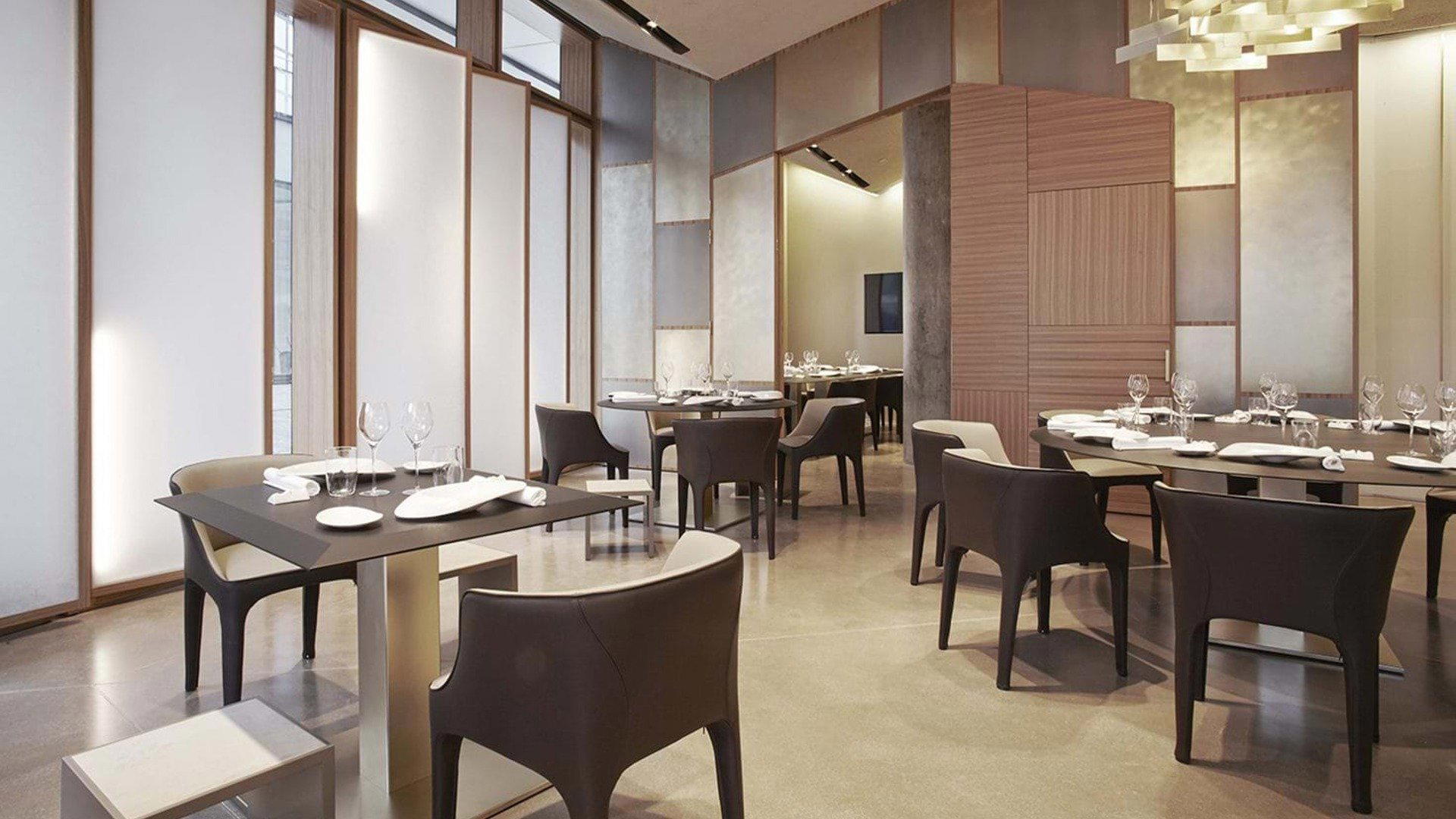
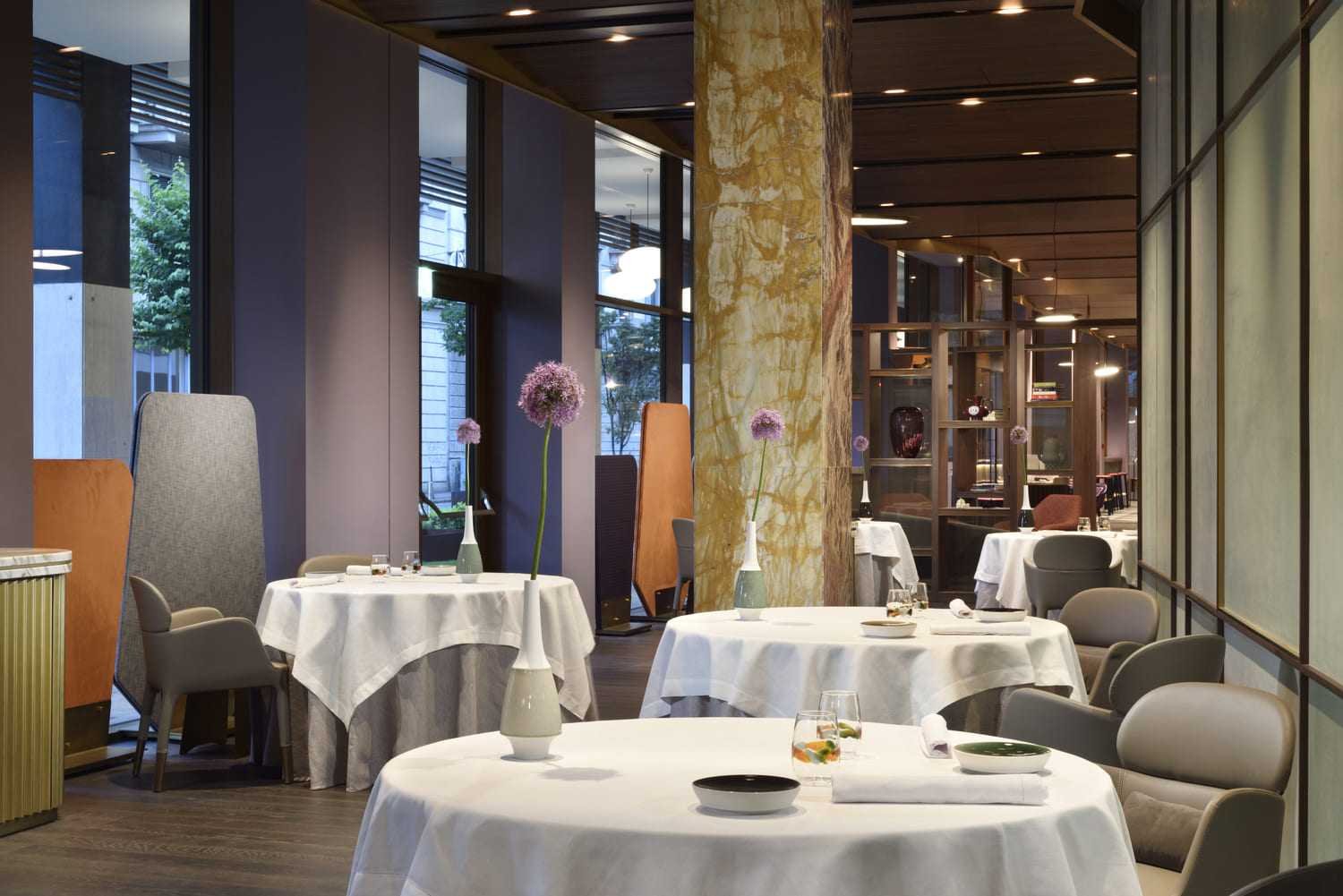
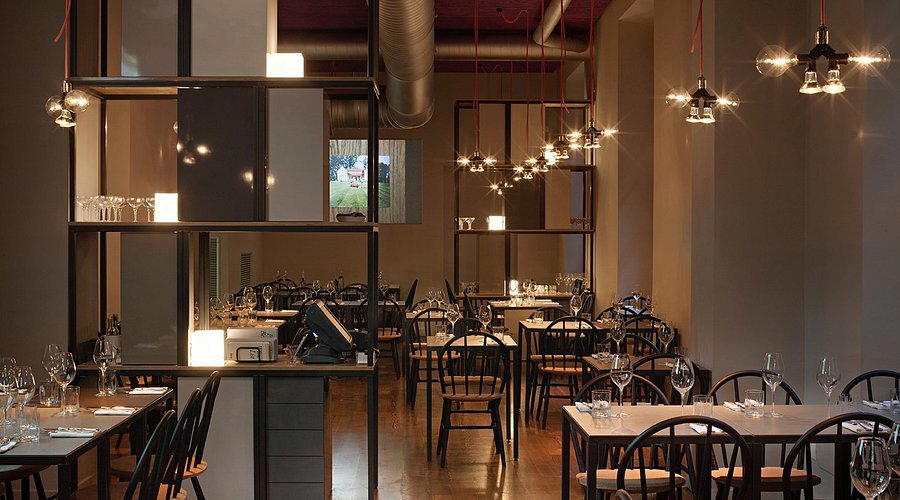
Behind the door, the dining room shifts in register. The space is described as contemporary and elegant, which in northern Italian restaurant terms tends to signal clean lines, considered lighting, and a deliberate absence of the rustic shorthand that kitchens further south often reach for. The room is built for a meal that takes time. That design choice is an editorial one: it tells the guest that the kitchen expects to be followed through a sequence, not sampled quickly and forgotten.
Creative Cuisine at the Monza Margins
Milan's Michelin-starred tier has expanded steadily over the past decade, with addresses like Enrico Bartolini anchoring the city's three-star ceiling and a cluster of two-star rooms, including Seta and Andrea Aprea, filling the upper-middle tier. What has shifted more recently is the emergence of one-star venues operating at €€€ price points, a bracket that allows for serious kitchen ambition without the full apparatus of the multi-course tasting menu experience.
Geographically, the venue operates from Monza rather than Milan's city centre, a distinction that matters in terms of audience and expectation. Monza's dining scene is smaller and less written-about than Milan's, which means a starred address there tends to draw a more local following rather than the business-travel and international-visitor clientele that fills rooms in the Brera or near the Duomo. That geographic position is part of what gives the kitchen a certain latitude: the pressure to perform for a transient audience is lower, and the relationship with regulars can drive menu evolution in ways that are harder to sustain in higher-footfall city-centre locations.
For comparison within the creative Italian space, the discipline visible at addresses like Verso Capitaneo and Il Liberty reflects a broader northern Italian tendency to treat creativity as a structural commitment rather than an occasional gesture. Il Circolino belongs to that continuum. The kitchen's output, as documented in published reviews, draws on Japanese and coastal European techniques without abandoning the Italian foundations that give the menu its internal logic.
How the Menu Moves
The kitchen operates across two named menus, and the à la carte option allows movement between them, a format that acknowledges not every guest wants a locked-in tasting sequence. This structural flexibility is worth noting because it changes the pacing of a meal considerably. In rooms where a single tasting menu is the only option, the kitchen controls the tempo entirely. Here, the diner retains some agency over how the evening unfolds.
The dishes that have drawn the most attention in published reviews place Italian technique alongside ingredients and references from further afield. A risotto built around Grana Padano Riserva is already a northern Italian canonical form, but the addition of black garlic with cardamom and a red wine sauce introduces flavour logic from a different register, pulling the dish towards something more searching. A turbot preparation arriving with oyster, fennel, and vermouth sauce reads as Atlantic coastal in its ingredient language, while the use of shiso, black lemon, and kombu seaweed on another course signals the kitchen's comfort with Japanese aromatics as a finishing vocabulary.
That progression, from Italian foundation through European coastal reference to Japanese-inflected close, describes a meal structure common to a strand of northern Italian cooking that came into focus in the mid-2010s and has since consolidated. The kitchens at Moebius Sperimentale and Morelli operate within a related creative framework. Where Il Circolino distinguishes itself is in the decision to make that journey available à la carte, which changes the commitment required from the guest and the kind of attention the kitchen receives in return.
The Ritual of the Meal Here
The dining ritual at Il Circolino is shaped by the dual-register structure of the space. A guest arriving for a serious dinner will pass through the more casual front section, which frames expectations before the folding door opens. That physical transition functions as a kind of palate-cleansing moment for the visit itself: by the time you are seated in the dining room, you have already been reminded that the space contains both registers and that you have chosen the more deliberate one.
Northern Italian dining culture tends to move at a measured pace, and a room designed for creative coursed food reinforces that tendency. The menu's flexibility, with guests able to move between the two named menus à la carte, means that the pacing of the meal is partially negotiated rather than imposed. This places more responsibility on the front-of-house team to read the table's appetite and timing, a service challenge that tends to separate the better rooms from the merely competent ones.
For diners accustomed to the tighter, more controlled experiences at the region's longer-established starred rooms, including Dal Pescatore in Runate or Le Calandre in Rubano, the format here feels slightly less ceremonial and slightly more conversational. That is not a compromise in ambition; it reflects a different theory of what a Michelin-starred meal in 2024 can feel like.
Placing Il Circolino in the Wider Italian Creative Context
Italy's starred creative tier is diverse in geography and approach. The rooms that attract the longest-range visitors tend to cluster around the most written-about names: Osteria Francescana in Modena, Piazza Duomo in Alba, Enoteca Pinchiorri in Florence, and in the alpine north, Atelier Moessmer Norbert Niederkofler in Brunico. These are addresses where the star count and the reputation create a separate kind of pilgrimage logic. Il Circolino does not compete in that tier and is not trying to. Its single star, its €€€ price point, and its Monza location position it as a serious local destination rather than a destination restaurant in the travel-planning sense.
Within the broader European creative conversation, the approach to ingredient combination visible in the documented dishes has parallels with how Paris kitchens like Alléno Paris au Pavillon Ledoyen and Arpège have built menus that cross cultural ingredient boundaries without abandoning classical structure. The scale and ambition differ, but the underlying logic of using unfamiliar flavour references to extend rather than replace a foundation is consistent.
For visitors already planning time in Milan, the Monza location places Il Circolino within practical reach. The town is accessible by train from Milan's central stations in under thirty minutes, which makes a dinner visit viable without an overnight stay. That logistical fact matters when considering how the venue fits into a broader Milan trip that might also include visits to the city's more central starred addresses. See our full Milan restaurants guide for the wider picture, alongside our full Milan hotels guide, our full Milan bars guide, our full Milan wineries guide, and our full Milan experiences guide.
Know Before You Go
- Address: Via Anita Garibaldi, 4, 20900 Monza MB, Italy
- Price range: €€€
- Hours: Wednesday–Thursday 8 AM–12 AM | Friday 8 AM–1 AM | Saturday 9 AM–1 AM | Sunday 9 AM–12 AM | Monday–Tuesday closed
- Recognition:
- Format: Bistro and garden at front; separate elegant dining room accessed via folding door; à la carte option allows movement between two named menus
- Getting there: Monza is under 30 minutes by train from Milan's central stations, making an evening visit practical from a Milan base
- Leading timing: The garden operates in summer, adding a third atmospheric register to the venue; the dining room is available year-round
Frequently asked questions
What's the overall feel of Il Circolino?
Il Circolino occupies a single address in Monza, roughly 15 kilometres from central Milan, but operates across two distinct spaces: a front-facing cafeteria and bistro opening onto a garden, and a folding-door dining room behind it where the Michelin-starred cooking takes place. The contrast is deliberate. Guests choosing the back room are signalling an appetite for the full creative menu from chef Lorenzo Sacchi; those at the front can keep things lighter without losing access to the kitchen's output. The price range sits at €€€.
What should I budget for a meal at Il Circolino?
Pricing at Il Circolino is listed as €€€.
What awards or recognition does Il Circolino have?
Il Circolino has received recognition including: At the entrance there is the cafeteria with the bistro with a dedicated kitchen and a beautiful garden for the summer, while a folding door conceals the contemporary and elegant dining room, where the gourmet meat and fish offerings come in….
What dish is Il Circolino famous for?
Two preparations appear consistently in published reviews as benchmarks for what chef Lorenzo Sacchi's kitchen produces. The first is a risotto with Grana Padano Riserva, black garlic with cardamom and red wine sauce, listed under the Il Circolino menu. The second is turbot alla plancha with oyster, fennel and vermouth sauce, from the Viaje menu, finished with black lemon, shiso and kombu seaweed. Both are available à la carte, allowing guests to move between the two menus without committing to a single tasting format.
Comparable Spots
| Venue | Cuisine | Price | Awards | Notes |
|---|---|---|---|---|
| Il CircolinoThis venue (the venue you are viewing) | Modern Italian Fine Dining | Not listed | 1 Michelin Star | Not listed |
| Enrico Bartolini | Modern Italian Fine Dining | $300–500 | 3 Michelin Stars · World's 50 Best #85 | Creative |
| Cracco in Galleria | Modern Italian Fine Dining | $150–200 | 1 Michelin Star · World's 50 Best #33 | Modern Cuisine |
| Andrea Aprea | Modern Italian Fine Dining | $200–300 | 2 Michelin Stars · La Liste Top Restaurants | Modern Italian, Italian Contemporary |
| Seta | Modern Italian Fine Dining | $150–200 | 2 Michelin Stars · La Liste Top Restaurants | Modern Italian |
| Contraste | Modern Italian Fine Dining | $150–200 | 1 Michelin Star · La Liste Top Restaurants | Progressive Italian, Modern Cuisine |
Recognition history
Dated appearances from independent guides and award organizations, with the underlying list record or original source where available.
Michelin 1 Star
Michelin
Full recognition history (3 entries)
Michelin 1 Star
Michelin
Michelin 1 Star
Michelin
Continue exploring
More in Milan
Restaurants in Milan
All restaurants in Milan →
Bars in Milan
All bars in Milan →

Details
- Elegant
- Sophisticated
- Cozy
- Date Night
- Business Dinner
- Celebration
- Special Occasion
- Open Kitchen
- Tasting Menu
- A La Carte
Sober yet welcoming with modern elegance, polished non-intrusive service, and quiet refined atmosphere.