.png)
Tamo holds a 2024 Michelin Plate at Via del Mulino in Spoltore, a hill town just inland from Pescara on the Adriatic coast. Its contemporary menu draws on Abruzzo's agricultural and coastal larder, sitting in the €€€ tier at a moment when the region is gaining serious critical attention. With a 4.7 Google rating across 219 reviews, it is one of the more consistent addresses in provincial central Italy.
Pearl is the En Primeur Club membership app — saves, bookings, and concierge access live there. Same editors, same standards.
- Address
- Via del Mulino, 6, 65010 Spoltore PE, Italy
- Phone
- +39 085 496 2430
- Website
- tamoristorante.it
 Saves & bookings on Pearl
Abruzzo's Interior and the Case for Eating Away from the Coast
Most visitors to the Pescara area default to the seafront, where grilled fish and brodetto dominate the tourist circuit. Spoltore sits a few kilometres inland and uphill, and the restaurants that thrive there tend to work a different angle: the produce of the Abruzzo interior, where the Apennine foothills feed a network of small farms, artisan cheesemakers, and estates producing the region's characterful Montepulciano d'Abruzzo and Trebbiano. Tamo, at Via del Mulino 6 in Spoltore, operates in that context. Its 2024 Michelin Plate recognition places it among a small cohort of Abruzzo addresses drawing critical attention to a region that, until recently, sat firmly in the shadow of its Adriatic coastline and its more famous northern and central Italian peers.
In a province where starred dining is sparse, that distinction matters more than it would in Milan or Florence. For context on what full Michelin recognition looks like in the Italian contemporary register, the three-starred Osteria Francescana in Modena and the three-starred Le Calandre in Rubano sit at the apex of that national conversation. Tamo operates well below that tier in both price and recognition, but it is drawing from the same current of ingredient-led Italian contemporary cooking.
What the Plate Signals About the Kitchen
Contemporary Italian cooking at the €€€ level in a small hill town typically resolves one of two ways: either the kitchen leans heavily on tradition and presents regional dishes with careful execution, or it attempts a more ambitious fusion of local ingredients with modern technique. The Michelin Plate designation, combined with a 4.7 rating from 219 Google reviewers, suggests Tamo has found a stable identity rather than oscillating between those positions. A 4.7 average across a meaningful review volume in a competitive category is not an accident of a few enthusiastic regulars; it points to a kitchen delivering reliably across a broad range of guest expectations.
The €€€€ pricing tier places Tamo above the everyday trattoria circuit but below the tasting-menu-only addresses that dominate Italy's fine dining upper bracket. Comparable regional ambition at a higher price and recognition level can be found at Reale in Castel di Sangro, which holds three Michelin stars and operates as the reference point for what Abruzzo contemporary cooking can achieve at its most technically demanding. Tamo sits in a different tier, offering a version of the same regional commitment at a more accessible price point.
Sourcing and the Abruzzo Larder
Abruzzo's food identity is built on a specific set of raw materials: saffron from the L'Aquila plateau (some of the most prized in Europe), lamb and kid from the Apennine highlands, the ventricina salumi tradition of the Vasto area, cheeses ranging from scamorza to pecorino, and coastal fish from the Adriatic just minutes away by road from Spoltore. A kitchen in this location that takes ingredient sourcing seriously has access to an unusually coherent regional larder, one that does not require importing identity from elsewhere.
Contemporary Italian restaurants at this level have increasingly moved toward shorter supply chains, working with named producers and foregrounding provenance on the menu. This is not a trend unique to Italy, it tracks with broader shifts across European dining, but in Abruzzo it connects to something older: the region has always eaten from its own territory, partly by choice and partly because its relative isolation from Italian tourism infrastructure kept the food culture locally rooted longer than in more visited regions. The arrival of critical recognition at addresses like Tamo suggests that rootedness is now being read as an asset rather than a limitation.
For a longer view of how Italian coastal regions translate local sourcing into high-level contemporary cooking, Uliassi in Senigallia on the Marche coast, three Michelin stars, is the clearest reference point on the Adriatic. Further south and in a different register, Quattro Passi in Marina del Cantone demonstrates how Campanian coastal ingredients translate into formal contemporary menus. Tamo's position is geographically between those two poles, and its cooking reflects that: an inland sensibility drawing on proximity to both mountain and sea.
Placing Tamo in the Broader Italian Contemporary Field
Italy's contemporary restaurant scene operates across a wide range of geographic and economic contexts. The highly capitalised, internationally famous addresses, Enoteca Pinchiorri in Florence, Enrico Bartolini in Milan, Dal Pescatore in Runate, occupy a different competitive set from a €€€€ Michelin Plate address in Spoltore. The more useful comparison set is the tier of regionally serious, critically noted restaurants operating in smaller cities and towns, where cooking quality is high but the surrounding infrastructure (hotel stock, international visitor traffic, PR apparatus) remains modest.
In that context, Tamo sits alongside a growing number of addresses in Italy's less-visited regions that are beginning to attract attention from food-motivated travellers willing to move away from the standard Tuscany-Naples axis. The Norbert Niederkofler project at Atelier Moessmer in Brunico represents the northern end of that same movement toward peripheral excellence; Piazza Duomo in Alba shows how a smaller city can build a serious fine dining identity around regional produce. Spoltore is at an earlier stage of that trajectory, but the presence of Michelin recognition suggests the infrastructure for serious eating is there.
For diners approaching from an international frame of reference, contemporary Italian cooking at this level finds echoes abroad: César in New York City and Jungsik in Seoul represent how the contemporary format travels, though neither shares Tamo's specific regional Italian sourcing imperative.
Planning a Visit
Spoltore is a short drive from Pescara, making it a practical base for exploring the Abruzzo interior. Tamo's €€€ pricing suggests a meal in the range where two people covering food, wine, and service can expect to spend a meaningful but not prohibitive amount by Italian fine dining standards.
Comparable Venues
Comparable venues nearby, for context on price, style, and recognition.
| Venue | Cuisine | Price | Awards | Notes |
|---|---|---|---|---|
| TamoThis venue — the venue you are viewing | Authentic Italian with farm-fresh focus | $$$$ | Michelin Plate | |
| Hanzo L'Arca - Spoltore | Nikkei Japanese-Peruvian Fusion | $$$ | , | Spoltore |
| Mia Ristorante | Modern Italian Creative | $$$ | Michelin Plate | Borgotufi |
| L'Angolo d'Abruzzo | Traditional Abruzzese Cuisine | $$$$ | Michelin Plate | Carsoli |
| La Casati | Contemporary Venetian | $$$$ | , | San Marco |
| Michelasso | Modern Neapolitan Fine Dining | $$$$ | Michelin Plate | San Ferdinando |
At a Glance
- Intimate
- Rustic
- Scenic
- Elegant
- Date Night
- Special Occasion
- Historic Building
- Terrace
- Extensive Wine List
- Farm To Table
- Local Sourcing
- Street Scene
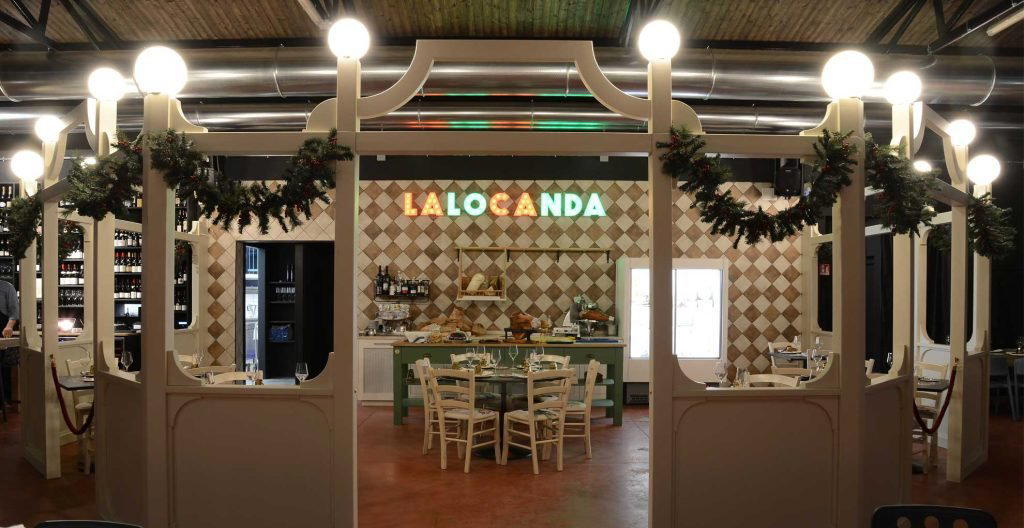
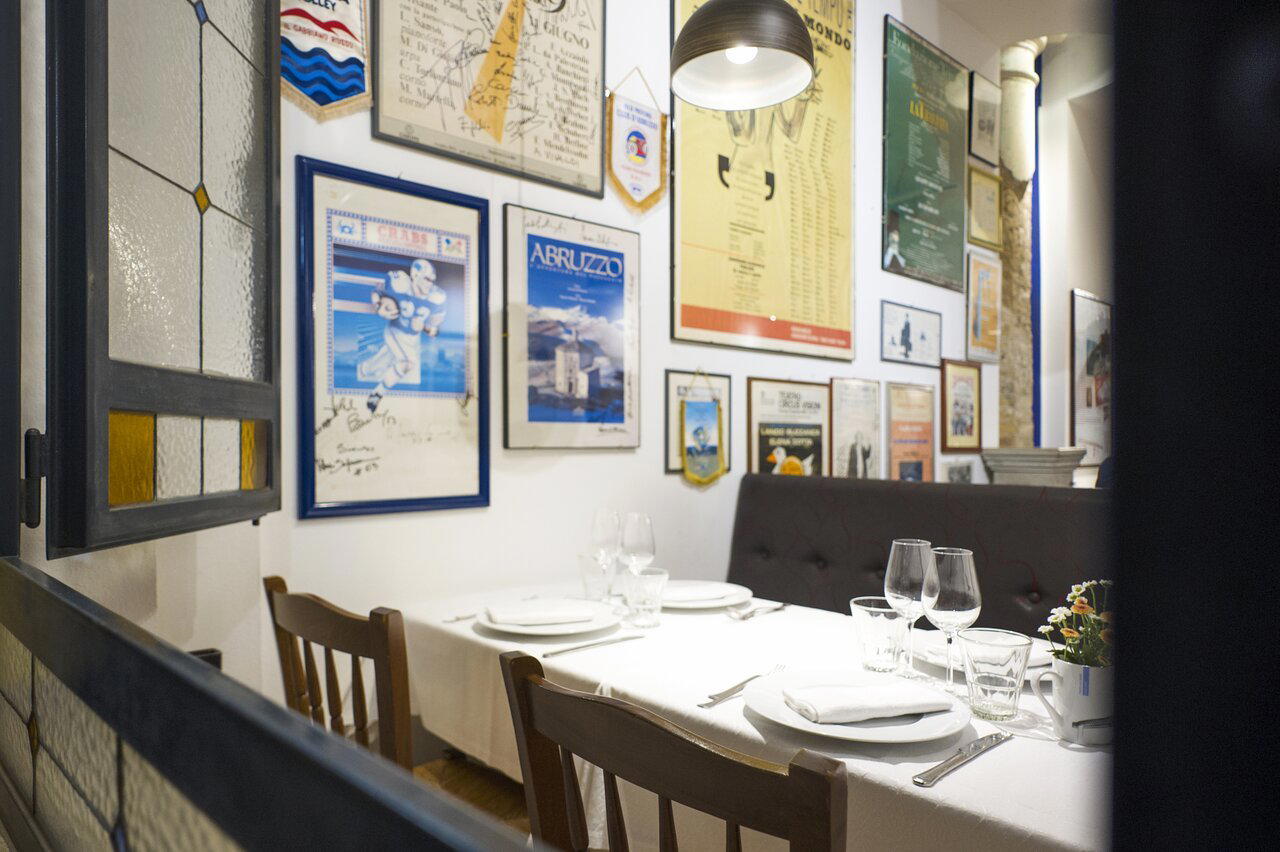
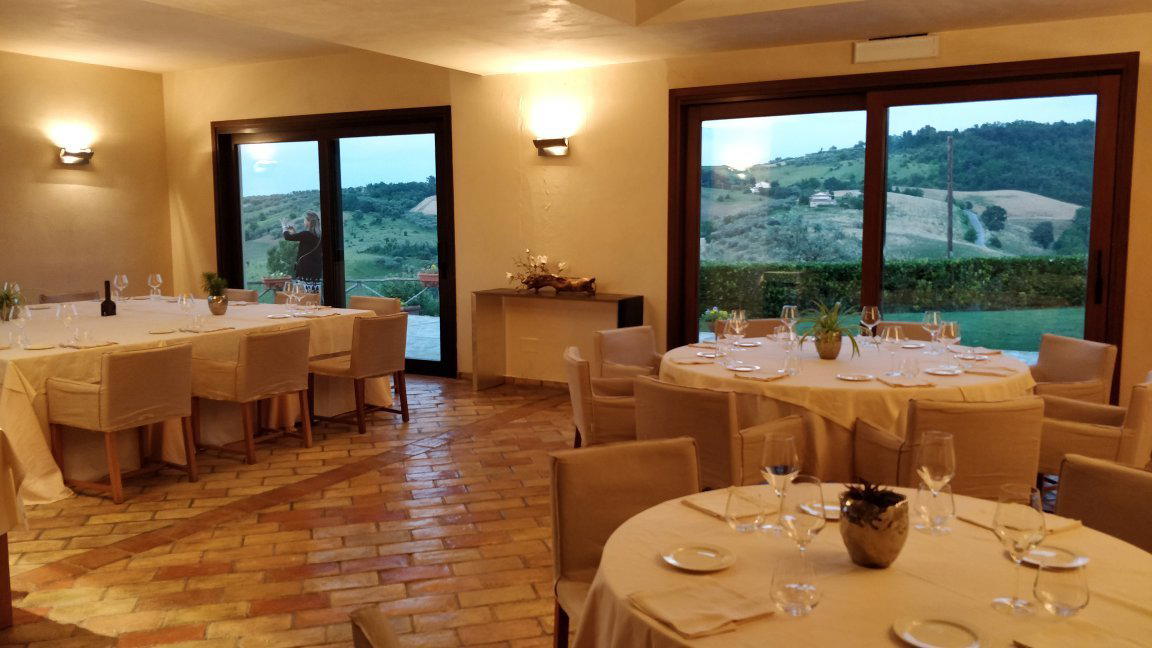
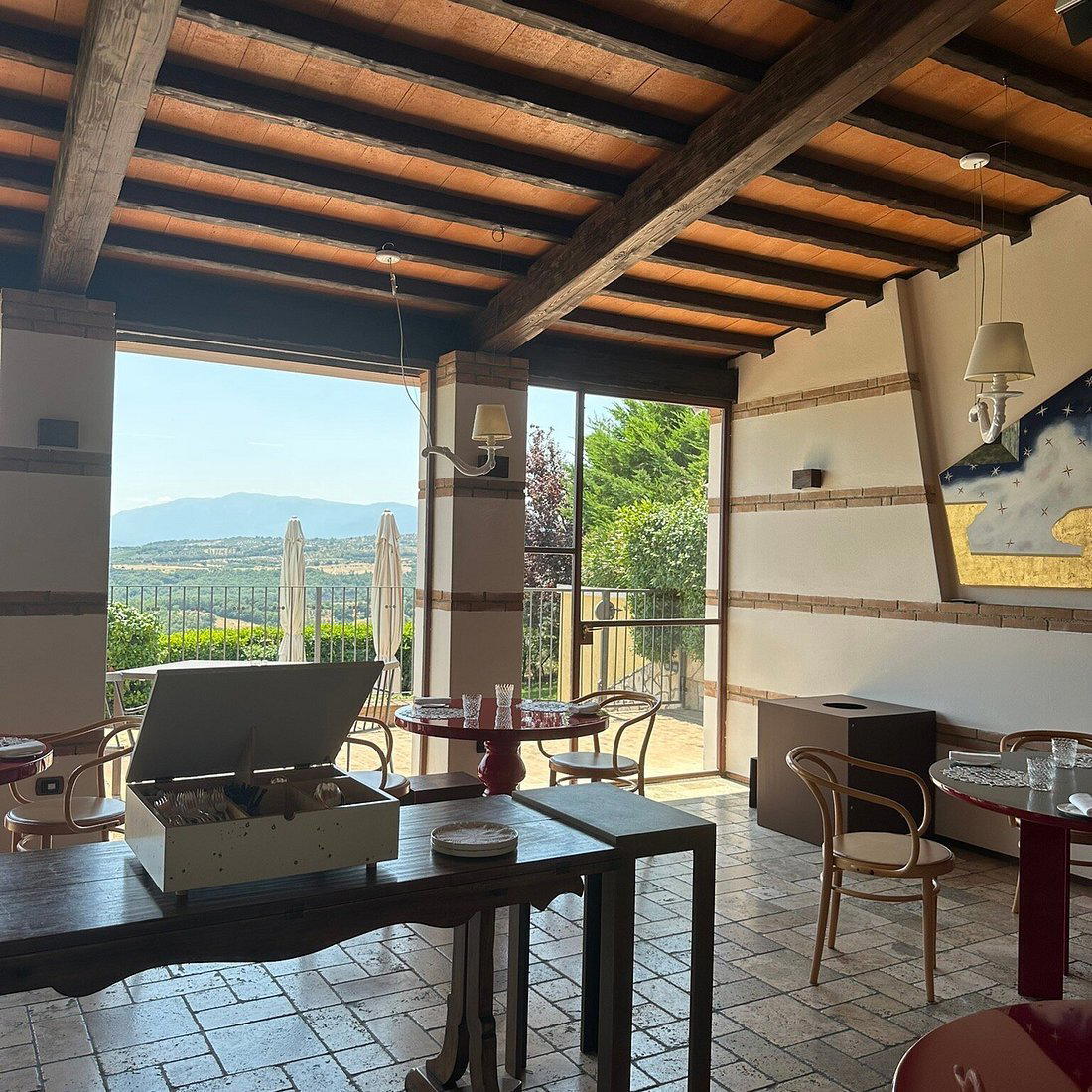
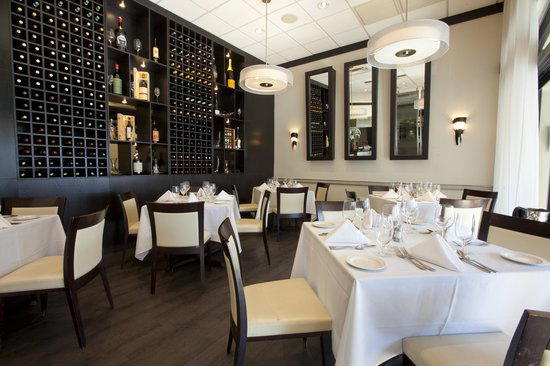
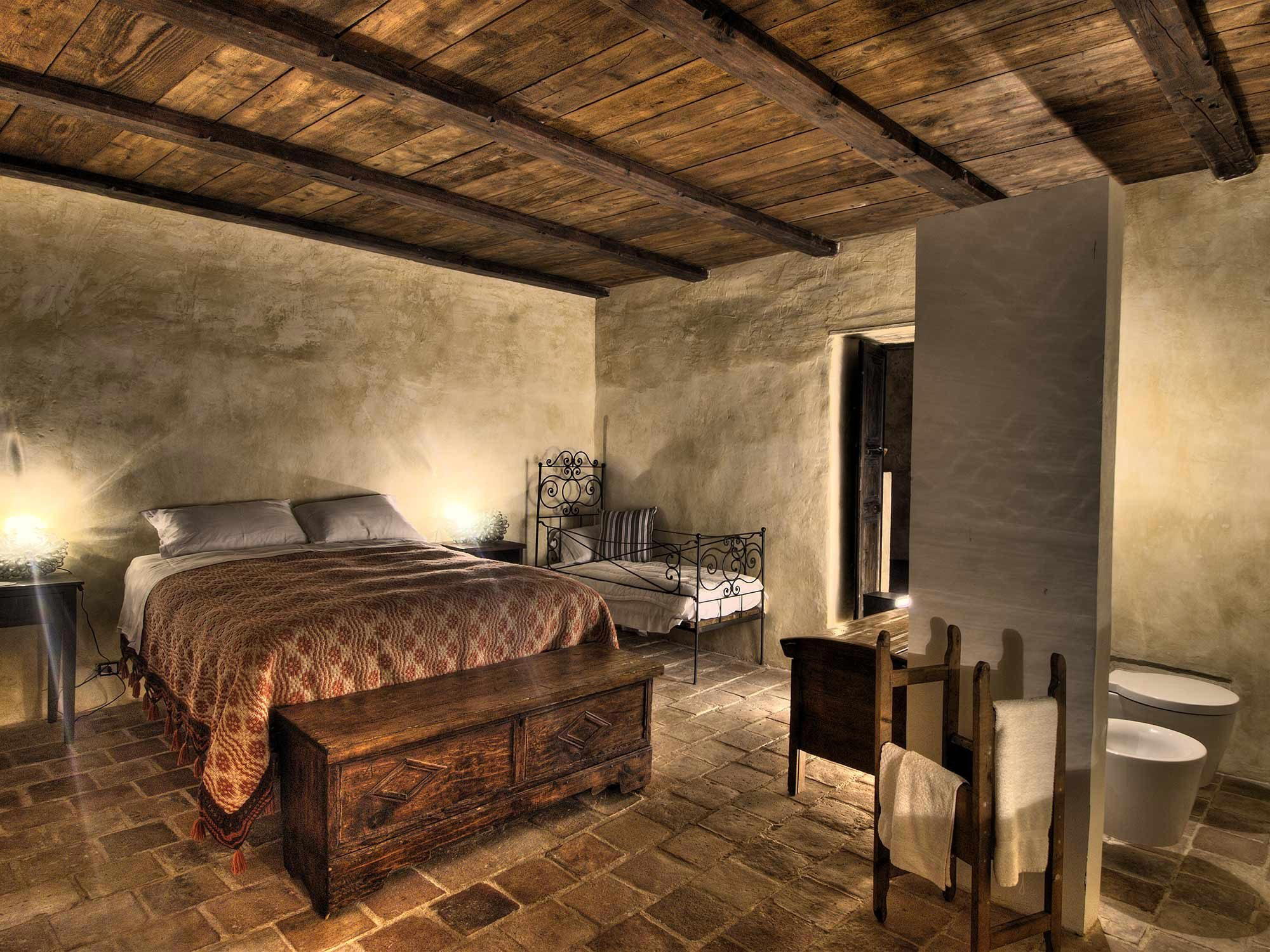
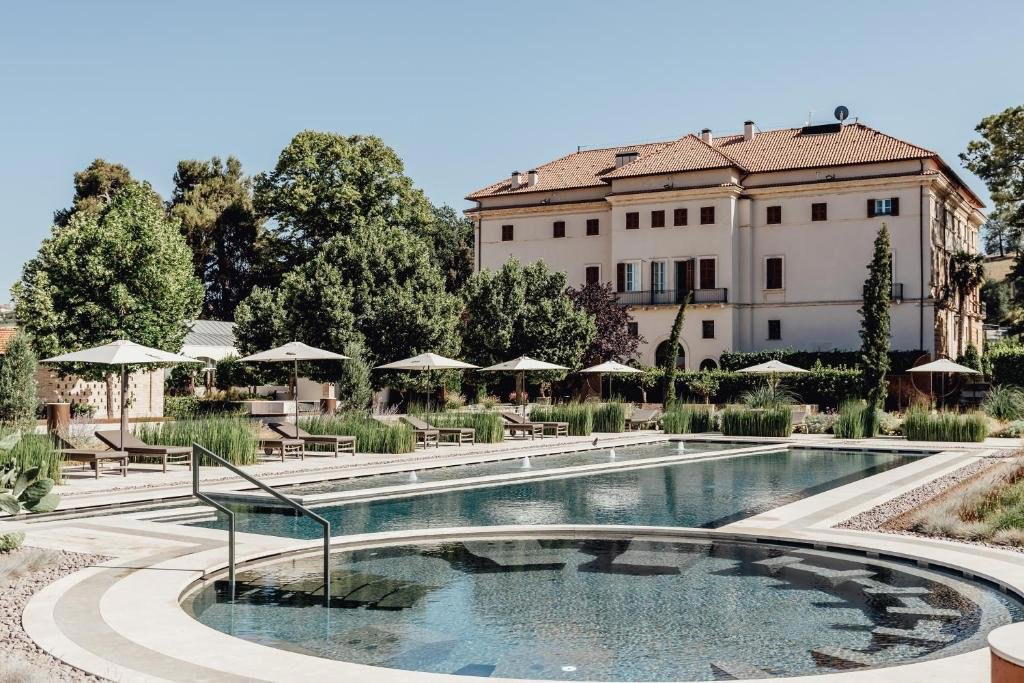
Intimate yet not overly formal atmosphere in a historic palazzo, with outdoor summer seating offering scenic views.