Mia Ristorante

Michelin Plate
Our verdict
Inside a converted stable in Borgotufi, a diffused hotel spread across the stone houses of a remote Molise village, Mia Ristorante places local mountain ingredients at the centre of a modern Italian menu. Chef Marco Pasquarelli works the region's produce with a lightness of touch that sits apart from the rustic template you might expect at this altitude. The journey to reach it is part of the proposition.

Pearl is the En Primeur Club membership app, where members save venues, book tables and use the concierge.
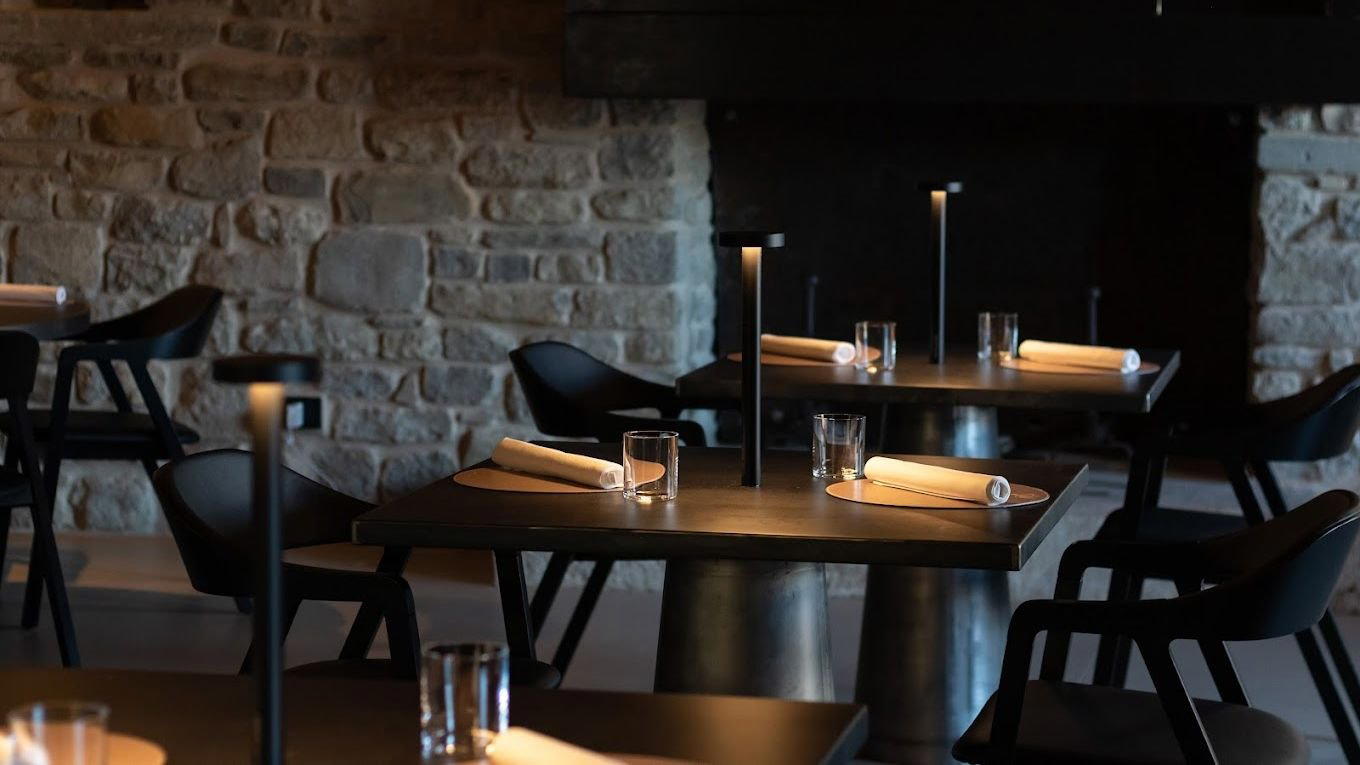
Stone Walls, Stable Floors, and the Molise Larder
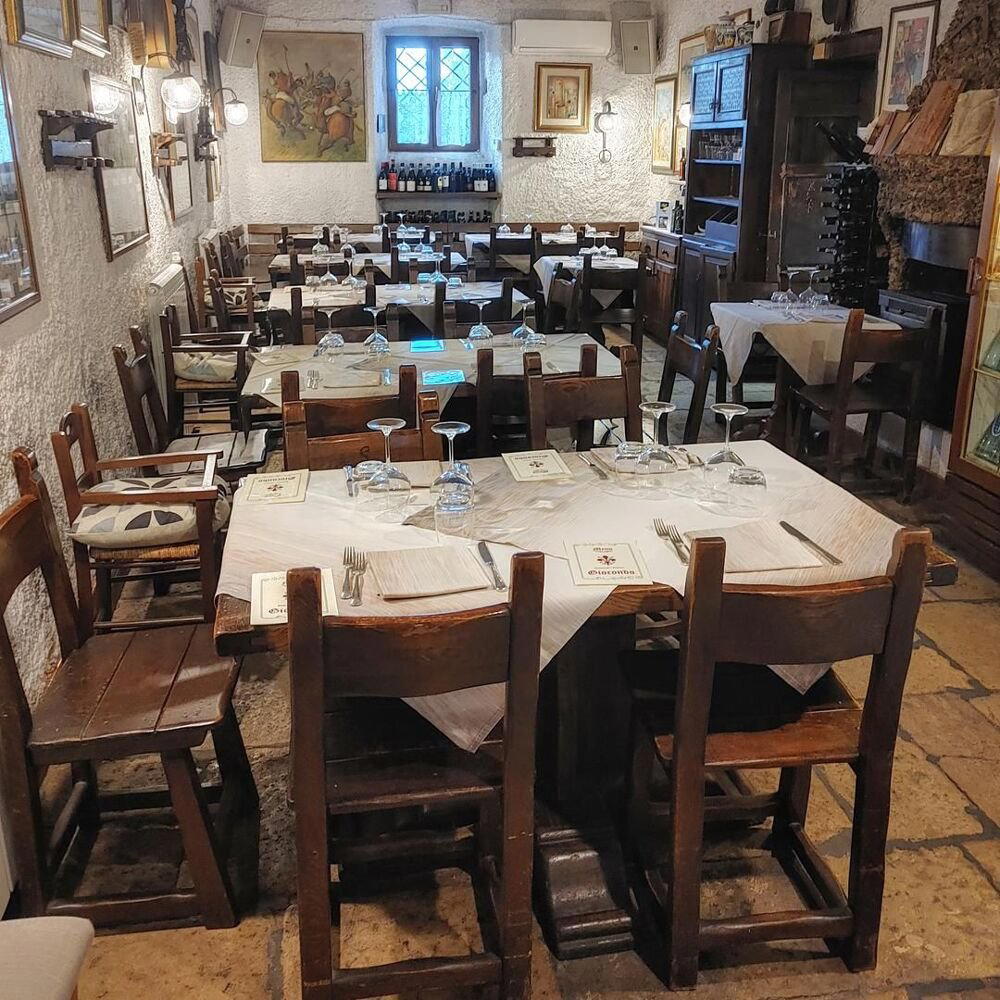
Castel del Giudice sits at the upper edge of Molise, one of Italy's least-trafficked regions, reached by a long climb through oak-covered hillsides and terraced grazing land that still looks more or less as it did a century ago. Arriving at Borgotufi, the diffused hotel that occupies the restored stone houses of a near-abandoned hamlet, carries that particular quality of rural Italian arrival: the village materialises gradually, its walls the same colour as the surrounding slopes, its geometry only legible once you are standing inside it. Mia Ristorante occupies the former stables at the base of that cluster, the low vaulted ceiling and stone floor carrying the architectural logic of the building outward into the dining room.
That physical grounding is not incidental. In mountain communities across the central Apennines, what a kitchen serves has always tracked what surveyors and shepherds could produce within a short radius. Molise's culinary identity, quieter in the national press than Campania or Lazio to its south and north, runs on lamb, wild herbs, legumes grown at altitude, cured pork from free-ranging black pigs, and freshwater fish from the Sangro and its tributaries. A restaurant set inside a restored village in this landscape faces a direct curatorial question: how much of that provenance do you keep literal, and how much do you reframe for a contemporary kitchen? Mia's answer, via a young chef working with regional raw material through a modern Italian lens, is among the more considered responses currently operating at this altitude.
Where the Ingredients Come From, and Why That Shapes the Menu
The sourcing framework for a restaurant in Castel del Giudice is partly geographic destiny. The supply chains that feed large city kitchens don't extend easily here, which means the pantry defaults to what the surrounding land and its producers provide. That constraint, across several decades of Italian cooking, has proved generative rather than limiting: some of the country's most discussed regional cooking, from the Sibillini plateau further north to the Cilento coast in the south, has emerged precisely because isolation forced a reckoning with very specific local material.
Chef Marco Pasquarelli works within that tradition while declining to be constrained by its strictest conventions. The menu incorporates the area's mountain ingredients as a base, drawing on the legumes, cured meats, and highland herbs that define the Molise table, while introducing seafood courses that break the landlocked logic. That move is less a contradiction than it appears: Molise has a short Adriatic coastline at its eastern edge, and the integration of coastal fish into inland menus reflects a regional geography that outsiders often flatten. The same pattern appears at other serious Italian regional kitchens, where a strict mountain-or-sea binary gives way to a more fluid reading of the territory.
For comparison, the approach that has made Apennine cooking internationally legible at places like Reale in Castel di Sangro, just across the border in Abruzzo, rests on treating the landscape as a serious source of culinary intelligence rather than nostalgic backdrop. The direction at Mia operates on a smaller stage but within a similar conceptual frame: ingredients as argument, not decoration.
The Borgotufi Context: Dining Inside a Diffused Hotel
Borgotufi's format deserves a note for visitors planning a stay rather than a single meal. The diffused hotel model, which has been quietly spreading through depopulated villages in Molise, Calabria, and Basilicata over the past two decades, distributes rooms across renovated historic buildings rather than concentrating them in a single structure. The effect is less like checking into a hotel and more like temporarily inhabiting a village. Mia sits within that framework as the culinary anchor, which means the restaurant serves guests staying in the hamlet's various restored houses as well as visitors arriving specifically to eat.
That dual audience shapes how the room feels. It has none of the transactional energy of a standalone destination restaurant expecting to turn tables. The pace is slower, tied to the rhythms of a property where guests are already present rather than arriving with reservation windows in mind. Visitors who have spent time at other serious regional Italian tables, from Dal Pescatore in Runate to Quattro Passi in Marina del Cantone, will recognise a format where the surrounding environment is as much the proposition as the plate.
Placing Mia in Italy's Broader Regional Restaurant Scene
Italy's most-discussed restaurant tier, the bracket occupied by the likes of Osteria Francescana in Modena, Le Calandre in Rubano, Piazza Duomo in Alba, and Enoteca Pinchiorri in Florence, operates at a remove from places like Castel del Giudice by design. Those kitchens court international press, carry Michelin star counts, and price against global destination dining peers. A restaurant embedded in a remote Molise hamlet is not competing in that register, nor does it need to.
The Atelier Moessmer Norbert Niederkofler in Brunico represents one pole of that regional-rooted approach, where a mountain location informs an entire cooking philosophy at multi-starred level. Mia operates with less institutional recognition but within an analogous logic: the place determines the food, not the other way around. That is, in its own way, the oldest argument in Italian cooking.
Planning the Visit
Reaching Castel del Giudice requires a commitment that functions as self-selection. The village is in the upper Molise Apennines, and the approach roads from the nearest rail connections involve the kind of winding highland driving that rewards those who find it worth the effort. The practical implication is that Mia works well as part of a stay at Borgotufi rather than a single-meal detour; given the travel time from any major urban centre, building at least one overnight into the plan makes the logistics proportionate to the distance. Booking via Borgotufi's accommodation channels is the logical entry point for coordinating the two. Seasonal timing matters here as it does across Apennine Italy: spring and autumn bring the most expressive local produce to mountain kitchens, while summer stays the longest window of comfortable access. For a broader picture of what else the area offers, see our full Castel del Giudice restaurants guide, our hotels guide, our bars guide, our wineries guide, and our experiences guide.
Frequently asked questions
Would Mia Ristorante be comfortable with kids?
The setting inside former stables in the stone-village complex of Borgotufi is atmospheric rather than formal, which tends to suit families travelling at a relaxed pace. That said, Mia sits at the end of a long drive through the upper Molise Apennines, so the visit works best when the whole group is bought into the journey, not just the destination. No specific children's menu is documented in available venue data.
What should I expect atmosphere-wise at Mia Ristorante?
The dining room occupies converted stables in Borgotufi, a diffused hotel spread across the stone houses of Castel del Giudice. Expect thick walls, historic materials, and the quiet that comes with a village at the upper edge of Molise, the antithesis of a city restaurant scene. The mood is intimate rather than theatrical, shaped by the architecture and the remoteness of the approach road as much as anything on the table.
Is Mia Ristorante Michelin-listed?
Mia Ristorante has received recognition including: If you're not already in the area, plan some time to get there, traveling through a green, hilly landscape to reach Borgotufi, a "diffused hotel" spread among stone houses. In the former stables transformed into a restaurant, Marco Pasquare….
What dish is Mia Ristorante famous for?
Chef Marco Pasquarelli's menu draws on local Molise ingredients given a modern treatment, with occasional seafood dishes woven into an otherwise land-rooted larder. No single signature dish is publicly documented, and the menu's character is better understood as a reflection of seasonal and geographic sourcing than any single preparation. Visiting without fixed expectations of a headline dish is the appropriate posture here.
Where do I go for Mia Ristorante?
Mia Ristorante is located at via Borgotufi, Castel del Giudice.
How far ahead should I plan for Mia Ristorante?
Mia sits inside Borgotufi, a diffused hotel, so planning a meal and planning a stay are often the same decision. The village is in the upper Molise Apennines with no nearby accommodation alternatives of note, which makes the logistical lead time longer than the reservation lead time. Contacting Borgotufi directly to coordinate dining alongside a room booking is the practical approach, particularly in summer months when the property draws visitors specifically for the restaurant.
What do critics highlight about Mia Ristorante?
Recognition focuses on two things: the location itself and what Marco Pasquarelli does within its constraints. The Michelin guide has noted the converted-stable setting at Borgotufi, Pasquarelli's modern handling of Molise's regional ingredients, and the deliberate effort required to reach Castel del Giudice, framing the journey through green, hilly terrain as part of the experience rather than an inconvenience. The consensus is that the cooking holds its own against the drama of the setting.
Quick Comparison
Comparable venues nearby, for context on price, style, and recognition.
| Venue | Cuisine | Price | Awards | Notes |
|---|---|---|---|---|
| Mia RistoranteThis venue (the venue you are viewing) | Modern Italian Creative | Not listed | Michelin Plate | Not listed |
| Josè - Tenuta Villa Guerra | Modern Neapolitan Fine Dining | $100–150 | Michelin Plate | Torre del Greco |
| Café Les Paillotes | Modern Italian Seafood | $30–50 | Michelin Plate | Pescara center |
| Resilienza | Modern Italian Regional | $30–50 | Michelin Plate | Pineto |
| Chichibio | Modern Abruzzese Fine Dining | Not listed | Michelin Plate | Roccaraso town centre |
| Diego Vitagliano Pizzeria | Modern Neapolitan Pizza | $10–20 | 50 Top Pizza World Best Pizza #4 · Opinionated About Dining Cheap Eats in Europe | San Ferdinando |
Recognition history
Dated appearances from independent guides and award organizations, with the underlying list record or original source where available.
Michelin Plate
Michelin · 2026 Michelin Plate
Continue exploring
More in Castel del Giudice
Restaurants in Castel del Giudice
All restaurants in Castel del Giudice →
Hotels in Castel del Giudice
Browse all →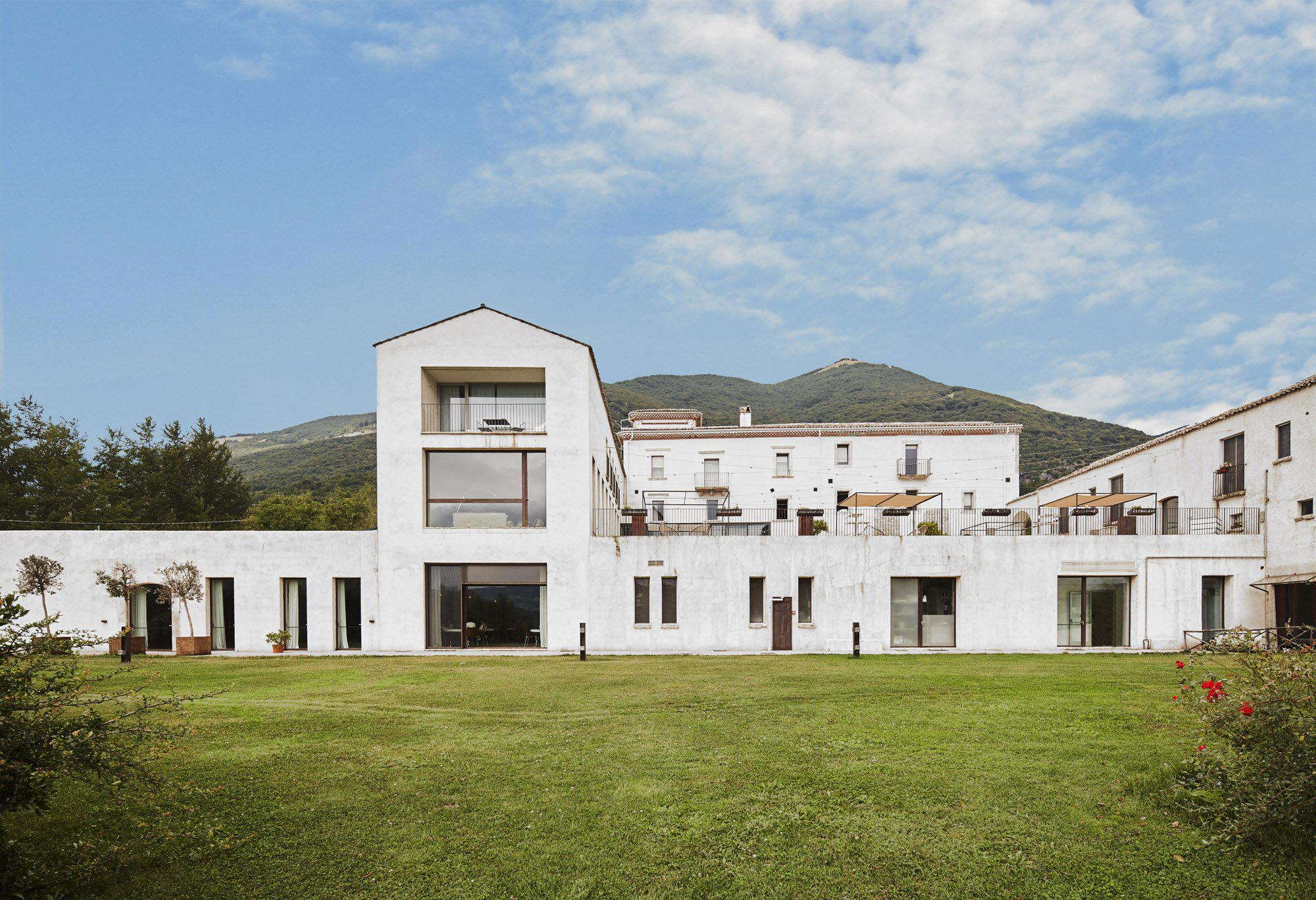

Details
- Intimate
- Elegant
- Rustic
- Scenic
- Sophisticated
- Date Night
- Special Occasion
- Family
- Celebration
- Historic Building
- Open Kitchen
- Sommelier Led
- Local Sourcing
- Mountain
- A La Carte
- Tasting Menu
Current opening hours
- Monday
- Closed
- Tuesday
- Closed
- Wednesday
- Closed
- Thursday
- Closed
- Friday
- Closed
- Saturday
- Closed
- Sunday
- Closed
Hours can change for holidays and private events. Hours as of .
Relaxing and welcoming natural setting with modern balanced furnishings, quiet room, pleasant atmosphere, and attention to detail creating a classy, warm, and suggestive environment.