Casa D'Angelo


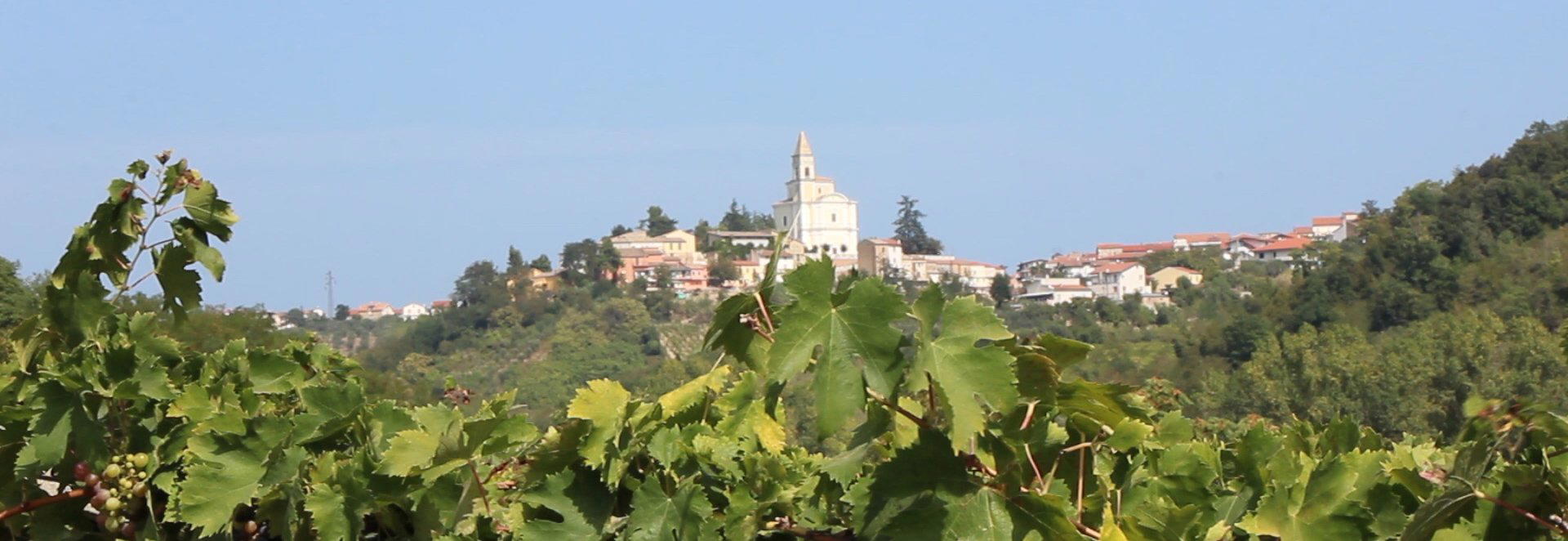
Casa D'Angelo occupies a converted family home in the hilltop village of Fara Filiorum Petri, serving Abruzzese regional cuisine that moves between tradition and careful invention. A Michelin Plate holder earning, it pitches at the €€ tier and offers a four-course tasting menu that represents particularly honest value in the province. The restaurant produces its own extra-virgin olive oil, which threads through the cooking as both ingredient and statement of provenance.
Pearl is the En Primeur Club membership app — saves, bookings, and concierge access live there. Same editors, same standards.
- Address
- Via S. Nicola, 5, 66010 Fara Filiorum Petri CH, Italy
- Phone
- +39 0871 70296
- Website
- casadangelo.it
- Directions
- Get directions
 Saves & bookings on Pearl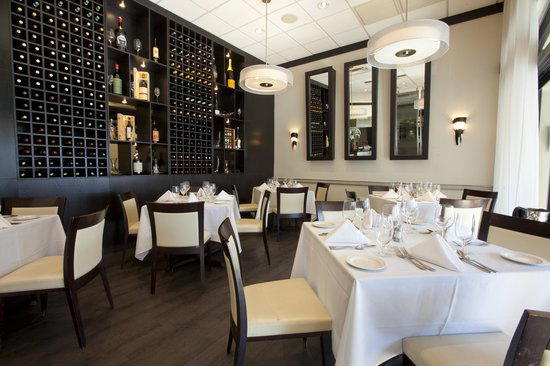
A Village Table Built on Abruzzese Provenance
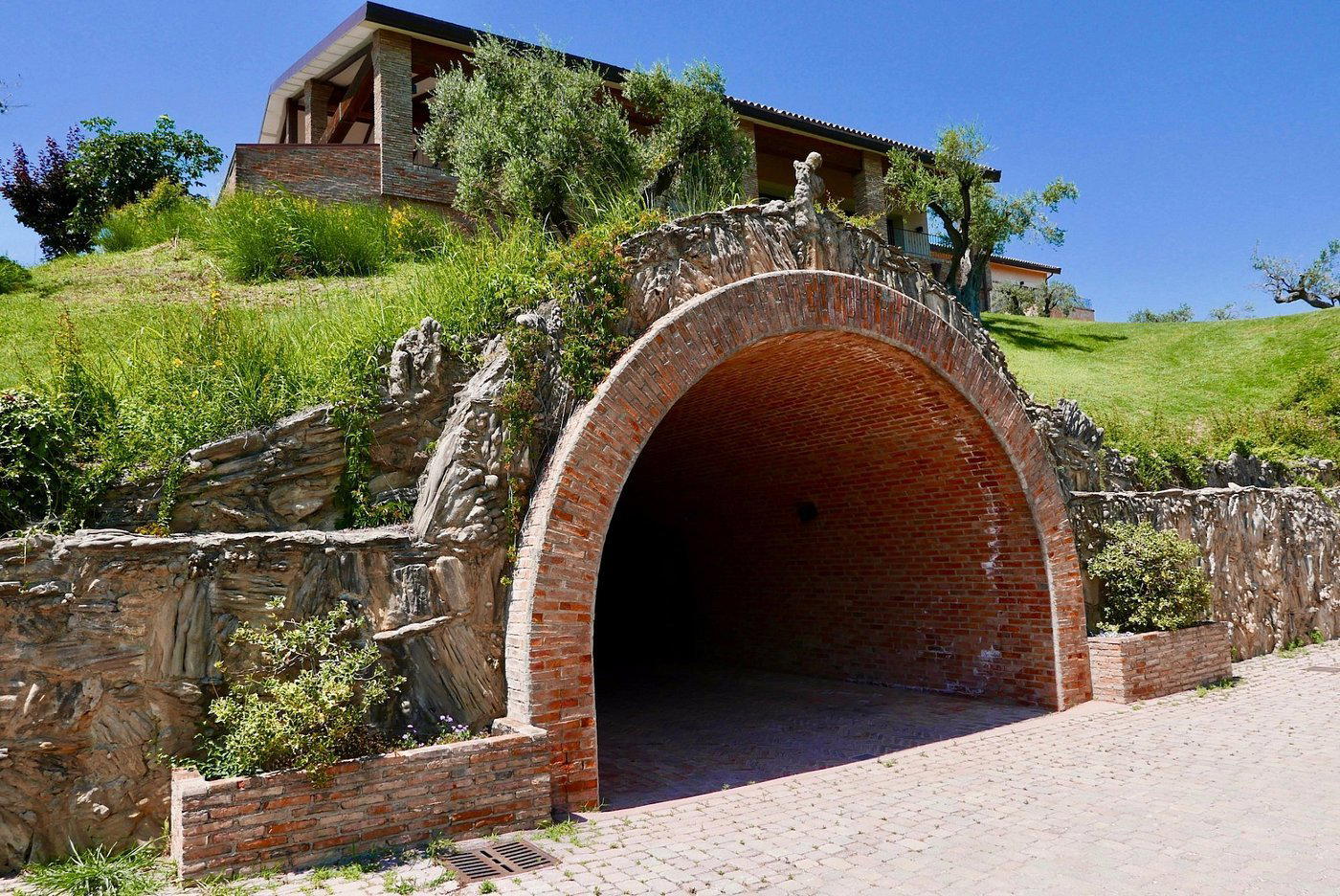
There is a particular kind of regional Italian restaurant that resists the pull of metropolitan ambition entirely, anchoring itself instead to the land, the season, and the habits of the table that preceded it by generations. Casa D'Angelo, on Via S. Nicola in the small hilltop village of Fara Filiorum Petri in the Chieti province of Abruzzo, belongs to that category. The building itself sets the tone: a converted family home whose domestic architecture, low ceilings, interior proportions shaped by domestic life rather than restaurant engineering, communicates something about the cooking before a single dish arrives. This is not a space designed around theatrical effect. It is a space that has been repurposed with care, and the distinction matters.
Abruzzo's culinary identity sits at a crossroads that most of Italy's heavily touristed regions have long since abandoned. The region still produces its own olive oil, raises lamb on high-altitude pasture, cures its own meats, and treats game as a seasonal larder rather than a menu affectation. Restaurants that draw directly from that supply chain rather than importing prestige ingredients from elsewhere are, in the broader Italian dining picture, doing something worth attention. Casa D'Angelo holds a Michelin Plate for 2025, a recognition that confirms quality cooking without the pressure-driven format that higher star tiers typically impose. That positioning, at the €€ price tier, places it well below the four-course economics of Italy's three-star houses, several of which you can read about in our coverage of Osteria Francescana in Modena, Le Calandre in Rubano, and Enoteca Pinchiorri in Florence.
Where the Ingredients Come From, and Why That Shapes the Menu
The sourcing logic at Casa D'Angelo is not complicated, but it is deliberate. The restaurant produces its own extra-virgin olive oil, and that detail carries more editorial weight than it might initially appear to. In Abruzzo, olive cultivation is part of the agricultural fabric of the interior hill towns, and a restaurant that controls its own oil supply is making a statement about how closely the kitchen is tied to the land immediately around it. That oil appears across the menu not as a finishing flourish but as a structural ingredient, adding depth to dishes that would taste different without it.
The broader menu follows the same logic of place. Charcoal-grilled local lamb is one of the clearest expressions of this: Abruzzo's transhumance tradition, in which sheep historically moved between coastal lowlands and Apennine highlands, produced a pastoral culture whose flavours survive in precisely this kind of preparation. Cured ham as a starter draws from a pork-curing tradition common to central Italian mountain communities. These are not dishes invented for the menu; they are dishes the menu has inherited and presents with the confidence of ownership.
Where the kitchen moves beyond inheritance is in preparations like warm pheasant terrine with apple, which applies technique to game in a way that acknowledges regional ingredients while adding a layer of culinary construction. Potato gnocchi with duck sauce occupies a middle ground: a form rooted in northern and central Italian domestic cooking, here given an Abruzzese character through the pairing. The four-course tasting menu draws on this range and, at the €€ price point, offers access to the full register of the kitchen's cooking at a cost that few comparable regional addresses across Italy currently match. Among Abruzzese restaurants operating at a similar level of ambition, it is worth reading our coverage of Bacucco d'Oro in Mutignano and Borgo Spoltino in Mosciano Sant'Angelo for comparison across the region's current offer.
The Wine List in Context
The wine program is a notable part of the experience, with a pricing structure that carries a range across multiple tiers rather than clustering at any single price point. Italy and California appear as the list's primary strengths. For a restaurant at the €€ dining tier in a small Abruzzese village, that level of depth signals genuine investment in the wine side of the operation. Abruzzo's own contribution to Italian wine, particularly Montepulciano d'Abruzzo and Trebbiano d'Abruzzo, provides obvious regional pairing logic for the food, and a list of this breadth should offer adequate options across both those categories and beyond. The €€ pricing bracket on the wine side suggests accessible entry points alongside more serious bottles.
For the wider picture of Italian fine dining across the country's most decorated addresses, our coverage extends to Dal Pescatore in Runate, Enrico Bartolini in Milan, Piazza Duomo in Alba, Atelier Moessmer Norbert Niederkofler in Brunico, Quattro Passi in Marina del Cantone, Uliassi in Senigallia, Casa Perbellini 12 Apostoli in Verona, and Reale in Castel di Sangro, which is Abruzzo's most decorated table and offers a useful reference point for what the region's cooking looks like at its most technically ambitious tier.
Planning Your Visit
Fara Filiorum Petri sits in the Chieti province of inland Abruzzo, at a remove from the coastal Adriatic strip that draws most first-time visitors to the region. That geographical remove is, in part, what preserves the cooking's character: the restaurant does not operate for passing tourist trade. Dinner is offered Wednesday through Saturday, with Sunday lunch. Booking in advance is advisable, particularly given the domestic scale of the space, and the four-course tasting menu is one efficient way to understand the full range of the kitchen in a single sitting.
Comparable Venues
Comparable venues nearby, for context on price, style, and recognition.
| Venue | Cuisine | Price | Awards | Notes |
|---|---|---|---|---|
| Casa D'AngeloThis venue — the venue you are viewing | Elegant Regional Abruzzese | $$$ | Michelin Plate | Not listed |
| Futura | Contemporary Italian | $$$ | Michelin Plate | historic centre |
| Chichibio | Modern Abruzzese Fine Dining | $$$ | Michelin Plate | Roccaraso town centre |
| Miseria e Nobiltà | Modern Molisano Italian | $$$ | Michelin Plate | centro storico |
| FØRMA contemporary restaurant | Creative Contemporary Italian | $$$ | Michelin Plate | historic centre |
| Osteria dei Maltagliati | Modern Abruzzese Osteria | $$$ | Bib Gourmand | Torano Nuovo |
Recognition history
Dated appearances from independent guides and award organizations, with the underlying list record or original source where available.
Michelin Plate
Michelin
Michelin Plate
Michelin
Wine Spectator Best of Award of Excellence
Wine Spectator
Michelin Plate
Michelin
Continue exploring
More in Fara Filiorum Petri
Restaurants in Fara Filiorum Petri
Browse all →
Bars in Fara Filiorum Petri
Browse all →
Hotels in Fara Filiorum Petri
Browse all →

At a Glance
- Elegant
- Rustic
- Cozy
- Intimate
- Sophisticated
- Date Night
- Special Occasion
- Historic Building
- Extensive Wine List
- Local Sourcing
Current opening hours
- Monday
- Closed
- Tuesday
- Closed
- Wednesday
- 8–10:30 PM
- Thursday
- 8–10:30 PM
- Friday
- 8–10:30 PM
- Saturday
- 8–10:30 PM
- Sunday
- 12:30–2:30 PM
Hours can change for holidays and private events. Last verified .
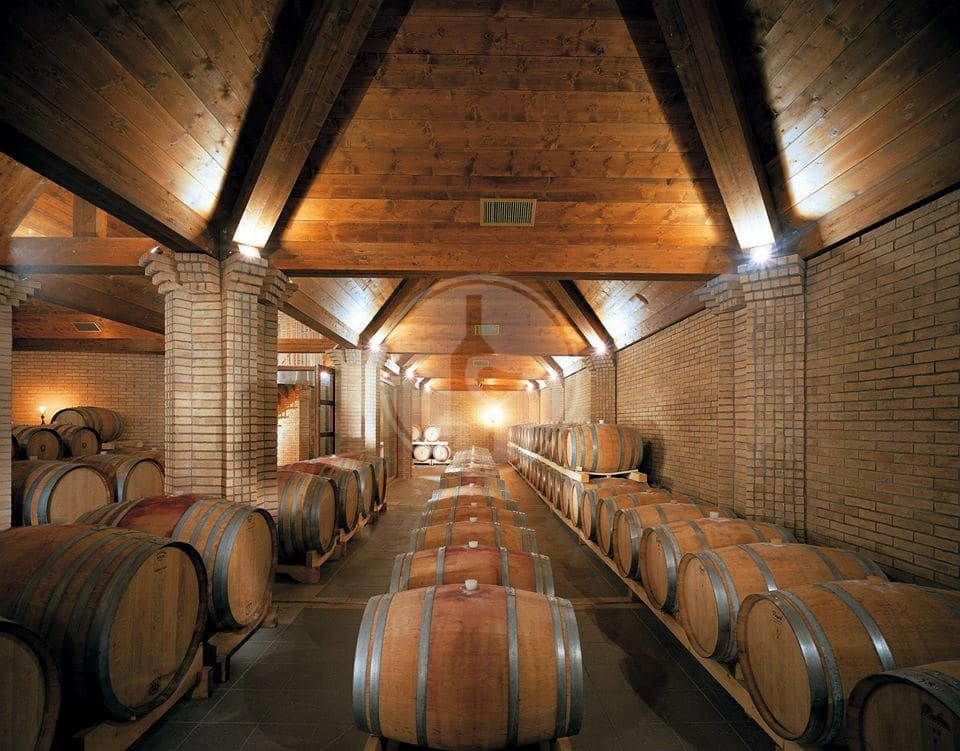
Cozy yet professional atmosphere in a historic family home setting with warm, intimate lighting.