Onibaba by Tsukushinbo
Onibaba by Tsukushinbo occupies a quietly significant address in Seattle's International District, where Japanese culinary tradition carries generational weight. The restaurant draws on the legacy of Tsukushinbo, a longstanding presence in the neighbourhood, while the Onibaba format suggests a more deliberate, course-driven approach to that inheritance. For those tracking Seattle's Japanese dining scene, this address at 515 South Main St is worth attention.
Pearl is the En Primeur Club membership app — saves, bookings, and concierge access live there. Same editors, same standards.
- Address
- 515 South Main St, Seattle, WA 98104
- Phone
- +1 206 467 4004
- Website
- onibabaseattle.com
- Directions
- Get directions
 Saves & bookings on Pearl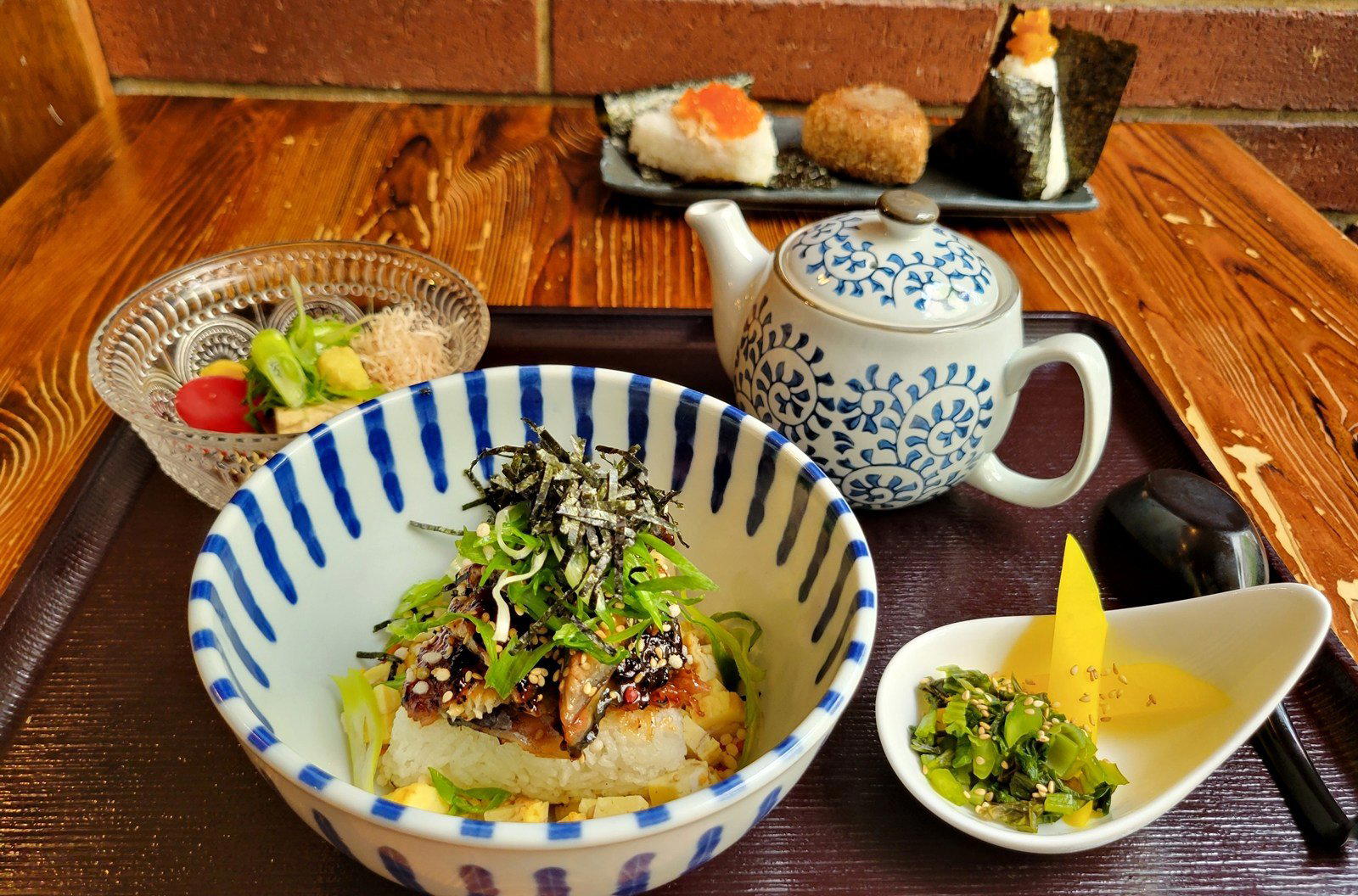
International District, Where Seattle's Japanese Dining Has the Deepest Roots
Seattle's International District is where Japanese dining has lasted longest. The neighbourhood's Japanese restaurants predate the city's broader culinary reputation by decades, and particularly durable names here have survived not by chasing trends but by holding to formats that serious diners return to without needing a reason. The block of South Main Street where Onibaba by Tsukushinbo sits, at 515 South Main St, belongs to that older layer of the city's food geography.
The Tsukushinbo name carries weight in this context. For years it represented a register of Japanese cooking in Seattle: precise, unhurried, oriented toward guests who already knew what they were looking for. Onibaba signals something built on that foundation but shaped into a distinct format, a meal with structure and intention rather than an à la carte menu to be assembled table by table.
The Arc of a Meal at Onibaba
Japanese multi-course dining in the United States has developed along two different trajectories. One track, dominant in New York and Los Angeles, runs toward omakase counters where the chef's selections shift nightly and proximity to the kitchen is part of the experience. The other, less visible track favours a more composed kaiseki sensibility, where the sequencing of courses follows seasonal logic and the transition from one dish to the next carries as much meaning as the individual plates. Onibaba by Tsukushinbo appears to occupy the second register.
That framing shapes what a thoughtful first visit looks like. Rather than arriving with a list of dishes to request, the more useful orientation is to treat the meal as a sequence with its own internal rhythm. In kaiseki-adjacent formats, the early courses tend to be restrained almost to the point of understatement: small, precise preparations that calibrate the palate rather than announce themselves. The middle of the meal is where the kitchen's range becomes legible, and the final courses, whether a composed rice dish or something sweet and spare, function as resolution rather than flourish.
Joule brings a New Asian framework to similar questions about sequencing and precision, and Canlis has long modelled what a full-commitment tasting format looks like at the New American end of the city's spectrum. But for cooking rooted in Japanese tradition specifically, the International District address puts Onibaba in a comparable set that includes the city's most historically grounded Japanese restaurants, among them Maneki, which has been operating on the same block since 1904.
Why the Tsukushinbo Legacy Matters Here
In cities with deep Japanese-American communities, particularly serious Japanese restaurants are often the least marketed. Their reputations travel through the community itself, through the kind of word-of-mouth that does not require a publicist. Tsukushinbo fit that pattern. Its guests tended to be those who already understood what they were eating, which meant the kitchen did not need to explain itself through overwrought menu descriptions or tableside theatre.
Onibaba inherits that orientation. The name itself, drawn from Japanese folklore, suggests a restaurant aware of its own register: not an attempt to seem approachable, but a deliberate signal toward guests willing to meet the kitchen on its own terms. That positioning places it closer in spirit to the reservation-driven, allocation-style dining culture visible at venues like Atomix in New York City, where the format assumes an already-engaged guest, than to the more exploratory walk-in culture of casual Japanese dining.
Seattle's Japanese Dining in the Wider American Context
For readers who track fine dining across multiple cities, Seattle's Japanese food culture is worth understanding as its own distinct ecosystem. It does not mirror San Francisco's, where Japanese influence runs heavily through the omakase counter format and venues like Lazy Bear in San Francisco have absorbed Japanese precision into a California tasting menu idiom. It differs from Los Angeles, where Japanese-American dining operates at enormous scale across multiple price tiers. Seattle's Japanese food tradition is smaller, older in the International District specifically, and tied to a community that valued continuity over novelty.
That context puts a place like Onibaba by Tsukushinbo in sharper relief. It is not competing with Le Bernardin in New York City for the French-trained fine dining guest, nor with The French Laundry in Napa for the destination-meal tourist. Its competitive reference points are local and specific: the city's other serious Japanese addresses, the International District's own culinary history, and the subset of Seattle diners who prioritise technical depth in Japanese cooking over spectacle.
For those who have eaten at Smyth in Chicago, Providence in Los Angeles, or Single Thread Farm in Healdsburg and understand what multi-course intentionality looks like when a kitchen commits fully to it, Onibaba represents the Seattle address to investigate within a Japanese framework. Further afield, Addison in San Diego, Blue Hill at Stone Barns in Tarrytown, and The Inn at Little Washington in Washington all share the same commitment to course-driven architecture that defines serious tasting-format restaurants. Atelier Moessmer Norbert Niederkofler in Brunico and Emeril's in New Orleans represent the range of what that commitment looks like across different culinary traditions entirely.
Planning a Visit
The address at 515 South Main St in Seattle's International District places the restaurant within walking distance of the neighbourhood's other longstanding Japanese addresses. For those building a broader picture of the city's dining, our full Seattle restaurants guide maps the range of what is operating across neighbourhoods and price tiers, including nearby addresses at 1415 1st Ave, 1744 NW Market St, and 2963 4th Ave S.
Where It Fits
Comparable venues nearby, for context on price, style, and recognition.
| Venue | Cuisine | Price | Notes |
|---|---|---|---|
| Onibaba by TsukushinboThis venue — the venue you are viewing | Japanese Onigiri Specialist | $$ | Not listed |
| Samurai Noodle | Japanese Ramen Noodle Bar | $$ | University District |
| Kushibar | Japanese Street Food & Kushiyaki | $$ | Belltown |
| Jae's Asian Bistro & Sushi | Japanese Sushi & Pan-Asian | $$ | Stevens |
| La Spiga | Authentic Northern Italian (Emilia-Romagna) | $$ | Pike/Pine |
| List Restaurant | Dining | Not listed | Belltown |
Continue exploring
More in Seattle
Restaurants in Seattle
Browse all →
Bars in Seattle
Browse all →
Hotels in Seattle
Browse all →

At a Glance
- Cozy
- Trendy
- Casual Hangout
- Standalone
- Sake Program
Current opening hours
- Monday
- 12–2 PM, 5–9 PM
- Tuesday
- Closed
- Wednesday
- Closed
- Thursday
- 12–2 PM, 5–9 PM
- Friday
- 12–2 PM, 5–9 PM
- Saturday
- 12–2 PM, 5–9 PM
- Sunday
- 12–9 PM
Hours can change for holidays and private events. Last verified .
Casual hip atmosphere in a tiny spot in Seattle's Japantown with limited seating.