Musashi's
Musashi's occupies a Wallingford address that has drawn Seattle diners for years, sitting at the intersection of Japanese technique and Pacific Northwest produce. The room is compact, the menu disciplined, and the approach reflects a broader shift in how American cities absorb and reinterpret Japanese culinary traditions. It belongs to a recognizable Seattle tier: neighborhood-anchored, produce-driven, and worth the advance planning it requires.
Pearl is the En Primeur Club membership app — saves, bookings, and concierge access live there. Same editors, same standards.
- Address
- 1400 N 45th St, Seattle, WA 98103
- Phone
- +12066330212
- Website
- pos.chowbus.com
- Directions
- Get directions
 Saves & bookings on Pearl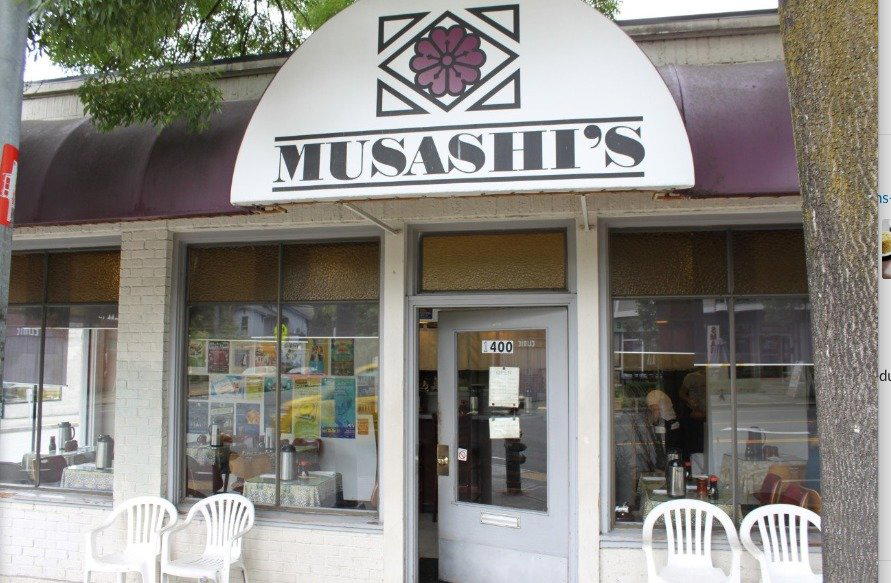
Wallingford, Sushi, and the Question of Technique
North 45th Street in Wallingford is not the address you associate with destination dining. The strip runs through a residential Seattle neighborhood, its storefronts practical and low-key, the foot traffic a mix of dog-walkers and commuters rather than reservation-holders. Musashi's sits at 1400 N 45th St precisely in that context: a room that signals nothing from the outside about the culinary tradition it maintains within. That gap between street presence and dining substance is, in a specific way, central to understanding where Musashi's fits in Seattle's Japanese dining picture.
Seattle has a longer, more complex relationship with Japanese cuisine than most American cities. The historical Japanese-American community in the International District established a baseline of seriousness that predates the national omakase boom by decades. What Wallingford venues like Musashi's represent is a second layer: the neighborhood sushi counter that absorbed Japanese technique over time and refined it through the specific produce logic of the Pacific Northwest. This is not the high-ceremony omakase model that defines counters in cities like New York or Los Angeles, venues such as Atomix in New York City operate in an entirely different register of production and price, but it is also not the casual roll-and-miso format that fills the middle market. The restaurant occupies something closer to a third position: technically grounded, neighborhood-scaled, and ingredient-attentive.
Pacific Northwest Produce Through a Japanese Lens
The editorial angle that most usefully frames the restaurant is the intersection of imported method and indigenous product. Japanese sushi and washoku traditions were built around specific marine ecosystems: the cold, clean waters off Hokkaido, the fisheries of Toyama Bay, the river systems of Kyushu. The Pacific Northwest offers its own cold-water marine logic, and the quality of Puget Sound seafood, Dungeness crab, Pacific salmon species, geoduck, spot prawns, creates a foundation that is genuinely compatible with Japanese technique rather than merely adjacent to it.
Across Seattle's better Japanese-inflected rooms, this compatibility has produced a recognizable regional sub-tradition. Restaurants operating along the Joule axis, Joule being the clearest example of New Asian technique applied to Northwest ingredients, demonstrate how disciplined the approach can become when the technique is sophisticated and the sourcing is genuine. The restaurant operates at a different scale and price point, but participates in the same underlying logic: Japanese methods (knife discipline, temperature control, seasoning restraint) applied to ingredients that the Northwest's fisheries and farms make available.
This approach has parallels in other American cities. Providence in Los Angeles applies French-rooted technique to West Coast marine product with comparable seriousness. Le Bernardin in New York City has made the case for decades that technique-led seafood cooking can coexist with ingredient primacy. What distinguishes the Seattle iteration is the specific character of the raw material and the neighborhood scale at which it operates, closer to a local institution than a destination counter.
Where Musashi's Sits in Seattle's Dining Structure
Seattle's restaurant ecosystem in 2024 spans a wider range than the city's modest national profile suggests. At the upper end, Canlis continues to anchor the fine dining tier with a New American format built around Northwest produce and a view over Lake Union that has defined the room for over seventy years. Below that, a cluster of serious neighborhood restaurants, including addresses along 1415 1st Ave and 1744 NW Market St, maintain the kind of consistent quality that builds neighborhood regulars rather than tourist traffic.
The restaurant belongs to that second tier by address and by format. The Wallingford location places it outside the Capitol Hill and South Lake Union corridors that attract most visiting diners. That geographic positioning is not a liability; it is structurally similar to what sustains serious neighborhood restaurants in any dense American city. Regulars carry the room through midweek, and weekends bring a broader draw as word-of-mouth does the work that marketing does not.
For comparative context within the national Japanese dining conversation, the contrast with higher-investment formats is instructive. The farm-to-table omakase model, as practiced by Single Thread Farm in Healdsburg or the hyper-local sourcing logic of Blue Hill at Stone Barns in Tarrytown, represents one end of the technique-meets-terroir spectrum. The restaurant operates at a different scale but shares the underlying premise: that the quality of the sourcing determines the ceiling of the cooking, regardless of format.
South Seattle's Parallel Track
It is worth noting that Seattle's Japanese dining scene is not limited to the north end of the city. Venues around 2963 4th Ave S in the Georgetown and SoDo corridor represent a different demographic and price-point tradition, one rooted in the city's working waterfront history. The restaurant sits at the other end of that geographic axis, in a neighborhood that skews younger and more residential, but the underlying seriousness about Japanese technique connects these disparate addresses in ways that a surface-level neighborhood comparison would miss.
Planning Your Visit
The restaurant at 1400 N 45th St is accessible from central Seattle via the 44 bus line, which runs directly through Wallingford from Capitol Hill and Eastlake. Street parking on 45th is available but competes with neighborhood demand on weekend evenings. The Wallingford neighborhood itself offers pre-dinner options along the same strip, making early arrival practical rather than wasted time.
For the broader Seattle dining picture, our full Seattle restaurants guide covers the range from the Canlis tier down to neighborhood staples across all cuisines and neighborhoods.
How Musashi's Compares on Logistics
| Venue | Neighborhood | Format | Booking Lead Time | Price Tier |
|---|---|---|---|---|
| The restaurant | Wallingford | Neighborhood sushi | Walk-in / short lead | Mid-range |
| Joule | Fremont/Wallingford | New Asian | Several days ahead | Mid-upper |
| Canlis | Queen Anne | New American fine dining | Weeks ahead | Premium |
| 1415 1st Ave | Downtown/Pike Place | Contemporary | Days to weeks ahead | Mid-upper |
Peers You’d Cross-Shop
Comparable venues nearby, for context on price, style, and recognition.
| Venue | Cuisine | Price | Notes |
|---|---|---|---|
| Musashi'sThis venue — the venue you are viewing | Traditional Japanese Sushi | $$ | Not listed |
| Moshi Moshi Sushi | Japanese Sushi & Izakaya | $$ | Adams |
| Kushibar | Japanese Street Food & Kushiyaki | $$ | Belltown |
| Samurai Noodle | Japanese Ramen Noodle Bar | $$ | University District |
| Curry Lab Sapporo | Sapporo-Style Japanese Soup Curry | $$ | Ravenna |
| Onibaba by Tsukushinbo | Japanese Onigiri Specialist | $$ | Japantown |
Continue exploring
More in Seattle
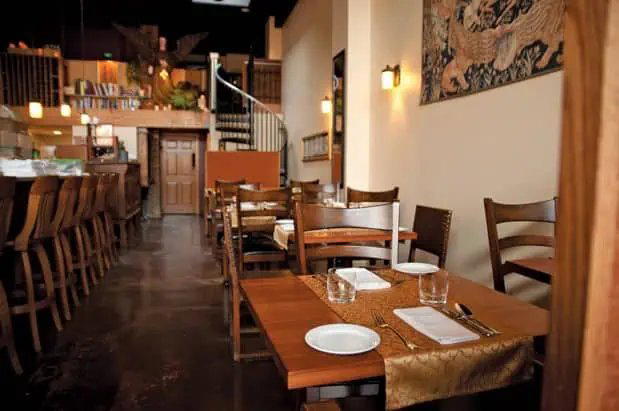
Restaurants in Seattle
Browse all →
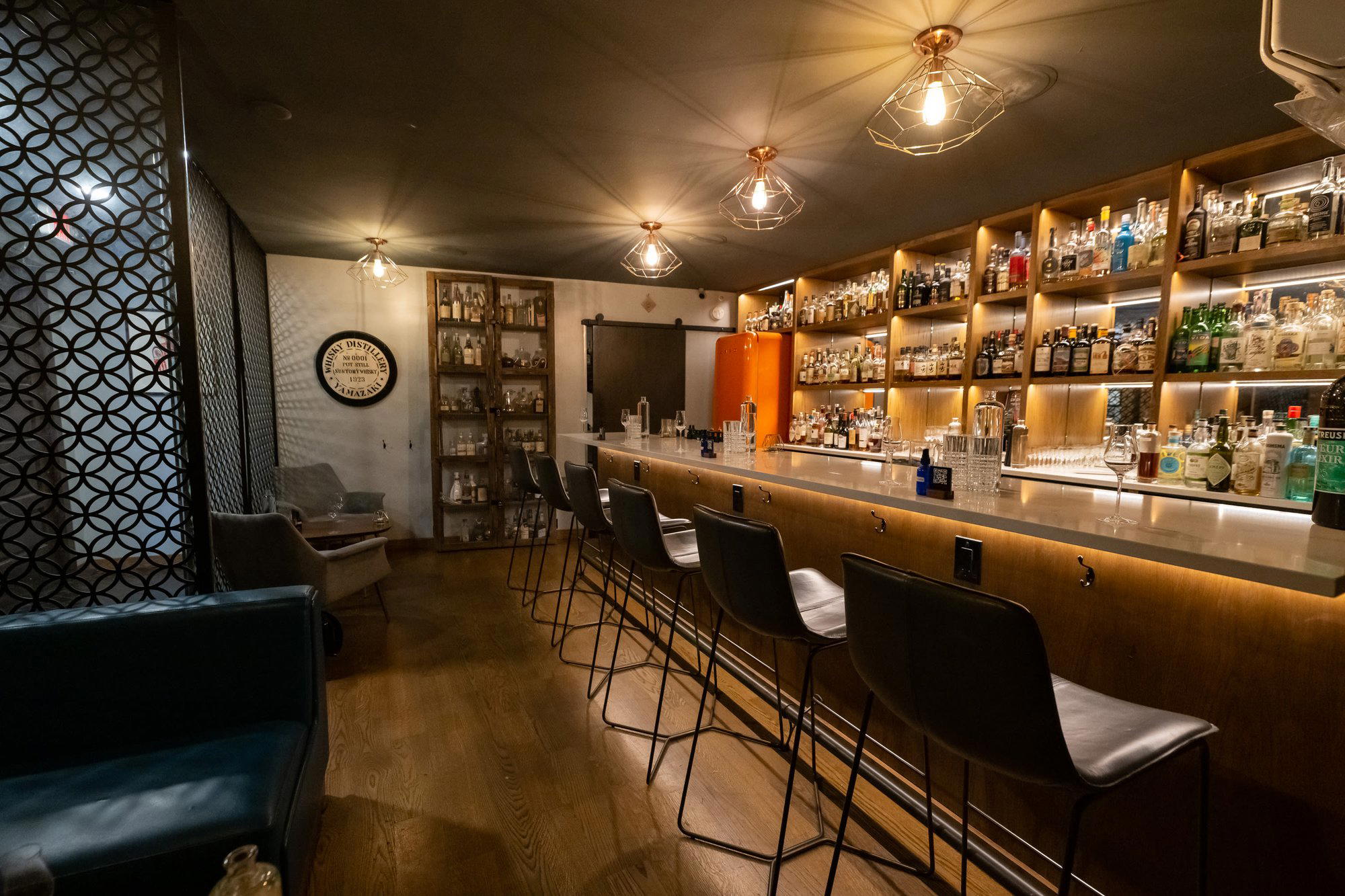
Bars in Seattle
Browse all →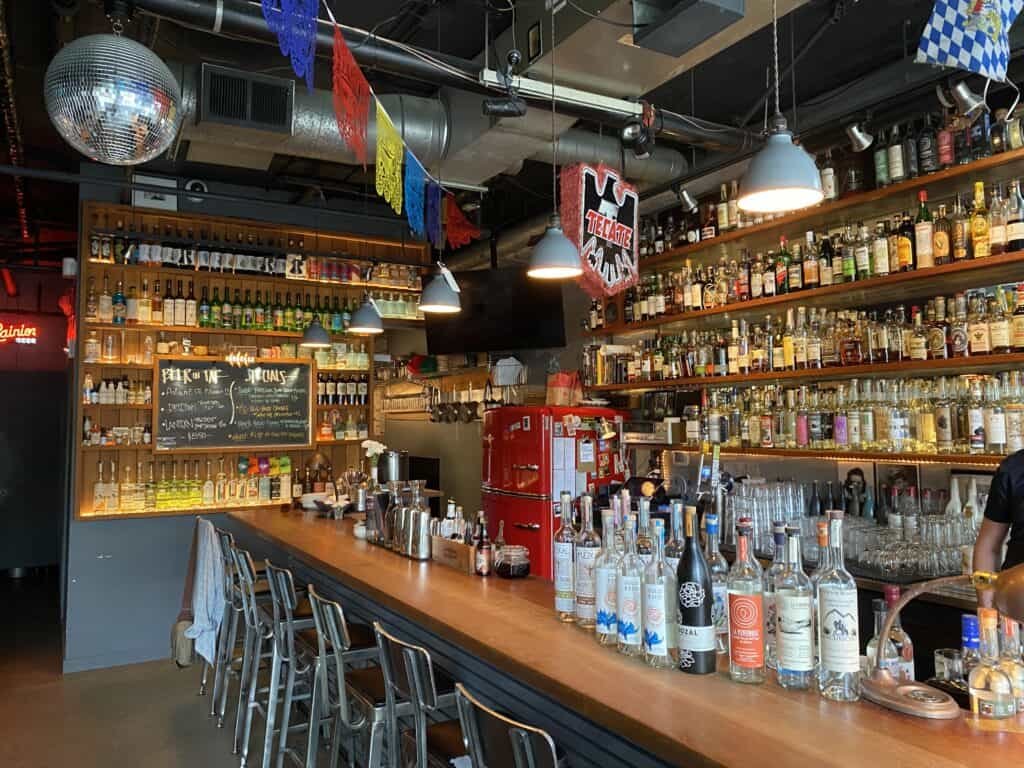
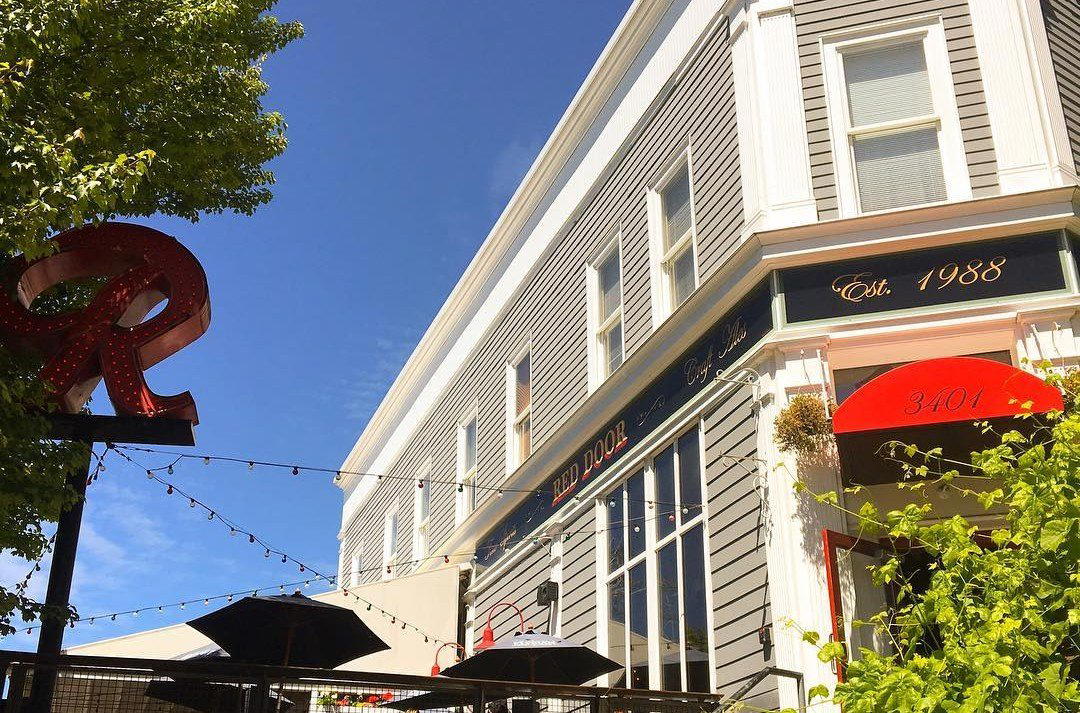
Hotels in Seattle
Browse all →

At a Glance
- Cozy
- Casual
- Casual Hangout
- Sake Program
- Local Sourcing
Current opening hours
- Monday
- 11:30 AM–2:30 PM, 4:45–8:45 PM
- Tuesday
- 11:30 AM–2:30 PM, 4:45–8:45 PM
- Wednesday
- 11:30 AM–2:30 PM, 4:45–8:45 PM
- Thursday
- 11:30 AM–2:30 PM, 4:45–8:45 PM
- Friday
- 11:30 AM–2:30 PM, 4:45–8:45 PM
- Saturday
- 11:30 AM–2:30 PM, 4:45–8:45 PM
- Sunday
- 11:30 AM–2:30 PM, 4:45–8:45 PM
Hours can change for holidays and private events. Last verified .
Cozy and casual atmosphere with a small dining room and friendly service.