Iroha occupies a measured position within Frankfurt's tightening fine-dining circuit, at Friedensstraße 6-10 in the city centre. The address places it within reach of the Sachsenhausen cultural belt and the financial district, drawing a crowd that has graduated from brasserie comfort to something more considered. For visitors tracking Germany's serious restaurant tier, it belongs on the same itinerary as the city's most deliberate tables.
Pearl is the En Primeur Club membership app — saves, bookings, and concierge access live there. Same editors, same standards.
- Address
- Friedensstraße 6-10, 60311 Frankfurt am Main, Germany
- Phone
- +496921994930
- Website
- iroha-eu.com
- Directions
- Get directions
 Saves & bookings on Pearl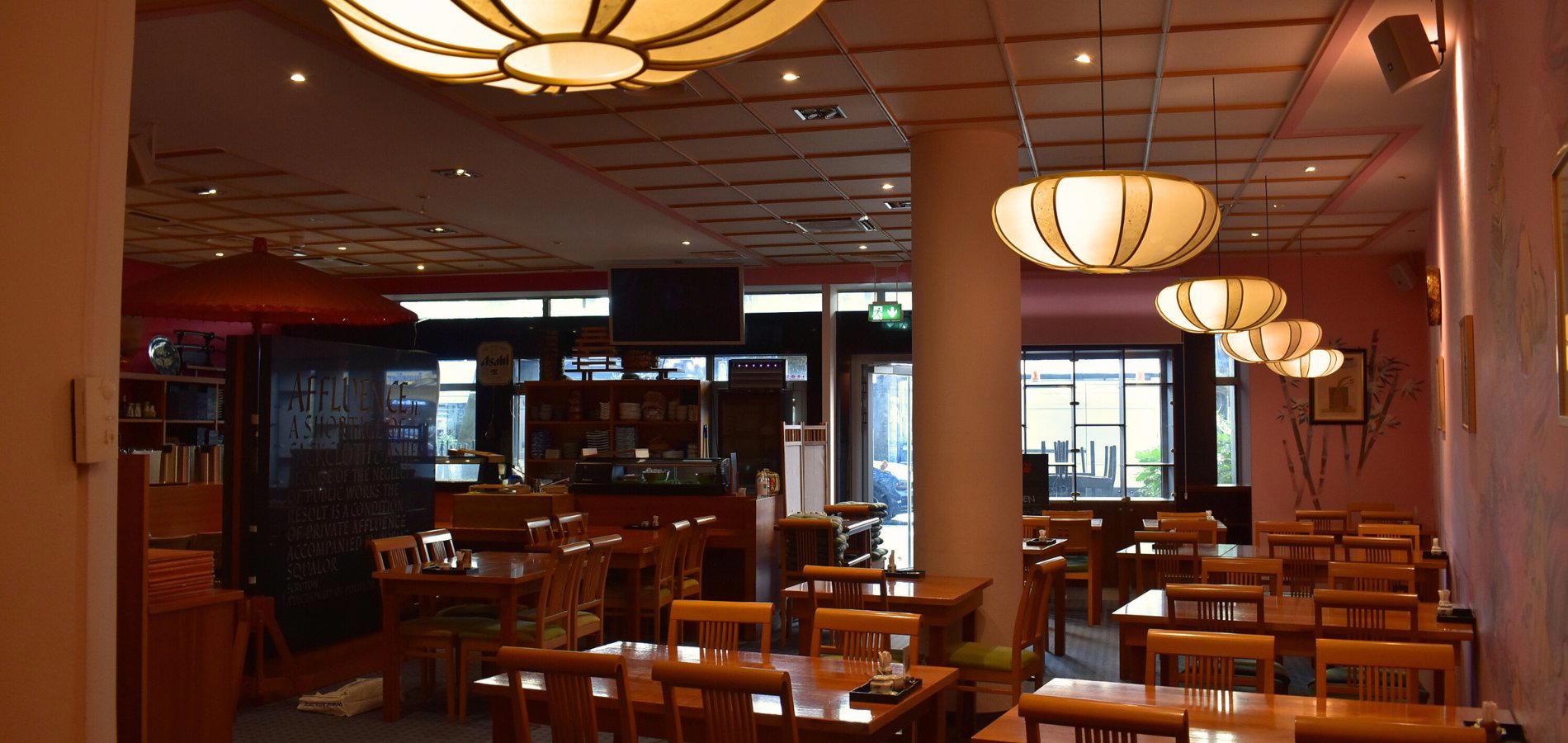
Where Frankfurt's Fine-Dining Arc Finds a Quieter Register
Frankfurt's central dining corridor has been reshaping itself steadily, moving away from the banker-lunch brasserie toward smaller, more focused rooms where the sequencing of a meal carries as much weight as any individual dish. Iroha is a restaurant in Frankfurt am Main serving authentic Japanese sushi. The address at Friedensstraße 6-10 sits at the junction of the old city core and the cultural fringe near Sachsenhausen, a placement that matters: it draws guests who are not here by accident but by a deliberate decision to eat at a specific kind of table. That deliberateness defines the experience before a single course arrives.
Germany's multi-course fine-dining tradition has always occupied a particular position in the European hierarchy. Across the country, from Aqua in Wolfsburg to Schwarzwaldstube in Baiersbronn and Vendôme in Bergisch Gladbach, the model tends toward technical precision delivered across extended menus, where the arc of the meal, from lighter, more acidic early courses through increasingly rich middle sequences to a dessert stage that earns its place, is treated as a compositional problem, not a formality. Iroha sits within that broader German commitment to progression-as-form.
The Architecture of a Meal, Course by Course
In fine-dining rooms across Germany's circuit, the tasting menu is not a list of dishes; it is a structure. The approach mirrors what you find at JAN in Munich or ES:SENZ in Grassau: an opening sequence designed to calibrate the palate, often with smaller, more acidic or herbaceous preparations that establish a baseline before the kitchen begins to layer. The early courses in this format function like an overture, they signal the kitchen's aesthetic intentions without overcommitting.
Mid-menu, the pace of a serious tasting progression typically slows. This is where technique becomes most visible and where kitchens working at this tier make their argument most clearly. Protein treatments, sauce reductions, and the temperature discipline of each plate become the evidence for whatever culinary position the kitchen has taken. The final savoury course in the German fine-dining model frequently carries the evening's emotional weight: it is where accumulated restraint is finally spent.
The dessert question is one that the country's serious tables have been reconsidering. CODA Dessert Dining in Berlin built an entire identity around the proposition that the sweet stage deserves the same rigour as everything preceding it. That pressure has spread: across the tier, dessert sequences are no longer afterthoughts but structured conclusions that mirror the savoury arc in their own logic of progression from lighter to denser, from fruit-forward to bitter or aromatic finishes.
Frankfurt in the German Fine-Dining Conversation
Frankfurt occupies an unusual position among German dining cities. It is the country's financial capital and one of its most internationally transient cities, yet it has not developed the deep fine-dining infrastructure of Munich or Hamburg. The result is a market where serious restaurants compete partly on distinction and partly on the simple scarcity of alternatives at their tier. Tables at Frankfurt's most deliberate addresses, among them Allgaiers Restaurant, Ariston, and atm by Deli&Grape, draw a local clientele supplemented by a consistent flow of business travellers who know to look beyond the hotel dining room.
Within that context, Iroha at Friedensstraße 6-10 occupies a specific position: a central address that signals accessibility without sacrificing seriousness. The surrounding neighbourhood provides a practical frame. Guests arriving for dinner have the option of the city's cultural quarter to the south or the main financial axis to the north, which means the room fills with a cross-section that is less homogeneous than Frankfurt's more purely corporate dining addresses. For comparison, ALEJANDRO'S and Ambassel anchor different segments of the same circuit, each drawing from a distinct slice of the city's dining population.
At the national level, the reference points for understanding Frankfurt's fine-dining tier include Restaurant Haerlin in Hamburg, Schanz in Piesport, and Victor's Fine Dining by Christian Bau in Perl. These are kitchens where the tasting progression has been refined over years into a consistent argument. Frankfurt as a city is still building toward that kind of depth, but the ambition at its better addresses is pointing in the same direction. Internationally, the progression-as-form model finds its most rigorous expression at tables like Atomix in New York City or Le Bernardin in New York City, where the sequencing logic is so embedded that individual courses function as movements rather than standalone moments.
The broader Waldhotel Sonnora in Dreis tradition, classic European fine dining sustained over decades at a single property, represents one pole of the German model. The newer urban format, which Iroha's city-centre address places it closer to, operates differently: shorter distances, faster turnaround in the dining room, and a guest profile that tends to include more first-time visitors relative to the devoted regulars who anchor rural destination tables.
Planning Your Visit
Iroha is located at Friedensstraße 6-10, 60311 Frankfurt am Main, placing it in the city's central district, walkable from the main S-Bahn and U-Bahn interchange at Hauptwache in under ten minutes. For those staying in the financial district or near the trade fair grounds, the address is a direct cab or tram journey. Frankfurt's fine-dining circuit is compact enough that a visitor can use this address as an anchor and reach several comparable tables within the same evening's geography, making it a practical base for anyone building a multi-night dining itinerary through the city. For a fuller picture of Frankfurt's current restaurant options at this tier, the EP Club Frankfurt restaurants guide maps the scene across formats and neighbourhoods.
Cuisine Lens
Comparable venues nearby, for context on price, style, and recognition.
| Venue | Cuisine | Price | Notes |
|---|---|---|---|
| IrohaThis venue — the venue you are viewing | Authentic Japanese Sushi | $$$ | Not listed |
| Iwase | Authentic Traditional Japanese | $$$ | Roemerberg |
| SUSHIKO | Modern Kaiten Sushi | $$$ | Sachsenhausen |
| Takahumi Sushi | Premium Japanese Sushi & Ramen | $$$$ | Roemerberg |
| Mangetsu | Authentic Japanese Izakaya | $$ | Messegelande |
| Muku | Japanese Ramen and Tapas | $$$ | Roemerberg |
Continue exploring
More in Frankfurt
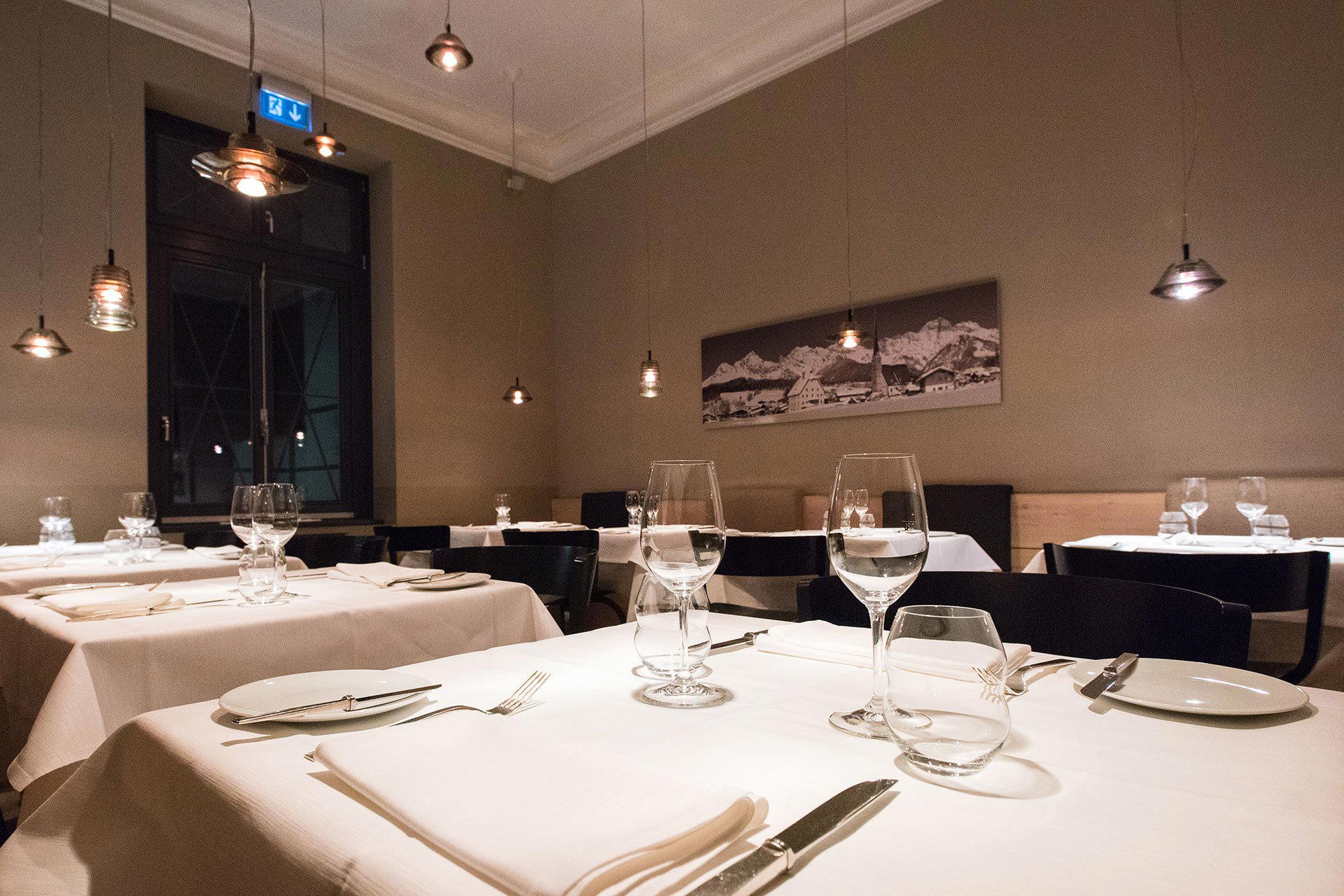
Restaurants in Frankfurt
Browse all →
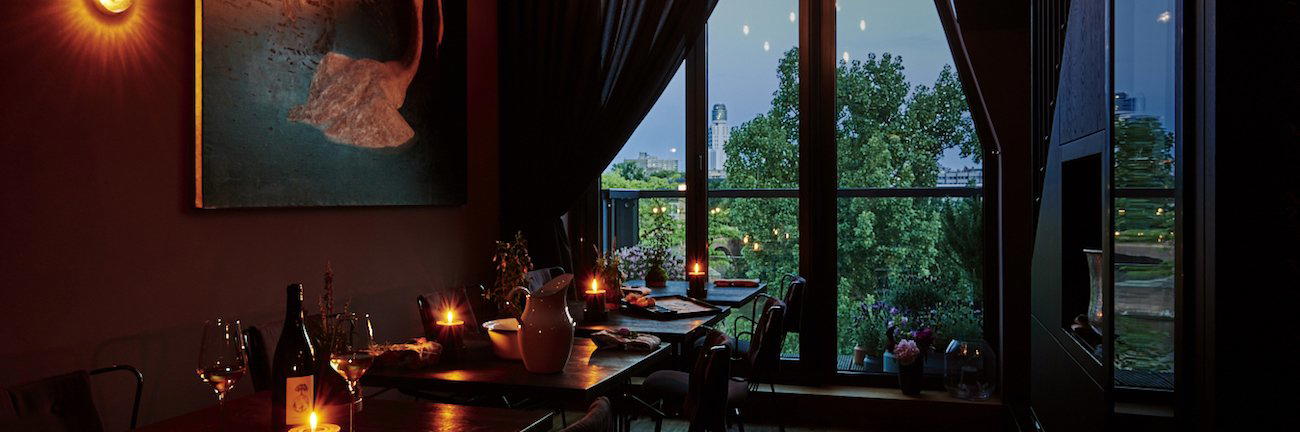
Bars in Frankfurt
Browse all →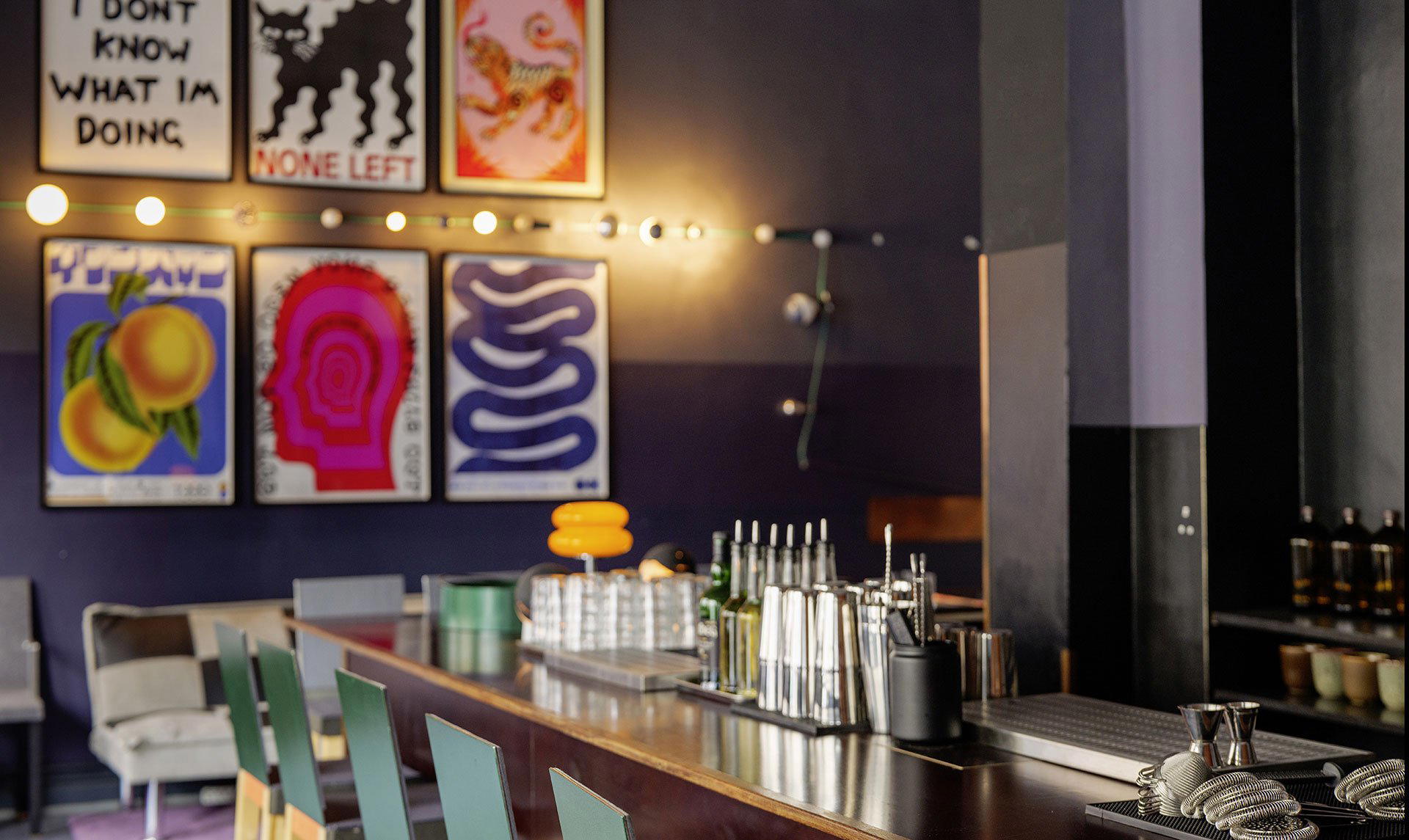
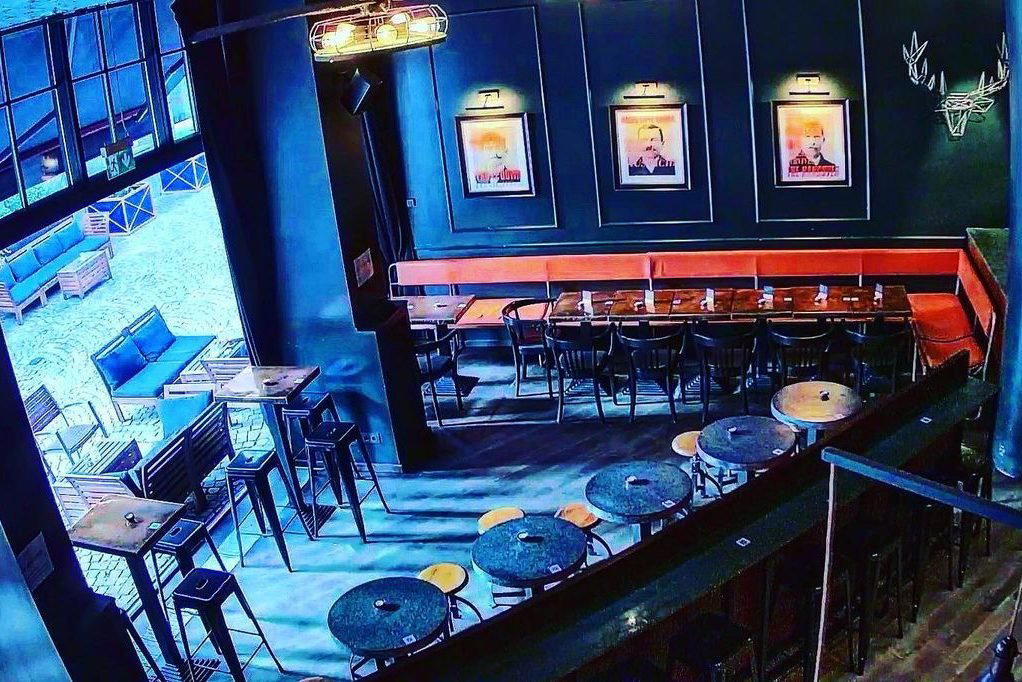

Hotels in Frankfurt
Browse all →

At a Glance
- Classic
- Lunch
- Dinner
Current opening hours
- Monday
- 11:45 AM–3 PM, 6–10 PM
- Tuesday
- 11:45 AM–3 PM, 6–10 PM
- Wednesday
- 11:45 AM–3 PM, 6–10 PM
- Thursday
- 11:45 AM–3 PM, 6–10 PM
- Friday
- 11:45 AM–3 PM, 6–10 PM
- Saturday
- 11:45 AM–3 PM, 6–10 PM
- Sunday
- Closed
Hours can change for holidays and private events. Last verified .
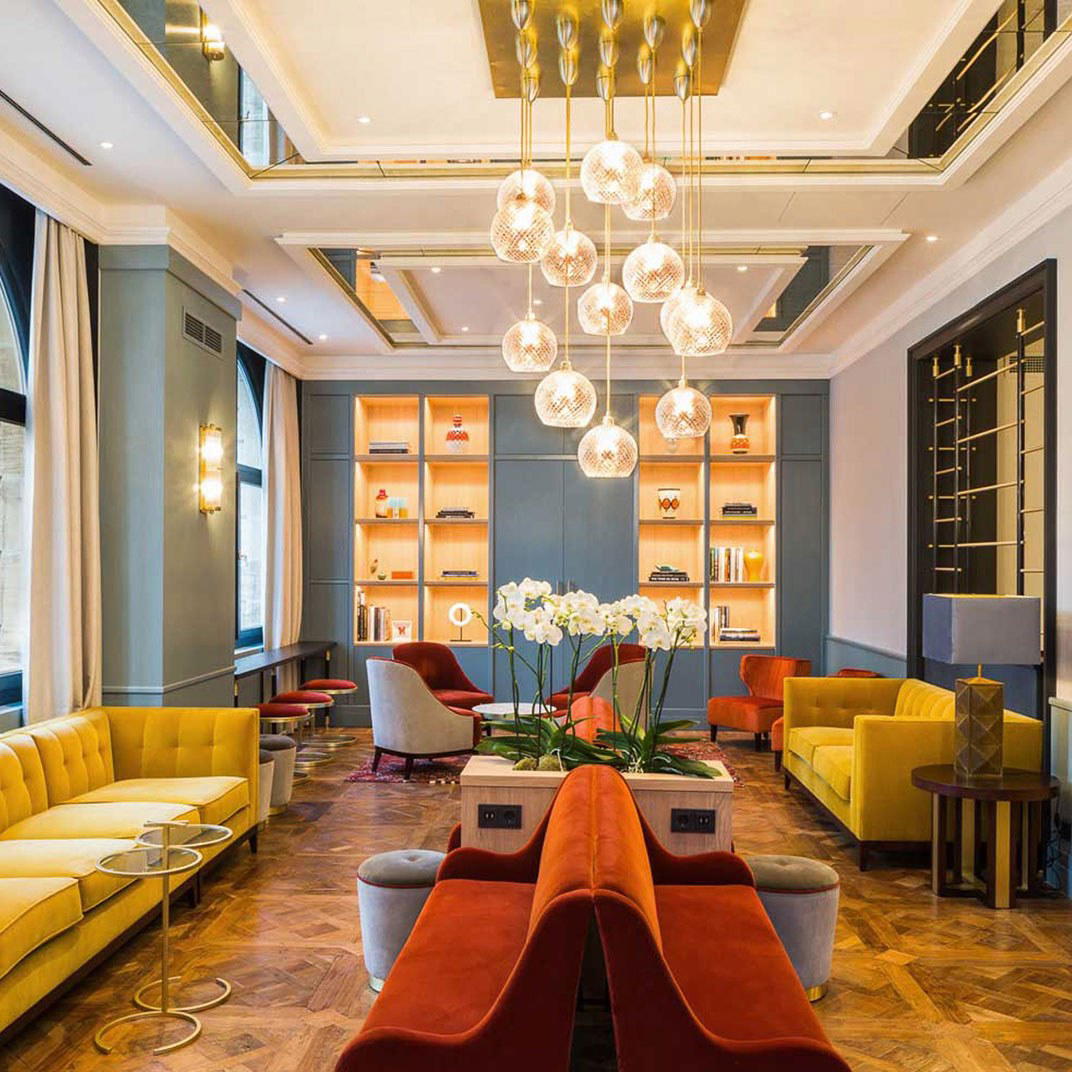
Classic Japanese atmosphere with moderate noise levels and comfortable seating including counter options.