Takahashi


Michelin Plate · Harden's Top 100 UK Restaurants #65
Our verdict
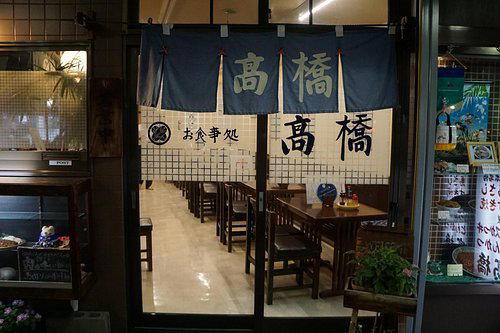
A husband-and-wife omakase counter on a suburban South Wimbledon shopping parade, Takahashi has held a devoted following for over a decade and earned consecutive Michelin Plates in 2024 and 2025. The meal follows traditional Japanese sequencing — otsumami first, then nigiri delivered piece by piece — with seafood that draws comparisons to central London counters at a price point that, while rising, still registers as honest value against the city's omakase tier.

Pearl is the En Primeur Club membership app — saves, bookings, and concierge access live there. Same editors, same standards.
The menu
What to order
- Nigiri sushi
- Otoro
- Chutoro
- Scallop nigiri
South of the River, North of the Noise
London's omakase scene has consolidated around a familiar geography: Mayfair, Fitzrovia, and the West End, where counters like Umu and Ginza St James's operate within walking distance of each other and price accordingly. Takahashi sits outside that cluster entirely, on a shopping parade along Merton Road in SW19, a short walk from South Wimbledon tube. The address has defined its reputation for more than a decade: a counter worth a deliberate journey, holding its own against the central London tier on the evidence of the plate rather than the postcode.
That journey argument is not merely promotional shorthand. London's dining geography has long rewarded those willing to take the Northern Line south. The Fat Duck, L'Enclume, and other destination restaurants outside the capital have trained a generation of British diners to treat travel as part of the dining contract. Takahashi operates on a smaller version of that logic: the inconvenience of the address is, in effect, a filter, ensuring the room fills with people who came specifically for the food. See also The Fat Duck in Bray, L'Enclume in Cartmel, and Moor Hall in Aughton for other counters where the effort of arrival reshapes the room's collective attention.
The Architecture of an Omakase Meal
Japanese omakase dining is structured around controlled sequencing. The chef decides everything: what arrives, in what order, at what pace. The diner's role is attention rather than selection. At Takahashi, that structure takes a classical form: an opening sequence of otsumami — small, considered preparations that calibrate the palate — followed by nigiri sushi, each piece presented individually. The transition between the two phases is the meal's central shift in register, moving from elaboration to restraint.
It is the nigiri that attracts the most consistent praise. Piece-by-piece service, where each individual nigiri arrives in sequence rather than as a grouped platter, intensifies the ritual quality of the meal. Each piece asks for immediate attention; there is no deferring to a second bite while you consider the first. The seafood, chutoro, otoro, hamachi, scallop among the reported inclusions, is described consistently as pure and delicately flavoured, a profile that prioritises the ingredient over intervention. This restraint-led approach places Takahashi in a different register from the more dramatic preparations at counters like Humble Chicken, where the cooking technique is more overt.
The room itself reinforces the meal's pacing. Neutral decor and a deliberately calm atmosphere are not incidental design choices in Japanese dining; they are part of a long-standing tradition in which the physical environment is managed to focus attention on what is being eaten. That the space achieves a Zen-like quality is a function of intentionality, not accident. For comparison, the more elaborate interior staging at counters such as Akira or Chisou makes a different argument about what the room should contribute to the meal.
A Decade of Consistency, and What That Means
Takahashi has been operating in its current format for over ten years. In London's restaurant market, where omakase openings and closures have accelerated over the same period, that duration is itself a credential. Michelin awarded Plates in both 2024 and 2025, a recognition that signals consistent cooking quality without the full Star apparatus.
The Michelin Plate, often underread by diners focused on Stars, indicates that inspectors found the food worth eating on multiple visits. At a counter of this size, in a location this far from the central London dining cluster, that sustained recognition matters more than it might at a high-profile West End address where Michelin attention is structurally easier to attract. For further context on how Japanese cooking is assessed at the highest levels, see Myojaku and Azabu Kadowaki in Tokyo, where the benchmark for omakase sequencing and seafood precision is set.
The Value Question, Reconsidered
Takahashi has historically positioned itself as strong value relative to the central London omakase tier, and that reputation has driven a significant portion of its following. Recent editions of critical guides have noted a meaningful upward movement in the formula price, reflecting what appears to be a deliberate repositioning: the ambition of the offering has grown, and the pricing now tracks more closely against peer counters in central London rather than offering a suburban discount.
This is a meaningful shift for a venue whose value reputation was part of its identity. The relevant comparison is no longer between Takahashi and a cheaper entry-level omakase; it is between Takahashi and the ££££-tier counters that occupy Mayfair and the West End. On that comparison, the transport overhead of the SW19 address becomes part of the calculation. The question for a prospective diner is whether the quality of the nigiri, the calibre of the sake pairing (available on pre-order), and the specific atmosphere of an intimate, husband-and-wife-run counter justify the journey and the current price. For many of the 233+ reviewers, the answer has been straightforwardly yes.
London's broader dining offer at the ££££ tier is wide: Gidleigh Park, Hand and Flowers, and Le Manoir aux Quat' Saisons all operate at comparable price points with different formats and geographies. The evidence of the past decade suggests it can, provided the sequencing and seafood quality remain at their current standard.
Planning a Visit
Takahashi is located at 228 Merton Road, London SW19 1EQ, a few minutes' walk from South Wimbledon tube station on the Northern Line. The format is omakase, meaning the menu is set by the kitchen; sake pairing is available but must be pre-ordered. Given the intimate size of the room and the demand that has accumulated over a decade of operation, booking well in advance is advisable. The ££££ price designation reflects the recent upward movement in formula pricing, placing it in the same tier as central London omakase counters.
For further exploration of London's dining, drinking, and hotel options, see our full London restaurants guide, our full London hotels guide, our full London bars guide, our full London wineries guide, and our full London experiences guide.
Quick reference: 228 Merton Rd, SW19 1EQ. Northern Line to South Wimbledon. ££££. Michelin Plate 2024 and 2025. Sake pairing on pre-order.
Frequently asked questions
What is the vibe at Takahashi?
What is the signature dish at Takahashi?
| Venue | Cuisine | Price | Awards | Notes |
|---|---|---|---|---|
| TakahashiThis venue — the venue you are viewing | Modern Japanese Omakase | $50–100 | Michelin Plate · Harden's Top 100 UK Restaurants #65 | Not listed |
| The Ledbury | Modern British Fine Dining | $300–500 | 3 Michelin Stars · World's 50 Best #42 | Modern European, Modern Cuisine |
| Sketch, The Lecture Room and Library | Modern French Fine Dining | $200–300 | 3 Michelin Stars · World's 50 Best #18 | Modern French |
| CORE by Clare Smyth | Modern British Fine Dining | $150–200 | 3 Michelin Stars · World's 50 Best #97 | Modern British |
| Restaurant Gordon Ramsay | French Fine Dining | $200–300 | 3 Michelin Stars · World's 50 Best #13 | Contemporary European, French |
| Dinner by Heston Blumenthal | Historic British Fine Dining | $200–300 | 2 Michelin Stars · World's 50 Best #45 | Modern British, Traditional British |
Recognition history
Dated appearances from independent guides and award organizations, with the underlying list record or original source where available.
Michelin Plate
Michelin
Harden's Top 100 UK Restaurants #65
Harden's
Full recognition history (4 entries)
Michelin Plate
Michelin
Michelin Plate
Michelin
Continue exploring
More in London
Restaurants in London
All restaurants in London →
Bars in London
All bars in London →



Details
- Intimate
- Elegant
- Minimalist
- Sophisticated
- Date Night
- Special Occasion
- Chefs Counter
- Open Kitchen
- Sake Program
- Omakase
- Counter Dining
- Sake
Current opening hours
- Monday
- Closed
- Tuesday
- Closed
- Wednesday
- 7:30–10:30 PM
- Thursday
- 7:30–10:30 PM
- Friday
- 5:30–8 PM, 8:30–11:30 PM
- Saturday
- 5:30–8 PM, 8:30–11:30 PM
- Sunday
- 6:30–9:30 PM
Hours can change for holidays and private events. Last verified .
Minimalist and intimate with calm, elegant atmosphere, quiet music, and personal attentive service.