Alain Ducasse at The Dorchester







Three Michelin stars since 2010 and a 95-point La Liste score in 2025, Alain Ducasse at The Dorchester remains London's clearest argument for classical French cooking as a living discipline. Chef Jean-Philippe Blondet leads a kitchen where Ducasse's 'naturalité' philosophy meets rigorous technical execution, served five evenings a week inside The Dorchester on Park Lane.
Pearl is the En Primeur Club membership app — saves, bookings, and concierge access live there. Same editors, same standards.
- Address
- The Dorchester, 53 Park Ln, London W1K 1QA, United Kingdom
- Phone
- +44 20 7629 8866
- Website
- dorchestercollection.com
- Directions
- Get directions
 Saves & bookings on Pearl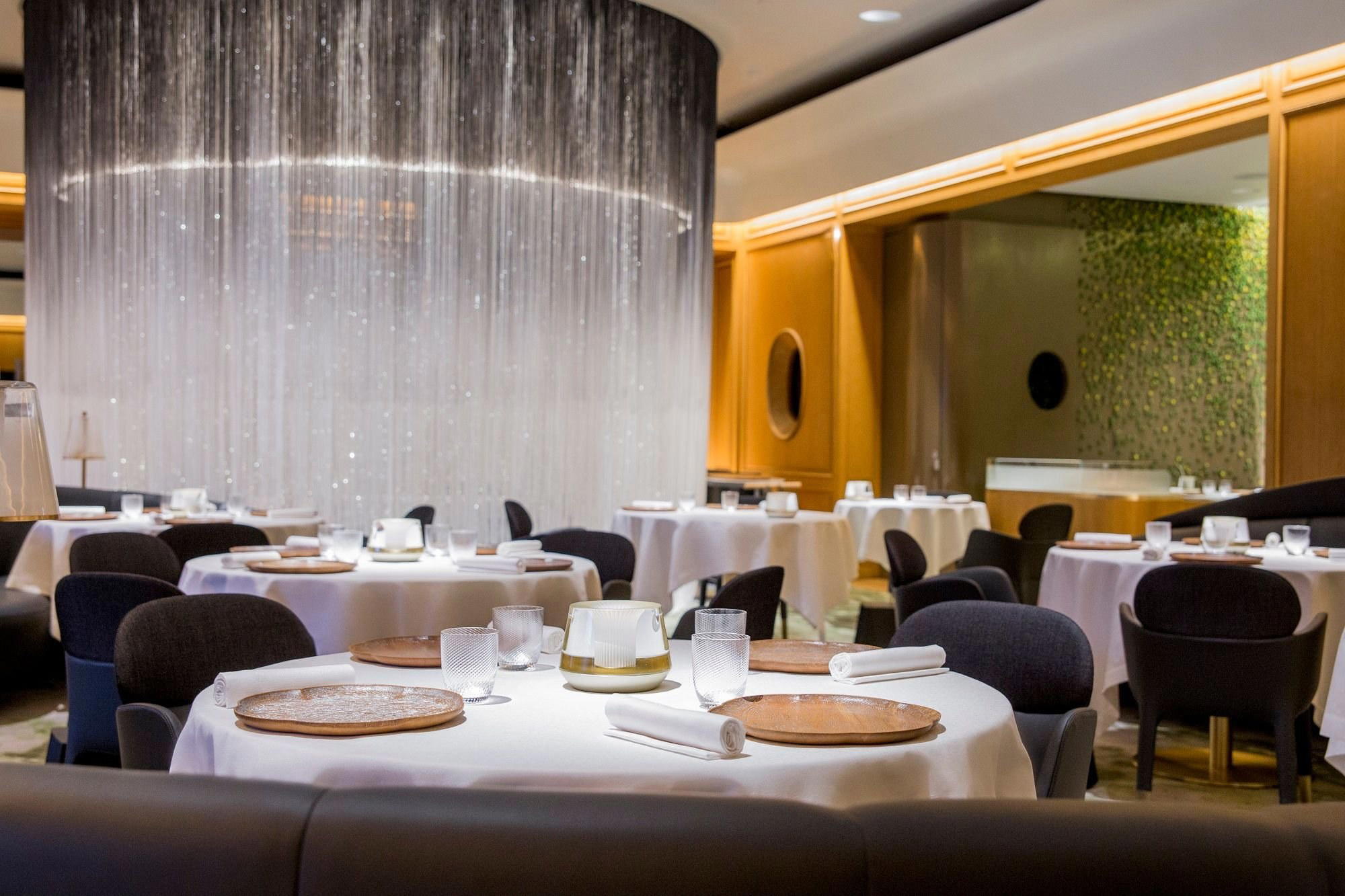
Park Lane's French Standard-Bearer
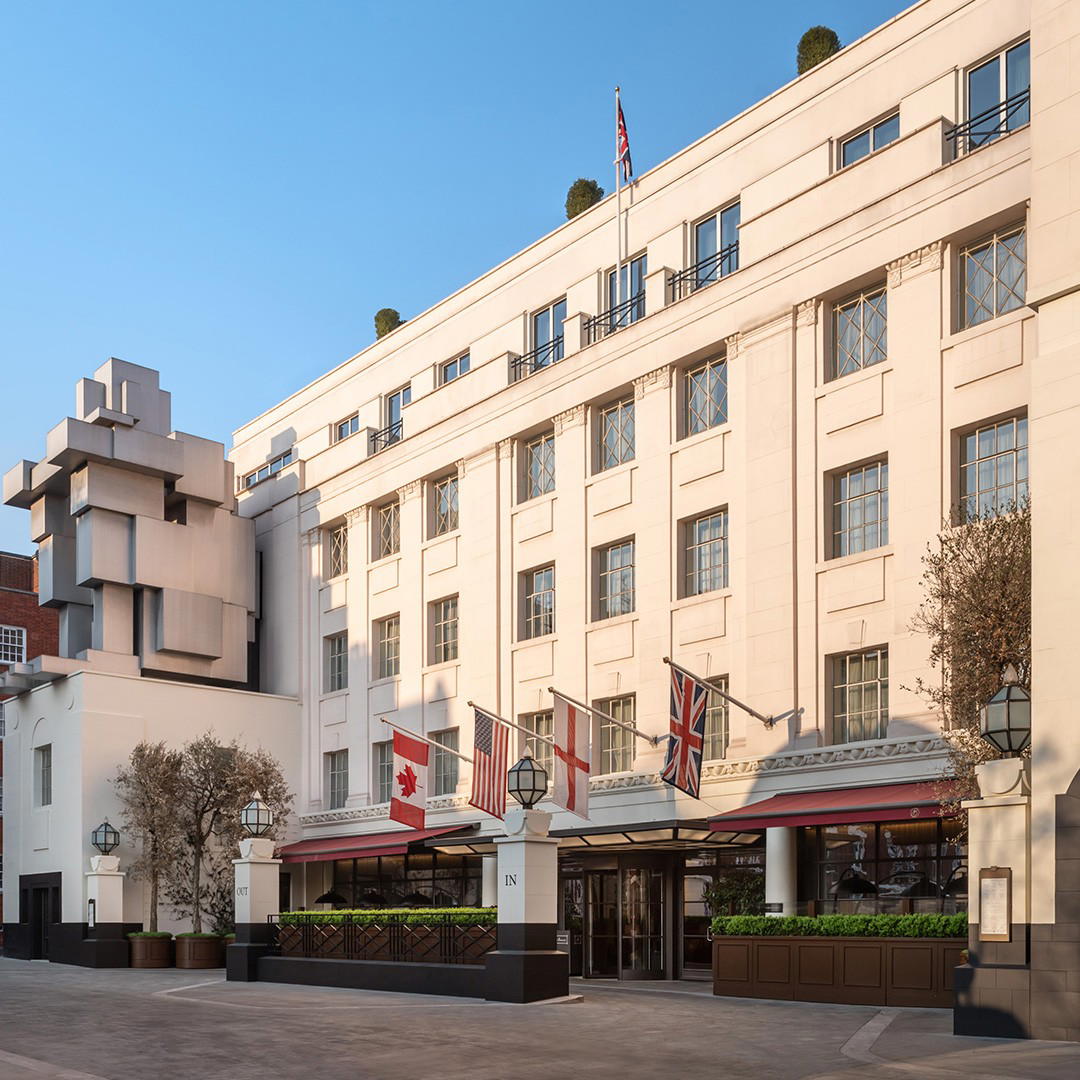
There is a particular tension at the top of London's restaurant hierarchy between venues that have evolved and those that have endured. Alain Ducasse at The Dorchester belongs to the second category, but endurance here is not a synonym for stasis. The room sits within The Dorchester at 53 Park Lane, and arriving on an evening service, the atmosphere carries the specific weight of a dining room that knows its place in a competitive set and has chosen not to waver from it. The lighting is calibrated, the tables are properly spaced, and the front-of-house team moves with the practised efficiency that three Michelin stars demand and rarely receive.
London's three-star tier is small and internally differentiated. CORE by Clare Smyth anchors its identity in Modern British produce and technique. Restaurant Gordon Ramsay works a contemporary French-European register on Royal Hospital Road. Sketch, The Lecture Room and Library fuses French classicism with theatrical design. What separates Alain Ducasse at The Dorchester from those peers is its explicit positioning within an established French grand tradition — not reimagined or reframed, but continued and refined. That positioning has held through multiple head chefs and more than a decade of London dining shifts.
How the Kitchen Has Changed Without Changing Its Argument
The evolution of Alain Ducasse at The Dorchester over time is less a story of reinvention than of inheritance and deepening. Jean-Philippe Blondet holds the chef role today, and the kitchen's current direction extends the 'naturalité' philosophy that Ducasse has articulated across his global portfolio: a prioritisation of primary ingredients over elaborate sauce architecture, seasonal discipline, and the kind of technical restraint that looks effortless precisely because it is not. The restaurant earned three Michelin stars in 2010 and has retained them in every subsequent guide, including 2024 and 2025. That continuity across leadership transitions is the more interesting editorial fact — it suggests the kitchen's standards are systemic rather than dependent on any single cook's personality.
The awards record traces the arc. Opinionated About Dining, which benchmarks classical European cooking with unusual rigour, ranked the restaurant 81st in 2023, 72nd in 2024, and 76th in 2025, a slight oscillation within a consistently upper tier. La Liste, which aggregates critical opinion across multiple publications globally, scored it 95 points in 2025 and 92 in 2026. Neither metric suggests dramatic change; both confirm a kitchen operating at a level that most London competitors are not attempting.
The Case for Classical French in Contemporary London
French grand cuisine in London occupies an interesting position in 2025. The city's dining culture has tilted sharply toward informality, regional specificity, and counter-format dining over the past decade, and the formal French dining room has contracted as a result. A handful of rooms have survived the shift. They have done so by being genuinely good at what they do, not by moderating their ambition to match changing tastes. Alain Ducasse at The Dorchester is the clearest example of this position.
The 'naturalité' approach, as Ducasse has described it publicly across multiple formats, centres on allowing the character of high-quality seasonal ingredients to lead, with classical technique acting as structure rather than spectacle. In practice, this means the kitchen's seasonal menu shifts with the supply calendar rather than with trend cycles. The service calendar is also deliberate: the restaurant operates Tuesday through Saturday, evenings only, from 6pm to 9:30pm, and is closed Sunday and Monday. That five-evening format concentrates both the kitchen's output and the front-of-house's attention in a way that seven-day operations structurally cannot replicate.
Comparisons to other French houses operating at similar price levels are instructive. Le Bernardin in New York maintains its own form of classical French discipline within a seafood-focused format. Atomix in New York sits at a comparable price tier but operates through a completely different register, Korean-influenced tasting counter, minimal service pageantry. What these rooms share with Alain Ducasse at The Dorchester is a refusal to treat their format as provisional. Each is doing one thing at a very high level of execution.
Within the Broader UK Fine Dining Map
London's formal dining rooms do not exist in isolation from the wider British fine dining geography. Outside the capital, the three-star and near-three-star conversation includes The Fat Duck in Bray, which occupies an entirely different conceptual register, and L'Enclume in Cartmel, which has built its reputation on hyper-local Lake District produce. Moor Hall in Aughton, Gidleigh Park in Chagford, Hand and Flowers in Marlow, and hide and fox in Saltwood each represent distinct regional approaches. Against this broader map, the Ducasse room on Park Lane stands as the most explicitly continental of London's upper-tier formal restaurants, French in architecture and philosophy, not merely in technique.
That continental identity is partly a function of the Ducasse operation itself. The group's Parisian flagship and other global outposts maintain a shared vocabulary, and the London kitchen draws on that wider network of method and supplier relationships. What this means for the dining experience is a form of consistency that independent restaurants rarely achieve: the fundamentals of the meal, ingredient quality, sauce construction, the rhythm of service, are not subject to the variability that comes with a kitchen operating entirely on its own.
Visiting: What to Know Before You Go
Reservations for Tuesday-to-Saturday evening service should be secured well in advance; at this award level, the booking window extends weeks out during autumn and the pre-Christmas period, when London's formal dining rooms see their highest demand. The restaurant sits within The Dorchester at 53 Park Lane, Hyde Park Corner and Marble Arch are the nearest tube stations, and the hotel's own entrance on Park Lane is direct to navigate. The wine list earned White Star recognition from Star Wine List in 2022, which at that tier signals a cellar with depth across both classic French regions and broader European selections. Those planning a wider London stay around the meal will find further context for hotels, bars, and other restaurants through our full London restaurants guide, our full London hotels guide, our full London bars guide, our full London wineries guide, and our full London experiences guide.
Comparable Options
A quick peer list to put this venue’s basics in context.
| Venue | Cuisine | Price |
|---|---|---|
| Alain Ducasse at The DorchesterThis venue — the venue you are viewing | Contemporary French, French | ££££ |
| The Ledbury | Modern European, Modern Cuisine | ££££ |
| Sketch, The Lecture Room and Library | Modern French | ££££ |
| CORE by Clare Smyth | Modern British | ££££ |
| Restaurant Gordon Ramsay | Contemporary European, French | ££££ |
| Dinner by Heston Blumenthal | Modern British, Traditional British | ££££ |
Recognition history
Dated appearances from independent guides and award organizations, with the underlying list record or original source where available.
AA Rosettes 4 Rosettes
AA Rosettes
Falstaff Restaurant - 99 Falstaff Points
Falstaff
La Liste Top Restaurants
La Liste
Les Grandes Tables du Monde Member
Les Grandes Tables du Monde
Michelin 3 Stars
Michelin
Opinionated About Dining Classical in Europe Ranked #83
Opinionated About Dining
Star Wine List
Star Wine List
La Liste Top Restaurants
La Liste
Michelin 3 Stars
Michelin
Opinionated About Dining Classical in Europe Ranked #76
Opinionated About Dining
The Best Chef Two Knives
The Best Chef
World Culinary Awards England's Best Hotel Restaurant 2025 #1
World Culinary Awards
Michelin 3 Stars
Michelin
Opinionated About Dining Classical in Europe Ranked #72
Opinionated About Dining
Opinionated About Dining Classical in Europe Ranked #81
Opinionated About Dining
Continue exploring
More in London
Restaurants in London
Browse all →
Bars in London
Browse all →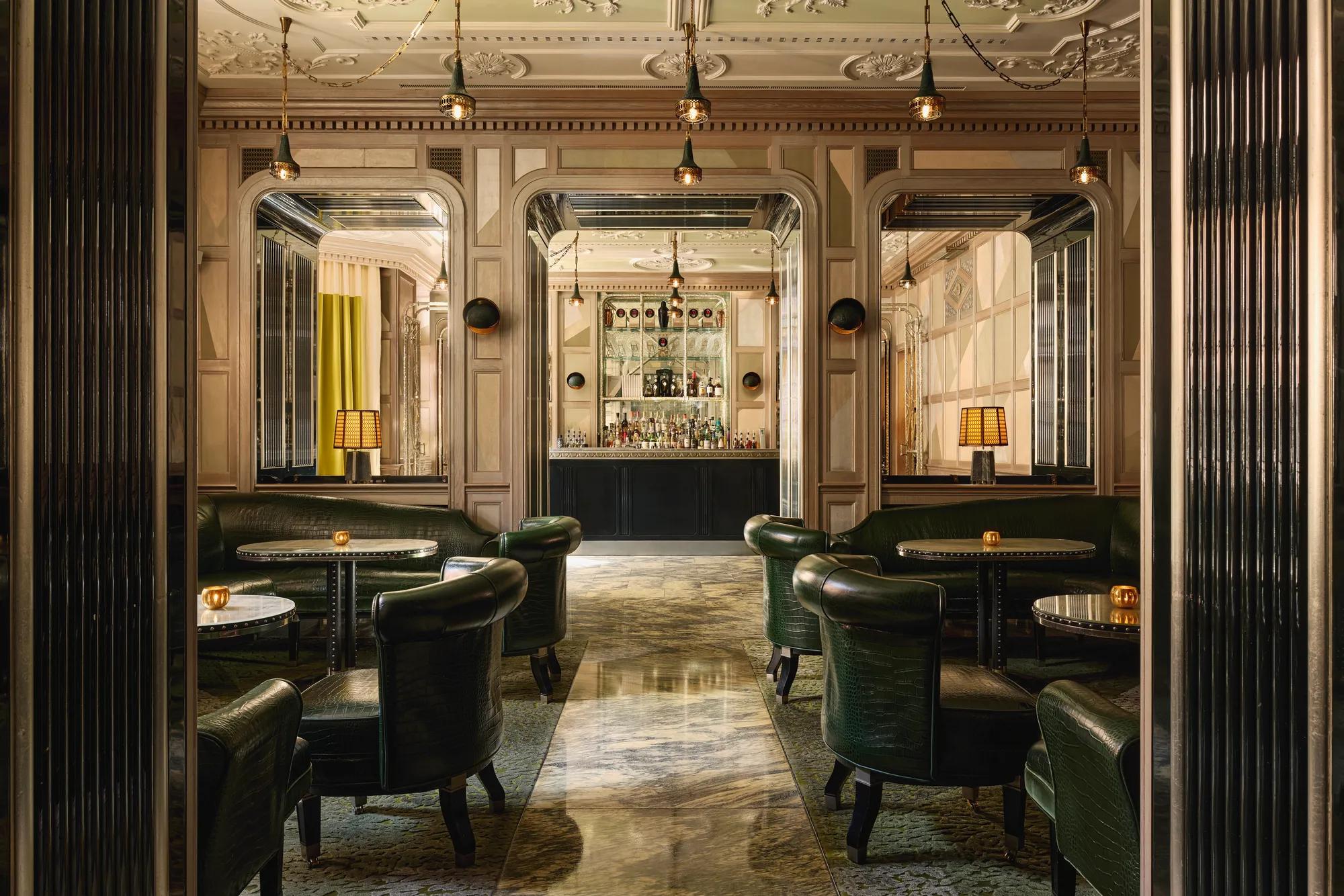
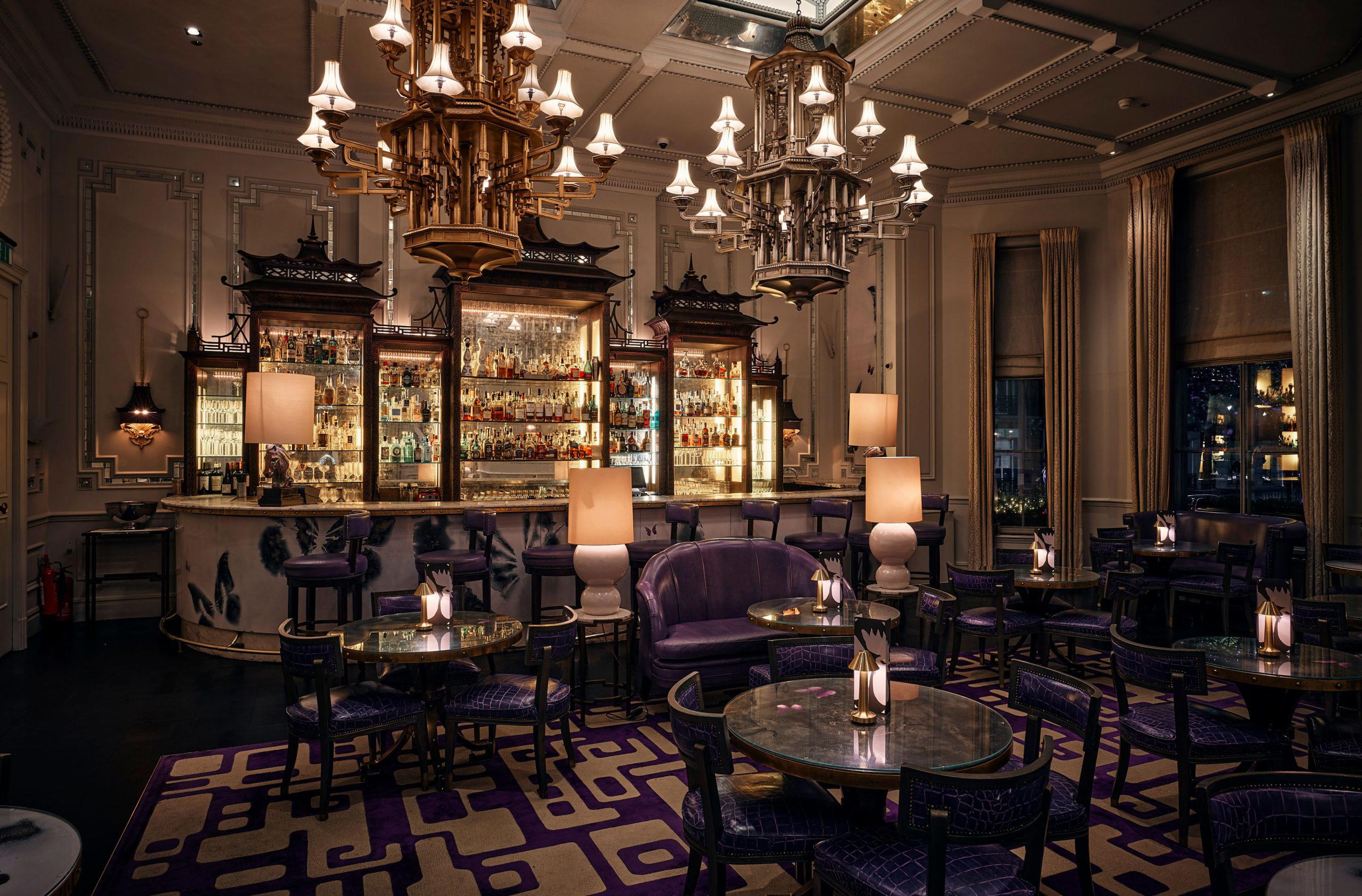
Hotels in London
Browse all →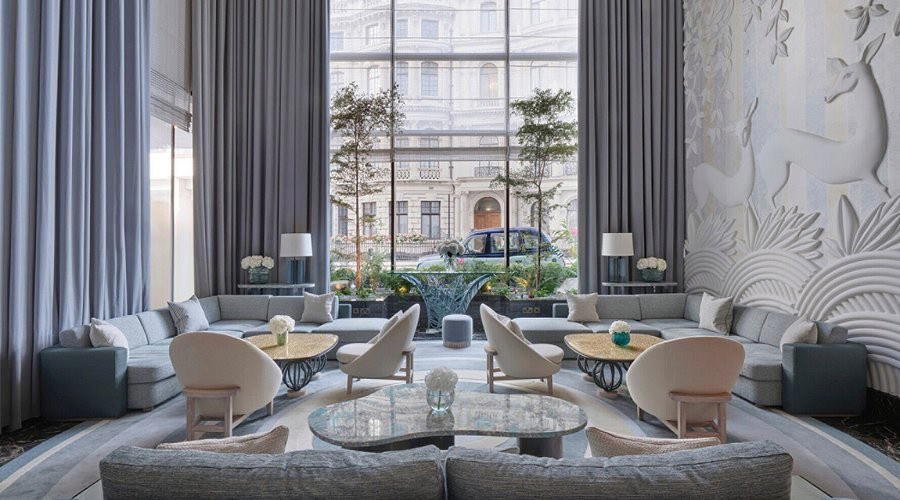

At a Glance
- Elegant
- Sophisticated
- Ornate
- Modern
- Classic
- Special Occasion
- Date Night
- Business Dinner
- Hotel Restaurant
- Private Dining
- Historic Building
- Extensive Wine List
- Sommelier Led
Current opening hours
- Monday
- Closed
- Tuesday
- 6–9:30 PM
- Wednesday
- 6–9:30 PM
- Thursday
- 6–9:30 PM
- Friday
- 6–9:30 PM
- Saturday
- 6–9:30 PM
- Sunday
- Closed
Hours can change for holidays and private events. Last verified .
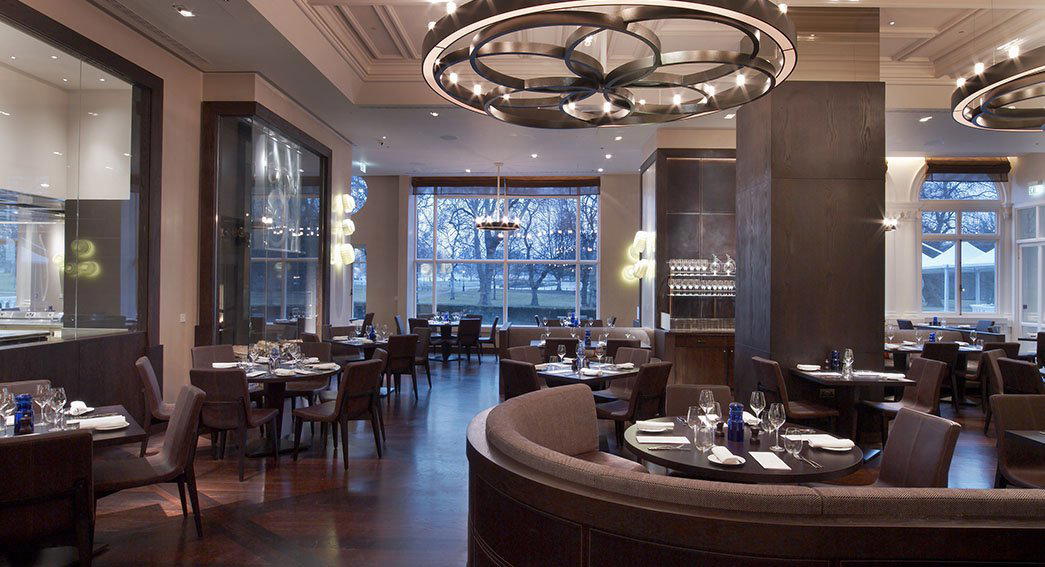
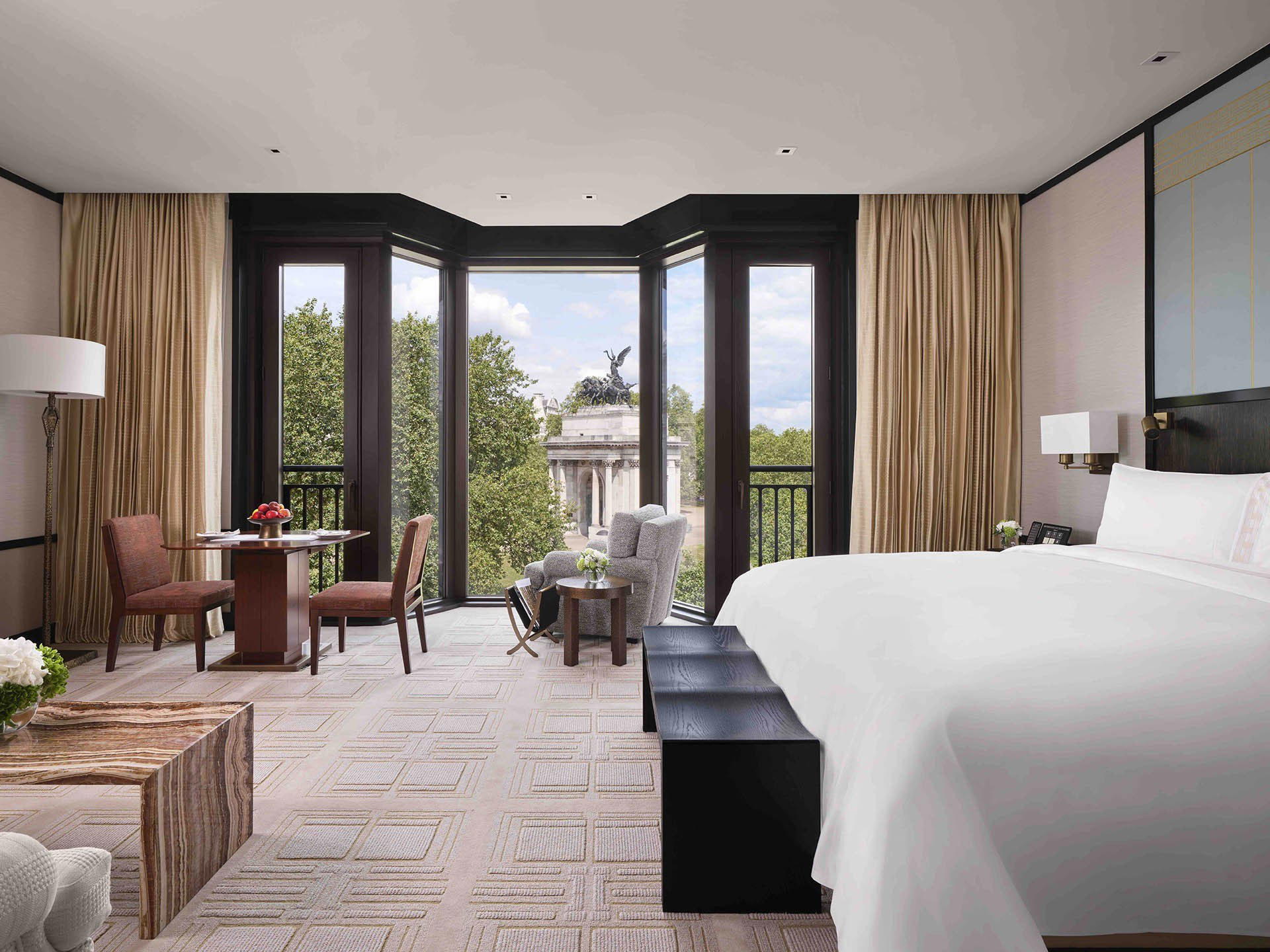
Modern and elegant with soft lighting in shades of beige, cream, and taupe, creating a serene and sophisticated atmosphere.
Know Before You Go
- Getting there
- The Dorchester, 53 Park Ln, London W1K 1QA, United Kingdom