Umu


Umu holds a Michelin star and ranks among Europe's top 300 restaurants, serving Kyoto-influenced kaiseki in a discreet Mayfair townhouse on Bruton Place. Chef Yoshinori Ishii's menu integrates high-grade British produce with classical Japanese technique, including preparations such as ginjo sake-cured Scottish langoustine. Open Tuesday through Saturday for lunch and dinner; closed Sunday and Monday lunchtimes.
Pearl is the En Primeur Club membership app — saves, bookings, and concierge access live there. Same editors, same standards.
- Address
- 14-16 Bruton Pl, London W1J 6LX, United Kingdom
- Phone
- +44 20 7499 8881
- Website
- umurestaurant.com
- Directions
- Get directions
 Saves & bookings on Pearl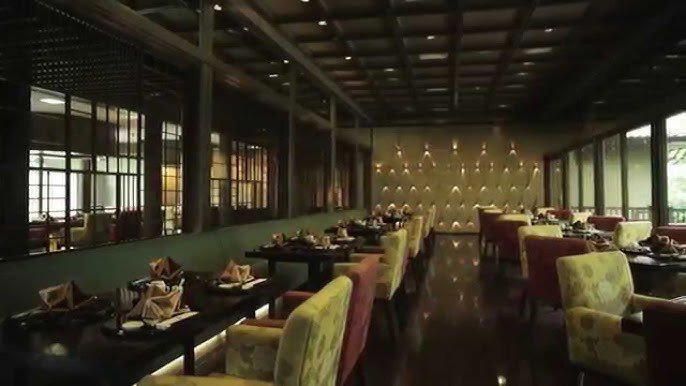
The Kyoto Tradition in a Mayfair Townhouse
London's premium Japanese dining tier has narrowed considerably over the past decade. What once encompassed a broad band of restaurants now resolves into a much smaller group where the cooking is explicitly technique-led, the sourcing is traceable, and the meal is structured as a progression rather than a selection. Umu, on Bruton Place in Mayfair, operates in that upper band. Its Michelin star, held through 2024, and its position at number 267 in Opinionated About Dining's European ranking for that year (rising to 278 in 2025) place it inside a comparable set that includes few London addresses and aligns it more naturally with kaiseki practitioners in Kyoto than with the city's broader Japanese offer.
That framing matters. Umu is not a sushi bar, nor a modern fusion address. The menu draws from the Kyoto kaiseki tradition, a format defined by course sequencing, seasonal produce, and a culinary philosophy that prioritises the ingredient's own character over transformation. The adaptation here involves British sourcing: where a Kyoto kitchen would draw on local river fish or mountain vegetables, Umu integrates Scottish shellfish, British farmed produce, and domestic seasonal items into the same structural logic. The ginjo sake-cured Scottish langoustine that appears in Michelin's own citation of the restaurant is the clearest example: the technique is Japanese, the material is British, and the result belongs to neither category entirely.
How the Meal Is Structured
Kaiseki, as a dining format, operates on principles that differ substantially from the tasting-menu norm in European fine dining. The pacing is slower and more deliberate. Courses arrive at intervals calibrated to the guest's rhythm rather than to kitchen throughput. Some dishes are presented simply, letting temperature and texture carry the dish without garnish. Others arrive with a tableside element, a sauce finished in front of the guest or a preparation completed at service. Both approaches appear at Umu, and the variation in register between them is intentional rather than inconsistent.
The entry point for this kind of meal requires a different mode of attention from the diner. A kaiseki progression is designed to be read sequentially: the umami weight builds gradually, palate fatigue is managed through acidic or light courses placed at specific points, and the temperature arc across courses follows a logic the kitchen has considered in advance. Arriving with expectations formed by a European tasting menu, where courses are often individually spectacular, risks missing what the format is actually doing. Umu's Kyoto reference point makes this structural reading more explicit than at addresses that apply Japanese technique more loosely.
The address itself reinforces the format. Bruton Place is one of Mayfair's quieter mews streets, and the entrance to Umu reads as deliberate understatement. There is no large signage or visible frontage. The interior follows the same logic: considered, precise, and designed to direct attention toward the plate rather than the room. For a meal structured around contemplative engagement with each course, this restraint in the surroundings functions as support rather than austerity.
Where Umu Sits in London's Japanese Scene
London's Japanese restaurant market spans several distinct tiers and formats. At one end sit high-volume, accessible addresses; at the other, a small group of restaurants where the cooking is rooted in a specific Japanese regional tradition and executed at the level where international recognition becomes possible. Umu occupies the latter position. For direct comparison within London, Humble Chicken and Akira each work within Japanese frameworks but with different regional references and formats. Chisou and Ginza St James's operate at a different pitch. Hannah represents another strand of the city's contemporary Japanese offer. None of these are direct substitutes for what Umu does, precisely because the Kyoto kaiseki framework is not widely replicated in London at this level of fidelity.
The more useful comparison set is probably not other London Japanese restaurants at all, but the broader group of Michelin-starred formal dining addresses where the meal is structured as a ceremony rather than a transaction. In that company, Umu competes with addresses like The Fat Duck in Bray, L'Enclume in Cartmel, or Moor Hall in Aughton for the attention of diners who are choosing a special-occasion meal on the basis of format and commitment rather than cuisine type alone. Other multi-Michelin addresses in the UK, including Gidleigh Park in Chagford, Hand and Flowers in Marlow, and Le Manoir aux Quat' Saisons in Great Milton, anchor different ends of the British fine dining offer but reinforce the point that Umu's real peer group is defined by occasion and format rather than geography or cuisine type.
For those whose reference point is kaiseki at source, Myojaku in Tokyo and Azabu Kadowaki in Tokyo represent the tradition in its home city, which provides useful calibration for what Umu is drawing from and where it departs.
The British Produce Question
The integration of British sourcing into a Kyoto-derived format is a specific editorial choice rather than a concession to local tastes. Kaiseki is inherently a seasonal and regional cuisine: its logic requires that the cook uses what is available and notable at the moment of service. Applying that logic in London means the seasonal produce is British, not Japanese, and the fish is from Scottish and British waters rather than Japanese rivers and coastal fisheries. The ginjo sake cure on the langoustine is a case study in this approach: it brings a Japanese fermentation technique to a British ingredient without reframing the ingredient as something it is not.
This produces a menu that requires some prior knowledge to read correctly. Diners familiar with the kaiseki format will understand why a dish is placed where it is in the sequence, and why the preparation is as spare as it appears. Diners arriving from a European fine-dining background may find the restraint unfamiliar at first. Both experiences are valid, but the meal rewards the former more immediately.
Chef and Credentials
Chef Yoshinori Ishii leads the kitchen. The broader achievement here is that the restaurant has sustained Michelin recognition across multiple consecutive years in a category where London has historically struggled to produce durable kaiseki addresses. The OAD ranking placing Umu among Europe's top 300 restaurants in both 2024 and 2025 reflects sustained performance rather than a single strong year, which matters in a format where consistency across the seasonal calendar is as demanding as execution on any given service.
Practical Considerations
Umu operates Tuesday through Saturday, with lunch service from 12 PM to 2 PM and dinner from 6 PM to 10 PM. Monday service is dinner only (6 PM to 10 PM), and the restaurant is closed on Sundays. Given the price point (££££) and the special-occasion positioning, booking well in advance is advisable. The address at 14-16 Bruton Place, London W1J 6LX, is a short walk from Bond Street and Green Park stations.
Know Before You Go
- Address: 14-16 Bruton Place, London W1J 6LX
- Cuisine: Kyoto-influenced kaiseki with British produce
- Price range: ££££
- Hours: Monday dinner only (6 PM–10 PM); Tuesday–Saturday lunch 12 PM–2 PM, dinner 6 PM–10 PM; Sunday closed
- Awards: Michelin 1 Star (2024); OAD Leading Restaurants in Europe #267 (2024), #278 (2025); OAD Leading New Restaurants in Europe Highly Recommended (2023) 6 from 1,074 reviews
- Booking: Advance reservation strongly advised given price tier and special-occasion format
- Nearest stations: Bond Street and Green Park (both short walking distance)
Cost Snapshot
Comparable venues nearby, for context on price, style, and recognition.
| Venue | Cuisine | Price | Awards | Notes |
|---|---|---|---|---|
| UmuThis venue — the venue you are viewing | Mayfair, Kyoto-style Kaiseki | $$$$ | Michelin 1 Star | Not listed |
| The Ninth | Not listed | $$$$ | Michelin 1 Star | Fitzrovia, Modern Mediterranean Sharing Plates |
| Ormer Mayfair | Mayfair, Modern British Fine Dining | $$$$ | Michelin 1 Star | Not listed |
| Pétrus by Gordon Ramsay | Belgravia, Modern French Fine Dining | $$$$ | Michelin 1 Star | Not listed |
| Behind Restaurant | Not listed | $$$ | Michelin 1 Star | Hackney Central, Modern Seafood Tasting Menu |
| Jamavar | Mayfair, Modern Pan-Indian Fine Dining | $$$$ | Michelin 1 Star | Not listed |
Recognition history
Dated appearances from independent guides and award organizations, with the underlying list record or original source where available.
AA Rosettes 3 Rosettes
AA Rosettes
Michelin 1 Star
Michelin
Opinionated About Dining Top Restaurants in Europe Recommended
Opinionated About Dining
Michelin 1 Star
Michelin
Opinionated About Dining Top Restaurants in Europe Ranked #278
Opinionated About Dining
Michelin 1 Star
Michelin
Opinionated About Dining Top Restaurants in Europe Ranked #267
Opinionated About Dining
Opinionated About Dining Top New Restaurants in Europe Highly Recommended
Opinionated About Dining
Continue exploring
More in London
Restaurants in London
Browse all →
Bars in London
Browse all →
Hotels in London
Browse all →

At a Glance
- Elegant
- Intimate
- Sophisticated
- Cozy
- Special Occasion
- Date Night
- Business Dinner
- Chefs Counter
- Sake Program
- Sommelier Led
- Sustainable Seafood
Current opening hours
- Monday
- 6–10 PM
- Tuesday
- 12–2 PM, 6–10 PM
- Wednesday
- 12–2 PM, 6–10 PM
- Thursday
- 12–2 PM, 6–10 PM
- Friday
- 12–2 PM, 6–10 PM
- Saturday
- 12–2 PM, 6–10 PM
- Sunday
- Closed
Hours can change for holidays and private events. Last verified .
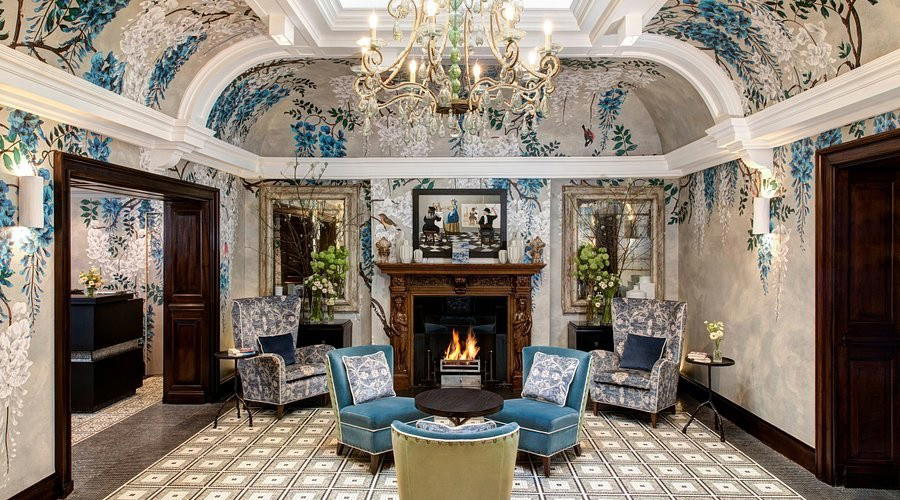
Refined, calming, and elegant with beautiful décor, quiet intimate corners, and a chef's counter for close-up viewing.