Aragawa



Aragawa brings its Tokyo-rooted Wagyu tradition to Mayfair, operating on a discipline of singular sourcing and binchotan charcoal cooking that most London steak restaurants don't attempt. All cuts are Tajima Wagyu, seasoned with salt alone, served in a room that reads more like a private dining club than a restaurant. Recognised with a Michelin Plate in both 2024 and 2025, and a 2024 entry in the World's 101 Best Steak Restaurants.
Pearl is the En Primeur Club membership app — saves, bookings, and concierge access live there. Same editors, same standards.
- Address
- 38 Clarges St, London W1J 7EN, United Kingdom
- Phone
- +44 20 3432 1314
- Website
- aragawa-uk.com
- Directions
- Get directions
 Saves & bookings on Pearl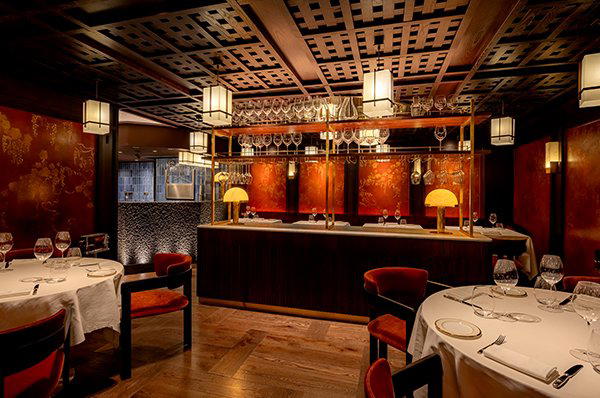
The Room Before the Beef
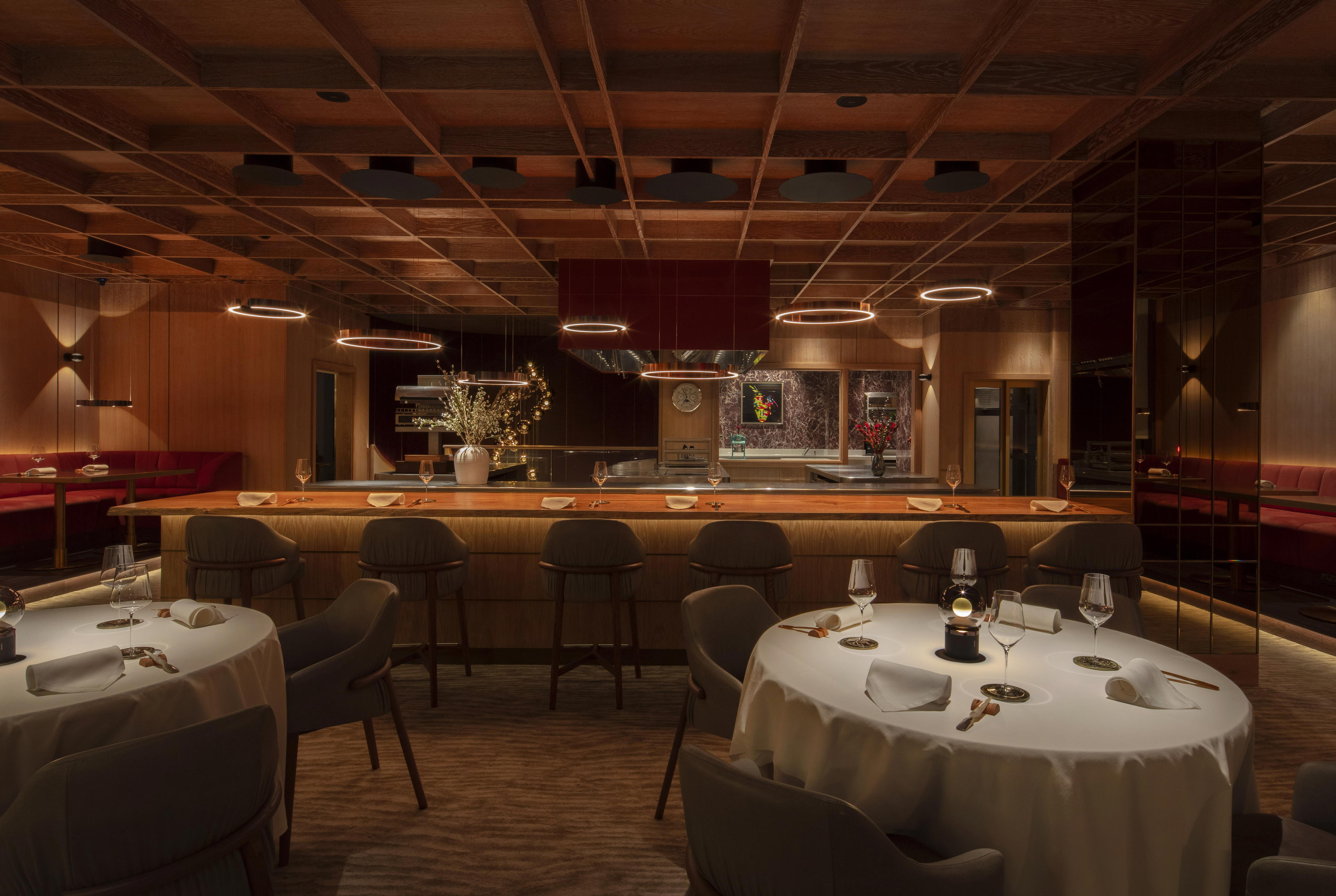
Clarges Street sits on the quieter eastern edge of Mayfair, away from the Park Lane hotels and the Bond Street retail corridor. Number 38 offers no theatrical signage, no queue, no visible activity through a window. The entrance leads into a space that reads closer to a well-appointed private members' room than a restaurant in the conventional sense: soft lighting, considered materials, a stillness that Mayfair's louder rooms rarely manage. The architecture does not compete with what arrives on the plate. That restraint is the point.
London's upper-tier steak market has fractured into distinct camps. American-style chophouses, Brazilian churrascarias, and dry-aged British beef specialists each occupy well-defined territory. Aragawa sits outside all of those categories. Its reference point is the original Aragawa in Kobe, which has operated since 1967 and is widely cited among the more expensive restaurants in Japan. The London outpost imports not just the beef but the cooking philosophy: minimum intervention, maximum sourcing precision. Aragawa competes on a fundamentally different axis: it is not asking you to assess technique in the European tasting-menu sense. It is asking you to assess an ingredient.
The Cattle, the Breed, and What That Actually Means
Tajima is the specific genetic line that produces what most Western diners know as Kobe beef, though the category is broader than the brand. Tajima cattle are a strain of Japanese Black (Kuroge Washu), raised under strict protocols in Hyogo Prefecture and, in fewer numbers, under regulated conditions elsewhere in Japan. The breed's defining characteristic is its capacity for extreme intramuscular fat deposition: the marbling that makes a Tajima cut visually unmistakable on the plate and texturally unlike any European or American steer.
That marbling is not cosmetic. The fat in Tajima beef melts at a lower temperature than the fat in most Western breeds, which is why a properly cooked portion arrives with a quality closer to butter dissolving than to the chew associated with grain-finished Angus or Hereford. The flavour profile skews towards umami rather than the iron-forward intensity of a dry-aged British cut. Neither is categorically superior; they are genuinely different products built for different eating experiences.
Aragawa's sourcing sits at the quality ceiling of this category. The cuts on offer are Tajima Wagyu, primarily wet-aged, cooked over binchotan charcoal in a bespoke kiln. Binchotan, the dense Japanese white charcoal made from ubame oak, burns at a sustained, even heat with minimal smoke and almost no aromatic interference. It is the preferred cooking medium for high-grade Wagyu precisely because it does not compete with the fat's natural flavour compounds. The seasoning policy, salt and pepper only, follows the same logic: the beef is the argument, and the cooking exists to present it rather than transform it.
This is a significantly more disciplined sourcing and cooking position than most London steakhouses take. Many premium steak restaurants in the city offer Wagyu as a menu upgrade or a single cut among broader options. Aragawa structures the entire menu around the category, which changes the nature of the eating decision for the guest.
The Menu's Logic
A menu built around a single protein type and minimal seasoning requires supporting elements that provide contrast without distraction. The accompaniments at Aragawa follow a Japanese structural logic: dashi-based soups, seasonal pickles, and Koshihikari rice serve as palate intervals rather than side dishes in the Western sense. Koshihikari is a short-grain variety prized in Japan for its clean, slightly sweet starch, and it pairs with high-fat beef in a way that a roasted potato or a dressed salad does not.
The drinks programme applies the same sourcing rigour. Rare Junmai Daiginjo sake and aged Bordeaux appear as pairing options, selected for their capacity to work alongside Wagyu's umami profile without flattening it. Junmai Daiginjo, the highest classification tier in sake production, is brewed with rice polished to at least 50 percent of its original grain size, producing a clean, aromatic style that cuts through fat without the tannic structure of red wine. Both directions, sake and Bordeaux, are defensible pairings with this beef; the choice of which to pursue is an interesting editorial decision for the diner.
The service model is quiet, confident, and deeply knowledgeable. Chef Mitsuya Yamada oversees a kitchen whose restraint is harder to maintain than spectacle, and the front-of-house team operates in the same register.
Where Aragawa Sits in the London Picture
Mayfair's restaurant concentration is among the densest in London, and the neighbourhood has absorbed Japanese fine dining influence at multiple price points over the past decade. Aragawa operates at the upper end of that range, with a price-per-head that reflects both the sourcing cost of genuine Tajima Wagyu and the lunch-only format, which runs Monday through Saturday from noon to 3pm. The restaurant does not open for dinner and is closed on Sundays, a schedule that positions it firmly in the private-lunch tier rather than the celebratory-dinner market.
That distinction matters for how to plan a visit. The format rewards a long, unhurried lunch rather than a time-pressured midday break. Michelin awarded the restaurant a Plate in 2025, recognising cooking quality without the starred designation.
Beyond London, the EP Club covers the UK's most serious dining rooms, including The Fat Duck in Bray, L'Enclume in Cartmel, Moor Hall in Aughton, Gidleigh Park in Chagford, Hand and Flowers in Marlow, and hide and fox in Saltwood. For those comparing the Wagyu-focused Japanese steakhouse format internationally, Le Bernardin in New York City and Atomix in New York City represent the US side of the conversation around Japanese culinary discipline applied in a Western fine-dining context.
Planning a Visit
Aragawa London is at 38 Clarges Street, W1J 7EN, a short walk from Green Park station. Lunch service runs Monday through Saturday, noon to 3pm; the restaurant does not open for dinner. Booking in advance is essential. The room's intimate scale and the sourcing-led menu mean the meal is best approached without haste.
What Should I Eat at Aragawa?
The menu centres entirely on Tajima Wagyu, and that is where attention should go. The available cuts are all drawn from the same breed, cooked over binchotan charcoal with salt and pepper as the only seasoning. Supporting dishes, including dashi-based soups, seasonal Japanese pickles, and Koshihikari rice, are designed to provide structural contrast to the richness of the beef rather than to compete with it. The sake and wine programme is worth engaging: Junmai Daiginjo and aged Bordeaux are both curated specifically to complement the Wagyu's umami profile. The Michelin Plate recognition in 2024 and 2025, combined with the World's 101 Best Steak Restaurants entry in 2024, confirms that the sourcing and cooking quality hold up against formal scrutiny. The restaurant's format rewards focus on the beef itself rather than a broad survey of the menu.
Cuisine Lens
Comparable venues nearby, for context on price, style, and recognition.
| Venue | Cuisine | Price | Awards | Notes |
|---|---|---|---|---|
| AragawaThis venue — the venue you are viewing | Premium Japanese Tajima Wagyu | $$$$ | Michelin Plate | Not listed |
| Takahashi | Modern Japanese Omakase | $$$$ | Michelin Plate | Wimbledon |
| Hannah | Modern Japanese Kaiseki | $$$$ | Michelin Plate | South Bank |
| Sumi | Modern Japanese Sushi & Robata | $$$ | Michelin Plate | Notting Hill |
| The Fuji Grill | Modern Japanese Omakase and Sushi | $$$$ | Michelin Plate | Knightsbridge |
| Sushi Tetsu | Authentic Japanese Omakase | $$$$ | Not listed | Clerkenwell |
Recognition history
Dated appearances from independent guides and award organizations, with the underlying list record or original source where available.
Michelin Plate
Michelin
Opinionated About Dining Newly Added European Restaurants
Opinionated About Dining
Opinionated About Dining Top Restaurants in Europe Recommended
Opinionated About Dining
Opinionated About Dining Top New Restaurants in Europe Ranked #17
Opinionated About Dining
Michelin Plate
Michelin
World's Best Steaks 101 Best Steak Restaurants #41
World's Best Steaks
Michelin Plate
Michelin
Continue exploring
More in London
Restaurants in London
Browse all →
Bars in London
Browse all →
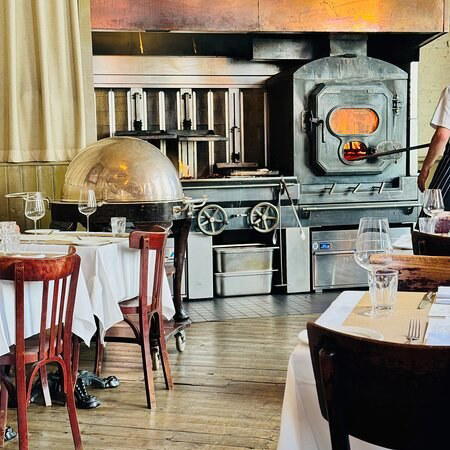
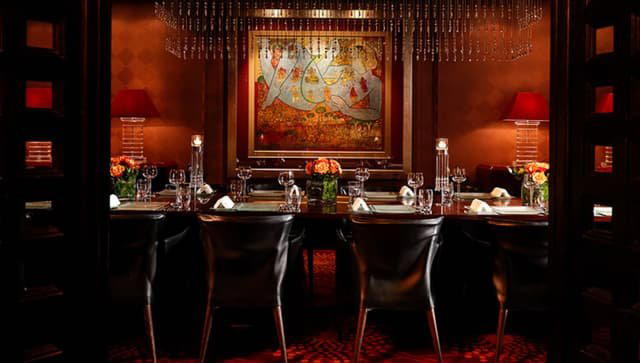
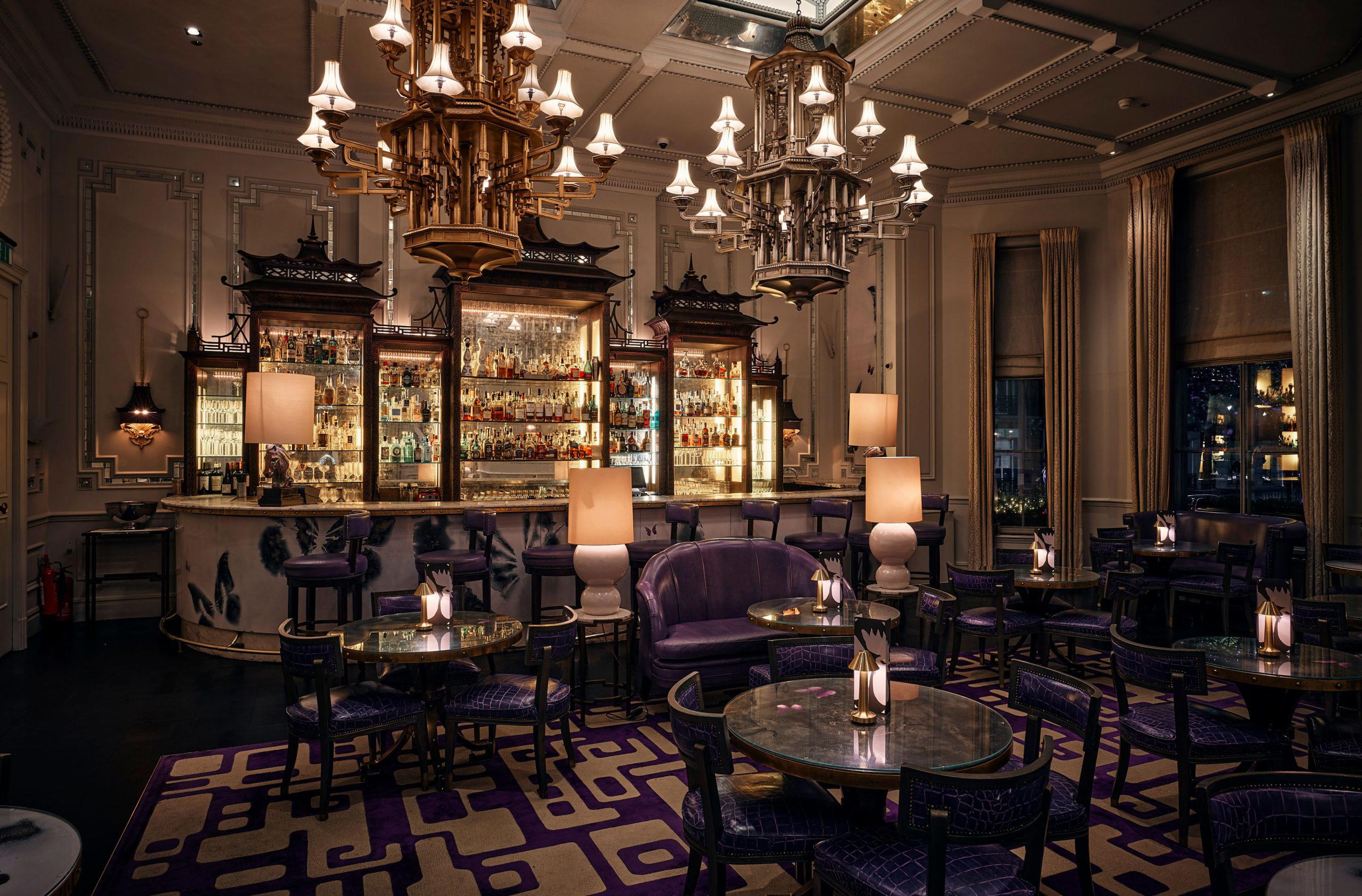
Hotels in London
Browse all →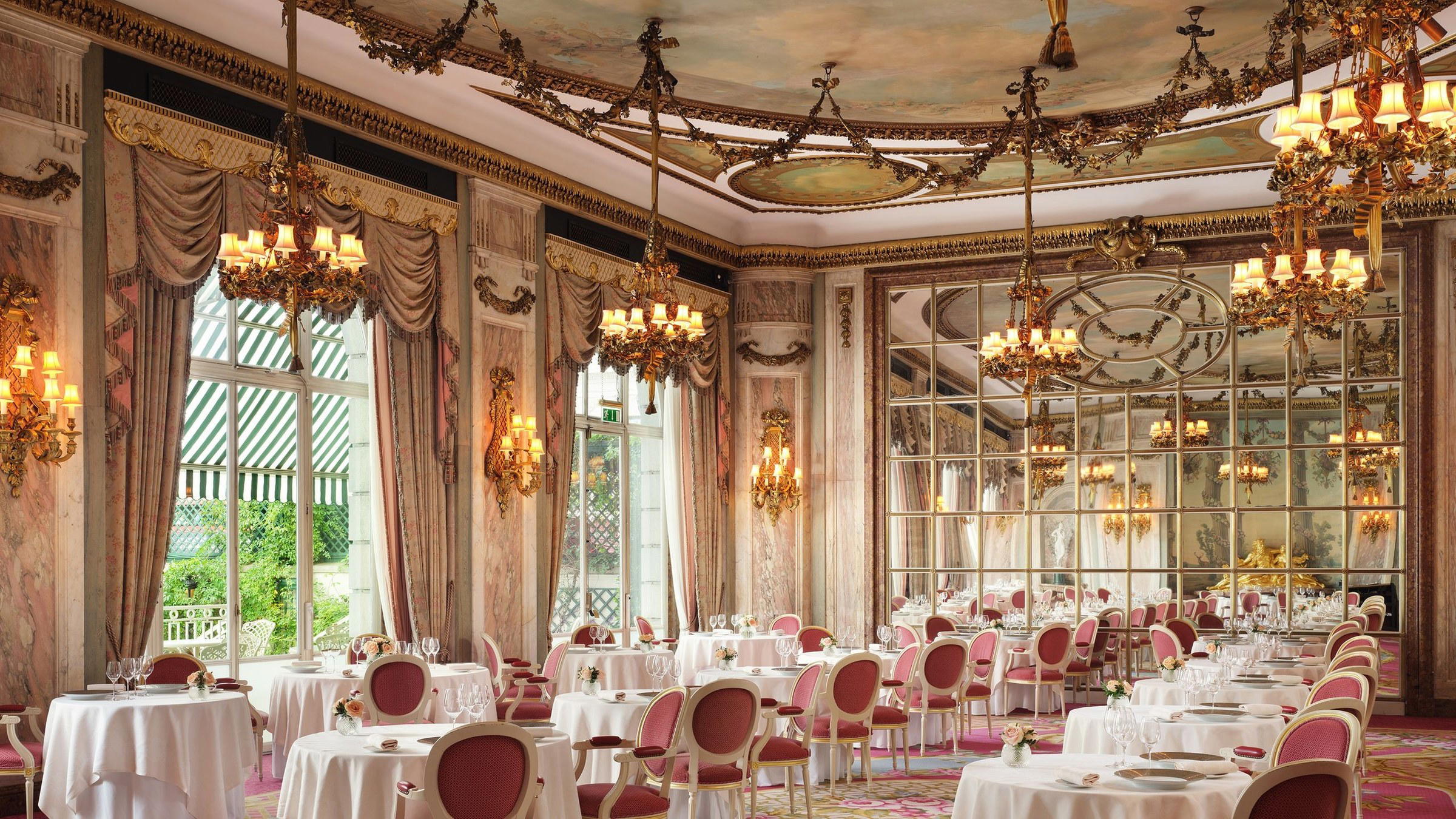

At a Glance
- Elegant
- Intimate
- Sophisticated
- Minimalist
- Special Occasion
- Celebration
- Business Dinner
- Date Night
- Chefs Counter
- Open Kitchen
- Private Dining
- Extensive Wine List
- Sake Program
- Sommelier Led
- Organic
- Sustainable
Current opening hours
- Monday
- Closed
- Tuesday
- 5:30–9:30 PM
- Wednesday
- 12–3 PM, 5:30–9:30 PM
- Thursday
- 12–3 PM, 5:30–9:30 PM
- Friday
- 12–3 PM, 5:30–9:30 PM
- Saturday
- 12–3 PM, 5:30–9:30 PM
- Sunday
- Closed
Hours can change for holidays and private events. Last verified .
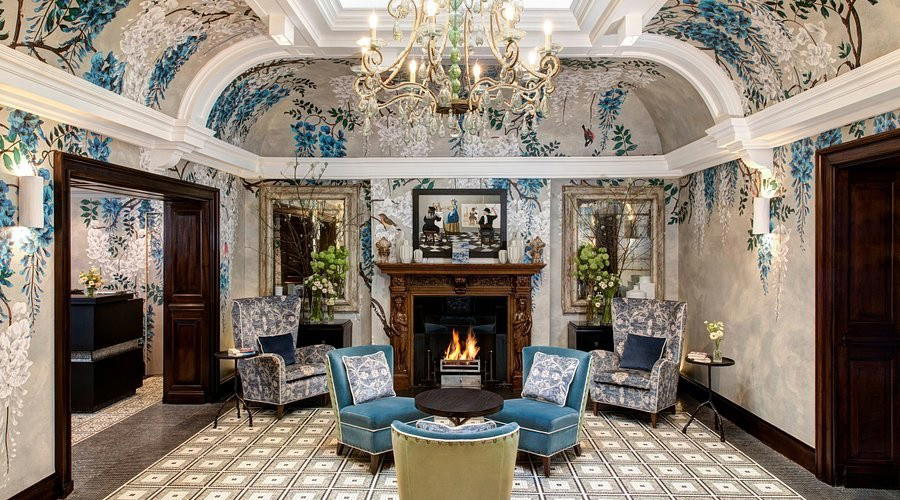
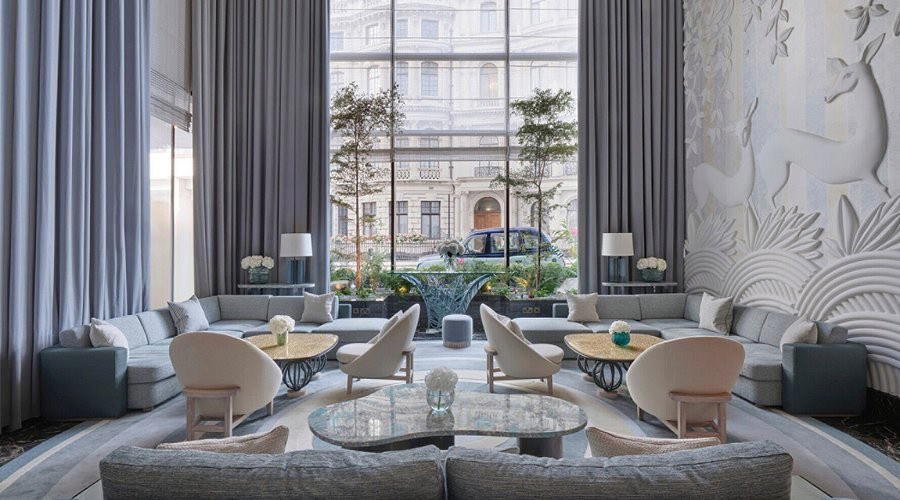
Understated elegance with clean architectural lines, soft lighting, and tactile materials creating an intimate space that feels like stepping into a well-decorated private living room, removed from the bustle of central London.