On the Rue du Colisée in Paris's 8th arrondissement, Taisho ken sits at a cross-section that defines much of the capital's contemporary dining scene: Japanese culinary discipline applied to a French address, in a neighbourhood already dense with €€€€-tier rooms. For those tracking how Asian-rooted kitchens have reshaped Paris dining over the past two decades, it forms a useful reference point.
Pearl is the En Primeur Club membership app — saves, bookings, and concierge access live there. Same editors, same standards.
- Address
- 27 Rue du Colisée, 75008 Paris, France
- Phone
- +33967013807
- Website
- facebook.com
- Directions
- Get directions
 Saves & bookings on Pearl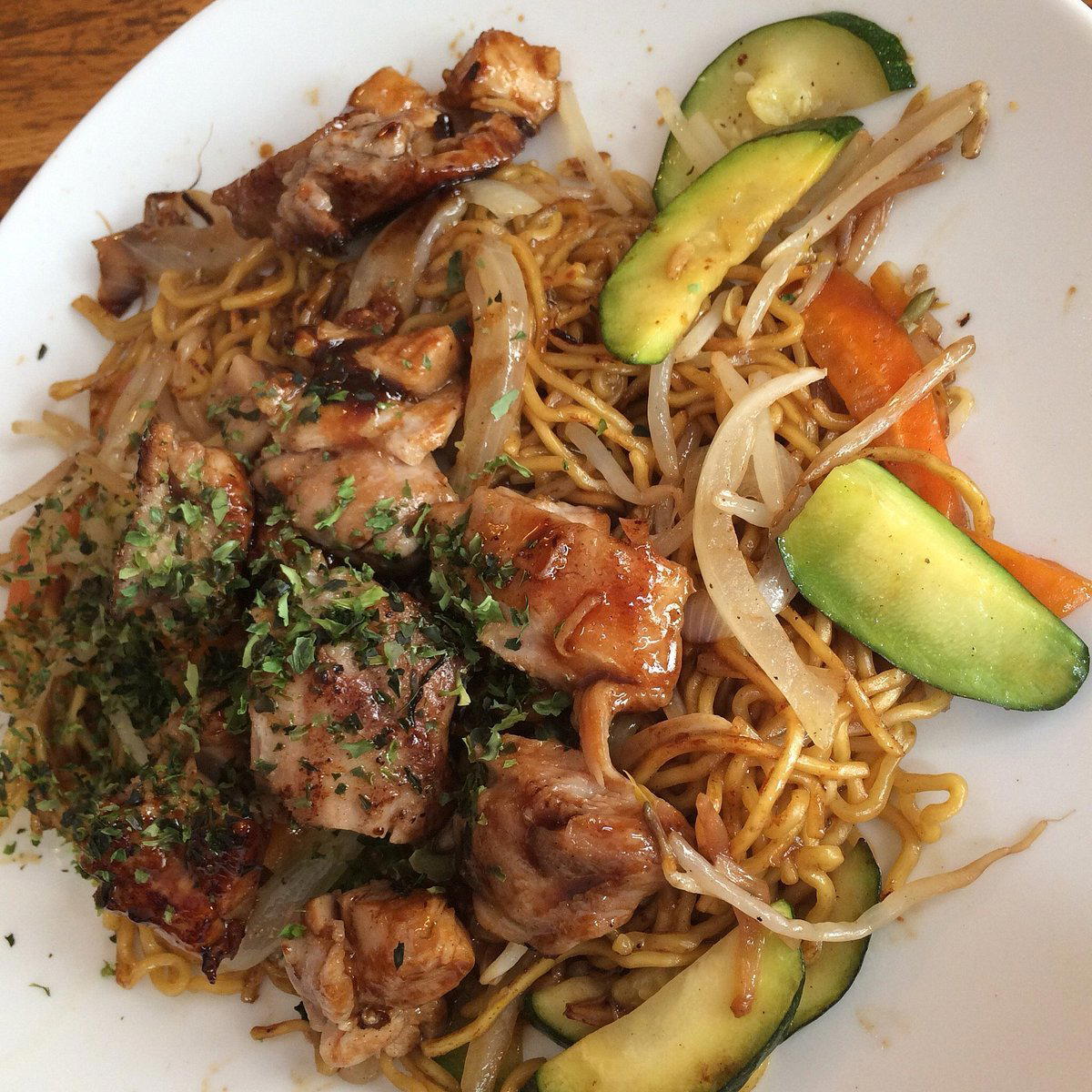
The 8th Arrondissement and the Question of Japanese Influence in Paris
Paris's 8th arrondissement has long been the address of choice for the city's most formally ambitious restaurants. Within a short radius of the Champs-Élysées, diners can move between the grand French classicism of L'Ambroisie, the creative intensity of Alléno Paris au Pavillon Ledoyen, and the Franco-Japanese synthesis at Le Cinq. It is a neighbourhood that has never needed to explain itself, and the rents and expectations reflect that. Into this context, Taisho ken operates from 27 Rue du Colisée, a street that places it squarely inside the 8th's dense concentration of serious dining rooms.
The broader category it inhabits, Japanese cooking transplanted to Paris, has a distinct history. Kei Kobayashi, whose restaurant Kei earned three Michelin stars in 2020, demonstrated that Japanese-born chefs working within French idioms could reach the best of the city's recognition hierarchy. That precedent matters. It established an audience and a critical framework for Japanese approaches to French dining that did not exist in the same way a generation earlier. Taisho ken enters a scene where that path has already been mapped, even if imperfectly.
Sustainability as a Structural Concern in Contemporary Paris Dining
Among the most consequential shifts in Parisian restaurant culture over the past decade is the growing treatment of sourcing and waste as professional obligations rather than marketing positions. Restaurants across France have moved toward shorter supply chains, with producers named on menus and seasonal constraints genuinely reflected in what arrives at the table. At the highest level, this is visible in places like Mirazur in Menton, where the kitchen operates in close relationship with its own gardens, or Bras in Laguiole, where Michel Bras built an entire culinary language around the Aubrac plateau's flora. These are not isolated cases. They represent a directional shift that has restructured how serious kitchens in France define quality.
For a Japanese-inflected kitchen in Paris, the sustainability question carries additional texture. Japanese culinary philosophy has its own deeply embedded traditions of waste reduction — the full use of a fish, the attention to vegetable trim, the seasonal calendars that govern what is and is not appropriate at a given moment. When those traditions encounter the French farm-to-table movement, the overlap is genuine rather than performed. Restaurants like Arpège, where Alain Passard famously pivoted toward vegetable-forward cooking and direct producer relationships in the early 2000s, showed that ethical sourcing and three-star ambition were not in conflict. That argument has now been absorbed into the mainstream of serious Parisian cooking.
Taisho ken, occupying a Japanese culinary tradition in a French city with an increasingly sophisticated sourcing culture, sits at the intersection of two systems that both place significant weight on provenance, seasonality, and the avoidance of waste. Whether a kitchen at this address chooses to foreground those values explicitly or let them operate as structural assumptions, the expectations of its neighbourhood and its culinary heritage both push in the same direction. Comparable reference points outside France include Atomix in New York City, where Korean fine dining has developed a rigorous approach to ingredient sourcing and course sequencing that reflects similar concerns.
Ramen, Tonkotsu, and the Taisho Era as Reference Point
The name Taisho ken is worth unpacking for what it signals about a kitchen's positioning. The Taisho period in Japan (1912–1926) sits between the rapid Westernisation of the Meiji era and the militarism of the early Showa years. It carries associations of cultural openness, urban café culture, and a particular moment when Japanese and Western aesthetics were in productive conversation. As a name for a Paris restaurant, it implies a historical consciousness about East-West exchange rather than a simple claim to authenticity. That framing aligns with how the most thoughtful Japanese restaurants in Europe tend to position themselves: not as transplanted Tokyo, but as something that could only exist in dialogue with where they are.
Ramen in Paris has followed a similar trajectory to sushi: a first wave of informal, affordable rooms aimed at students and the curious, followed by a more considered tier where technique and sourcing are taken seriously. The distance between a basic Paris ramen counter and the broth work at a technically ambitious kitchen is now as legible to Paris diners as the distance between a neighbourhood bistro and a starred table. That maturation of the audience has made it possible for ramen-adjacent Japanese kitchens to operate with greater ambition and still find an informed clientele.
The 8th in Comparative Context
Positioning any restaurant in the 8th arrondissement requires acknowledging the peer pressure of the neighbourhood. The dining rooms that define its upper tier, from Le Cinq to Alléno's operation at Ledoyen, set expectations around service formality, wine list depth, and room investment that function as ambient standards. Japanese kitchens operating in this context have generally chosen one of two paths: full assimilation into the French fine-dining format, as Kei has done, or a deliberate informality that reads as counter-programming to the neighbourhood's dominant register.
For context beyond Paris, the question of how to position a Japanese kitchen relative to its French surroundings is one that well-travelled diners encounter across the country. Flocons de Sel in Megève and Troisgros in Ouches both demonstrate how French kitchens have absorbed Japanese influence at the highest level, even without Japanese authorship. The reverse question, how a Japanese-named kitchen in Paris absorbs and responds to French expectations, is equally interesting, and the 8th is as demanding a testing ground as any in the country. Further afield, Auberge de l'Ill, Au Crocodile in Strasbourg, and Auberge du Vieux Puits all represent French regional seriousness against which any Paris operation is implicitly measured.
For a broader picture of Paris dining across price points and neighbourhoods, the EP Club Paris restaurants guide maps the city's current dining structure with more granular neighbourhood breakdowns. Internationally, Le Bernardin in New York City and AM par Alexandre Mazzia in Marseille offer useful reference points for how rigorous technique and sourcing consciousness can coexist with strong individual identity in a high-expectation room. Assiette Champenoise in Reims and Paul Bocuse's Auberge du Pont de Collonges round out the national context for understanding where Paris sits within France's broader fine-dining infrastructure.
Planning Your Visit
Taisho ken is located at 27 Rue du Colisée, 75008 Paris. Getting there: The address is walkable from Saint-Philippe-du-Roule (line 9) and Franklin D. Roosevelt (lines 1 and 9) metro stations. Walk-ins: Given the 8th arrondissement's general demand patterns, advance contact is advisable, particularly for weekend evenings. Timing: Lunch slots in the 8th tend to be more available than dinner across most Japanese kitchens in the area.
How Taisho ken Paris compares with similar nearby venues.
| Venue | Cuisine | Price |
|---|---|---|
| Bistrot Marloe | Modern Cuisine | €€ |
| L'Arôme | Modern Cuisine | €€€€ |
Continue exploring
More in Paris
Restaurants in Paris
Browse all →

Bars in Paris
Browse all →
Hotels in Paris
Browse all →

At a Glance
- Cozy
- Intimate
- Casual Hangout
- Open Kitchen
- Sake Program
Current opening hours
- Monday
- 12–2:45 PM, 7–9 PM
- Tuesday
- 12–2:45 PM, 7–9 PM
- Wednesday
- 12–2:45 PM, 7–9 PM
- Thursday
- 12–2:45 PM, 7–9 PM
- Friday
- 12–2:45 PM, 7–9 PM
- Saturday
- Closed
- Sunday
- Closed
Hours can change for holidays and private events. Last verified .
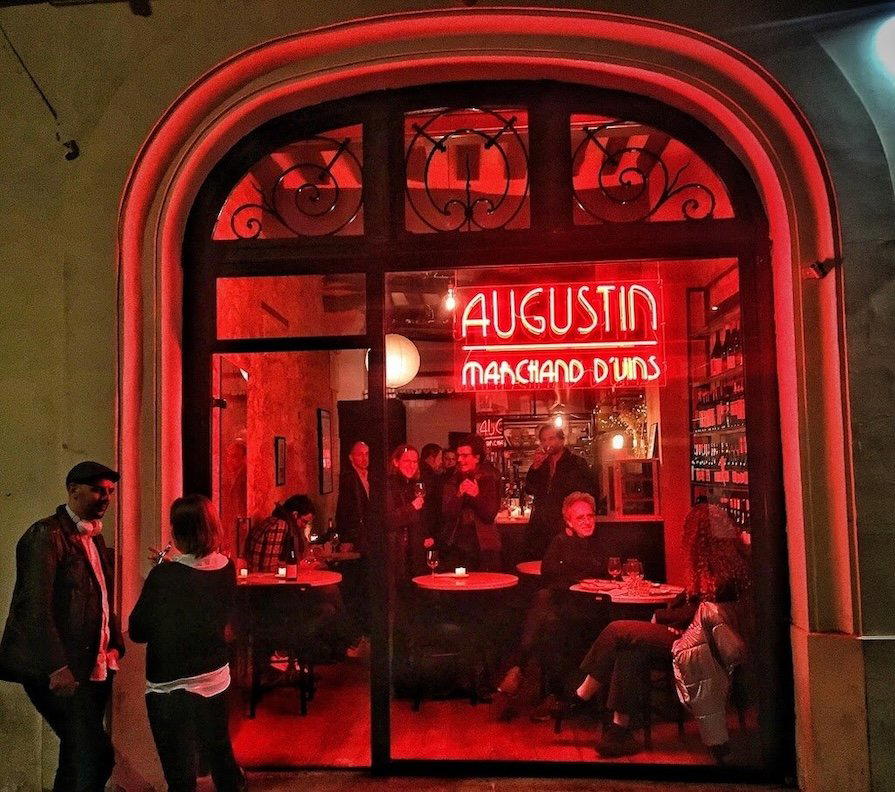
Cozy and cramped with an open kitchen, friendly and welcoming atmosphere.
Know Before You Go
- Getting there
- 27 Rue du Colisée, 75008 Paris, France