On a quiet street in the 16th arrondissement, Iza by Kura occupies a particular position in Paris's Japanese-French dining conversation, a address where sourcing discipline and seasonal attention shape the menu rather than spectacle. The 16th's residential calm sets the register: considered, unhurried, and notably removed from the tourist circuits that surround most Paris dining destinations.
Pearl is the En Primeur Club membership app — saves, bookings, and concierge access live there. Same editors, same standards.
- Address
- 9 Rue de l'Annonciation, 75016 Paris, France
- Phone
- +33140728286
- Website
- izabykura.com
- Directions
- Get directions
 Saves & bookings on Pearl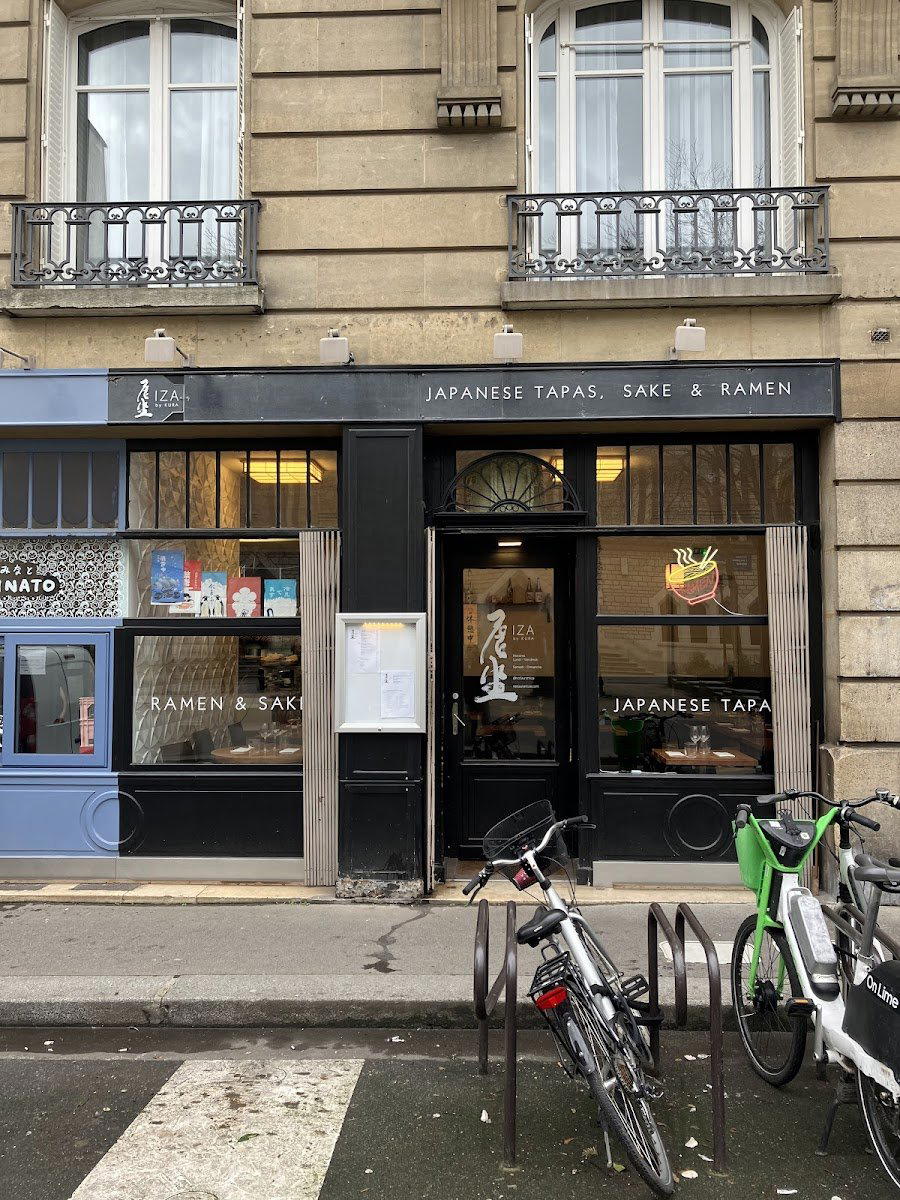
Where the 16th Arrondissement Meets Japanese Sourcing Precision
The rue de l'Annonciation runs through the 16th arrondissement like a village high street that Paris forgot to absorb. Fromageries, a covered market, independent wine shops, the street operates on a domestic rhythm that most of the city's dining quarters have long abandoned. Iza by Kura sits at number 9. In a city where Japanese-French restaurants increasingly cluster around the Opéra district or the tightly packed streets of the 1st and 2nd, a 16th arrondissement placement signals something about the intended audience and the intended pace.
Paris has developed one of Europe's most layered Japanese dining scenes over the past two decades, running from high-volume ramen counters to multi-course kaiseki formats that compete directly with the city's Michelin-weighted French addresses. Kei, for instance, has carved a position at the intersection of French technique and Japanese precision in the 1st arrondissement, holding Michelin recognition across a career defined by that bilateral fluency. Iza by Kura operates within the same broader conversation but from a residential rather than institutional address, which tends to produce a different register of cooking and a different relationship between kitchen and neighbourhood.
Sourcing as the Organising Principle
The ingredient-sourcing approach common to serious Japanese kitchens in Paris reflects a discipline that predates the current vogue for provenance-led menus. Japanese culinary tradition, across sushi, kaiseki, and izakaya formats alike, treats the supply chain as part of the dish itself. The fish market relationship, the specific farm, the seasonal window for a given vegetable: these are not marketing details but structural decisions that determine what appears on the menu each week.
Paris supports this approach in ways that cities without France's agricultural infrastructure cannot. The Île-de-France market system, supplemented by direct relationships with producers across Brittany, Normandy, and the Loire, gives kitchens access to ingredient quality that explains why French-Japanese crossover cooking has flourished here rather than, say, London or Berlin. When a kitchen in the 16th can source the same coastal fish landed at Roscoff that supplies the Breton fishing boats, and combine that with Japanese technique for handling highly perishable proteins, the result is a supply-chain logic that works on its own terms.
This is the frame through which Iza by Kura makes most sense. The name references kura, a Japanese storehouse, a keeper of things, which points toward a philosophy of curation and preservation rather than volume and spectacle. In Paris's current dining environment, where addresses like Alléno Paris au Pavillon Ledoyen and Arpège define the highest tier of ingredient-obsessed French cooking, a Japanese address that operates from a similar sourcing philosophy occupies a coherent, if smaller, niche.
The 16th as Context
The arrondissement matters more than it might initially appear. The 16th has historically been Paris's most residential grand quartier, Haussmann-era apartment blocks, embassies, the Bois de Boulogne at its western edge. It is not where Paris goes for culinary adventure; it is where Paris goes to eat well without performing the act of going out. The Le Cinq at the Four Seasons George V and L'Ambroisie at Place des Vosges (the latter technically in the Marais, but drawing a similar demographic) represent the upper end of that demographic's dining habits: serious food consumed in serious rooms by people who live near serious money.
A Japanese address on the rue de l'Annonciation is, in that context, an interesting proposition. It is neither the neighbourhood's traditional luxury register nor a counter-programming move aimed at the young dining crowd that has transformed the 10th and 11th. It sits in a more considered middle space, where the sourcing story and the seasonal menu do more work than the room's theatrics.
Paris in the Broader French Sourcing Conversation
To understand what ingredient-led cooking means at the highest level in France, it helps to look at what the country's most committed kitchens have built around producer relationships. Bras in Laguiole has spent decades defining a cuisine around the herbs and vegetables of the Aubrac plateau. Mirazur in Menton built its three-star identity around a kitchen garden on the hillside above the restaurant. Flocons de Sel in Megève draws on Alpine terroir with similar rigour. At the institutional end, Paul Bocuse's Auberge du Pont de Collonges and Troisgros established the French model for producer-chef relationships that now influences kitchens internationally.
Japanese cooking imported into this environment does not start from scratch. It grafts onto an existing infrastructure of seasonal markets, direct producer networks, and a food culture that already treats provenance as non-negotiable. The result, at its leading, is a form of cooking that draws on two distinct sourcing traditions, and that is the argument that restaurants like Iza by Kura are making, whether explicitly or not.
For readers whose interest in ingredient-led cooking extends beyond Paris, the same preoccupation shows up in different registers at AM par Alexandre Mazzia in Marseille, at Assiette Champenoise in Reims, and at Auberge du Vieux Puits in Fontjoncouse, where Gilles Goujon built a three-star reputation in a village of fewer than a hundred inhabitants entirely on the strength of southern French produce. The pattern across these addresses is consistent: sourcing discipline precedes technique, and technique follows from what the market provides.
Planning Your Visit
The restaurant's address at 9 rue de l'Annonciation places it within walking distance of the Passy Métro station (Line 6) and a short distance from the La Muette stop on Line 9, making the 16th more accessible than its residential character might suggest. The street itself is worth arriving early to explore, the covered Marché de Passy nearby runs Tuesday through Sunday mornings and gives a clear picture of the seasonal produce that supplies the neighbourhood's better kitchens. Given the 16th's generally unhurried pace, evening reservations here carry a different energy than those in the more frenetic dining districts around Saint-Germain or the Marais.
Readers interested in how Japanese-inflected technique plays out at the summit of the Paris market should also look at Kei in the 1st arrondissement for the highest-credential version of that conversation, or, for a transatlantic comparison, at Atomix in New York City, where Korean-French technique operates from a similar sourcing-first premise. Le Bernardin in New York offers a useful parallel for how a single-ingredient obsession, in that case, fish, can organise an entire restaurant's identity across decades.
Closer to home, Auberge de l'Ill in Illhaeusern and Au Crocodile in Strasbourg represent the Alsatian end of the French producer-kitchen relationship, a tradition as disciplined in its sourcing as anything coming out of Tokyo.
Comparable Venues
Comparable venues nearby, for context on price, style, and recognition.
| Venue | Cuisine | Price | Notes |
|---|---|---|---|
| Iza by KuraThis venue — the venue you are viewing | Japanese Izakaya | $$ | Not listed |
| Kodawari Ramen (Tsukiji) | Authentic Tsukiji-Style Fish Ramen | $$ | Louvre / Palais-Royal |
| Nanashi Charlot | Japanese-Inspired Bento | $$ | Le Marais |
| AO Izakaya | Franco-Japanese Izakaya | $$$ | 9th Arr. |
| Azabu | Authentic Japanese Teppanyaki | $$$ | Saint-Michel |
| Kinugawa | Contemporary Japanese | $$$ | 7th arrondissement |
Continue exploring
More in Paris
Restaurants in Paris
Browse all →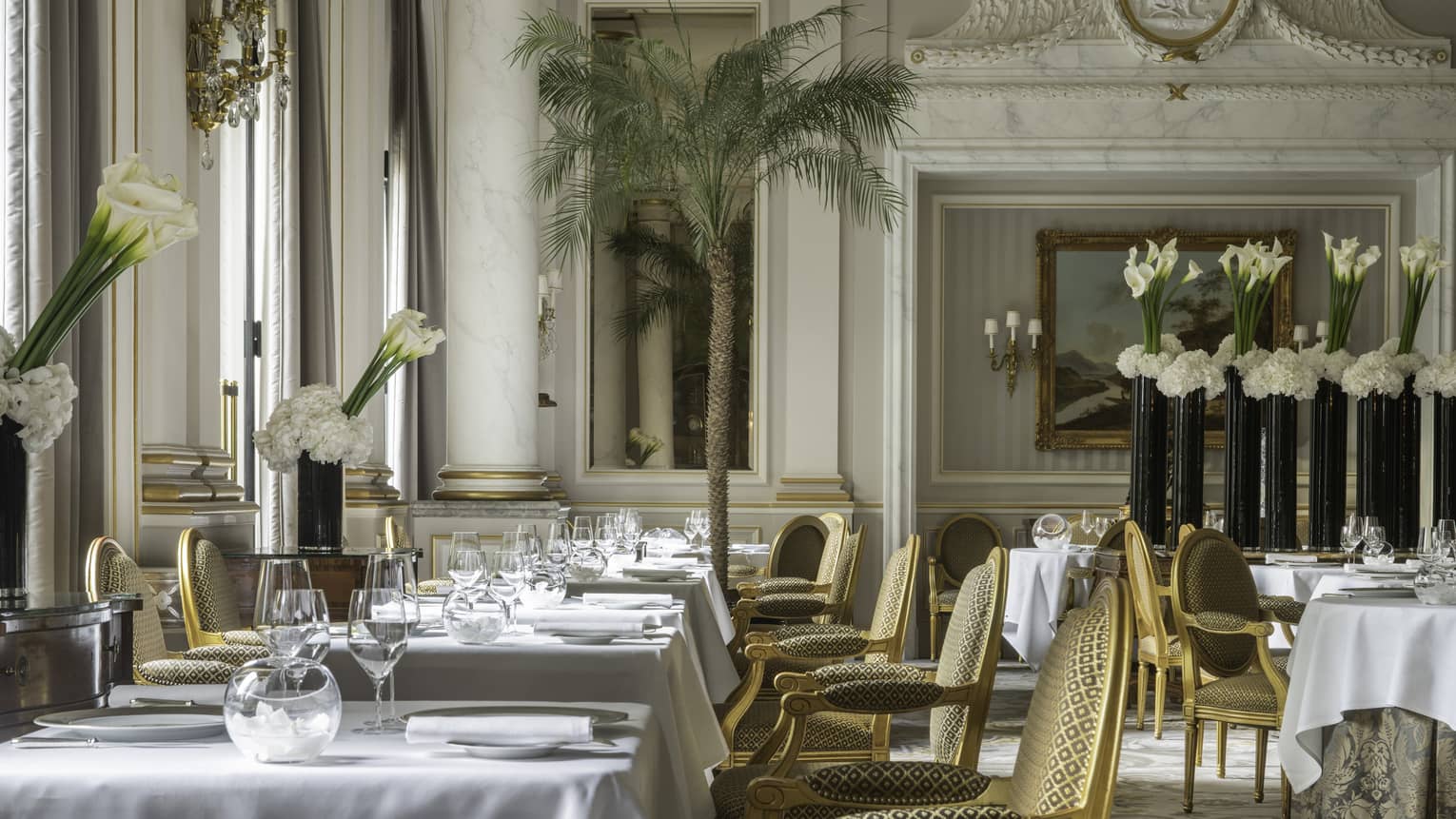
Bars in Paris
Browse all →
Hotels in Paris
Browse all →
Wineries in Paris
Browse all →
At a Glance
- Minimalist
- Intimate
- Cozy
- Casual Hangout
- Date Night
- Standalone
- Sake Program
Current opening hours
- Monday
- Closed
- Tuesday
- 12–2 PM, 7:30–10 PM
- Wednesday
- 12–2 PM, 7:30–10 PM
- Thursday
- 12–2 PM, 7:30–10 PM
- Friday
- 12–2 PM, 7:30–10 PM
- Saturday
- 12–2 PM, 7:30–10 PM
- Sunday
- Closed
Hours can change for holidays and private events. Last verified .
Minimalist decor with a calm, discreet, and refined Japanese atmosphere.