AO Izakaya brings the structural logic of Japanese izakaya dining to the 9th arrondissement, where its address on Rue de Caumartin places it among Paris's growing cluster of Japanese-influenced independents. The menu architecture follows the izakaya format, small plates, shared rhythm, drinks-led pacing, rather than the prix-fixe orthodoxy that defines much of the city's fine dining. For Paris diners familiar with Michelin-calibrated tasting menus at addresses like Kei or L'Ambroisie, AO represents a deliberate shift in register.
Pearl is the En Primeur Club membership app — saves, bookings, and concierge access live there. Same editors, same standards.
- Address
- 12 Rue de Caumartin, 75009 Paris, France
- Phone
- +33171252689
- Website
- aoizakaya.com
- Directions
- Get directions
 Saves & bookings on Pearl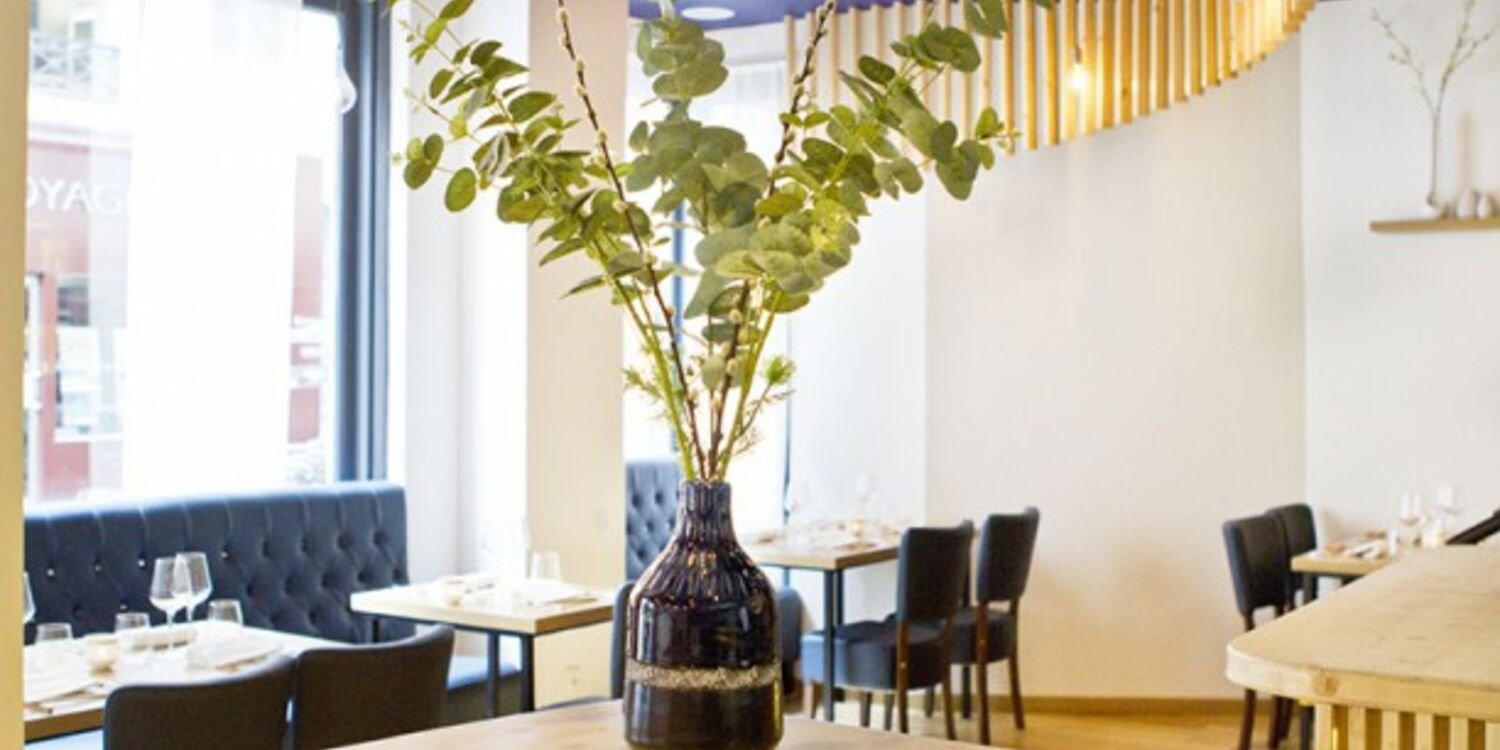
The Izakaya Format in a French Fine Dining City
Paris has spent decades refining a particular dining grammar: tasting menus, amuse-bouches, a sommelier at your shoulder, and a bill that arrives in a leather folder. The city's prestige dining addresses, from Alléno Paris au Pavillon Ledoyen to Le Cinq at the Four Seasons George V, operate inside that grammar fluently and expensively. What they do not offer is the counter-logic of the Japanese izakaya: a menu built around sharing, snacking, and returning to the drinks list between plates, with no fixed sequence and no obligation to eat in a particular order. That is a different kind of meal, and AO Izakaya on Rue de Caumartin is built around it.
The izakaya tradition in Japan is not a fine dining category. It is closer to the French bistro in social function: a place where people linger, order in rounds, and let the evening expand without a preset structure. What makes its Parisian iterations interesting is not that they import Japanese food, but that they import a different philosophy of how a meal should unfold. In a city where the prix-fixe has near-total dominance at serious restaurants, a menu designed around small plates and drinks-led pacing reads as a structural argument, not just a style choice.
What the Menu Architecture Reveals
The izakaya format is, at its core, a menu designed to be re-entered. Unlike the tasting menu model, which presents a single authorial sequence, an izakaya list invites the table to build the meal collaboratively, adding plates as drinks are refreshed and conversation shifts. This architecture has practical consequences: portion sizes are calibrated for sharing rather than individual service, the kitchen operates across multiple simultaneous orders rather than pacing courses, and the drinks list carries equal or greater editorial weight than the food menu.
At AO Izakaya, 12 Rue de Caumartin places it in the 9th arrondissement, Paris, a neighbourhood that has developed a consistent cluster of Japanese and Japanese-influenced independents over the past decade. The 9th sits between the tourist-heavy grands boulevards to the south and the more residential 10th to the east, which means its dining addresses serve a mix of regulars, office workers at lunch, and destination diners in the evening. That neighbourhood context shapes what a menu built on sharing and drinks-led ordering actually looks like in practice: it tends to work better for tables of two to four who are already in a conversational rhythm than for solo diners or large groups.
Comparison with the city's other Japanese-French intersections is instructive. Kei, in the 1st arrondissement, sits at the opposite end of the formality axis: French technique applied to Japanese sensibility, Michelin-starred, and operating entirely within the prix-fixe structure. The gap between that approach and the izakaya format is not simply about price or prestige; it is about what kind of control the kitchen exerts over the evening. Kei's menu is a directed experience. An izakaya menu is a resource the table draws from at its own pace. Both are legitimate, but they produce fundamentally different kinds of nights.
Where AO Sits in the Paris Japanese Dining Scene
Paris's Japanese restaurant population has diversified considerably since the early 2000s, when the dominant categories were either high-end sushi or neighbourhood ramen. The city now has izakayas, yakitori specialists, tonkatsu counters, and omakase addresses at various price points. AO Izakaya occupies the izakaya segment of that expanded field, which means it competes less directly with the city's grand Japanese-French hybrids and more with other informal Japanese addresses in the 9th and neighbouring arrondissements.
For context on the broader French fine dining scene that surrounds Paris's independent restaurants, the Michelin constellation extends well beyond the capital: Mirazur in Menton, Flocons de Sel in Megève, and Troisgros in Ouches all operate at the apex of French formal dining. Addresses like Bras in Laguiole, Auberge de l'Ill in Illhaeusern, and Les Prés d'Eugénie in Eugénie-les-Bains represent a longer regional tradition. What the restaurant does not try to do is compete in that register. It belongs to a different tier of intention entirely, and that is the point. The izakaya format's value proposition is accessibility and informality, not the kind of event-grade seriousness that venues like Paul Bocuse's Auberge du Pont de Collonges or Georges Blanc in Vonnas are built around.
Among Paris's own fine dining addresses, the formal French category at the summit of the price bracket includes L'Ambroisie and Arpège, both of which operate on fixed or semi-fixed menus at price points well above the izakaya segment. These addresses and the restaurant are not competing for the same booking; they are answering different questions about what dinner in Paris should feel like on a given night.
For readers planning broader French itineraries, the full Paris restaurants guide maps the city's dining by neighbourhood and price tier. Regional addresses worth adding to a longer trip include Auberge du Vieux Puits in Fontjoncouse and La Table du Castellet in Le Castellet, both of which operate at a register different from a Paris izakaya but are relevant for travellers moving through the south.
Planning Your Visit
The restaurant is at 12 Rue de Caumartin, 75009 Paris, in the 9th arrondissement. The address is walkable from the Havre-Caumartin and Saint-Lazare metro stations, which serve lines 3, 9, 12, 13, and 14 and connect the neighbourhood to most of the city efficiently. The 9th is a practical base for Paris dining: dense with independent restaurants, accessible by multiple metro lines, and less tourist-saturated than the 1st or 8th.
| Venue | Format | Price Tier | Booking Lead Time |
|---|---|---|---|
| The restaurant | Izakaya (small plates, drinks-led) | €€€ | Recommended |
| Kei | Tasting menu (Japanese-French) | €€€€ | Several weeks |
| L'Ambroisie | À la carte / semi-fixed (French classic) | €€€€ | Weeks to months |
| Alléno Paris | Tasting menu (creative) | €€€€ | Weeks to months |
At a Glance
Comparable venues nearby, for context on price, style, and recognition.
| Venue | Cuisine | Price | Notes |
|---|---|---|---|
| AO IzakayaThis venue — the venue you are viewing | Not listed | $$$ | Not listed |
| NOBISAN - Marais | Le Marais, Modern Japanese Temaki Bar | $$$ | Not listed |
| Onii-San - Izakaya | Marais, Modern Japanese Izakaya | $$$ | Not listed |
| Momoka | Pigalle, Modern Japanese Tasting | $$$ | Not listed |
| Benkay | Not listed | $$$ | Front de Seine, Traditional Japanese Teppanyaki and Washoku |
| Kunitoraya | Not listed | $$$ | Louvre / Palais-Royal, Traditional Japanese Udon & Yakitori |
Continue exploring
More in Paris
Restaurants in Paris
Browse all →
Bars in Paris
Browse all →
Hotels in Paris
Browse all →
Wineries in Paris
Browse all →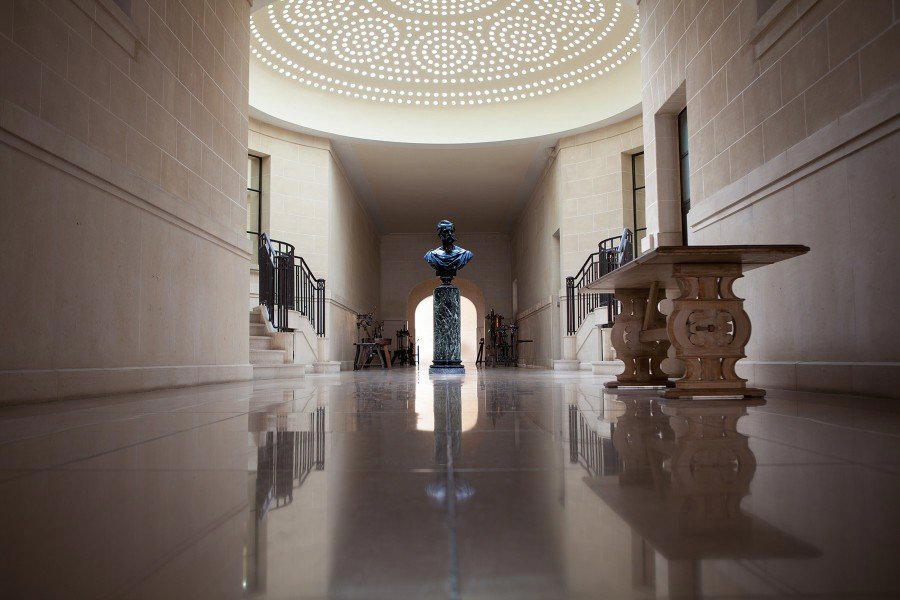
At a Glance
- Intimate
- Elegant
- Modern
- Trendy
- Date Night
- Special Occasion
- Open Kitchen
- Chefs Counter
- Sake Program
Intimate atmosphere with open kitchen, refined and modern design by Japanese architect.