On Rue Jean-Pierre Timbaud in the 11th arrondissement, Ramen Wagaya sits inside one of Paris's most active corridors for Japanese casual dining. The address places it among a generation of ramen counters that have reshaped how the city thinks about Japanese comfort food, moving the format from novelty import to neighbourhood staple. For visitors mapping the Paris ramen scene, it is a practical and editorially relevant stop.
Pearl is the En Primeur Club membership app — saves, bookings, and concierge access live there. Same editors, same standards.
- Address
- 25 Rue Jean-Pierre Timbaud, 75011 Paris, France
- Website
- instagram.com
- Directions
- Get directions
 Saves & bookings on Pearl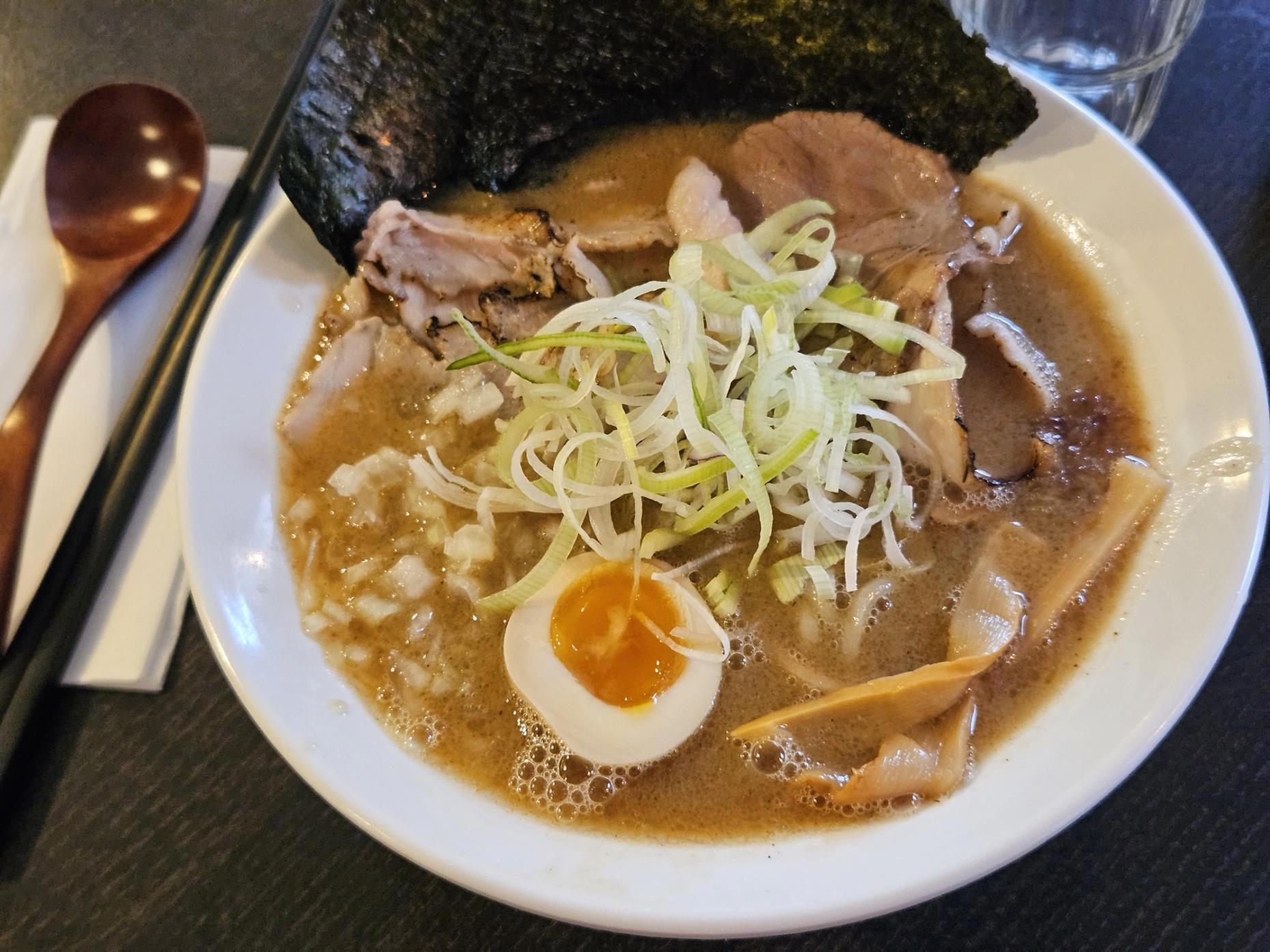
Ramen in Paris: From Import to Institution
The 11th arrondissement has become the clearest argument for how thoroughly Japanese casual dining has embedded itself into Parisian food culture. Rue Jean-Pierre Timbaud and the streets radiating from it house a concentration of Japanese counters, izakayas, and ramen shops that operate with little fanfare and consistent queues. Ramen Wagaya, at number 25, sits inside that pattern: a neighbourhood ramen address in one of the city's most food-literate districts, where the clientele is local as often as it is tourist.
The broader shift is worth understanding before discussing any single address. Paris received its first serious wave of ramen shops in the early 2010s, when a cluster of Japanese operators opened counters targeting a market that had previously treated ramen as an afterthought. By the mid-2010s, the format had moved past novelty. The 11th and its adjacent arrondissements became the gravitational centre of that scene, partly because rents permitted the low-margin, high-volume economics of a proper ramen operation, and partly because the neighbourhood's existing density of independent food shops created the right cultural conditions. What distinguishes the current tier of Paris ramen from that first wave is consistency of broth construction and sourcing discipline — the markers that separate a ramen counter worth returning to from one that coasted on novelty.
The 11th Arrondissement and Its Place in Paris Dining
To understand where Ramen Wagaya sits, it helps to map the 11th against the rest of Paris's dining geography. The arrondissement operates at a different register from the grand table addresses clustered in the 8th and 1st. Restaurants like Alléno Paris au Pavillon Ledoyen, Arpège, and Le Cinq at the Four Seasons Hôtel George V define the city's formal haute cuisine tier, while addresses like Kei represent the intersection of Japanese technique and French classical structure at the highest formal level. The 11th trades in something different: accessible, technically serious, neighbourhood-anchored eating. It is where Parisians eat on a Tuesday night without occasion, and that ordinariness is a mark of credibility rather than limitation.
That context matters for any ramen address on Rue Jean-Pierre Timbaud. The neighbourhood does not reward mediocrity; it simply moves on to the next counter. An address that sustains regular trade in that environment is operating at a baseline that most tourist-facing restaurants in more central arrondissements are not held to. Paris's broader French fine dining scene, from the regional gravity of Mirazur in Menton to the institutional weight of Paul Bocuse's Auberge du Pont de Collonges, operates on reputation accumulated over decades. The informal tier of the 11th earns its standing week by week.
Wine in the Ramen Context: A Different Kind of Cellar Logic
The editorial angle assigned here is wine, and that requires an honest framing: ramen and wine lists exist in a complicated relationship. The format's dominant pairings are beer and sake, and most Japanese casual counters in Paris reflect that. Where wine does appear in this category, it tends toward natural and low-intervention bottles, often from French producers in the Loire or Jura whose profiles complement umami-heavy broths without fighting them. Skin-contact whites and light-pigment reds from those regions have become a shorthand for ramen counters that want to signal seriousness without departing entirely from the format's logic.
This sits in broader context: France's finest cellars, whether the formal wine programs at L'Ambroisie or the Champagne-heavy lists you find near Assiette Champenoise in Reims, operate by different rules than a neighbourhood ramen counter. The cellar logic shifts completely: depth and vertical range matter less than whether a few well-chosen bottles work with what is in the bowl. For addresses across France that have thought carefully about regional pairing, venues like Au Crocodile in Strasbourg and Auberge de l'Ill in Illhaeusern illustrate how seriously Alsatian restaurants treat their lists — a useful contrast to the informal register of a ramen counter, where curation is defined by brevity rather than breadth.
Visitors who prioritize a thoughtfully assembled sake or wine selection should confirm the current offering directly with the restaurant before visiting.
Planning Your Visit
Rue Jean-Pierre Timbaud is accessible from Parmentier or Oberkampf on the Metro, both short walks from the address. The 11th's ramen counters generally operate on walk-in logic, though higher-traffic periods, particularly weekend evenings, can produce waits.
For visitors constructing a broader Paris itinerary, the 11th makes an efficient anchor for a day that moves between casual eating and serious dining. The arrondissement connects easily to the 10th and 3rd, both of which carry their own concentrations of food-credible addresses. Those planning a longer engagement with French dining at the formal end should also consider looking beyond the capital: Flocons de Sel in Megève, Bras in Laguiole, Troisgros in Ouches, and Auberge du Vieux Puits in Fontjoncouse represent the depth of France's regional table. For the Paris picture in full, our complete Paris restaurants guide covers the range from neighbourhood counters to multi-Michelin addresses. And for those interested in how Japanese culinary technique translates into formal Western contexts, Atomix in New York and AM par Alexandre Mazzia in Marseille offer useful comparative reference points, as does Le Bernardin in New York for the question of how European fine dining roots travel and transform.
How Ramen Wagaya Paris compares with similar nearby venues.
| Venue | Cuisine | Price |
|---|---|---|
| Bon Kushikatsu | Japanese | €€€ |
| Le Rigmarole | Izakaya | Not listed |
| Magma | Modern Cuisine | €€€ |
Continue exploring
More in Paris
Restaurants in Paris
Browse all →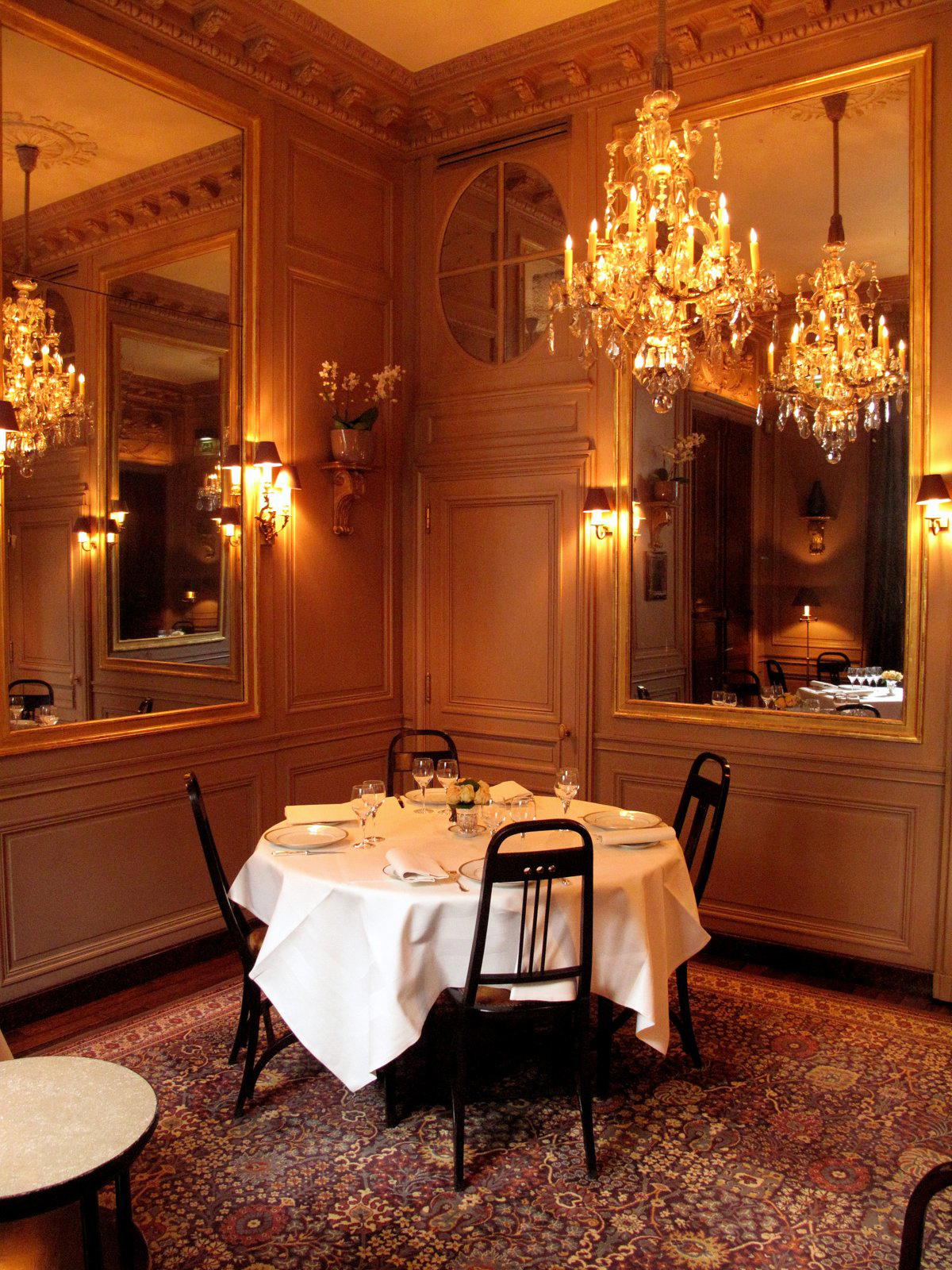
Bars in Paris
Browse all →
Hotels in Paris
Browse all →

At a Glance
- Cozy
- Trendy
- Modern
- Casual Hangout
- Late Night
- Open Kitchen
- Sake Program
Current opening hours
- Monday
- Closed
- Tuesday
- Closed
- Wednesday
- 6–10 PM
- Thursday
- 6–10 PM
- Friday
- 6–10 PM
- Saturday
- 6–10 PM
- Sunday
- 6–10 PM
Hours can change for holidays and private events. Last verified .
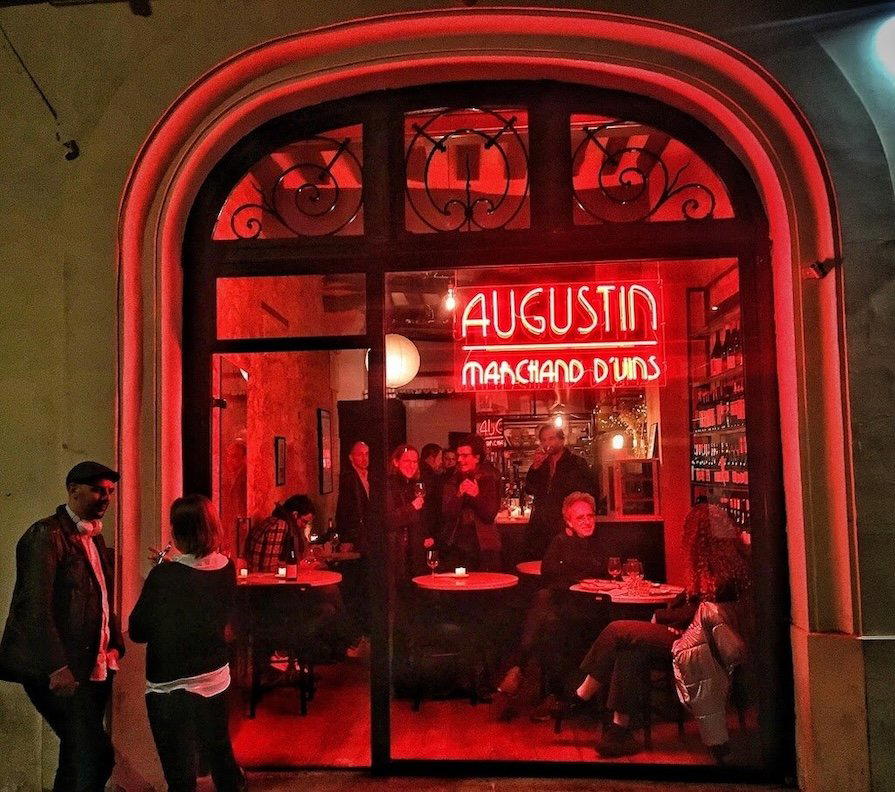
Classic bistro decor with patterned tiles, chunky wooden counter, bistro tables, and Tokyo-themed pictures on stone walls; crowds spill out on the sidewalk from late afternoon.
Know Before You Go
- Getting there
- 25 Rue Jean-Pierre Timbaud, 75011 Paris, France