A Japanese izakaya on Rue Pierre Fontaine in Paris's 9th arrondissement, Ito Izakaya brings the informal, sharing-plate tradition of Tokyo's drinking establishments to a neighbourhood better known for Montmartre's tourist circuit. The format — small plates, seasonal ingredients, and a drinks-led atmosphere — positions it within the wider wave of Japanese casual dining that has reshaped how Paris eats after dark.
- Address
- 4 Rue Pierre Fontaine, 75009 Paris, France
- Phone
- +33 9 52 91 23 00
- Website
- itoeats.fr
- Directions
- Get directions
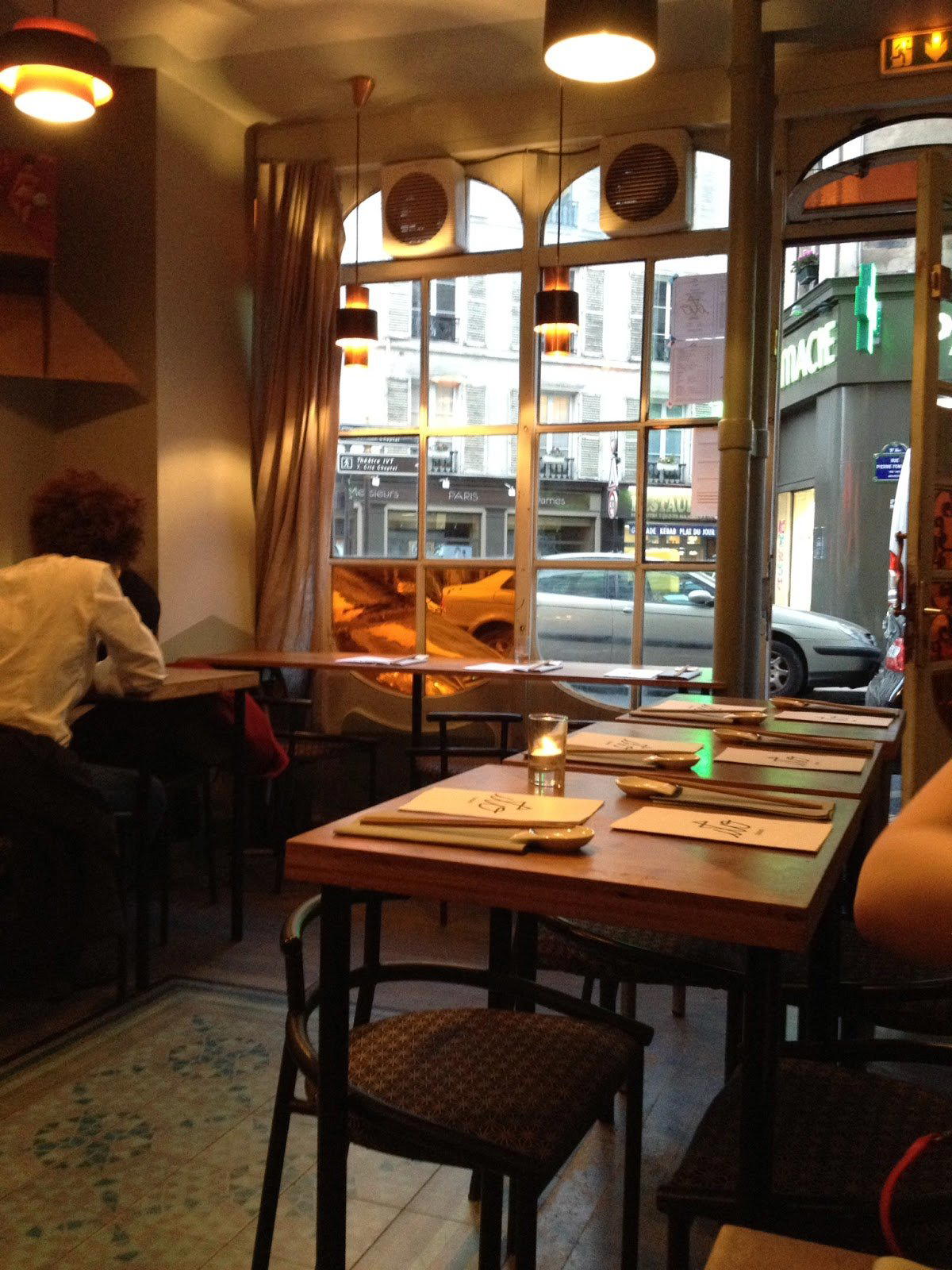
Where the 9th Arrondissement Meets the Izakaya Tradition
Rue Pierre Fontaine sits on the southern slope of Montmartre, a street that tilts between the tourist-heavy Place de Clichy axis and the more local, bar-dense stretch of the 9th arrondissement. It is not, by instinct, the address you associate with serious Japanese dining. That tension is precisely what makes the presence of an izakaya here interesting. The format itself — low-key, drink-anchored, built around shared small plates and a convivial noise level — fits the street's evening character better than a formal tasting counter would. You arrive expecting something closer to a Parisian wine bar in pacing and posture, and that is largely what the izakaya format delivers, filtered through Japanese culinary logic.
The izakaya as a category has earned a specific position in Paris's broader Japanese dining scene. Where the city's high-end Japanese addresses, places like Kei, which operates at the €€€€ tier with a Franco-Japanese fine-dining framework, operate through formality and choreography, the izakaya sits at the opposite end of the register. It is a format designed for duration: you order in rounds, you stay longer than you planned, and the kitchen's job is to keep pace with the table rather than set the tempo for it.
The Izakaya Format and What It Demands of a Kitchen
In Japan, the izakaya kitchen is not a simplified proposition. The range of techniques required, grilling over binchotan charcoal, precise deep-frying, careful curation of pickled and fermented components, demands genuine breadth. The small-plate structure means every dish arrives under scrutiny; there is nowhere to hide behind a composed main course. Paris has absorbed this format unevenly over the past decade, with some addresses leaning heavily on the aesthetic while letting the cooking drift toward a generalist Japanese-European hybrid. The better ones maintain discipline in sourcing and preparation, which is where the sustainability dimension of the izakaya model becomes relevant.
Ethical sourcing is not a novel concern in Japanese culinary culture, it is structural. The traditional relationship between an izakaya and its suppliers mirrors the kind of producer-direct logic that France's own farm-to-table movement has been articulating since the 1980s. Restaurants like Bras in Laguiole and Mirazur in Menton built their reputations on exactly this relationship with landscape and season. The izakaya, at its most considered, operates by the same principle at a lower price point and a higher throughput, which makes the supply chain discipline harder to maintain, not easier.
Sustainability in the Small-Plate Kitchen
The small-plate format has a structural advantage from an environmental standpoint that is easy to overlook. Because portions are designed for sharing, a kitchen can work through a greater variety of cuts and seasonal ingredients without committing to large-volume preparation of any single component. Whole-animal and whole-fish thinking is more naturally embedded in a menu built around yakitori, sashimi offcuts, braised secondary cuts, and fermented vegetable preparations than in a classical three-course structure. The izakaya kitchen's traditional emphasis on minimal waste is not a marketing position, it is a production logic that was baked into the format long before sustainability became a front-of-house talking point.
France's own multi-generational fine-dining houses have been grappling with the same questions at the other end of the price register. Troisgros in Ouches and Auberge de l'Ill in Illhaeusern have spent decades building supplier relationships that prioritise provenance and seasonality. The izakaya model arrives at a similar destination through a different cultural route: less ceremony, same underlying commitment to knowing where the ingredient came from and using it completely.
Paris's Japanese Dining Tier and Where This Fits
Paris now sustains a layered Japanese dining market. Further along the spectrum, Le Cinq at the Four Seasons George V demonstrates how international hotel dining positions itself against that benchmark. The izakaya occupies a different register entirely, accessible in price, informal in structure, and designed for frequency rather than occasion. It is not competing with those addresses any more than a good Parisian bistro competes with Arpège. The comparison set is the city's growing cluster of Japanese casual addresses, where the differentiators are sourcing discipline, drink range, and the kitchen's willingness to hold to format rather than drift toward crowd-pleasing fusion.
For readers who have eaten at Lazy Bear in San Francisco or followed the way Le Bernardin in New York has evolved its sourcing commitments, the questions to ask of any izakaya are similar: does the drink list reflect real knowledge of sake and shochu, does the kitchen use the whole fish, and does the seasonal framing on the menu correspond to what is actually on the plate? Those are the signals that distinguish a considered izakaya from one that has adopted the format as shorthand for casual Japanese.
Getting There and Planning Your Visit
Ito Izakaya is at 4 Rue Pierre Fontaine, 75009 Paris, in the 9th arrondissement. The address is a short walk from Pigalle or Blanche on the Métro, making it accessible from central Paris without a significant detour. The street connects to the broader bar and restaurant density of the lower 9th, so it fits naturally into an evening that begins or ends elsewhere in the neighbourhood. For a fuller picture of where this sits within the city's dining options, the EP Club Paris restaurants guide maps the range from bistro to three-star. Visitors exploring French regional cooking at the highest level might also reference Flocons de Sel in Megève, Les Prés d'Eugénie in Eugénie-les-Bains, Auberge du Vieux Puits in Fontjoncouse, Georges Blanc in Vonnas, Paul Bocuse in Collonges-au-Mont-d'Or, and La Table du Castellet in Le Castellet as reference points for what serious French provenance-driven cooking looks like at the regional level.
Questions About Ito Izakaya
- Is Ito Izakaya good for families?
- In Paris, izakayas tend to skew toward adult evening dining rather than family meals, the format, noise level, and drink-led pacing make them a better fit for groups without young children.
- What kind of setting is Ito Izakaya?
- If you want a formal dining experience with ceremony and tasting menus, this is not the right address, izakayas in Paris operate as casual, convivial spaces built around shared plates and a relaxed pace. If you prefer that register over the structured formality of the city's €€€€ tier, the format suits an informal evening in the 9th arrondissement.
- What's the leading thing to order at Ito Izakaya?
- The izakaya format rewards ordering broadly across the menu rather than anchoring to a single dish, the format is designed for rounds of small plates, and kitchens working in this tradition typically show their range through variety rather than a single signature item.
- Do I need a reservation for Ito Izakaya?
- At Paris izakayas without formal booking infrastructure, demand tends to spike on Thursday through Saturday evenings, arriving early in the service, or contacting the venue directly to confirm their current policy, is the practical approach if you are visiting at peak times.
- What do critics highlight about Ito Izakaya?
- Look to the sourcing discipline and drink range as the primary signals of quality at any Paris izakaya, critics who cover the Japanese casual dining scene consistently use those two indicators to separate addresses with genuine culinary depth from those operating the format as aesthetic shorthand.
- How does an izakaya in Paris differ from its Japanese equivalent, and what should a first-time visitor expect from Ito Izakaya specifically?
- The Paris izakaya has adapted to local dining rhythms, later service times, a French-inflected approach to wine alongside sake, and a clientele that tends to be mixed between Japanese expats and Parisian regulars. At an address like Ito Izakaya, in the 9th arrondissement, that cultural negotiation plays out in a neighbourhood context rather than a tourist-facing one, which typically produces a more considered version of the format. First-time visitors should expect the shared-plate logic of the tradition, with the pacing and duration that comes with it.
Cuisine and Credentials
A quick snapshot of similar venues for side-by-side context.
| Venue | Cuisine | Price | Awards |
|---|---|---|---|
| Ito IzakayaThis venue — the venue you are viewing | Not listed | Not listed | Not listed |
| Alléno Paris au Pavillon Ledoyen | Creative | €€€€ | Michelin 3 Star |
| Kei | Contemporary French, Modern Cuisine | €€€€ | Michelin 3 Star |
| L'Ambroisie | French, Classic Cuisine | €€€€ | Michelin 3 Star |
| Le Cinq - Four Seasons Hôtel George V | French, Modern Cuisine | €€€€ | Michelin 3 Star |
| Pierre Gagnaire | French, Creative | €€€€ | Michelin 3 Star |
Continue exploring
More in Paris
Restaurants in Paris
Browse all →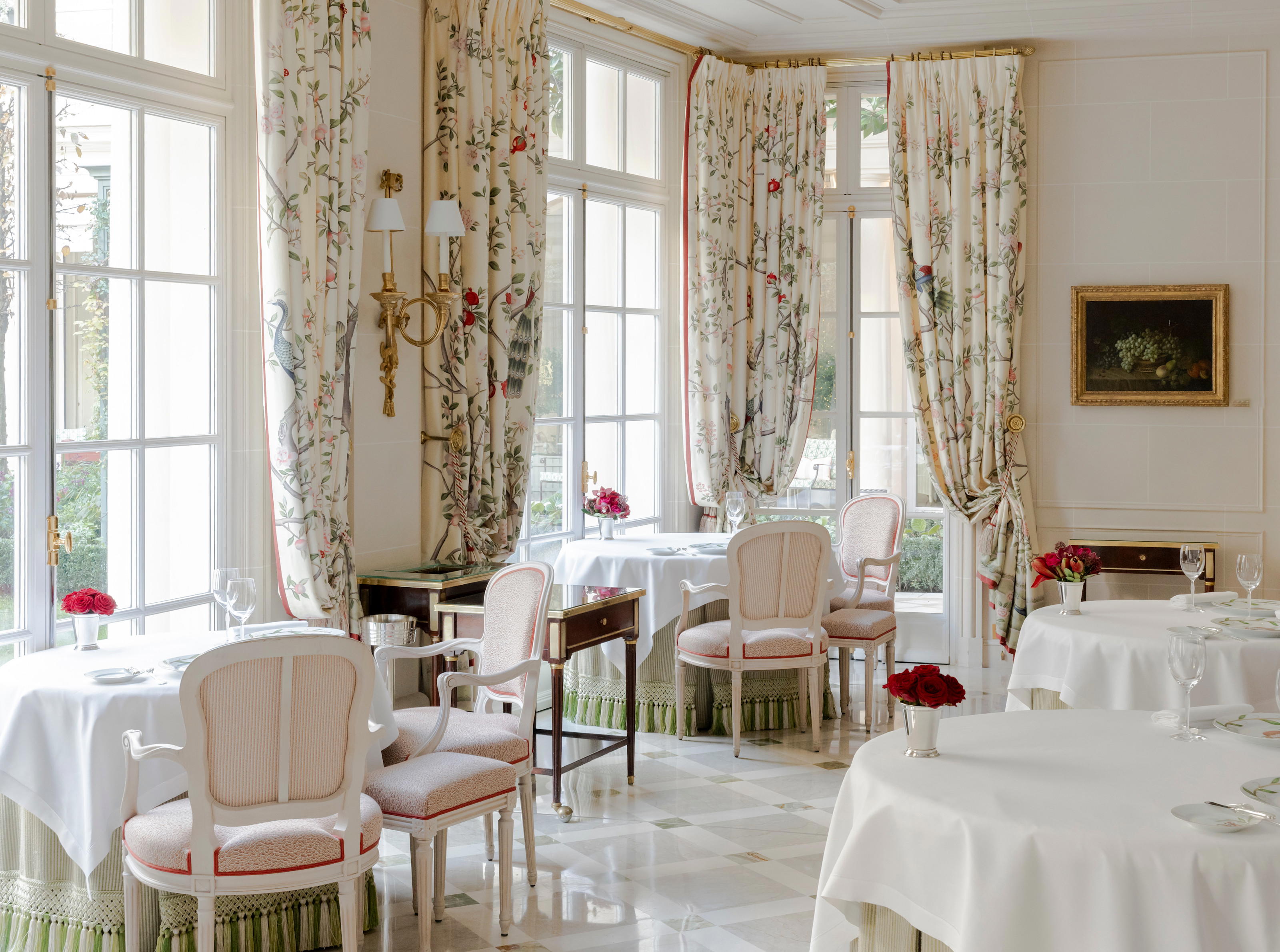
Bars in Paris
Browse all →
Hotels in Paris
Browse all →

At a Glance
- Cozy
- Trendy
- Intimate
- Casual Hangout
- Date Night
- Open Kitchen
- Sake Program
- Street Scene
Blissful oasis with fabulous ambiance in a buzzy Pigalle location.
Know Before You Go
- Getting there
- 4 Rue Pierre Fontaine, 75009 Paris, France