Cantinetta occupies a Speicherstadt address at Pickhuben 3, placing it within Hamburg's most architecturally arresting warehouse district. The restaurant sits in a city where the Italian-inflected dining tradition competes for serious attention alongside German creative and modern European formats. For visitors mapping Hamburg's mid-to-upper dining tier, it represents a distinct point on that spectrum.
Pearl is the En Primeur Club membership app — saves, bookings, and concierge access live there. Same editors, same standards.
- Address
- Pickhuben 3, 20457 Hamburg, Germany
- Phone
- +4940638589900
- Website
- ristorante-cantinetta.de
- Directions
- Get directions
 Saves & bookings on Pearl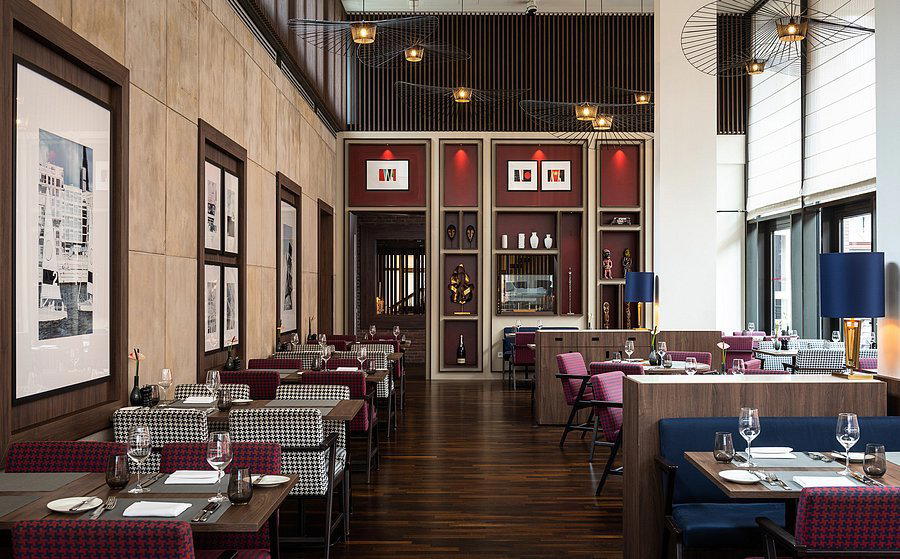
Where the Meal Begins Before You Sit Down
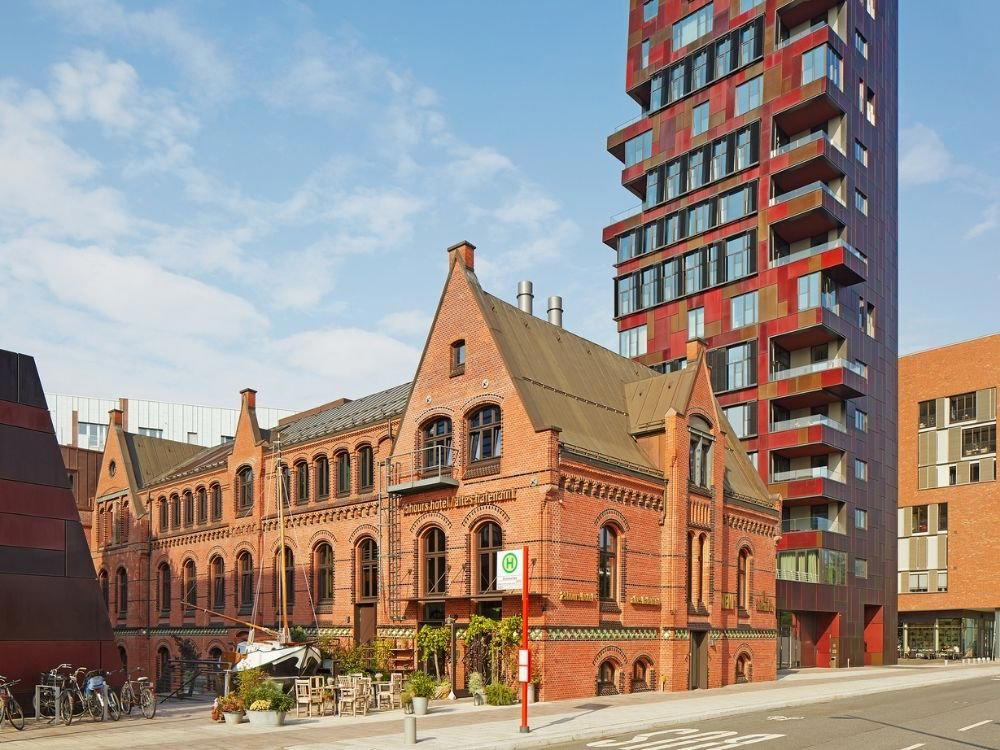
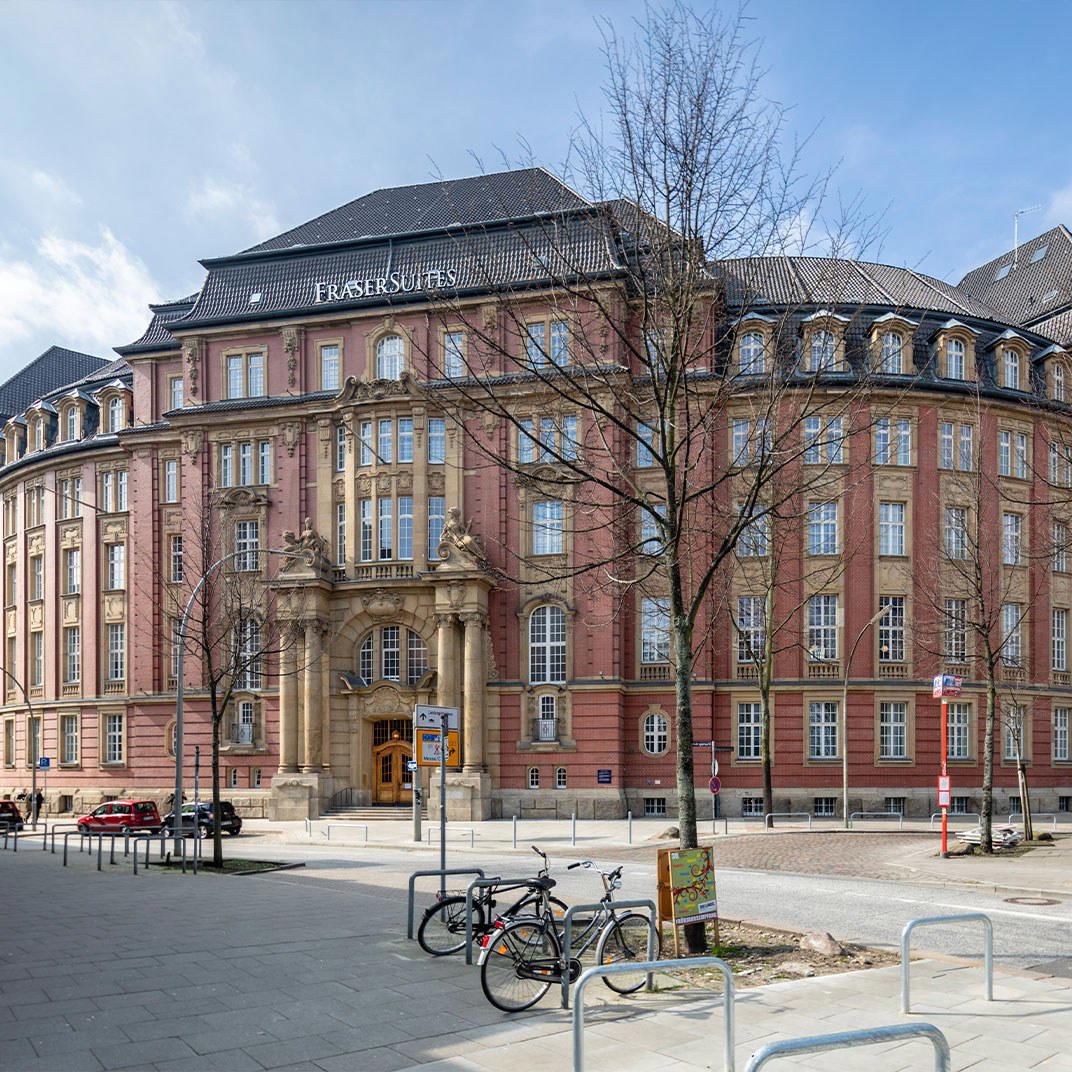
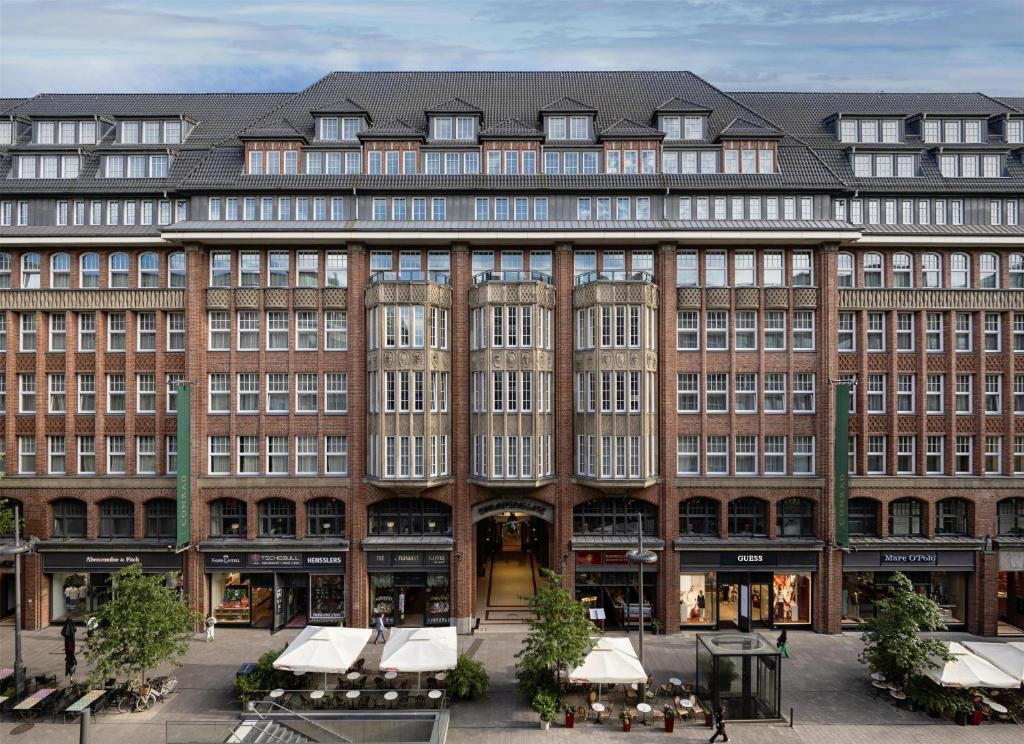
Cantinetta is a Modern Italian restaurant at Pickhuben 3 in Hamburg, set in the Speicherstadt warehouse district. The red-brick warehouse facades along the Zollkanal canals were built for commerce, not hospitality, and that industrial gravity still registers. Walking to Pickhuben 3, you pass waterways and vaulted archways that predate the city's postwar reconstruction by decades. By the time you reach the door of Cantinetta, the setting has already done a portion of the work that a restaurant's interior usually has to earn on its own.
Dining in the Speicherstadt is not the same experience as dining in Eppendorf or along the Alster. The neighbourhood draws a mix of design professionals, tourists using the nearby Miniatur Wunderland and Elbphilharmonie as anchors, and Hamburg residents who treat the district as a destination rather than a neighbourhood. A restaurant operating here is serving a room with different expectations and different paces than a suburban bistro or a central-city brasserie.
The Ritual of an Italian-Inflected Table in a Northern European City
Italian dining culture carries a specific grammar of pacing that travels imperfectly across borders. In Italy, the sequence from antipasto through primo, secondo, and dolce is not merely an ordering convention, it is a social contract about time, about not rushing the table, about the expectation that the kitchen and the guest are collaborating on an extended exchange rather than a transaction. Northern European cities, Hamburg included, have historically compressed that grammar, importing the flavours while trimming the ritual.
Across the city's upper-middle dining tier, there is now a clearer appetite for meals that hold their pace: where the bread arrives before the menu pressure begins, where a glass of something local or regional is offered without theatre, where the transition between courses is marked by conversation rather than cleared plates arriving in quick succession. Cantinetta, positioned in the Speicherstadt at an address that already signals deliberateness of choice, sits within that emerging preference for meals structured around the full Italian ritual rather than its shorthand.
This matters practically for how you should approach the table. Hamburg diners at this address are not rushing to a second venue. The meal is the evening. That expectation is built into the location as much as the format, and visitors arriving with that understanding will find the pacing legible rather than slow.
Hamburg's Italian and Mediterranean Tier: Where Cantinetta Fits
Hamburg's fine and upper-casual dining market has diversified considerably over the past decade. The city's three-Michelin-star bracket is occupied by Restaurant Haerlin with its creative French orientation and by The Table Kevin Fehling, which operates a tasting menu format at the technical ceiling of the city's restaurant scene. Below that tier, the field opens considerably. bianc represents Hamburg's most formally constructed approach to modern Mediterranean cooking at the €€€€ price point, while Lakeside anchors a different kind of waterside dining experience with a German identity. 100/200 Kitchen operates a communal-format creative tasting menu that has drawn consistent editorial attention.
Cantinetta occupies a different position in this field. Where bianc pushes Mediterranean cooking toward formal tasting-menu territory, and where Lakeside leans into German produce and landscape, Cantinetta's address and format suggest a restaurant more concerned with the convivial structure of the Italian table than with competition for critical ranking. That reflects a genuine fork in how Italian dining can be approached. Some of Germany's most-discussed Italian-adjacent cooking, from Schwarzwaldstube in Baiersbronn to Vendôme in Bergisch Gladbach, sits in the heavily awarded formal tier. Cantinetta reads as something operating with different priorities.
Across Germany, the restaurants drawing consistent attention for non-German cuisine have tended to be those with a strong point of view on their source tradition rather than those adapting it toward a pan-European middle. JAN in Munich, CODA Dessert Dining in Berlin, and Aqua in Wolfsburg each hold their identity sharply. The same is expected of any Italian address operating in Hamburg's increasingly confident dining market.
What the Speicherstadt Address Tells You About the Evening
Hamburg's restaurant geography is not neutral. The Speicherstadt and adjacent HafenCity were developed in the 2000s and 2010s as mixed-use cultural and commercial districts, with the result that dining here often carries a higher threshold of deliberateness than in older residential neighbourhoods. Diners arriving at Pickhuben 3 have typically made a destination decision, not a spontaneous one. The implications for the table are real: the room tends to run at a measured pace, arrivals are spread rather than clustered at peak hours, and the atmosphere reflects the canal-side quiet of an area that empties after the museum and gallery traffic subsides.
That quieter register distinguishes Speicherstadt dining from the more animated rooms around Eppendorf, the Schanze, or the Landungsbrücken. For a meal structured around the Italian dining ritual, where conversation is as much the point as the food, the district's particular atmosphere is an asset rather than a liability. Whether you are ordering for two across a long evening or using the meal as an anchor for a wider Hamburg visit, the location supports lingering.
Visitors building a Hamburg dining itinerary with more breadth might also look at Waldhotel Sonnora in Dreis, Schanz in Piesport, Bagatelle in Trier, ES:SENZ in Grassau, or Victor's Fine Dining by Christian Bau in Perl for a wider picture of Germany's serious dining options. Internationally, the ritual-focused, course-by-course format is something restaurants like Le Bernardin in New York City and Lazy Bear in San Francisco have each formalised in their own idioms.
Know Before You Go
- Address: Pickhuben 3, 20457 Hamburg, Germany
- District: Speicherstadt, Hamburg
- Nearest landmark: Elbphilharmonie, Miniatur Wunderland
- Booking: Reservations recommended
- Hours: Mon, Tue, Thu, Fri, Sat, Sun 5-11 PM; Wed closed
- Price range: About $40 per person
- Format note: Approach as a full-evening meal; the location and Italian dining structure reward a patient pace
Comparable Venues
Comparable venues nearby, for context on price, style, and recognition.
| Venue | Cuisine | Price | Notes |
|---|---|---|---|
| CantinettaThis venue — the venue you are viewing | Modern Italian | $$ | Not listed |
| Ristorante Piccobello | Traditional Italian Trattoria | $$ | Barmbek |
| Pizzeria Al Volo | Authentic Neapolitan Pizza | $$ | Neu Lokstedt |
| Spaccaforno | Authentic Neapolitan Pizza | $$ | Barmbek |
| Pizzamacherei | Italian Pizza | $ | Neu Lokstedt |
| Pittarello | Seasonal Italian Trattoria | $$ | Barmbek |
Continue exploring
More in Hamburg
Restaurants in Hamburg
Browse all →
At a Glance
- Elegant
- Modern
- Cozy
- Sophisticated
- Date Night
- Business Dinner
- Special Occasion
- Open Kitchen
- Historic Building
- Hotel Restaurant
- Extensive Wine List
- Waterfront
- Street Scene
Current opening hours
- Monday
- 5–11 PM
- Tuesday
- 5–11 PM
- Wednesday
- Closed
- Thursday
- 5–11 PM
- Friday
- 5–11 PM
- Saturday
- 5–11 PM
- Sunday
- 5–11 PM
Hours can change for holidays and private events. Last verified .
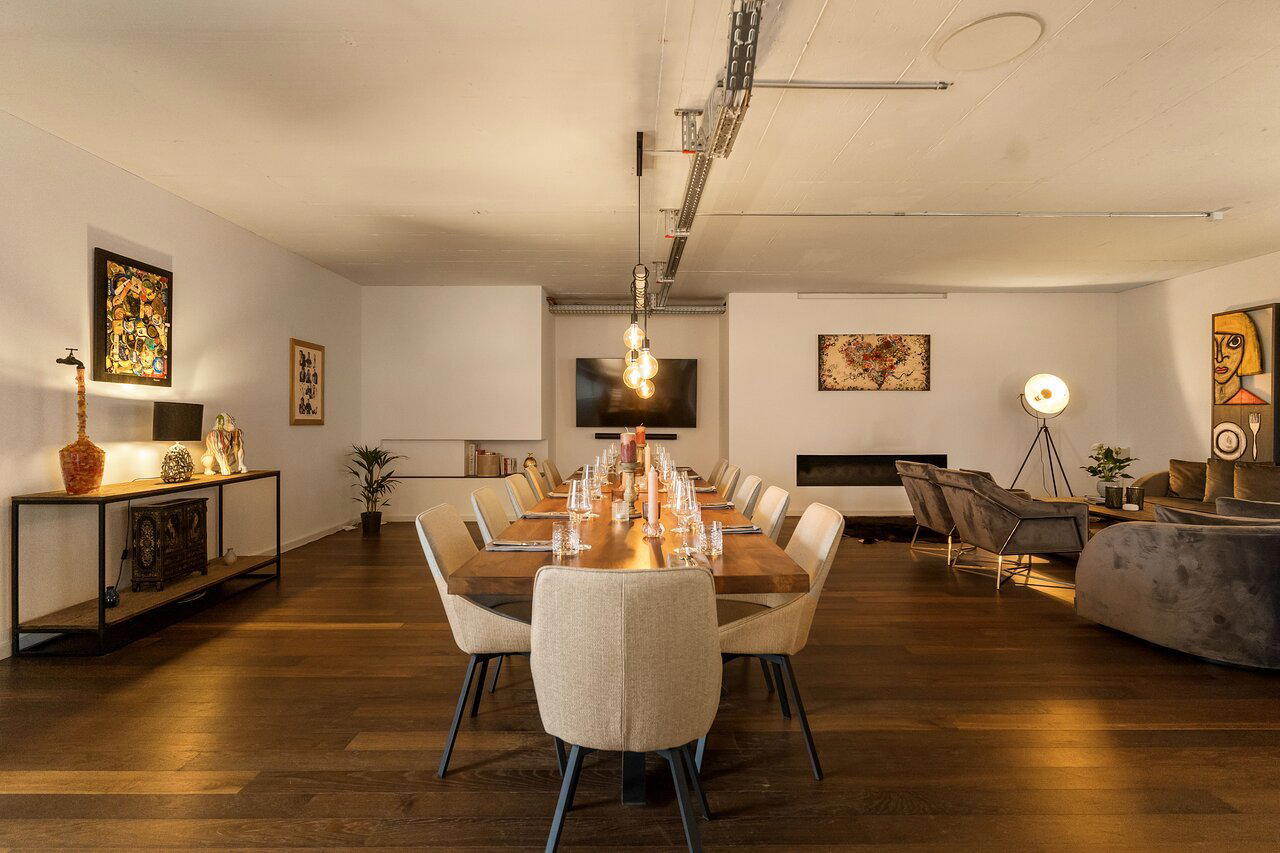
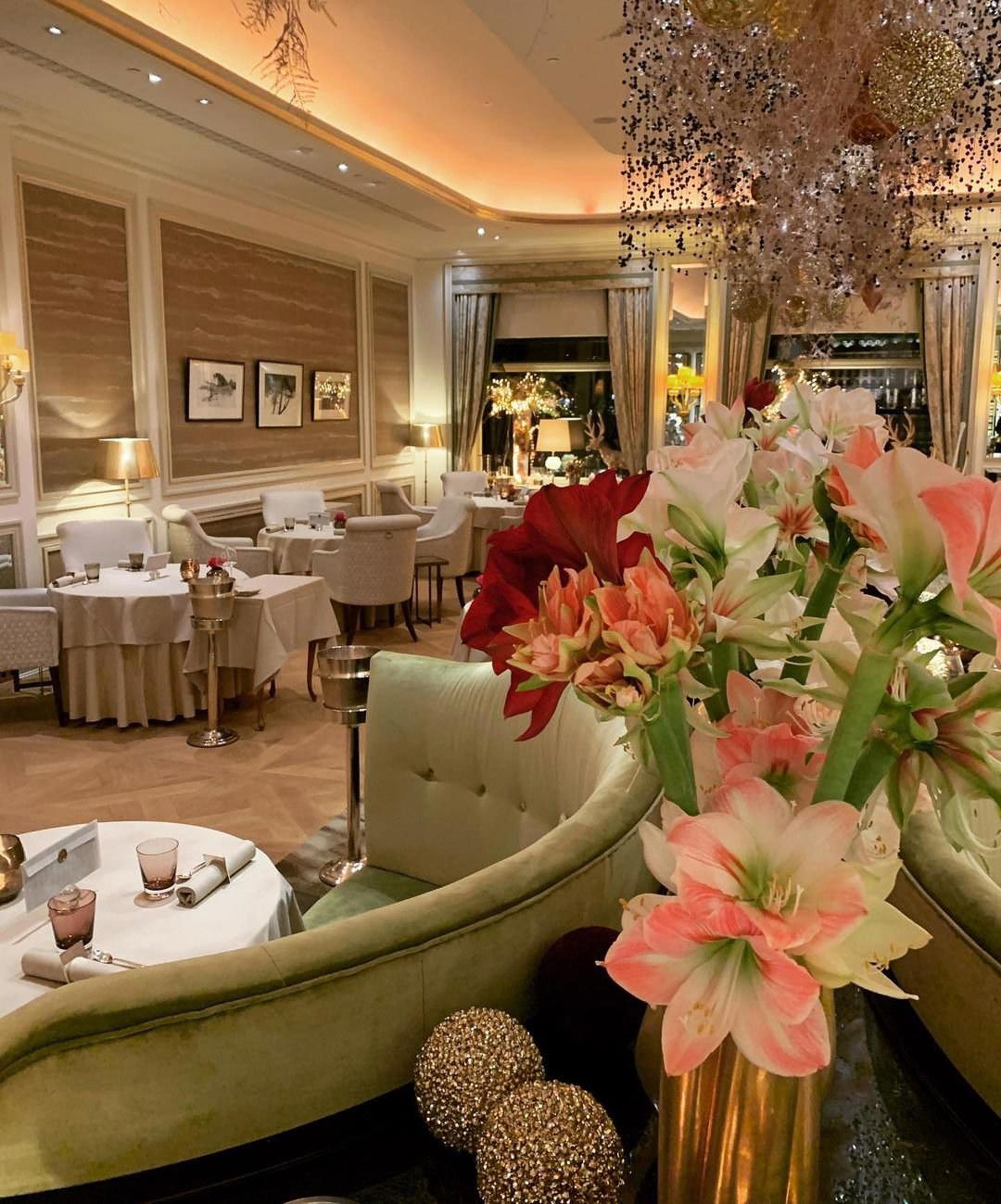
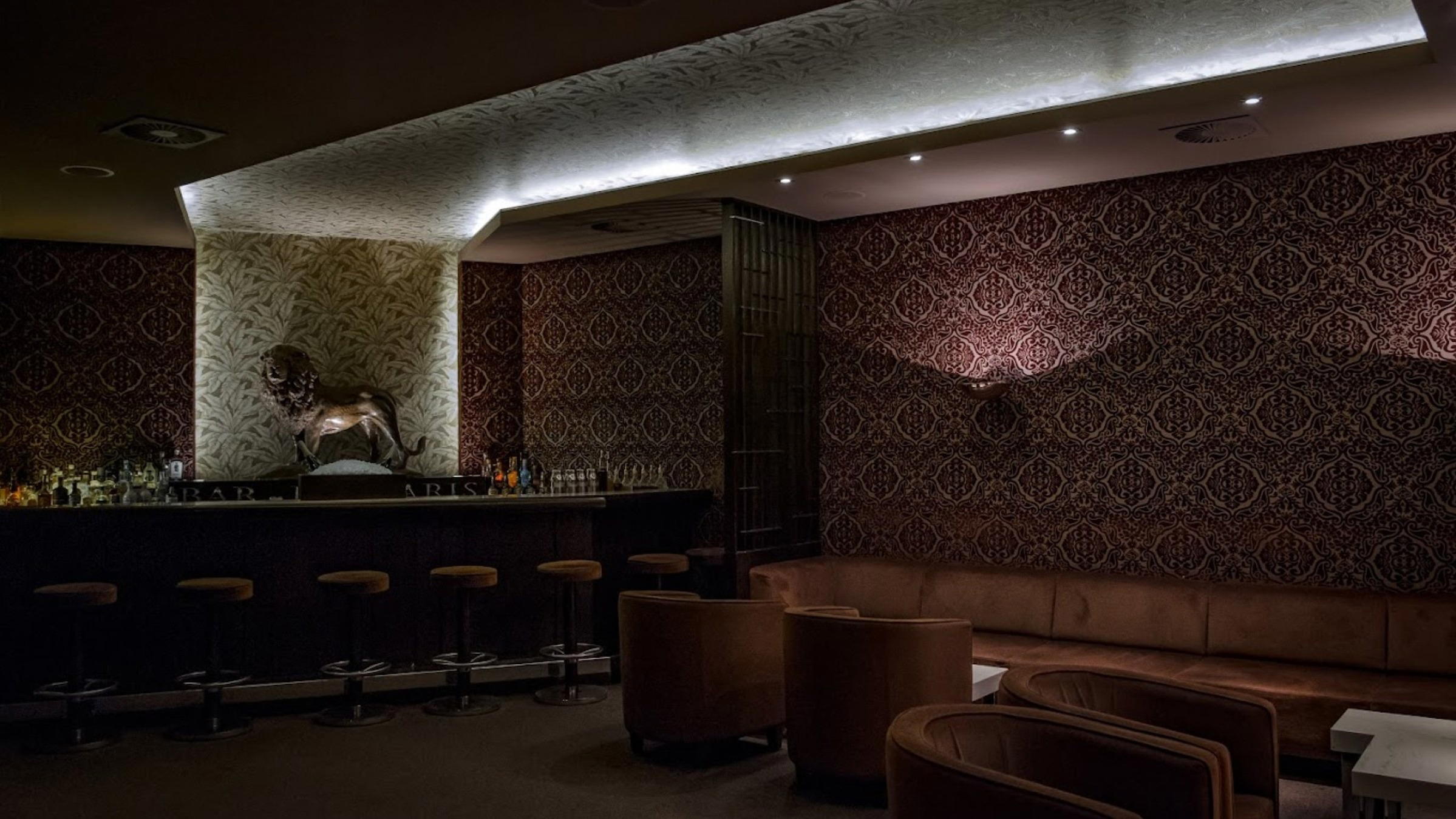
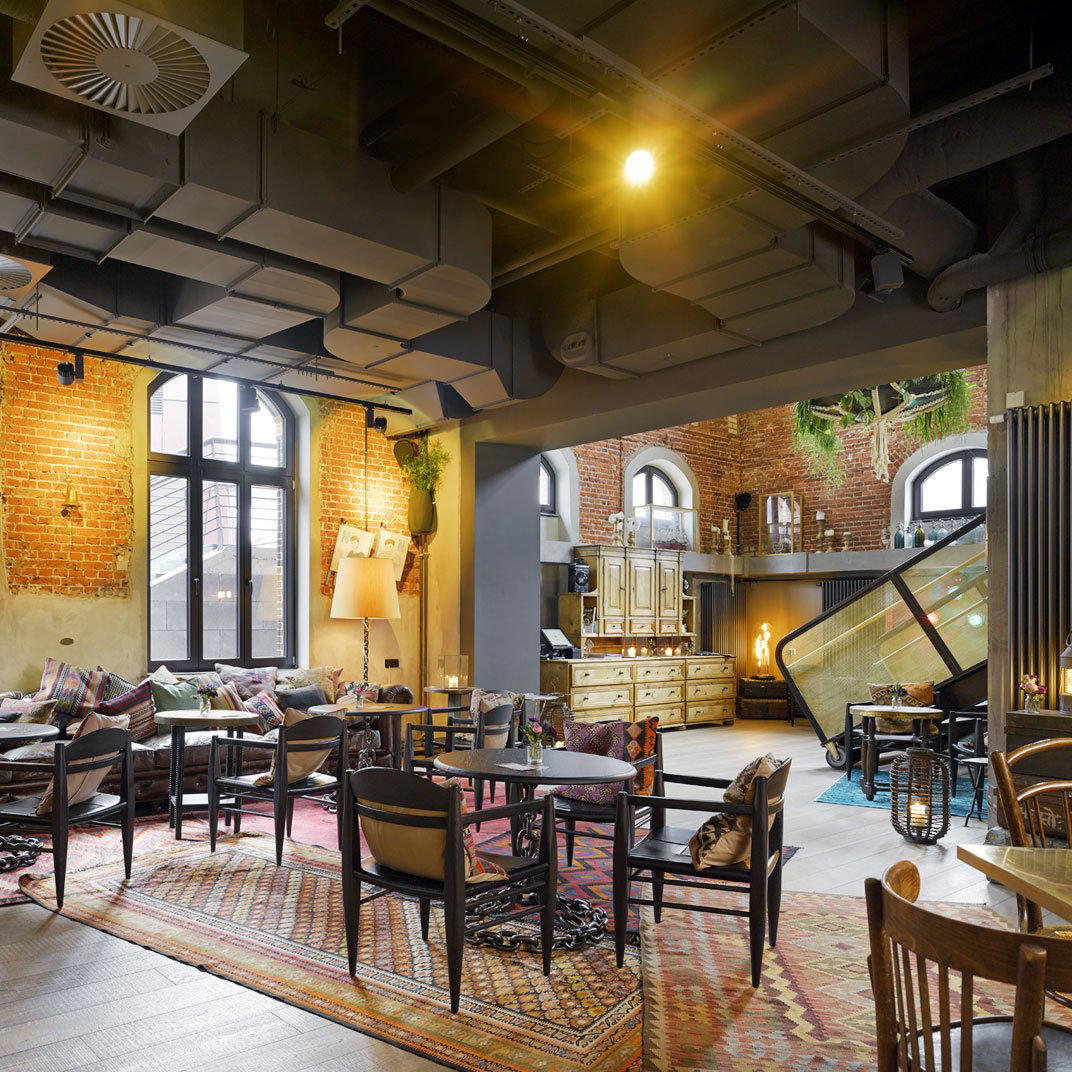
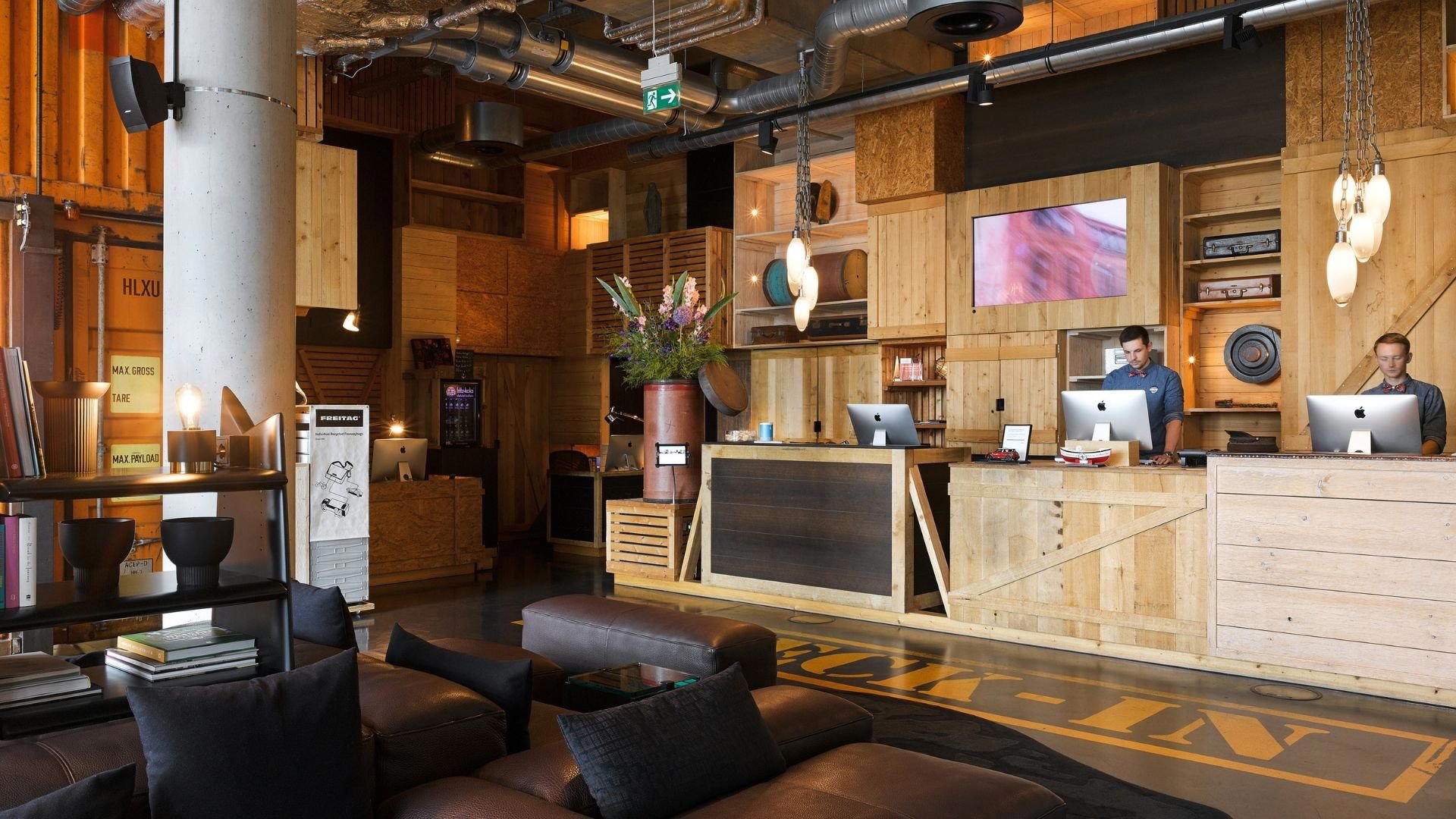
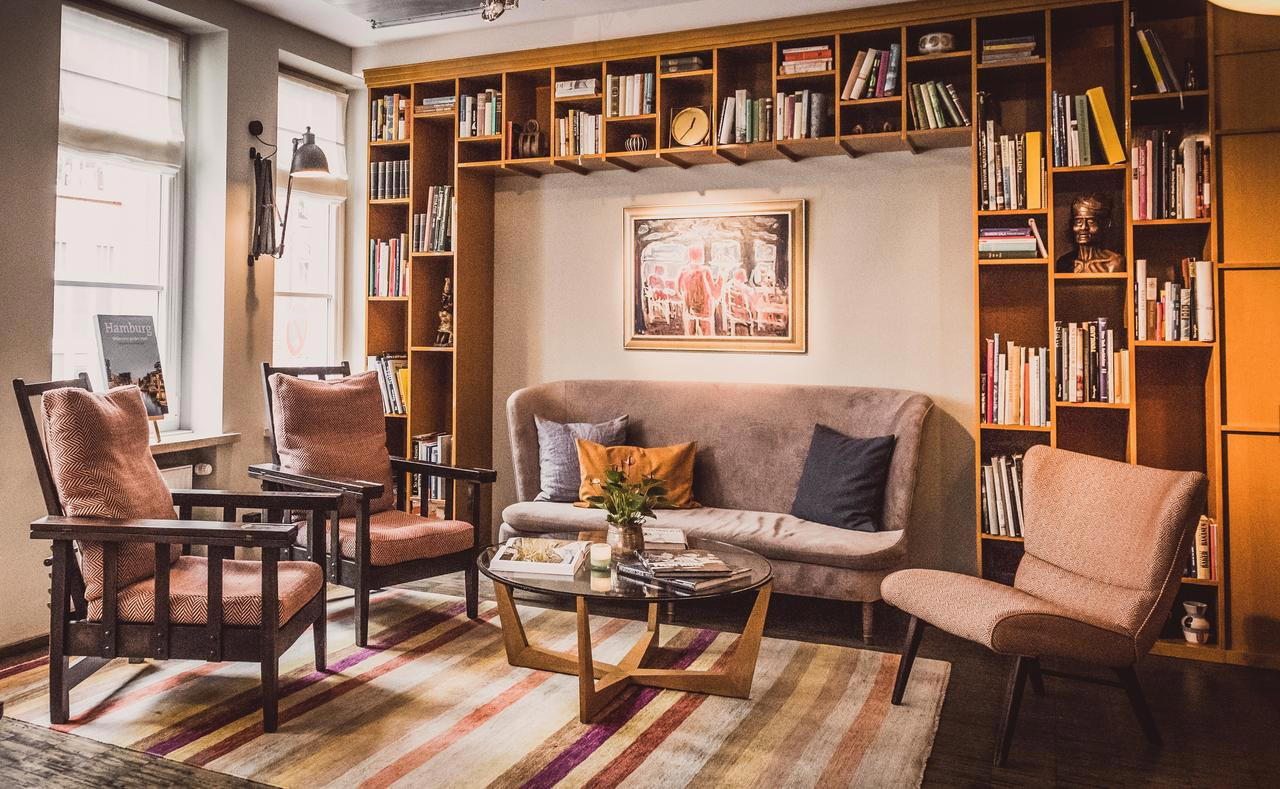
Elegant mid-century design with fireplace, lounge music, and relaxing atmosphere.