Our verdict
On Avenida Cerro Azul in Maringá's Zona 02, Taberna Portuguesa brings the cooking traditions of Portugal into one of Paraná's most quietly serious restaurant scenes. The address situates it within a city that has shown a consistent appetite for European culinary references, from Italian-inflected cantinas to Iberian-leaning tables. Confirmed details on format and pricing remain limited, but the name alone signals a specific cultural commitment.

Pearl is the En Primeur Club membership app — saves, bookings, and concierge access live there. Same editors, same standards.
- Address
- Av. Cerro Azul, 94 - Zona 02, Maringá - PR, 87010-000, Brazil
- Phone
- +554432252823
- Hours
- Mon–Tue 11 AM–2 PM, 6:30–10:15 PMWed 11 AM–2 PM, 6:30–10:30 PMThu–Fri 11 AM–2 PM, 6:30–11 PMSat 11 AM–2:30 PM, 6:30–11 PMSun 11 AM–2:30 PM
- Website
- tabernaportuguesa.com.br
- Directions
- Get directions
The menu
What to order
- Bacalhau a Gomes de Sá
- A moda da casa
Portuguese Cooking in the Brazilian Interior
Maringá is not the city most food writers reach for when mapping Brazil's dining scene, yet Paraná's interior has developed a restaurant culture that rewards attention. The state's heavy European settlement — Italian, German, Portuguese, Ukrainian — left culinary traces that still shape menus across the region. In this context, a Portuguese-named tavern on Avenida Cerro Azul is not an anomaly. It is a direct expression of an immigrant lineage that runs through the city's food identity in much the same way Italian cantinas define towns like Santa Maria further south, where places such as Cantina Pozzobon have held their ground for decades.
That European thread in Brazilian interior dining tends to function differently from the cosmopolitan reinterpretations found in São Paulo or Rio. At a place like D.O.M. in São Paulo or Lasai in Rio de Janeiro, European technique is filtered through a contemporary Brazilian lens with formal tasting structures and documented award recognition. In cities like Maringá, the impulse is more direct: cook the food that arrived with the settlers, refine it over generations, and serve it to a local audience that already knows the references. Taberna Portuguesa sits in that second tradition.
The Cultural Weight of a Portuguese Table in Brazil
Portugal's culinary influence on Brazil is older and deeper than any other European tradition in the country. The foundational techniques of Brazilian cooking, the use of salt cod, the affection for slow-braised meats, the role of bread and olive oil as structural rather than decorative, trace back to Portuguese kitchens. What distinguishes a dedicated Portuguese table from general Brazilian cooking is the deliberate choice to honour that origin without folding it into something else. The name Taberna Portuguesa signals that orientation clearly.
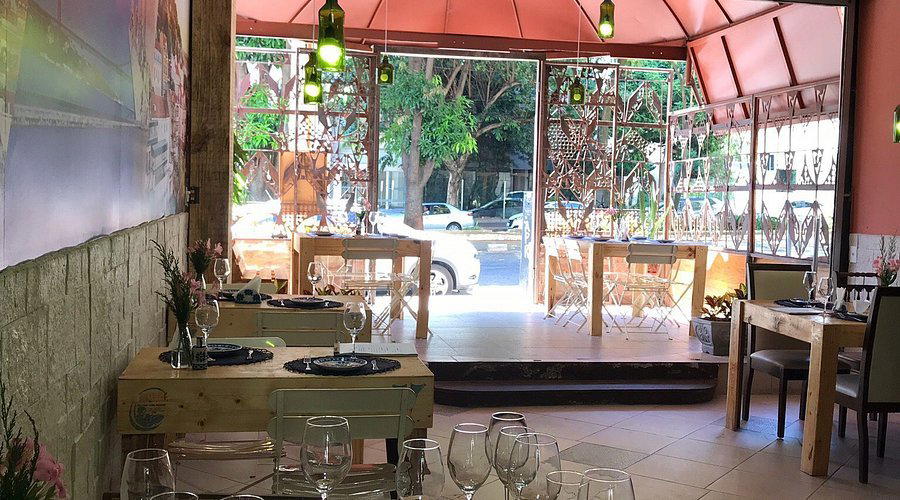
The word taberna carries specific weight. In Lisbon, a tasca or taberna is a neighbourhood institution: low ceilings, long-serving regulars, dishes that have not changed in thirty years because there is no reason to change them. Bacalhau in its many preparations, caldo verde, grilled sardines in season, and strong wine pours by the carafe are the grammar of that format. Whether Taberna Portuguesa in Maringá replicates that format precisely or adapts it to a Brazilian interior context is a distinction that matters. The name sets an expectation, and the address on Avenida Cerro Azul, a commercial artery in Zona 02, suggests a table aimed at the city's everyday dining circuit rather than a special-occasion bracket.
That positioning is not a limitation. Across Brazil's interior, the most durable European-heritage restaurants are the ones that have stayed closest to their source material. The bistro format that works in Bauru, as Bistrô Vila Graziella demonstrates, or the café tradition alive in places like Arte e Café Imperial in Angra dos Reis, share this quality: they do not apologise for their European reference point, and their regulars come precisely because of it.
Maringá's Position in the Paraná Dining Circuit
Within Paraná, Maringá operates as a regional anchor. The city's size and relative affluence support a restaurant scene broader than most Brazilian cities of comparable population might suggest. The Zona 02 address places Taberna Portuguesa in a central, accessible part of the city, consistent with a venue aimed at repeat local custom rather than destination diners arriving from out of state.
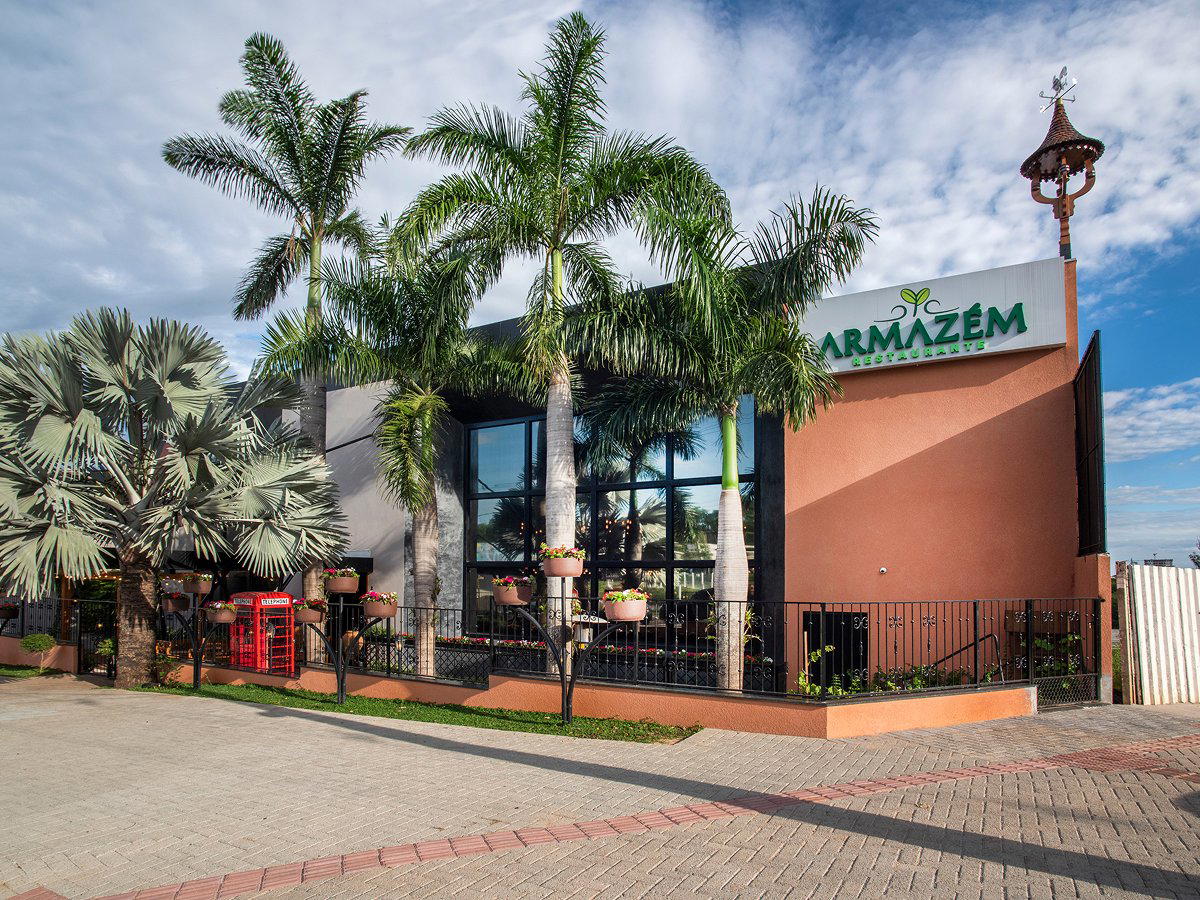
The wider Maringá table, which includes Armazém Restaurante among its more noted addresses, reflects a city that takes its eating seriously without performing that seriousness for an outside audience. That is a specific kind of dining culture, and it tends to produce restaurants with longer lifespans and more consistent kitchens than cities chasing trend recognition. For a full orientation to what Maringá currently offers, our full Maringá restaurants guide maps the city's options in more detail.
For comparison, the European-heritage dining tradition extends across Brazil's south and interior in distinct registers. Bistro Fitz Carraldo in Manaus demonstrates how a European bistro format translates to Amazonian context. Madê in Santos shows the São Paulo coastal variation. Further afield, Casa da Flor in Dourados and Casa da Dika in Bragança illustrate how regional Brazilian cooking absorbs and transforms its European references at the local level.
What to Expect and How to Plan
Confirmed operational details for Taberna Portuguesa, hours, current pricing, booking method, are not available in verified form at time of writing. The Avenida Cerro Azul address in Zona 02, Maringá, PR 87010-000, is the confirmed physical location.
The tavern format, if the name and positioning hold true to type, typically runs at a price point accessible to regular local custom rather than occasion dining. That aligns with how comparable European-heritage tables operate across Brazil's interior cities. For travellers building a broader itinerary across Brazil's dining circuit, the contrast between a regional table like this and the formal tasting-menu formats at Le Bernardin or Atomix illustrates how wide the spectrum of serious eating runs globally. Regionally, the grill-led tradition at Casa da Picanha Penedo in Itatiaia and the pizzeria circuit represented by Famosa Pizza in Ribeirão Preto and Fornazzo Pizzaria in Passo Fundo show how Brazilian interior cities have absorbed and sustained European culinary formats across multiple generations. The Japanese tradition at Kampeki Sushi in Canoas and the American-style grill at Aero Burguer e Grill in Santa Cruz do Sul round out the picture of how Brazil's southern interior has absorbed global dining formats.
For Taberna Portuguesa, the editorial case rests on what the name and location signal rather than on verified awards or documented critical recognition. A Portuguese tavern on a central Maringá avenue, in a city shaped by European settlement, is a plausible and coherent proposition. The details that would confirm or complicate that picture, the menu, the format, the price, require direct verification.
Frequently asked questions
Is Taberna Portuguesa good for families?
Portuguese cooking's emphasis on shared dishes and slow-cooked proteins makes it a format that generally accommodates mixed-age groups well. Taberna Portuguesa sits on Av. Cerro Azul in Maringá's Zona 02, a central and accessible part of the city.
What kind of setting is Taberna Portuguesa?
The name signals a taberna model — historically a Portuguese dining format closer to a neighbourhood eating house than a formal restaurant, prioritising hearth cooking over ceremony. The address on Av. Cerro Azul places it in Zona 02, one of Maringá's more established urban corridors.
Is Taberna Portuguesa one of the few dedicated Portuguese restaurants in Maringá's interior?
Dedicated Portuguese restaurants are scarce across Brazil's interior cities, where Italian, Japanese, and regional Brazilian cooking dominate. Maringá, as Paraná's second-largest city, supports a broader restaurant scene than most inland centres, yet a venue explicitly framing itself around a Portuguese taberna identity remains a narrow category in that market. That specificity of focus — rather than any award or rating on record — is what distinguishes Taberna Portuguesa's position on Av. Cerro Azul.
What's the signature dish at Taberna Portuguesa?
No specific dishes are confirmed in verified records for Taberna Portuguesa. Portuguese cooking in Brazil typically anchors on cod preparations, slow-braised meats, and rice-based dishes inherited from Iberian tradition — the foundational repertoire any taberna-format kitchen would draw from. For current menu specifics, reaching the venue directly is the only reliable route.
Budget Reality Check
Comparable venues nearby, for context on price, style, and recognition.
| Venue | Cuisine | Price | Notes |
|---|---|---|---|
| Taberna PortuguesaThis venue — the venue you are viewing | Authentic Portuguese | Not listed | Not listed |
| Armazém Restaurante | Contemporary Brazilian-Italian | Not listed | Jardim Alamar, Contemporary Brazilian-Italian |
| Mochileiros Casual Restaurant | Casual Brazilian | Not listed | Centro, Casual Brazilian |
| Lobby Café | Campina, Hotel Lobby Café | Not listed | Not listed |
| Arnaldo's Lanches - Arapongas/PR | Brazilian Fast Food | Not listed | Arapongas, Brazilian Fast Food |
| Lobby Café | Brazilian Café | $10–20 | Not listed |
Continue exploring
More in Maringa
Details
- Classic
- Rustic
- Family
- A La Carte
Current opening hours
- Monday
- 11 AM–2 PM, 6:30–10:15 PM
- Tuesday
- 11 AM–2 PM, 6:30–10:15 PM
- Wednesday
- 11 AM–2 PM, 6:30–10:30 PM
- Thursday
- 11 AM–2 PM, 6:30–11 PM
- Friday
- 11 AM–2 PM, 6:30–11 PM
- Saturday
- 11 AM–2:30 PM, 6:30–11 PM
- Sunday
- 11 AM–2:30 PM
Hours can change for holidays and private events. Last verified .
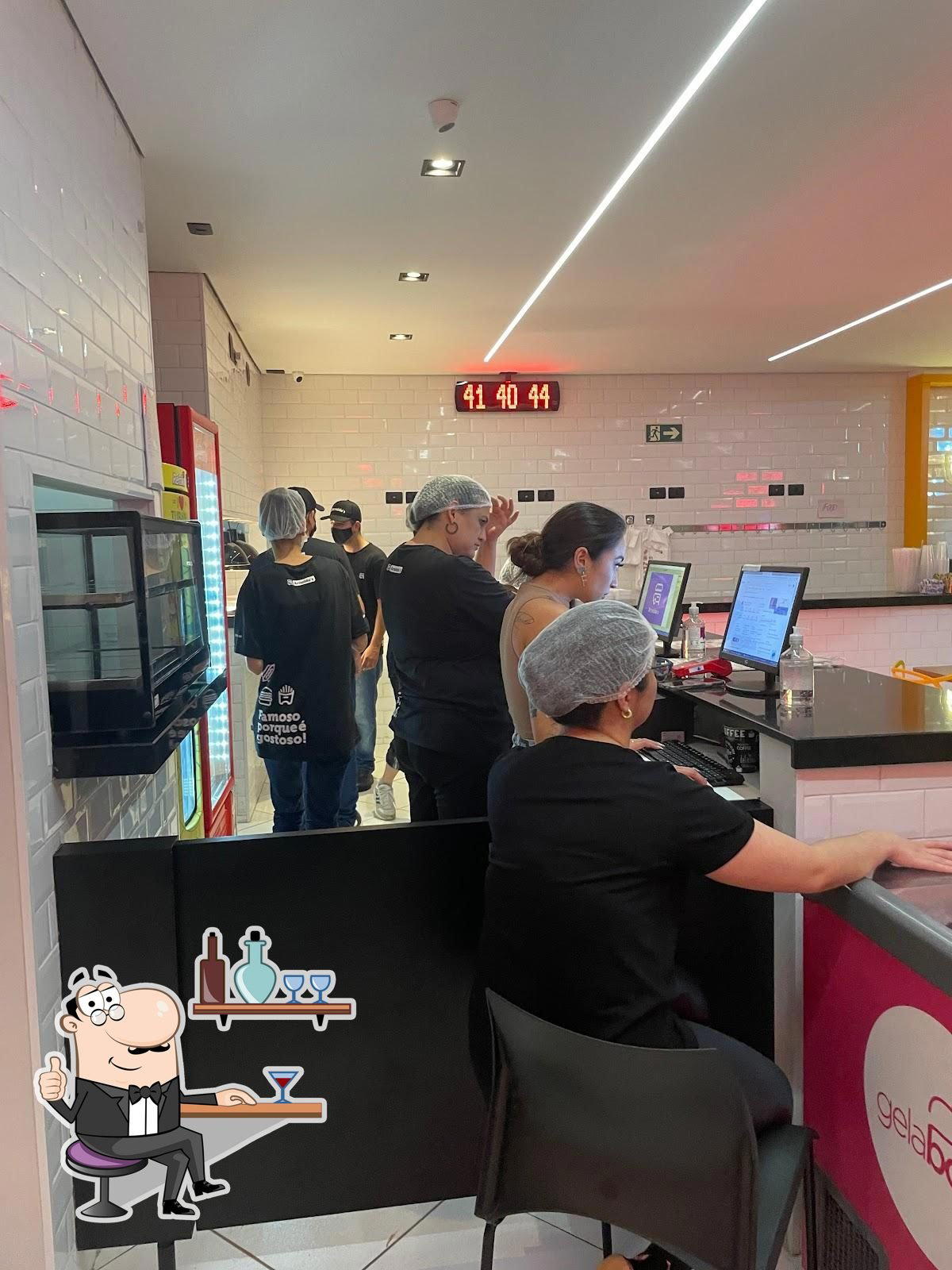
Classic taberna atmosphere with richly tasty traditional dishes and great service.