Our verdict
Apucarana's Japanese dining scene reflects a wider Brazilian pattern: sushi and temaki have moved well beyond coastal capitals and now anchor neighbourhood restaurant culture in mid-sized Paraná cities. Kami Sushi, located on Rua Dr. Oswaldo Cruz in the city centre, operates both a sit-down format and a delivery service, positioning it as one of the more accessible Japanese options in the region.

Pearl is the En Primeur Club membership app — saves, bookings, and concierge access live there. Same editors, same standards.
- Address
- R. Dr. Oswaldo Cruz, 1350 - sala 04 e 05 - Centro, Apucarana - PR, 86800-720, Brazil
- Phone
- +5543999649208
- Hours
- Mon ClosedTue–Sat 5–10 PMSun Closed
- Website
- kamisushi.com.br
- Directions
- Get directions
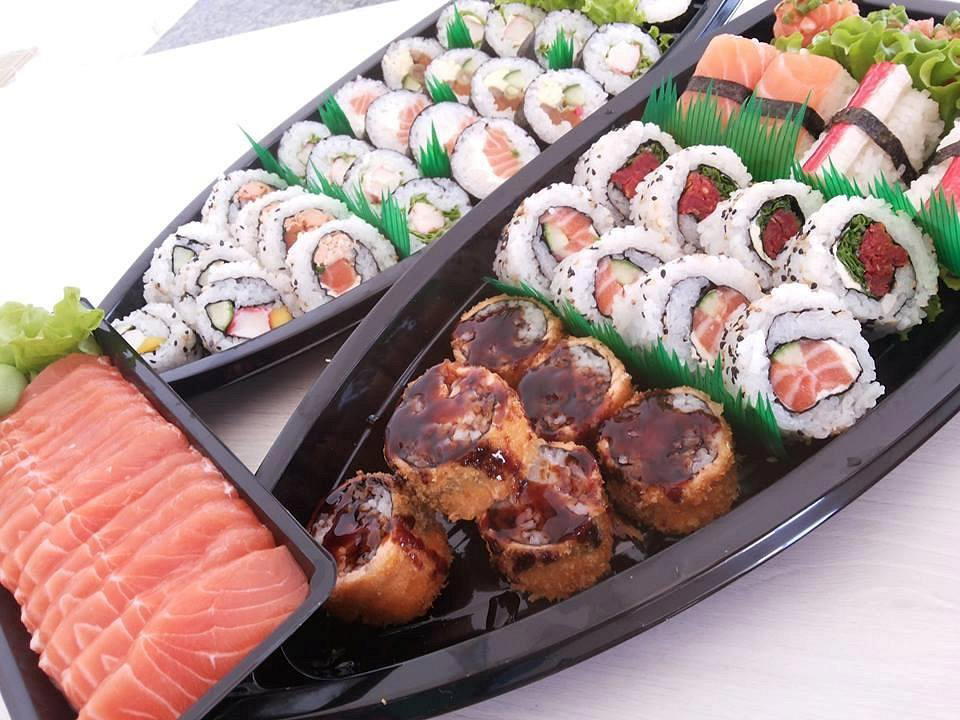
Japanese Food in the Brazilian Interior: How Paraná Built a Sushi Culture
The presence of a dedicated Japanese restaurant in Apucarana, a city of roughly 130,000 people in northern Paraná, is less surprising than it might first appear. Brazil holds the largest Japanese diaspora outside Japan, concentrated heavily in São Paulo state and in the agricultural regions of Paraná. Cities across this corridor developed Japanese culinary traditions that are genuinely local rather than imported novelties. The sushi and temaki format, in particular, spread inland through the late 1990s and 2000s as second and third-generation Japanese-Brazilian families opened neighbourhood restaurants adapted to local tastes and local supply chains. Kami Sushi sits inside that longer arc — a restaurant whose existence is explained more by demographic history than by any recent dining trend.
Understanding where the fish comes from matters here. Apucarana is roughly 400 kilometres from the coast. The seafood supply chain that reaches interior Paraná is a different proposition from what feeds the omakase counters of São Paulo's Itaim Bibi district or the per-kilo sushi buffets of Curitiba. Restaurants at this distance from port cities typically rely on frozen product for salmon and tuna, supplemented by farmed freshwater fish (tilapia, trout) that travel shorter distances. This is not a compromise exclusive to smaller cities — even mid-range Japanese restaurants in São Paulo use frozen imported salmon as standard. The distinction that matters is how kitchen practice handles that supply: whether fish is tempered properly, cut with discipline, and served at a temperature that allows flavour to read clearly. For a restaurant operating both a sit-down room and a delivery model, the sourcing and handling question is particularly pointed, since delivery timelines stress raw fish in ways that a counter service does not.
Kami Sushi's address on Rua Dr. Oswaldo Cruz in the Centro district places it in Apucarana's commercial core. The Centro is the functional heart of most mid-sized Brazilian cities, dense with foot traffic during business hours and quieter in the evenings. A Japanese restaurant in this location is serving a mixed audience: office workers at lunch, families in the early evening, and delivery customers spread across the city. This multiple-format positioning is common across Brazil's interior sushi market, a single-concept sit-down only operation is harder to sustain in a city this size, and the delivery arm both extends revenue and builds name recognition in neighbourhoods the dining room cannot physically reach.
Temaki as a Format: What It Signals About the Menu
The prominence of temaki in the restaurant's name is a useful indicator of menu orientation. Temaki, the hand-rolled cone of nori, rice, and filling, became the dominant entry-level Japanese format in Brazil during the 2000s, particularly in cities outside São Paulo. Its appeal is practical: it is faster to produce than nigiri or maki, travels reasonably well for delivery, and allows kitchens to offer a broad range of fillings without the plating precision that a composed plate requires. In the Brazilian interior, temaki menus typically include both traditional fillings (salmon, tuna, cucumber) and local adaptations (cream cheese, fried shrimp, catupiry) that have become so embedded in Brazilian sushi culture that they are now read as standard rather than fusion. Restaurants like Kampeki Sushi in Canoas demonstrate how this format can be executed with consistency at scale across southern Brazilian cities.
The inclusion of delivery in the name is equally telling. In Brazil, the iFood and WhatsApp delivery ecosystem has restructured how neighbourhood restaurants reach customers, and sushi is one of the format's best-performing categories, it packages neatly, has a clear premium positioning versus pizza or burgers at the same price point, and photographs well for app listings. A restaurant that names its delivery operation in its own title has made a strategic decision about where its volume comes from. This is worth noting when visiting in person: the kitchen is calibrated for throughput across two service modes simultaneously.
Where Kami Sushi Sits in the Apucarana Dining Context
Apucarana does not have the concentrated restaurant culture of Londrina or Maringá, the larger Paraná cities to the south and southwest. Its dining options are neighbourhood-scaled, oriented toward value and accessibility rather than toward the kind of destination dining that pulls visitors from other cities. In this context, a dedicated Japanese restaurant with both a dining room and delivery infrastructure occupies a distinct position. It is not competing against the high-concept Brazilian modern cuisine of places like D.O.M. in São Paulo or the ingredient-focused regional cooking of Lasai in Rio de Janeiro. It is operating in a different register entirely, accessible, practical, serving a community rather than attracting a circuit of food tourists. That register has its own standards, and consistency across both dine-in and delivery formats is the primary measure by which a restaurant at this level earns its position.
For visitors to Apucarana, the city's dining options are worth mapping against what the region does well. Northern Paraná is agricultural territory, soy, coffee, and cattle country, and the strongest local food culture reflects that. Japanese-Brazilian cooking here draws on that agricultural base in ways that are less visible than in coastal cities but no less present. The rice, the soy-derived products, the locally farmed fish: the supply chain for a restaurant like this runs through the same Paraná interior that produces a significant share of Brazil's agricultural exports. Broader regional dining comparisons across Brazil, from Bistro Fitz Carraldo in Manaus to Casa da Flor Restaurante in Dourados, show how varied the country's interior food culture has become. Our full Apucarana restaurants guide maps the broader picture for anyone spending time in the city.
Planning a Visit
Kami Sushi is located at Rua Dr. Oswaldo Cruz, 1350, salas 04 e 05, in the Centro district of Apucarana. Parking in the Centro is available on surrounding streets, and the address is accessible from the main commercial arteries of the city. No website or phone number is available in the public record at time of writing, which suggests that bookings and delivery orders likely route through WhatsApp or one of Brazil's major food delivery platforms. For visitors arriving without a reservation, the lunch period on weekdays is generally the less pressured service in restaurants of this type; weekend evenings tend to run closer to capacity. Delivery customers should factor in the standard caveats that apply to raw-fish delivery anywhere: order timing relative to expected delivery windows matters for quality, and peak hours on delivery platforms extend those windows.
Frequently asked questions
Can I bring kids to Kami Sushi Restaurante Japonês, Temaki e Delivery em Apucarana?
Kami Sushi operates from a commercial sala unit at Rua Dr. Oswaldo Cruz, 1350, in Apucarana's Centro district, a format common in Brazilian neighbourhood Japanese restaurants that generally accommodates families. Temaki-forward menus tend to work well for younger diners given the hand-held format and straightforwardly composed fillings. If you are planning a group visit with children, confirming seating capacity directly with the venue beforehand is advisable, as sala-format spaces in Centro buildings can vary in size.
Is Kami Sushi Restaurante Japonês, Temaki e Delivery em Apucarana formal or casual?
A Japanese restaurant operating from two commercial salas in Apucarana's Centro and offering delivery sits firmly in the casual bracket. The address at Rua Dr. Oswaldo Cruz, 1350 places it in an accessible commercial corridor rather than a fine-dining precinct. Expect counter or table seating without a dress code, consistent with the temaki-and-delivery positioning.
Does Kami Sushi Apucarana offer delivery, and what area does it cover?
Delivery is a core part of Kami Sushi's offer — it appears directly in the restaurant's trading name alongside the dine-in and temaki proposition. The venue is based in Centro, Apucarana (Rua Dr. Oswaldo Cruz, 1350), which positions it centrally within the city for local delivery logistics. For specific delivery zones, minimum order values, or platform availability, contacting the venue or checking local delivery apps for Apucarana is the most reliable route.
What should I eat at Kami Sushi Restaurante Japonês, Temaki e Delivery em Apucarana?
The restaurant's own name foregrounds temaki, making the hand-rolled cone the logical starting point. Temaki is typically ordered fresh to order and eaten immediately, which is why it works both at the table and as a format in Brazilian-Japanese delivery culture, where Paraná's large Nikkei community has long driven demand for the format. Beyond that, the broader Japanese menu likely covers sushi and rolls standard to the interior Paraná market, though specific dishes are best confirmed with the venue directly.
Where exactly is Kami Sushi Restaurante Japonês, Temaki e Delivery em Apucarana?
Kami Sushi Restaurante Japonês, Temaki e Delivery em Apucarana is located at R. Dr. Oswaldo Cruz, 1350 - sala 04 e 05 - Centro, Apucarana - PR, 86800-720, Brazil, Apucarana.
How hard is it to get a table at Kami Sushi Restaurante Japonês, Temaki e Delivery em Apucarana?
Kami Sushi operates across two commercial salas at Rua Dr. Oswaldo Cruz, 1350 in Apucarana, suggesting a modest footprint by city-centre standards. Apucarana has a smaller concentrated dining scene than Londrina or Maringá, so weekend peak times at a popular Japanese spot in Centro may require some patience, but the venue's delivery offering provides an alternative if seating is limited. No advance booking data is publicly documented.
In Context: Similar Options
Comparable venues nearby, for context on price, style, and recognition.
| Venue | Cuisine | Price | Notes |
|---|---|---|---|
| Kami Sushi Restaurante Japonês, Temaki e Delivery em ApucaranaThis venue — the venue you are viewing | Japanese Sushi and Temaki Delivery | Not listed | Not listed |
| Karuby Yakiniku House | Japanese Yakiniku | $20–30 | Centro Historico |
| Maki Sushi | Japanese Sushi Rodízio | Not listed | City Center |
| Mana Poke - Rio Claro | Hawaiian Poke Bowls | Not listed | Cidade Jardim |
| Sorveteria Adorei | Brazilian Ice Cream Parlor | $1–10 | Jardim Aurora |
| Sumida Sushi - Campo Grande MS | Traditional Japanese Sushi | Not listed | City Center |
Continue exploring
More in Apucarana
Details
- Casual Hangout
- A La Carte
Current opening hours
- Monday
- Closed
- Tuesday
- 5–10 PM
- Wednesday
- 5–10 PM
- Thursday
- 5–10 PM
- Friday
- 5–10 PM
- Saturday
- 5–10 PM
- Sunday
- Closed
Hours can change for holidays and private events. Last verified .
Comfortable home delivery experience focused on traditional Japanese cuisine.