Our verdict
THE BEST AÇAÍ - Sarandi serves Brazilian Açaí & Smoothies with counter service at R. José Munhoz, 295 - B - Centro, making it a casual quick bite for breakfast, brunch, or lunch.

Pearl is the En Primeur Club membership app, where members save venues, book tables and use the concierge.
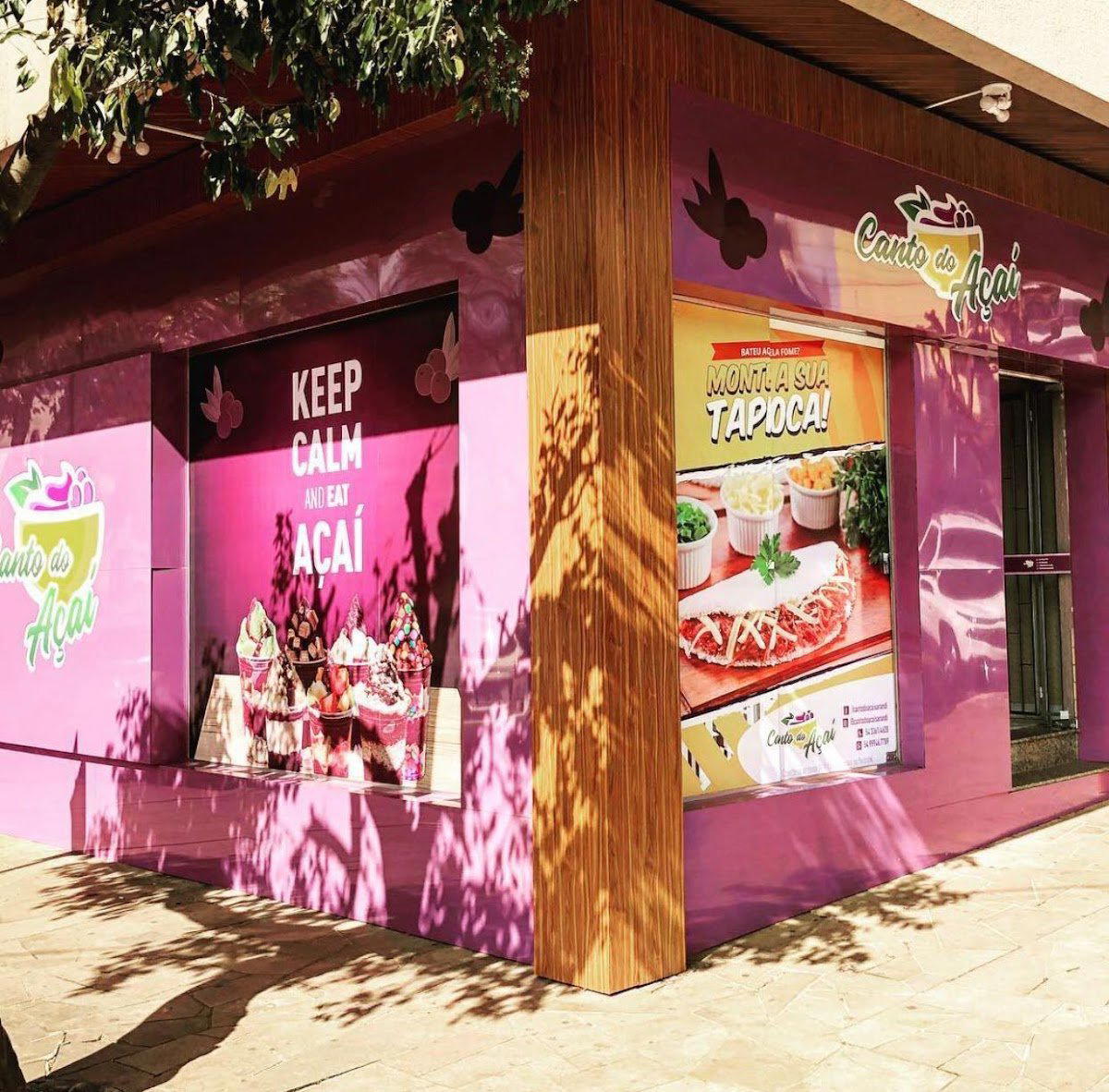
Açaí in the Interior: What Sarandi's Appetite Reveals About Brazil's Most Travelled Fruit
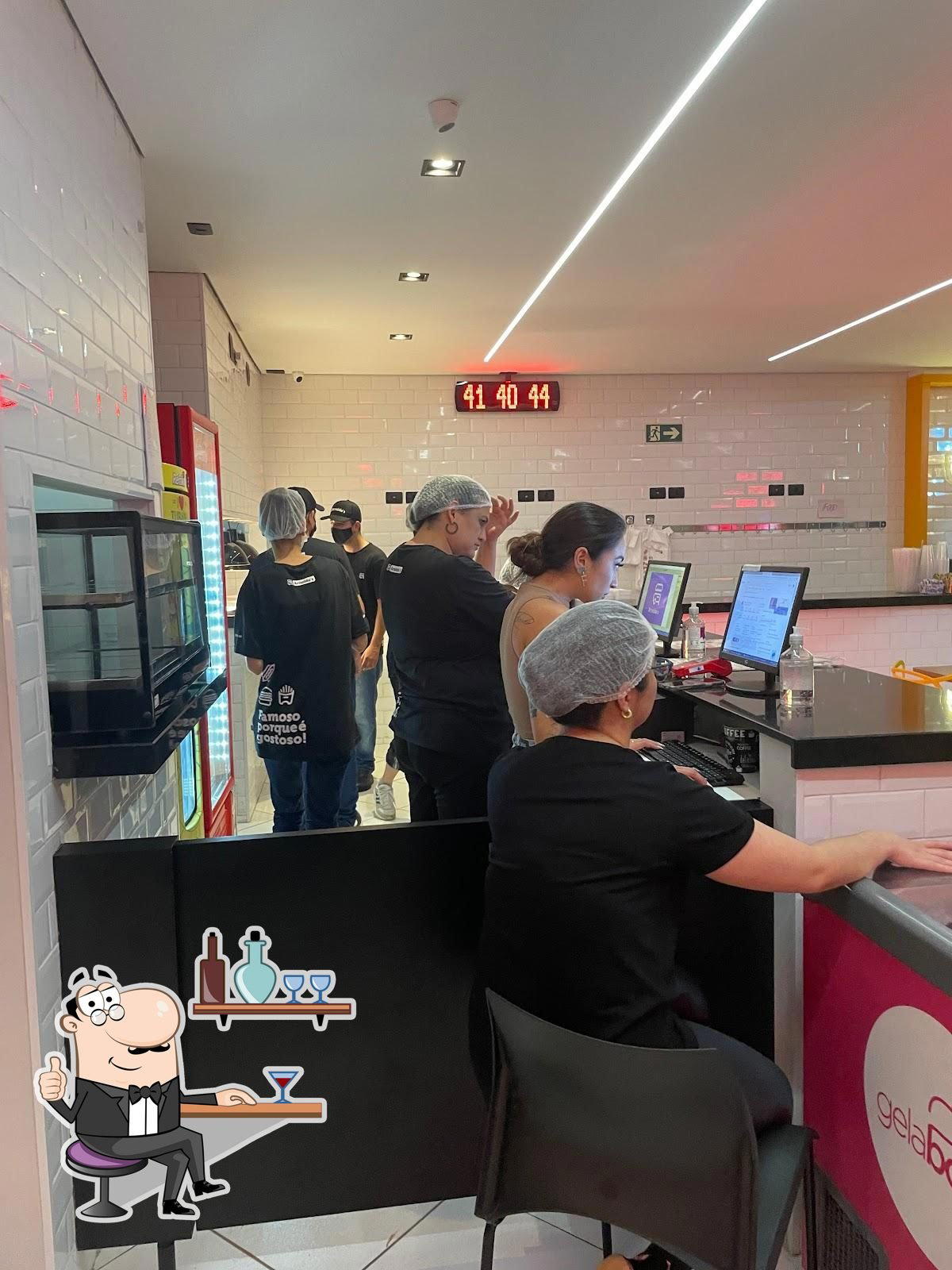
Walk along R. José Munhoz in the centro of Sarandi, Paraná, and the storefront at number 295-B signals something that has become a fixture of Brazilian street-level food culture: an açaí counter operating at the neighbourhood scale, far from the coastal cities where the Amazonian berry first reached mainstream consumption. The physical environment is functional rather than theatrical, this is a category built around throughput, cold product, and a direct relationship between ingredient and bowl rather than tableside presentation or ambient design. In Sarandi, a mid-sized city in the agricultural northwest of Paraná, that format lands differently than it would in São Paulo or Florianópolis. Here the counter occupies a democratic, everyday role rather than a wellness-trend positioning.
The Ingredient at the Centre: Where Açaí Actually Comes From
The editorial angle worth holding onto with any açaí operation, regardless of city or scale, is provenance. The Euterpe oleracea palm, which produces the açaí berry, grows natively in the floodplain forests of the Amazon basin, with Pará state accounting for the dominant share of Brazilian production. By the time the berry reaches a counter in inland Paraná, it has travelled a significant supply chain: harvested within roughly 24 hours of processing due to rapid spoilage, frozen in paste or pulp form, and distributed across the country in a cold chain that has expanded dramatically over the past two decades. The quality of any açaí bowl, wherever you encounter it, is largely a function of that cold chain's integrity and the grade of pulp a given operation sources.
This matters because the category has split into tiers. Operators working with Type A or premium-grade pulp, higher pulp-to-seed ratio, more pronounced anthocyanin content, produce a noticeably earthier, less sweet base than those using lower-grade frozen product cut with cheaper fruit mixes. The customer who learns to read the difference between a bowl built on quality pulp and one built on sweetener-heavy filler is in a better position to evaluate any açaí counter, including counters in smaller interior cities where premium sourcing is less common than in major urban markets. Brazil's açaí consumption has grown from a regional northern staple to a nationwide category worth billions of reais annually, and that scale has compressed quality signals across the market.
The Sarandi Context: Interior Paraná's Food Habits
Sarandi sits within the greater Maringá metropolitan region, one of the more economically active corridors of northern Paraná, built substantially on agribusiness and regional commerce. The food culture in cities of this profile tends to reflect a practical, value-conscious consumer base with strong preferences for familiar formats, churrascaria, pizzaria, lanchonete, and a growing appetite for the health-adjacent food categories that have migrated from southern and southeastern urban centres. Açaí fits that migration pattern almost perfectly: it carries nutritional associations, it is customisable, it is affordable relative to a sit-down meal, and the counter model requires minimal dwell time.
The broader restaurant geography of Brazil ranges from multi-Michelin-contender operations like D.O.M. in São Paulo and Lasai in Rio de Janeiro down to exactly this kind of neighbourhood-level, single-product counter. That range is not a hierarchy of merit so much as a map of different functions. The açaí counter in Sarandi's centro serves a need that a tasting-menu restaurant cannot, and it sits within a wider pattern of accessible, ingredient-focused formats that have become structurally important to how Brazilians eat daily. For comparison points within the interior and smaller-city segment, see also Aero Burguer e Grill in Santa Cruz Do Sul, Cantina Pozzobon in Santa Maria, and Casa da Flor Restaurante in Dourados, all operating in similarly scaled Brazilian cities where food businesses perform a neighbourhood function distinct from destination dining.
How Açaí Counters Actually Differentiate
Within the category, differentiation between açaí operations comes from a relatively short list of variables: pulp grade and sourcing transparency, topping quality and range, texture calibration (the ratio of frozen pulp to liquid, which determines whether the product is served thick enough to hold toppings or slides into a beverage consistency), and the speed and consistency of preparation. Granola sourcing is a secondary signal, operations using fresh-baked or locally produced granola tend to charge slightly more and attract a more engaged customer than those using industrial packaged product. Fresh fruit toppings, particularly banana, strawberry, and locally available seasonal fruits in Paraná, add another layer of quality differentiation.
In smaller interior cities, the competitive set for an açaí counter is primarily other açaí counters and the broader snack and convenience food category rather than restaurant dining. Pricing in this segment is typically accessible, reflecting the democratic positioning of açaí as a category. The markup economics of frozen pulp relative to bowl price mean that margins in the category can be reasonable even at lower absolute price points, which partly explains the density of açaí operations across Brazilian cities of every size. For more on how single-focus food businesses operate across different Brazilian urban contexts, the full Sarandi restaurants guide maps the local field. Elsewhere in Brazil, comparable neighbourhood-scale operations include Famosa Pizza in Ribeirao Preto, Fornazzo Pizzaria in Passo Fundo, and Bistro Fitz Carraldo in Manaus, each anchoring a specific local food habit in their respective cities.
Planning a Visit: What to Know Before You Go
THE LEADING AÇAÍ at R. José Munhoz, 295-B, Centro, Sarandi, PR 87111-240 is accessible by foot from the central commercial district. Arriving between early afternoon and early evening is the most reliable window in comparable operations, though confirming locally before a specific visit is advisable given the absence of published hours. Additional Brazilian food businesses operating on similar neighbourhood-level principles include Madê in Santos, Kampeki Sushi in Canoas, Casa da Dika Restô e Eventos in Braganca, Bistrô Vila Graziella in Bauru, Camarões Potiguar in Natal, Arte e café Imperial in Angra Dos Reis, and Casa da Picanha Penedo in Itatiaia. For those tracking the further end of Brazil's dining spectrum, Le Bernardin in New York and Atomix in New York represent the global tasting-menu tier against which local counter formats sit as a deliberate contrast.
Frequently asked questions
Is THE BEST AÇAÍ - Sarandi suitable for children?
Açaí counters in Brazil are a routine stop for families across age groups, and the format at R. José Munhoz, 295-B in centro Sarandi fits that pattern. The walk-in, counter-service setup has no barriers for younger visitors. No age restrictions or dress requirements apply.
Is THE BEST AÇAÍ - Sarandi formal or casual?
This is a street-level açaí counter in Sarandi's central commercial district, which means the dress code is whatever you wore to run errands. Counter-service açaí operations in interior Paraná are built around quick, casual throughput, no reservations, no formality.
How does an açaí counter in Sarandi differ from what you'd find in a coastal Brazilian city?
Sarandi sits within the greater Maringá metropolitan region of northern Paraná, roughly 1,500 kilometres from the Amazon basin where Euterpe oleracea palms are cultivated, meaning the açaí pulp at counters like R. José Munhoz, 295-B travels the same cold-chain supply routes used across interior Brazil. In coastal cities, açaí culture developed earlier and the topping repertoire tends to be more elaborate; in interior Paraná towns, the format skews simpler and is embedded in everyday commercial-district foot traffic rather than beach or tourism circuits.
What do people recommend at THE BEST AÇAÍ - Sarandi?
José Munhoz. As a category, açaí counters in Brazil typically differentiate on pulp grade, topping selection, and portion size, those variables are worth asking about directly when you visit.
Where is THE BEST AÇAÍ - Sarandi located?
THE BEST AÇAÍ - Sarandi is located at R. José Munhoz, 295 - B - Centro, Sarandi - PR, 87111-240, Brazil, Sarandi.
Can I walk in to THE BEST AÇAÍ - Sarandi?
Yes. THE BEST AÇAÍ at R. José Munhoz, 295-B, Centro, Sarandi PR 87111-240 operates as a walk-in counter with no reservation system. No phone number or website is publicly listed, so arriving in person is the standard approach. The address is accessible on foot from Sarandi's central commercial strip.
How It Stacks Up
| Venue | Cuisine | Price | Awards | Notes |
|---|---|---|---|---|
| THE BEST AÇAÍ - SarandiThis venue (the venue you are viewing) | Brazilian Açaí & Smoothies | $1–10 | Not listed | Not listed |
| D.O.M. | Modern Brazilian Amazonian Fine Dining | $150–200 | 2 Michelin Stars · World's 50 Best #74 | Modern Brazilian, Creative |
| Evvai | Modern Italian-Brazilian Fusion | $200–300 | 3 Michelin Stars · World's 50 Best #68 | Contemporary Italian, Modern Cuisine |
| Lasai | Modern Brazilian Fine Dining | Not listed | 2 Michelin Stars · World's 50 Best #25 | Regional Brazilian, Modern Cuisine |
| Oteque | Modern Seafood Fine Dining | $100–150 | 1 Michelin Star · World's 50 Best #38 | Modern Brazilian, Modern Cuisine |
| Maní | Modern Creative Brazilian | $50–100 | 1 Michelin Star · World's 50 Best #67 | Brazilian - International, Creative |
Continue exploring
More in Sarandi
Details
- Casual
- Trendy
- Casual Hangout
- Solo
- Brunch
- A La Carte
- Smoothies
- Acai Bowls
- Fresh Juices
- Vegetarian Friendly
- Vegan Options