On Dundas Street West, Taberna LX occupies a section of Toronto's dining scene where Iberian traditions meet the city's growing appetite for ingredient-led, low-waste cooking. The format sits closer to a Portuguese tasca than a formal dining room, where the sourcing story is as present on the table as the food itself. For a neighbourhood that rewards specificity, it delivers.
Pearl is the En Primeur Club membership app — saves, bookings, and concierge access live there. Same editors, same standards.
- Address
- 1161 Dundas St W, Toronto, ON M6J 1X3, Canada
- Phone
- +14165166660
- Website
- tabernalx.com
- Directions
- Get directions
 Saves & bookings on Pearl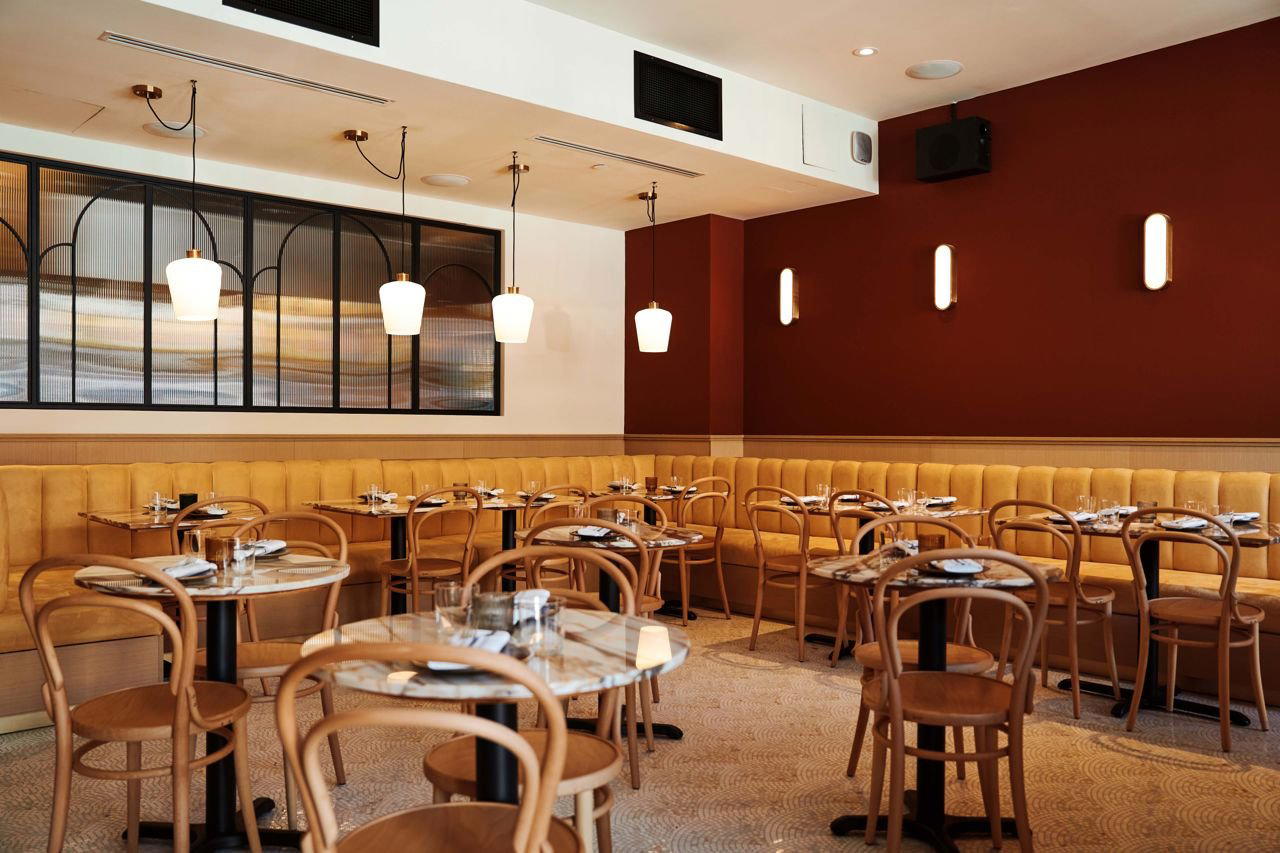
Dundas West and the Iberian Niche
Toronto's Dundas Street West corridor has spent the better part of a decade assembling one of the city's most editorially interesting stretches of independent restaurants. The neighbourhood doesn't trend toward the $$$$ omakase tier occupied by Sushi Masaki Saito or Aburi Hana, nor does it chase the tasting-menu formalism of Alo. What it does well is neighbourhood specificity: rooms that feel rooted in a particular culinary tradition rather than assembled for a broad audience. Taberna LX sits inside that logic. The word tasca describes the format well, a Portuguese tavern register that trades on accessibility, repetition, and the kind of sourcing discipline that becomes visible only when you pay attention.
Portuguese restaurant culture, at its most honest, is not built around elaboration. The tradition leans on quality primary ingredients, preservation techniques developed over centuries (salt cod, chouriço, conservas), and a restraint that resists the impulse to complicate. That sensibility maps naturally onto the sustainability conversation that has restructured how serious independent restaurants in Canadian cities think about their supply chains. Across the country, from Tanière³ in Quebec City to AnnaLena in Vancouver, the restaurants drawing sustained critical attention are those treating ingredient provenance as a structural decision rather than a menu footnote. The tasca model, with its emphasis on whole-animal use, preserved and fermented goods, and minimal-waste preparation, is more aligned with that direction than many formats that wear sustainability more explicitly as branding.
What the Room Signals
1161 Dundas Street West places Taberna LX in a stretch that rewards foot traffic over destination dining. This matters for how the room functions: the audience arrives with neighbourhood familiarity rather than occasion-driven expectations, which tends to produce a more honest interaction between kitchen and guest. Rooms in this register, across cities, typically seat modestly, run without extensive front-of-house ceremony, and allow the food to carry the argument for returning. That dynamic, where the sourcing and preparation do the persuading, is where ethical sourcing commitments become legible to the average diner, not just the critic.
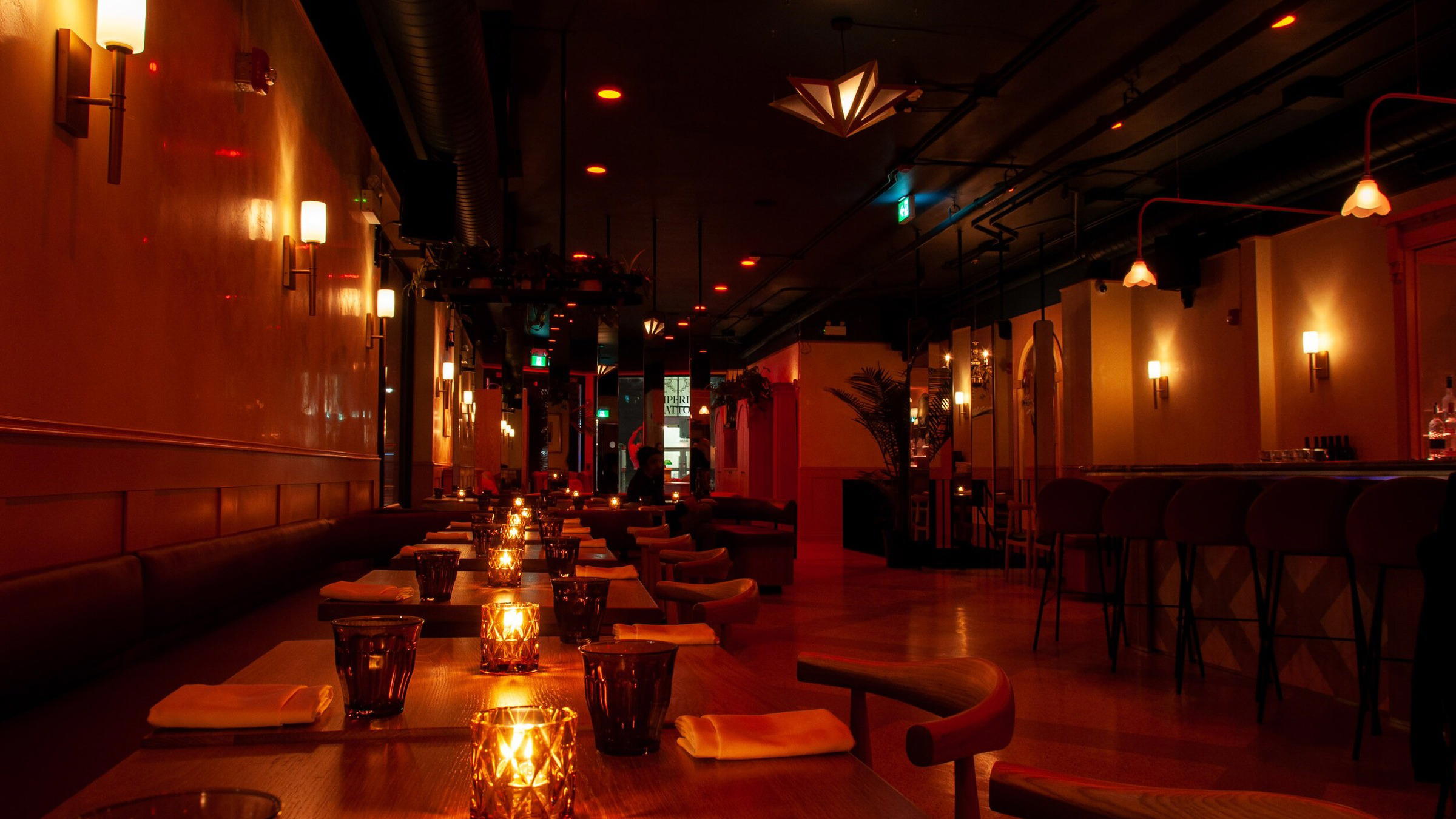
The Iberian tavern interior tradition is worth understanding as a design philosophy. Tiled surfaces, warm light, dense seating, and open kitchens or visible storage of conservas and wines are not aesthetic choices made in isolation. They signal a relationship between production and consumption: the kitchen does not hide its inputs. For a restaurant operating in Toronto's mid-tier independent segment, that transparency is a competitive signal as much as a cultural one. It separates the venue from the Italian-leaning end of the city's European dining scene, where DaNico and Don Alfonso 1890 occupy the formal end of the spectrum, and positions it closer to the accessible-but-serious register.
Sourcing, Preservation, and the Sustainability Argument
The case for Portuguese cooking as a genuinely sustainable tradition is not rhetorical. Salt cod (bacalhau) represents one of the oldest preservation systems in Western culinary history, allowing full use of a catch with minimal spoilage. Conservas culture extends that logic to sardines, mackerel, octopus, and clams, with tin and glass formats that produce near-zero waste at the point of service. Chouriço and other cured meats derive from whole-pig traditions that predate the nose-to-tail vocabulary by several centuries. A kitchen that works within these traditions is, structurally, already operating with a lower-waste footprint than kitchens built around à la carte flexibility and daily-changing menus that generate trim waste.
Across Ontario, the restaurants drawing the sharpest sourcing credentials tend to operate outside the city: Restaurant Pearl Morissette in Lincoln, The Pine in Creemore, and Eigensinn Farm in Singhampton all benefit from proximity to agricultural producers. Urban restaurants have a harder argument to make, which is why format discipline matters more: a kitchen that commits to preserved and fermented proteins, seasonal Canadian produce, and a tight menu rather than a sprawling one makes a more credible sustainability case than a kitchen that gestures toward local sourcing while running an overextended carte. The tasca format, with its natural tendency toward a shorter menu of well-executed staples, gives Taberna LX structural advantages in this regard.
For comparison outside the province, Narval in Rimouski and Jérôme Ferrer - Europea in Montréal demonstrate how Canadian fine dining has moved toward regional sourcing as a primary identity signal rather than a secondary one. The restaurant operates in a different register, but the sourcing logic connects across price tiers.
Planning Your Visit
The restaurant is located at 1161 Dundas Street West in the Dundas West neighbourhood of Toronto. The address is accessible by TTC (the 505 Dundas streetcar stops nearby), and the strip is walkable from Ossington Avenue to the east. For international benchmarks in the sustainable-sourcing conversation, Le Bernardin in New York City and Atomix in New York City represent how sourcing commitments operate at the upper end of the price range. For regional Canadian reference with similar ethical-sourcing emphasis, Aux Anciens Canadiens in Quebec, Barra Fion in Burlington, and Bearspaw Golf Club in Calgary offer points of comparison across different formats and price tiers.
How It Stacks Up
Comparable venues nearby, for context on price, style, and recognition.
| Venue | Cuisine | Price | Notes |
|---|---|---|---|
| Taberna LXThis venue — the venue you are viewing | Modern Portuguese | $$ | Not listed |
| Via Norte Restaurant | Portuguese Seafood | $$ | Palmerston-Little Italy |
| Le Baratin | Classic French Bistro | $$ | Little Portugal |
| Electric Bill | Filipino Snacks & Australian Cocktails | $$ | Christie Pits |
| North of Brooklyn Pizzeria | NYC-Style Thin Crust Pizza | $$ | West Queen West |
| Pizzeria Via Mercanti | Authentic Neapolitan Pizza | $$ | Kensington |
Continue exploring
More in Toronto
Restaurants in Toronto
Browse all →

Bars in Toronto
Browse all →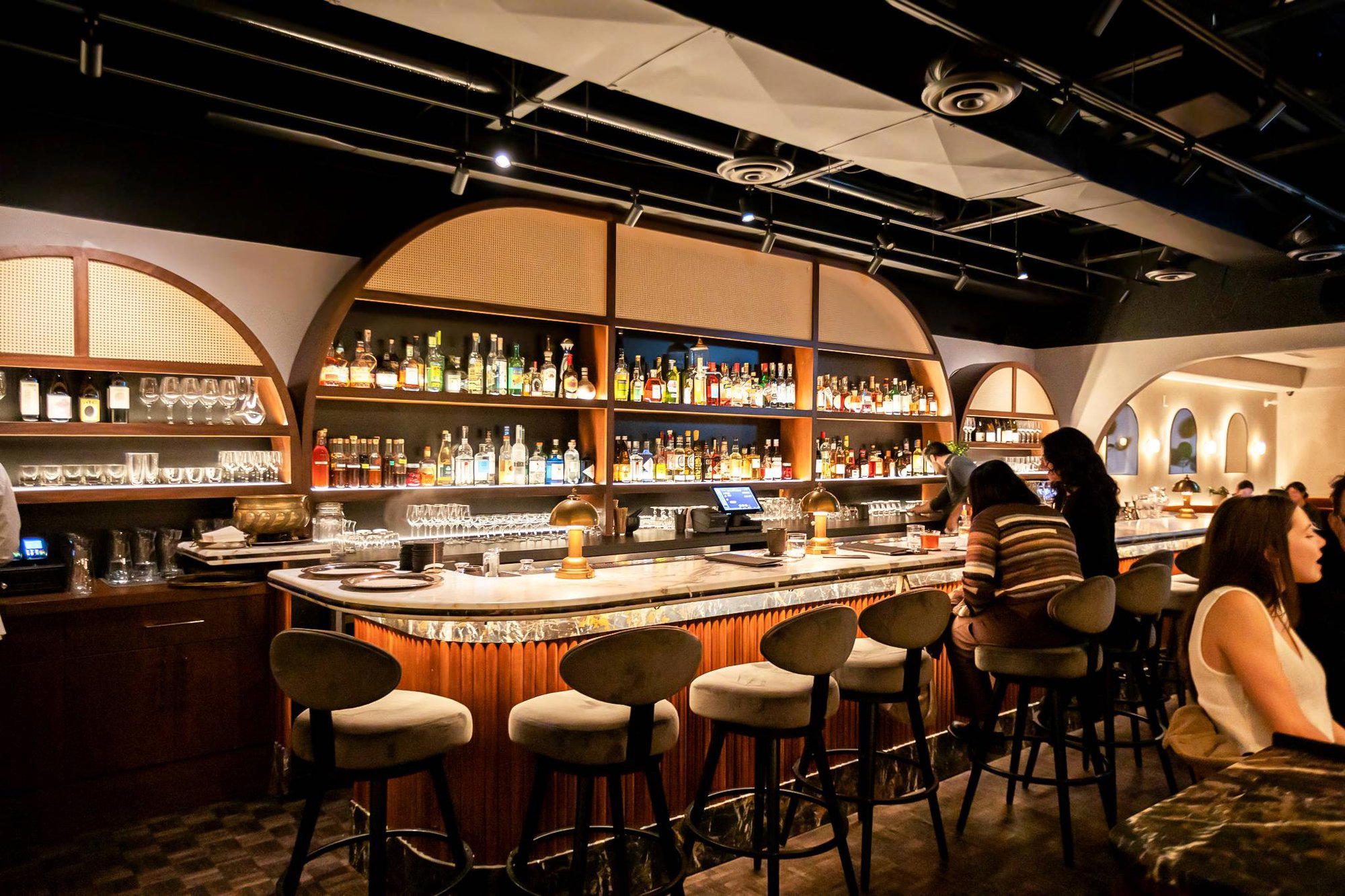

Hotels in Toronto
Browse all →

At a Glance
- Lively
- Cozy
- Elegant
- Rustic
- Date Night
- Group Dining
- Special Occasion
- Open Kitchen
- Extensive Wine List
Current opening hours
- Monday
- Closed
- Tuesday
- Closed
- Wednesday
- 5–10 PM
- Thursday
- 5 PM–12 AM
- Friday
- 12–10 AM, 5 PM–12 AM
- Saturday
- 5 PM–12 AM
- Sunday
- 5–10 PM
Hours can change for holidays and private events. Last verified .
Warm, inviting space with light catching hand-painted tiles, brass accents, ochre banquettes, bentwood chairs, and a deep wine-red wall that feels both new and familiar.