On Dundas Street West, Le Baratin occupies a corner of Toronto's west end dining scene where French bistro tradition and locally sourced ingredients intersect. Positioned differently from the city's trophy-tasting-menu tier, it functions as a neighbourhood anchor, the kind of room where the food does the talking without the ceremony. For a city increasingly defined by high-concept dining, Le Baratin offers a quieter argument.
Pearl is the En Primeur Club membership app — saves, bookings, and concierge access live there. Same editors, same standards.
- Address
- 1600 Dundas St W, Toronto, ON M6K 1T8, Canada
- Phone
- +14165348800
- Website
- lebaratin.ca
- Directions
- Get directions
 Saves & bookings on Pearl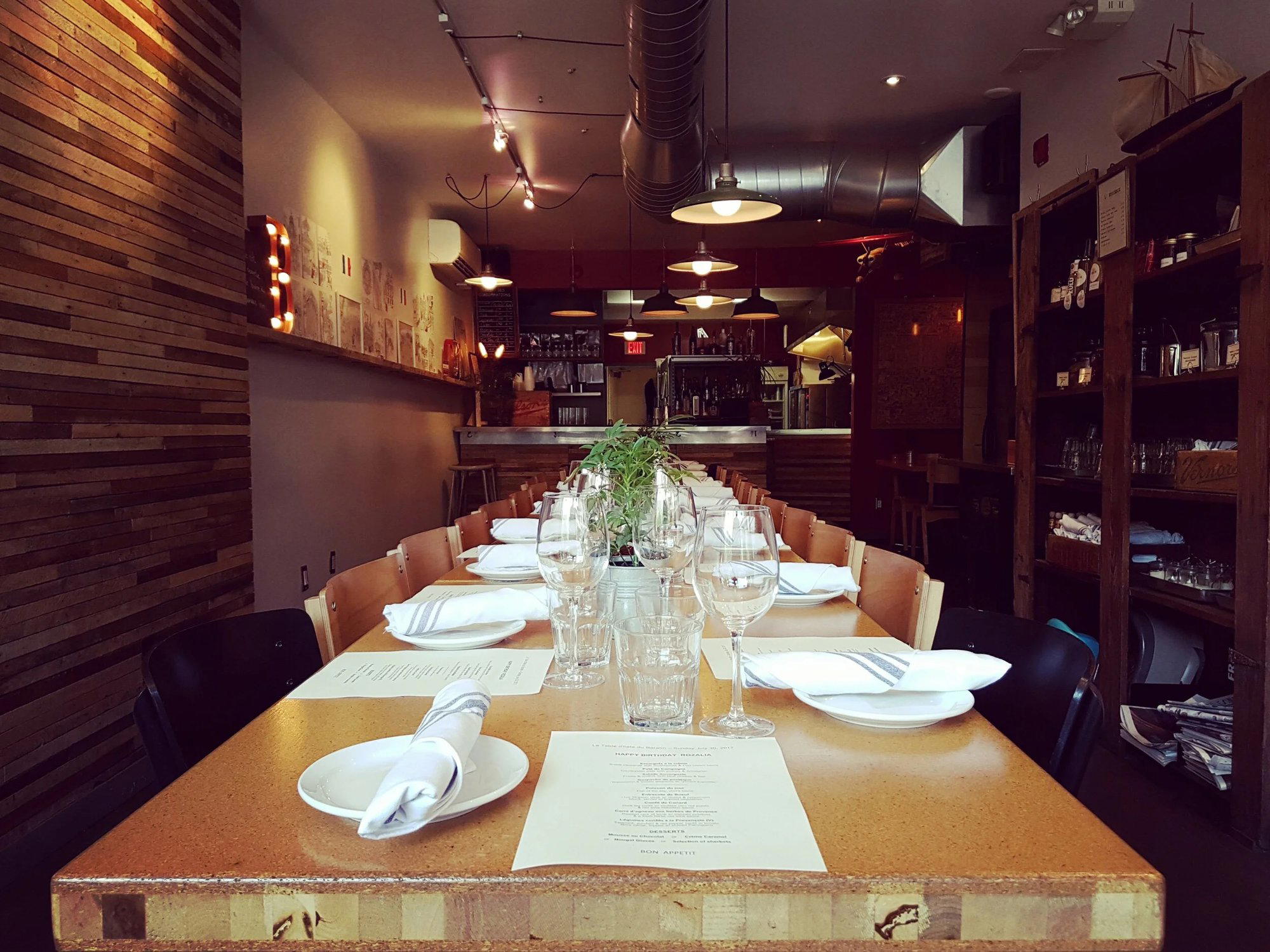
Where Dundas West's Dining Character Finds a French Register
Toronto's west end has developed a dining personality distinct from the downtown core. Along Dundas Street West, the restaurants tend toward specificity over scale: smaller rooms, tighter menus, operators who have chosen neighbourhood permanence over visibility. Le Baratin is a French bistro in Toronto, at 1600 Dundas St W, with a price point around $45 per person. That context matters when reading it, because the French bistro format, at its leading, has always been a neighbourhood format. It rewards proximity. It rewards return visits. And in a city where the conversation about serious dining gravitates toward the $$$$ tasting-menu tier occupied by rooms like Alo, Aburi Hana, and Sushi Masaki Saito, a well-executed bistro occupies a genuinely different role.
The bistro tradition in France was never about spectacle. It was about sourcing something good, cooking it without distortion, and making a room feel like the leading version of familiar. That sensibility, transposed to a Canadian city with access to serious regional producers, has a different texture than it would in Paris, but the underlying discipline is the same.
The Sourcing Argument at the Centre of the Menu
French bistro cooking, when it works at the neighbourhood level, is almost entirely a sourcing argument. The dishes are rarely technically complex. What separates a well-executed steak frites or a properly dressed salade from a forgettable version of the same is the quality of what goes in, and the discipline not to overcomplicate what already works. Toronto's position within the broader Ontario agricultural belt gives kitchens access to serious raw material: market-driven produce, regional proteins, and a growing number of specialty suppliers who have built relationships with independent restaurants rather than large hospitality groups.
At the fine-dining tier, sourcing is often most visible at places like Eigensinn Farm in Singhampton and Restaurant Pearl Morissette in Lincoln. But sourcing discipline doesn't require that scale of commitment to matter. At the bistro level, it simply means asking where things come from and making choices accordingly, and that question, asked consistently, produces measurably different results on the plate.
Quebec's regional cooking tradition also offers a useful comparison. Restaurants like Tanière³ in Quebec City and Narval in Rimouski have built their identities around the specific produce and proteins of the St. Lawrence corridor, a sourcing geography that makes their French-inflected cooking read as genuinely Canadian rather than European in translation. Toronto kitchens working in the French idiom face a version of the same creative question: how do you cook with European technique in a way that registers as specific to where you are?
The West End Room and What It Signals
The physical address on Dundas Street West places Le Baratin in a stretch of the city that has absorbed several waves of restaurant openings without losing its neighbourhood character. The room itself is part of the argument. Bistro spaces in the French tradition are deliberately unpretentious, with close tables and simple surfaces that keep the focus on the meal. That design language communicates something before the food arrives: this is not a room that asks you to perform appreciation. It asks you to eat.
Compared to the formal structure of Italian rooms like DaNico or Don Alfonso 1890, the bistro format operates with less ceremony and lower barriers to repeat visits. That accessibility is not a compromise. In the French tradition, it is the point. The leading bistros in Montreal, and Jérôme Ferrer's Europea represents the more ambitious end of that city's French-register dining, demonstrate that proximity to the guest and seriousness about the cooking are not in tension.
For diners whose Toronto experience is anchored in the west end, Le Baratin functions as the kind of room you return to on a Tuesday, not just a Saturday. That frequency of use is the real test of a neighbourhood restaurant, and it is a harder standard to meet than producing one impressive tasting menu a week.
Where Le Baratin Sits in the Toronto Picture
Toronto's restaurant scene has matured into distinct tiers. At the leading sits a concentrated group of technically ambitious, reservation-driven rooms, the category covered in our full Toronto restaurants guide. Below that, a mid-tier of neighbourhood-anchored restaurants does the city's actual daily work. The restaurant operates in that middle register, in a format, French bistro, that has a long track record of producing durable, genuinely useful dining rooms in cities across North America.
The comparison set for a Toronto bistro is not Le Bernardin in New York City or Atomix. It is closer to the kind of room represented in Ontario's smaller markets by places like The Pine in Creemore or Barra Fion in Burlington, restaurants where the cooking is taken seriously without the apparatus of a destination dining experience. AnnaLena in Vancouver offers a useful west-coast parallel: a room that punches at a serious level without requiring the full tasting-menu infrastructure to do it.
Within that set, the French bistro format carries specific expectations: a tight menu, a short wine list tilted toward France and natural producers, and cooking that expresses technique through restraint rather than elaboration.
Know Before You Go
| Address | 1600 Dundas St W, Toronto, ON M6K 1T8 |
|---|---|
| Neighbourhood | Dundas West, Toronto West End |
| Format | French bistro, neighbourhood dining |
| Price Range | |
| Reservations | |
| Phone / Website |
- La Table d'Hôte du Baratin
- Duck Rillettes
- Magret de Canard
- Coq au Vin
- Lamb Shank
- Mousse au Chocolat
The Quick Read
Comparable venues nearby, for context on price, style, and recognition.
| Venue | Cuisine | Price | Notes |
|---|---|---|---|
| Le BaratinThis venue — the venue you are viewing | Little Portugal, Classic French Bistro | $$ | Not listed |
| Brownes Bistro | Deer Park, Classic French Bistro | $$ | Not listed |
| Sauvignon | The Beaches, French Bistro | $$ | Not listed |
| The Tempered Room | Parkdale, French Pâtisserie | $$ | Not listed |
| Avant Gout | Not listed | $$ | Rosedale, French Bistro with Moroccan Influences |
| Chabrol | Yorkville, Southern French Bistro | $$$ | Not listed |
Continue exploring
More in Toronto
Restaurants in Toronto
Browse all →
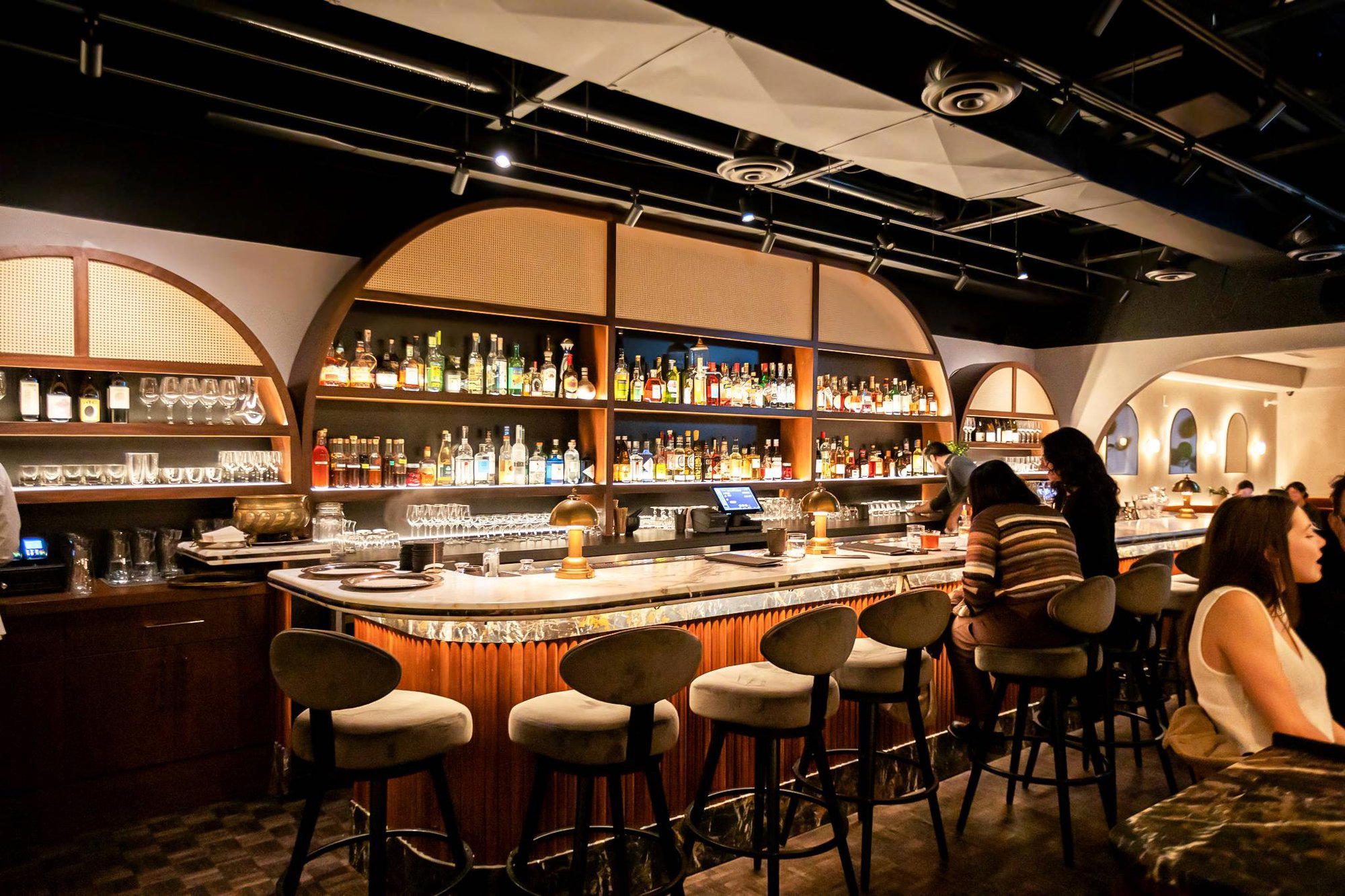
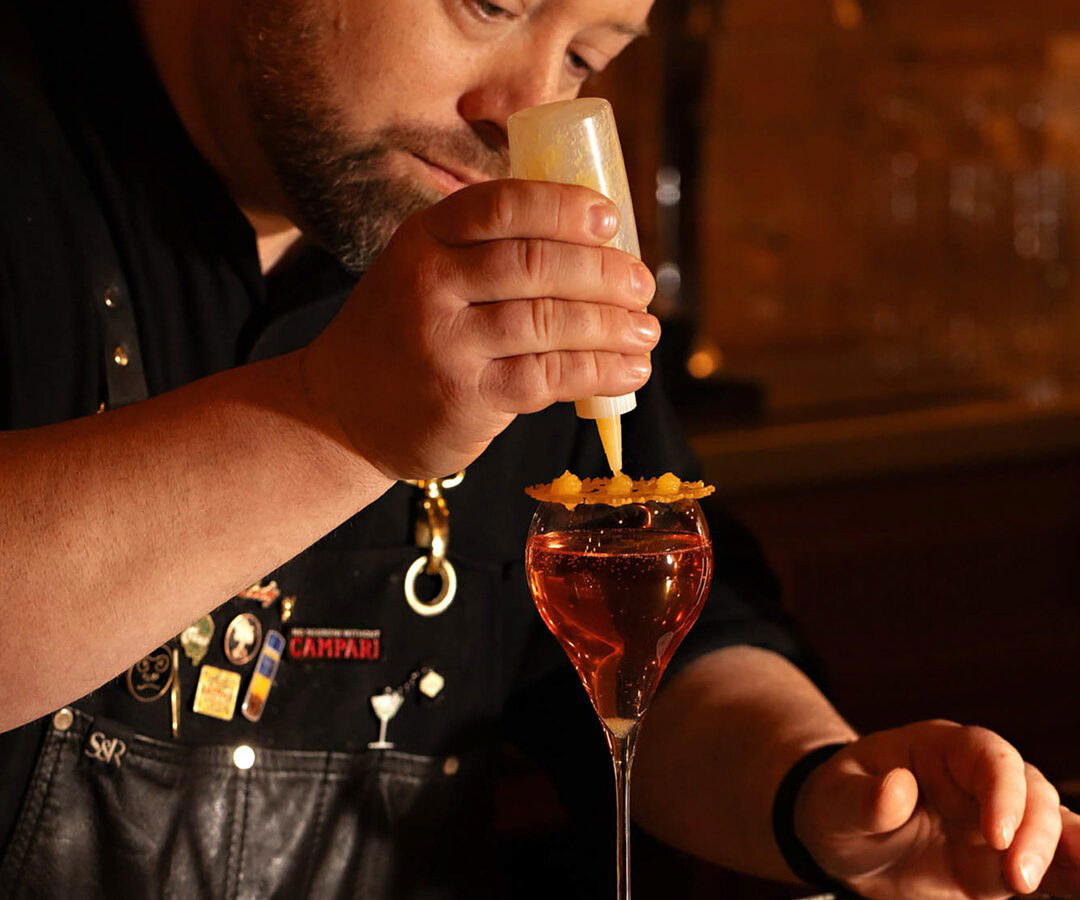
Bars in Toronto
Browse all →
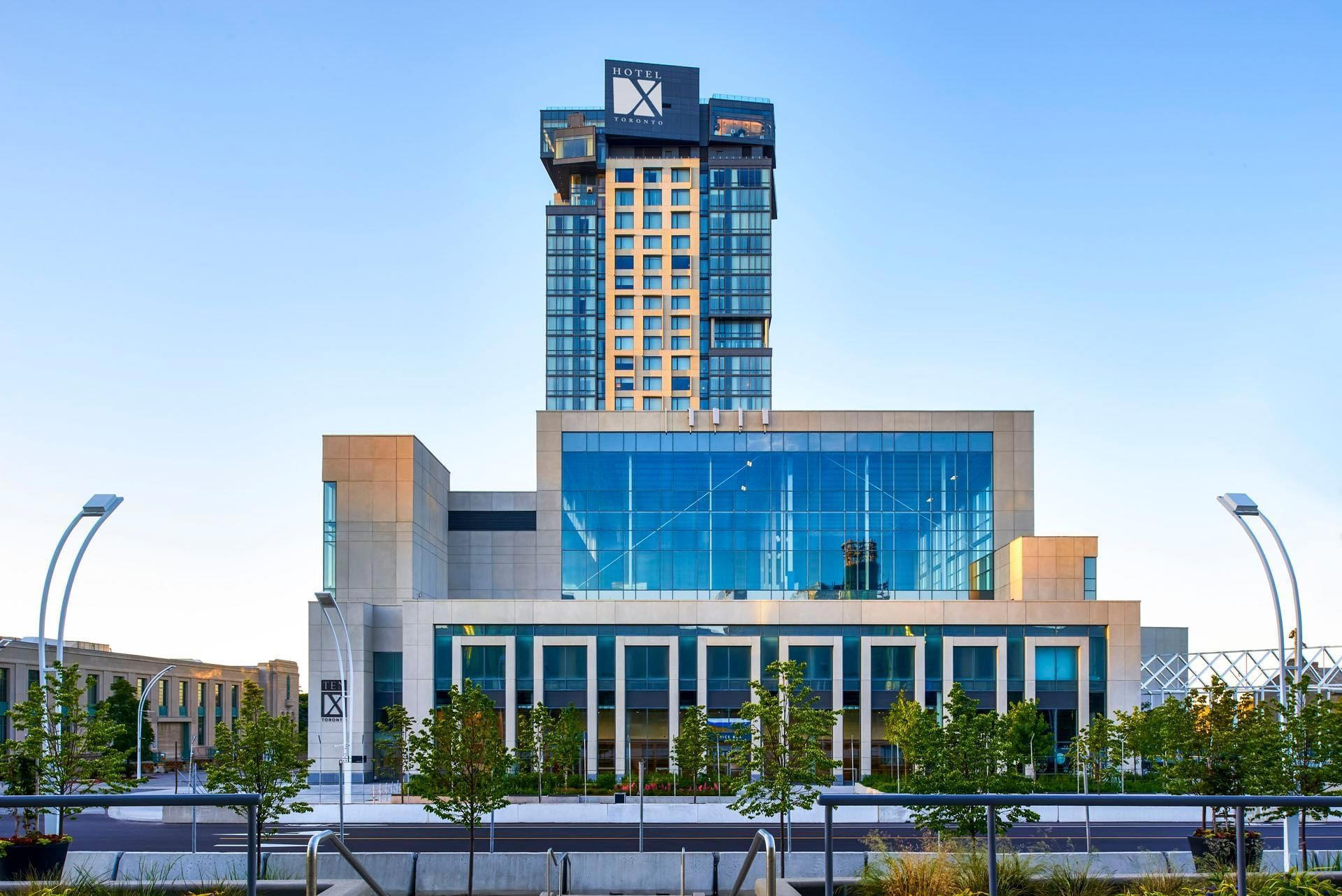
Hotels in Toronto
Browse all →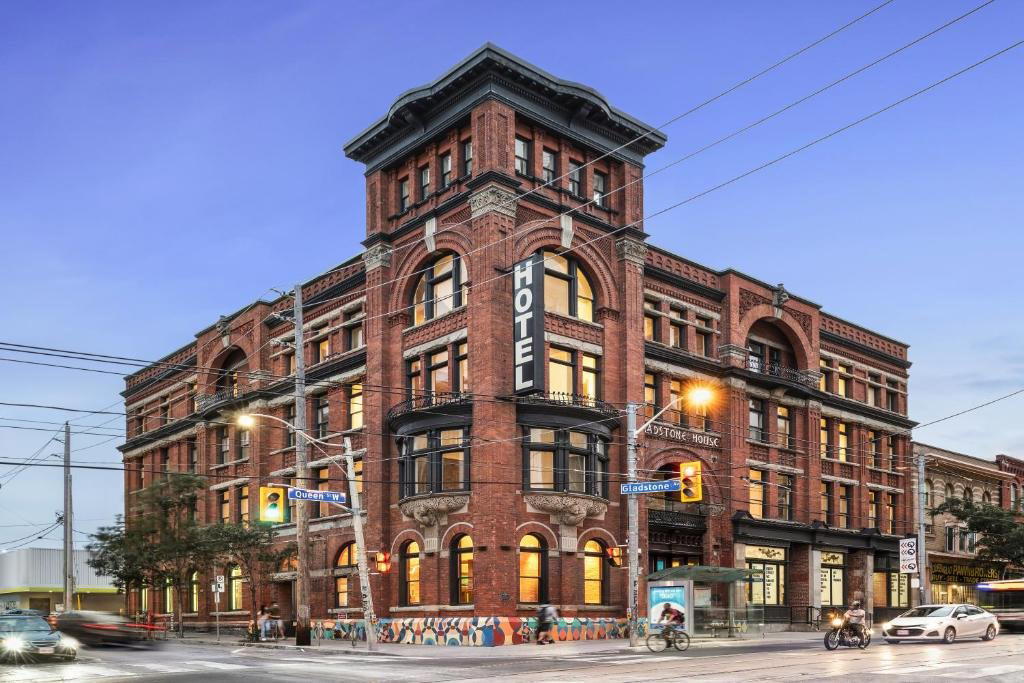

At a Glance
- Romantic
- Cozy
- Classic
- Intimate
- Rustic
- Date Night
- Casual Hangout
- Group Dining
- Open Kitchen
- Standalone
- Extensive Wine List
- Craft Cocktails
- Local Sourcing
Current opening hours
- Monday
- 5:30–9:30 PM
- Tuesday
- 5:30–9:30 PM
- Wednesday
- 5:30–9:30 PM
- Thursday
- 5:30–9:30 PM
- Friday
- 5:30–9:30 PM
- Saturday
- 10 AM–9:30 PM
- Sunday
- 10 AM–9:30 PM
Hours can change for holidays and private events. Last verified .
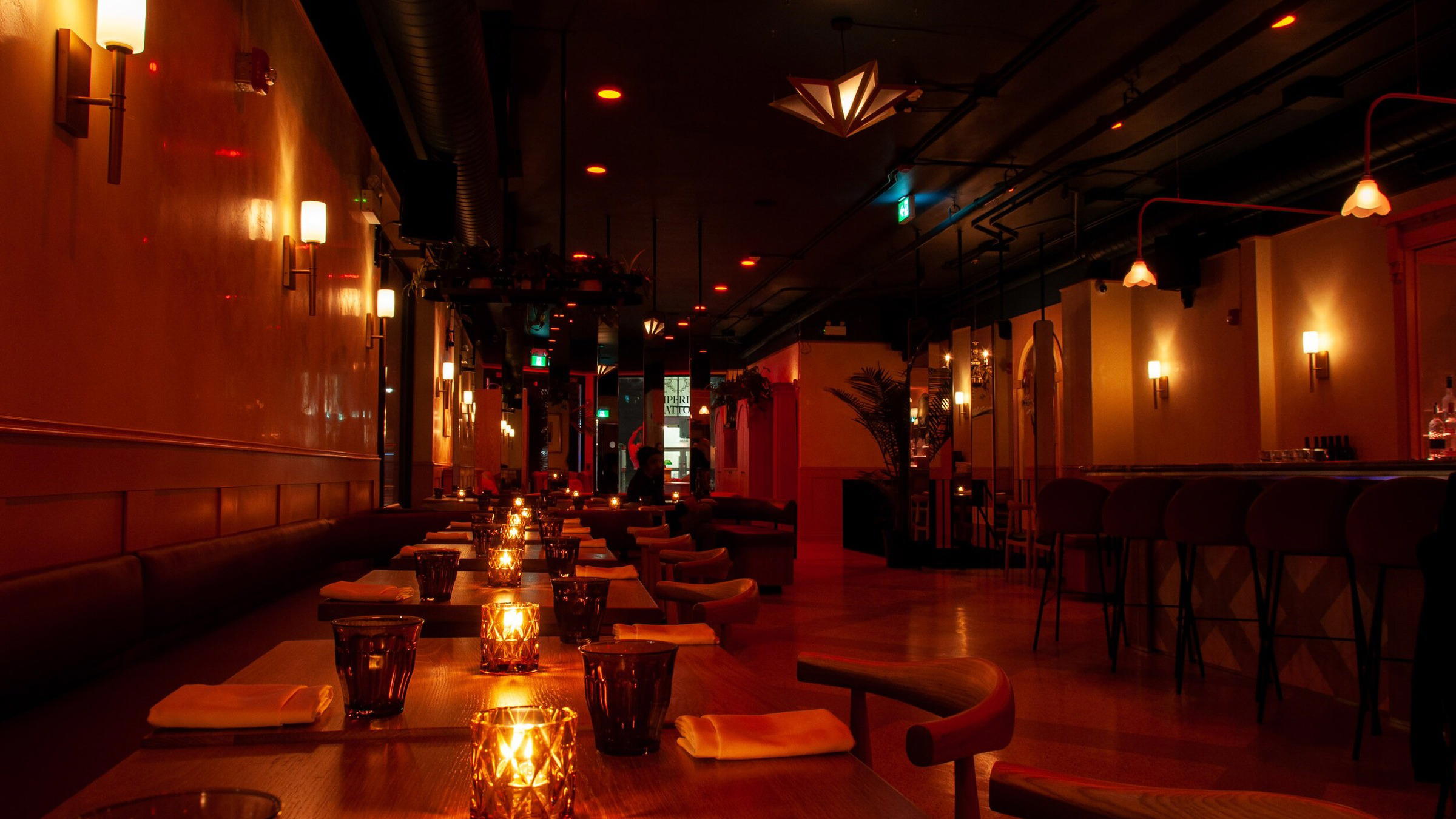
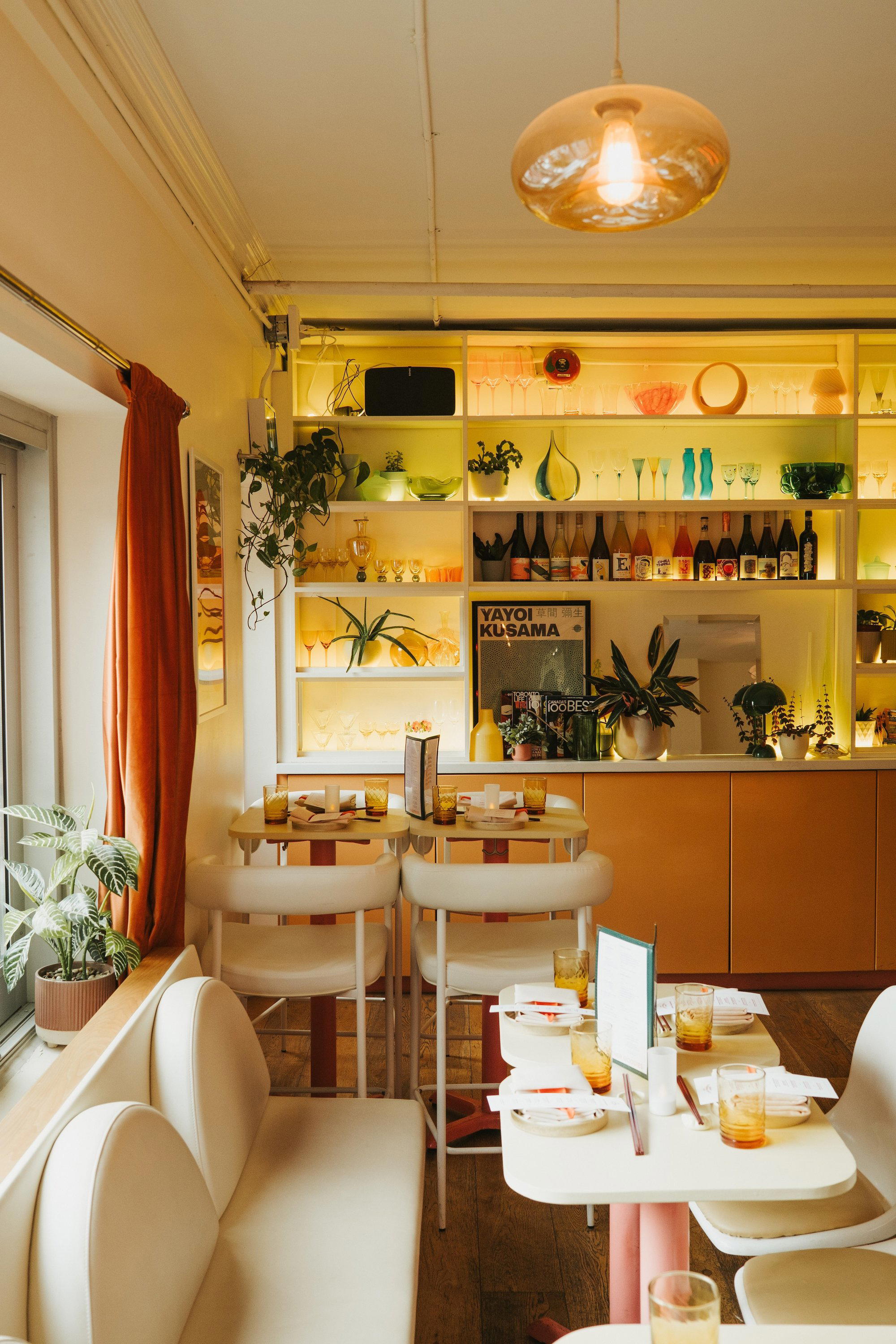
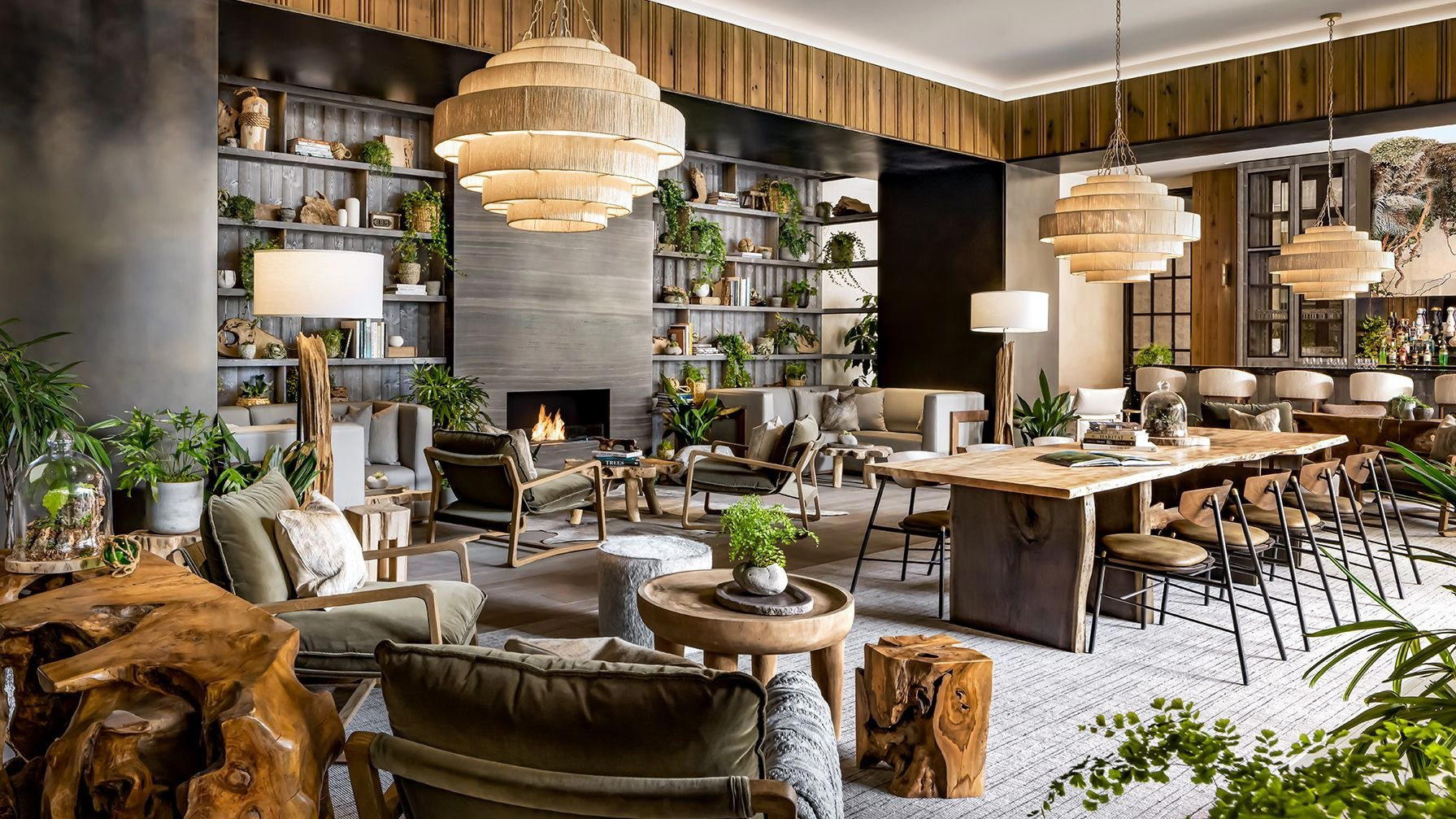
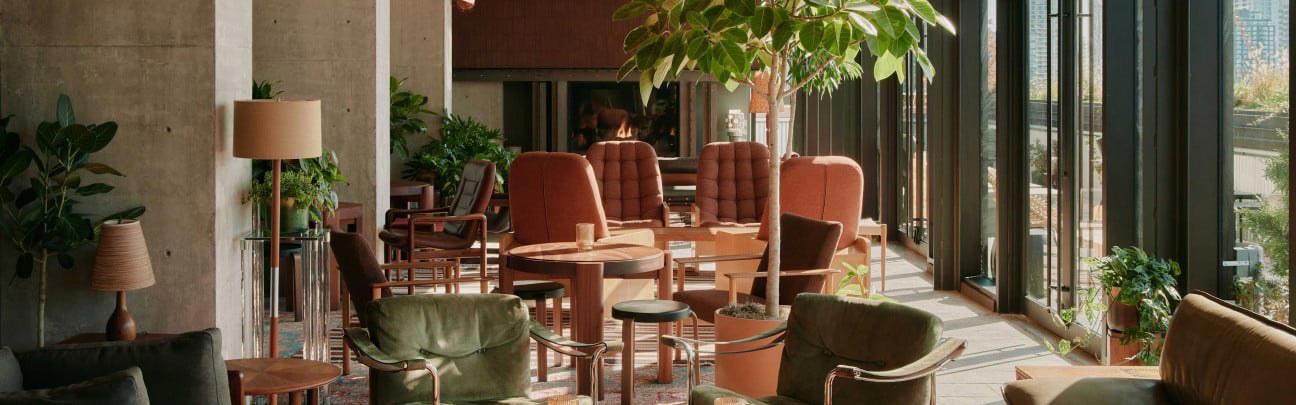
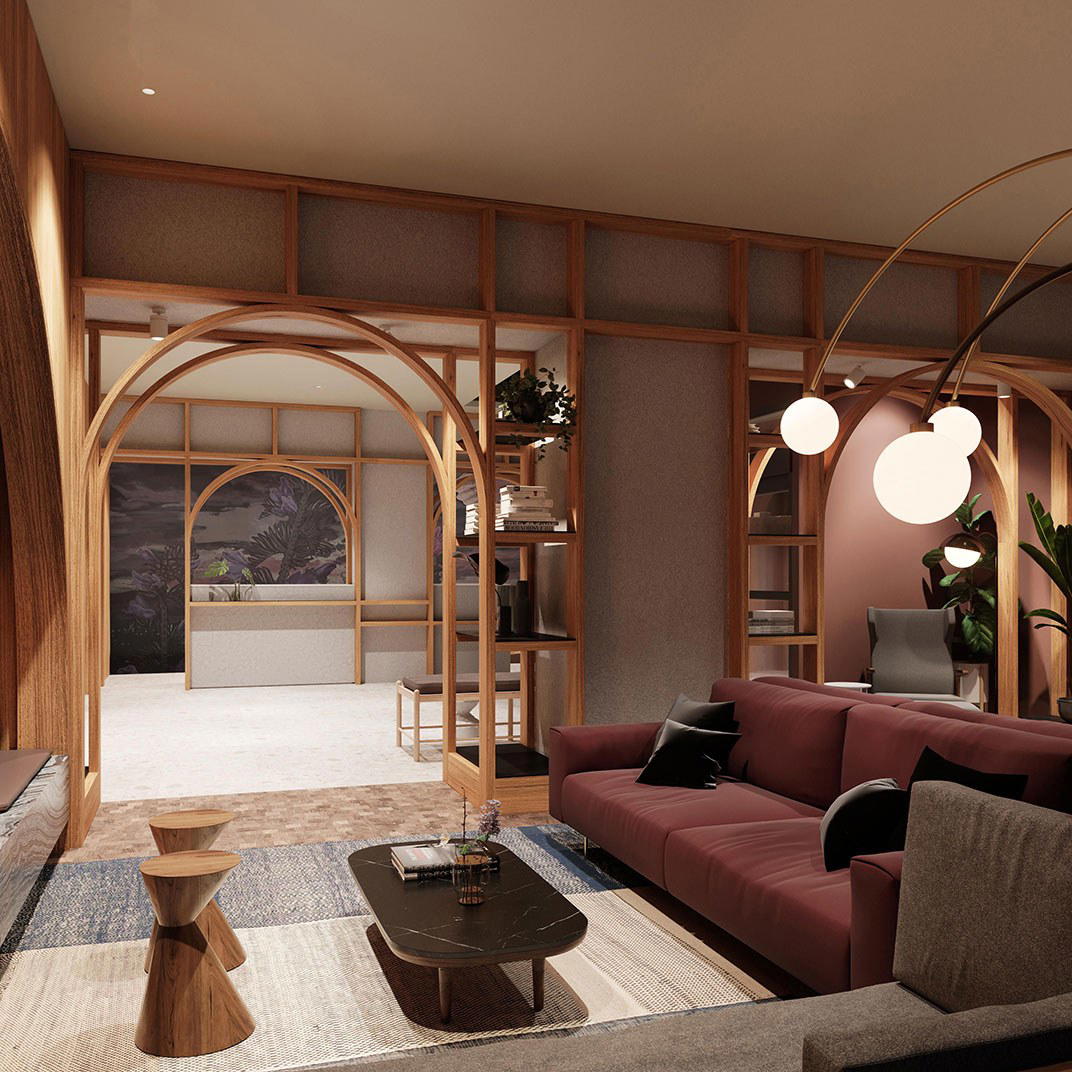
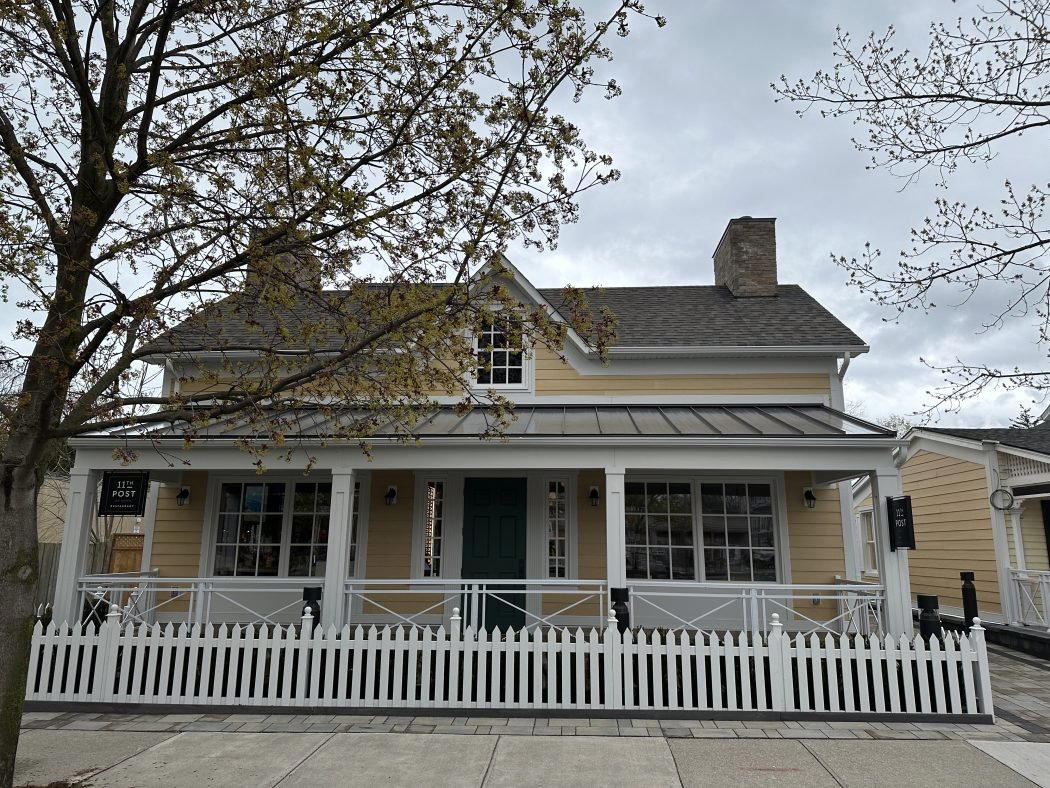
Charming bistro with natural light from large front windows during the day and romantic dim lighting at night; welcoming atmosphere with open kitchen and French rap playing in background.