On Calle José Ortega y Gasset in the heart of Salamanca, Taberna del Olivo occupies a distinct register from Madrid's trophy-dining circuit. The address places it among the neighbourhood's established dining rooms, where traditional Spanish tavern format meets a more considered contemporary approach. For visitors tracking the city's mid-tier dining evolution, it represents a useful reference point in how the taberna model is being quietly renegotiated.
Pearl is the En Primeur Club membership app — saves, bookings, and concierge access live there. Same editors, same standards.
- Address
- C. de José Ortega y Gasset, 98, Salamanca, 28006 Madrid, Spain
- Phone
- +34911636890
- Website
- tabernadelolivo.com
- Directions
- Get directions
 Saves & bookings on Pearl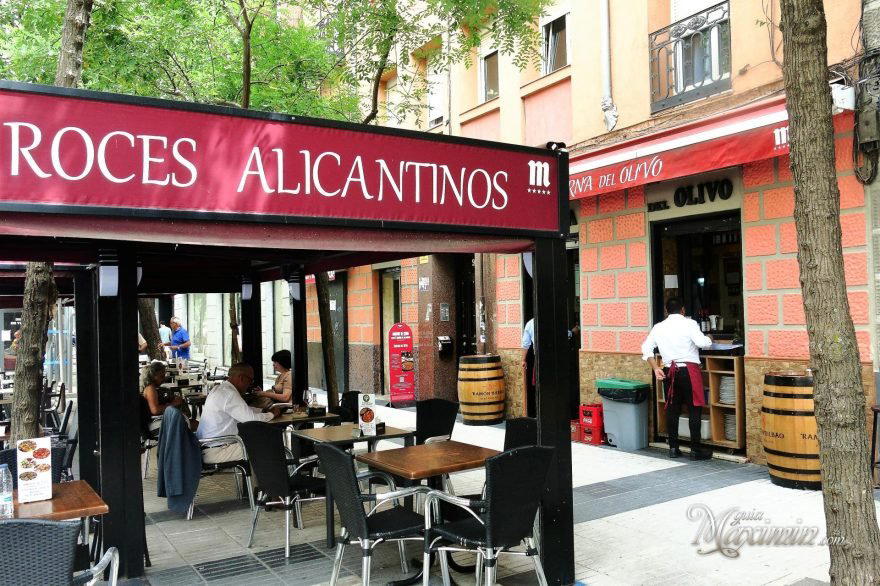
Salamanca's Dining Register and Where the Taberna Fits
Madrid's Salamanca district operates on a different set of expectations than the creative-dining corridors further west. The neighbourhood's restaurants tend toward continuity over spectacle: polished rooms, deep wine lists, Spanish classics executed with care rather than reinvention. Against that backdrop, Calle José Ortega y Gasset has become one of the district's more reliable dining streets, home to establishments that appeal to the residential money of Barrio Salamanca rather than the tourist circuits around the Prado or Retiro.
Taberna del Olivo sits in that address. The taberna format itself carries specific weight in Madrid's dining culture, distinct from the mesón, the gastrobar, or the fine-dining sala. A taberna signals informality with seriousness: generous portions, wine-forward service, dishes rooted in Spanish pantry staples (olive oil, cured meats, seasonal vegetables) rather than architectural plating. Whether any given taberna interprets that tradition conservatively or pushes it toward something more current defines its competitive position, and in Salamanca, that positioning matters.
Madrid's broader dining scene offers a useful frame. At the leading end, restaurants like DiverXO, Coque, Deessa, DSTAgE, and Paco Roncero represent the creative-dining tier where tasting menus, technical precision, and Michelin recognition define the comparable set. Taberna del Olivo is not in that conversation, and should not be evaluated against it. It belongs to a different layer of the city's eating life, one that rewards regulars and rewards familiarity with Spanish table traditions.
The Taberna Format's Long Reinvention
The Spanish taberna has been in quiet evolution for at least two decades. What began as a format synonymous with cheap wine and standing at the bar has bifurcated. One branch stayed close to that origin, neighbourhood joints with no pretension and no ambition beyond feeding people well. The other branch moved toward what might be called the refined taberna: a dining room with proper tablecloths, a considered wine list, and kitchen technique that goes beyond reheating stews. Madrid has seen this bifurcation play out across multiple neighbourhoods, and Salamanca's version tends to run more polished than, say, La Latina's.
Taberna del Olivo's address on Ortega y Gasset places it within the polished branch. The name itself frames the culinary anchor: olive oil, the single ingredient that defines the Spanish kitchen more than any other, present in nearly every preparation from Andalucían fritters to Castilian roasts to Basque pintxos. A venue that foregrounds olive oil in its identity is making a statement about sourcing and craft rather than pure theatre, which aligns with how Salamanca's better dining rooms tend to position themselves.
Across Spain, the taberna format's reinvention has produced some of the country's most interesting mid-tier dining. Cities like Seville, Valencia, and San Sebastián have each developed their own version of the contemporary taberna, and the model that has proven most durable is the one that holds the format's informality while sharpening its kitchen discipline. The broader Spanish fine-dining reference points, from El Celler de Can Roca in Girona to Arzak in San Sebastián to Martin Berasategui in Lasarte-Oria, have each in their own way shown that Spanish dining identity is most compelling when it holds its roots while demanding technical rigour. The mid-tier taberna that understands this lesson is the one worth visiting.
What to Expect from the Experience
What can be said about the taberna format generally, and about Salamanca's iteration specifically, is that the expectation is for Spanish pantry-driven cooking: raciones or half-portions designed for sharing, wine service that leans toward Spanish regions rather than international labels, and a room calibrated for conversation rather than performance. The formality of Salamanca tends to mean white linen and attentive service even at venues that bill themselves as casual.
The Ortega y Gasset corridor attracts a local clientele that dines out regularly and has strong opinions about value. A taberna that survives in this address does so by meeting those expectations consistently rather than by generating external buzz. That is, in many ways, the harder test: sustaining a regular clientele in a residential neighbourhood is more demanding than attracting a one-time tourist audience.
For a wider read on what Madrid's dining scene rewards, the EP Club Madrid restaurants guide maps the full range from tasting-menu counters to neighbourhood essentials. Spain's broader regional dining picture, from Aponiente in El Puerto de Santa María to Azurmendi in Larrabetzu to Quique Dacosta in Dénia to Mugaritz in Errenteria to Cocina Hermanos Torres in Barcelona to Ricard Camarena in València to Atrio in Cáceres, provides context for understanding where any individual Madrid taberna sits within the national conversation.
For international reference, the contrast with destinations like Le Bernardin in New York City or Atomix in New York City illustrates how differently two major cities organise their mid-tier dining expectations: New York tends toward formal tasting formats even at mid-price points, while Madrid's equivalent register is almost always more relaxed and portion-generous.
Planning Your Visit
The restaurant is located at Calle de José Ortega y Gasset, 98, in the Salamanca district, 28006 Madrid. The address is well-served by metro (line 6, Diego de León station is within easy walking distance) and sits in a residential-commercial stretch that is manageable on foot from the district's main shopping and hotel corridor.
A Tight Comparison
Comparable venues nearby, for context on price, style, and recognition.
| Venue | Cuisine | Price | Notes |
|---|---|---|---|
| Taberna del OlivoThis venue — the venue you are viewing | Not listed | $$ | Not listed |
| Maracca | Rios Rosas, Modern Spanish Tapas | $$ | Not listed |
| Lateral Milaneses | Not listed | $$ | Palacio, Modern Spanish Tapas & European Gastrobar |
| Restaurante El Ducado | Palacio, Traditional Spanish Tapas | $$ | Not listed |
| EL KIOSKO I Valdebebas | Not listed | $$ | Valdebebas, Traditional Spanish Tapas & Mediterranean Small Plates |
| La Flaca | Castellana, Traditional Spanish Tapas | $$ | Not listed |
Continue exploring
More in Madrid
Restaurants in Madrid
Browse all →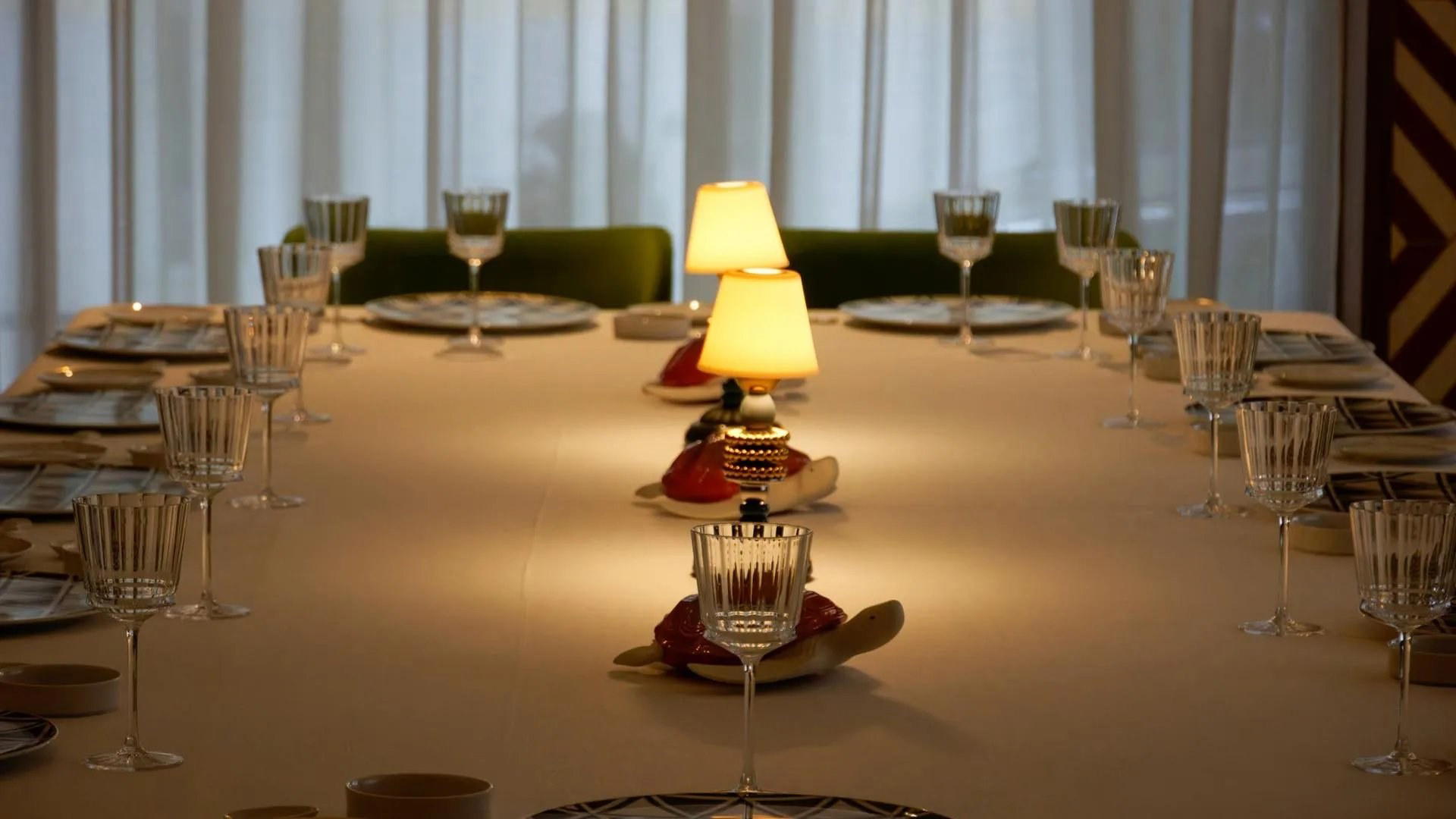
Bars in Madrid
Browse all →
Hotels in Madrid
Browse all →


At a Glance
- Rustic
- Cozy
- Classic
- Casual Hangout
- Group Dining
- Local Sourcing
Current opening hours
- Monday
- 12 PM–12 AM
- Tuesday
- 12 PM–12 AM
- Wednesday
- 12 PM–12 AM
- Thursday
- 12 PM–12 AM
- Friday
- 12 PM–12 AM
- Saturday
- 12 PM–12 AM
- Sunday
- 12–6 PM
Hours can change for holidays and private events. Last verified .
Cozy and authentic atmosphere with friendly service, evoking traditional Spanish taberna charm.