


A Michelin Plate bistro in Shibuya's Daikanyama-adjacent Sarugakucho, Äta runs a French-inflected seafood program where the produce does the talking. The bouillabaisse is the anchor dish, built on layered seafood stock and served with enough leftover broth to finish as a makeshift risotto with rice. Opinionated About Dining has ranked it among Japan's top restaurants for three consecutive years, placing it in consistent company well above its price tier.
Pearl is the En Primeur Club membership app — saves, bookings, and concierge access live there. Same editors, same standards.
- Address
- 2-5 Sarugakucho, Shibuya, Tokyo 150-0033, Japan
- Phone
- +81 3-6809-0965
- Website
- ata1789.com
- Directions
- Get directions
 Saves & bookings on Pearl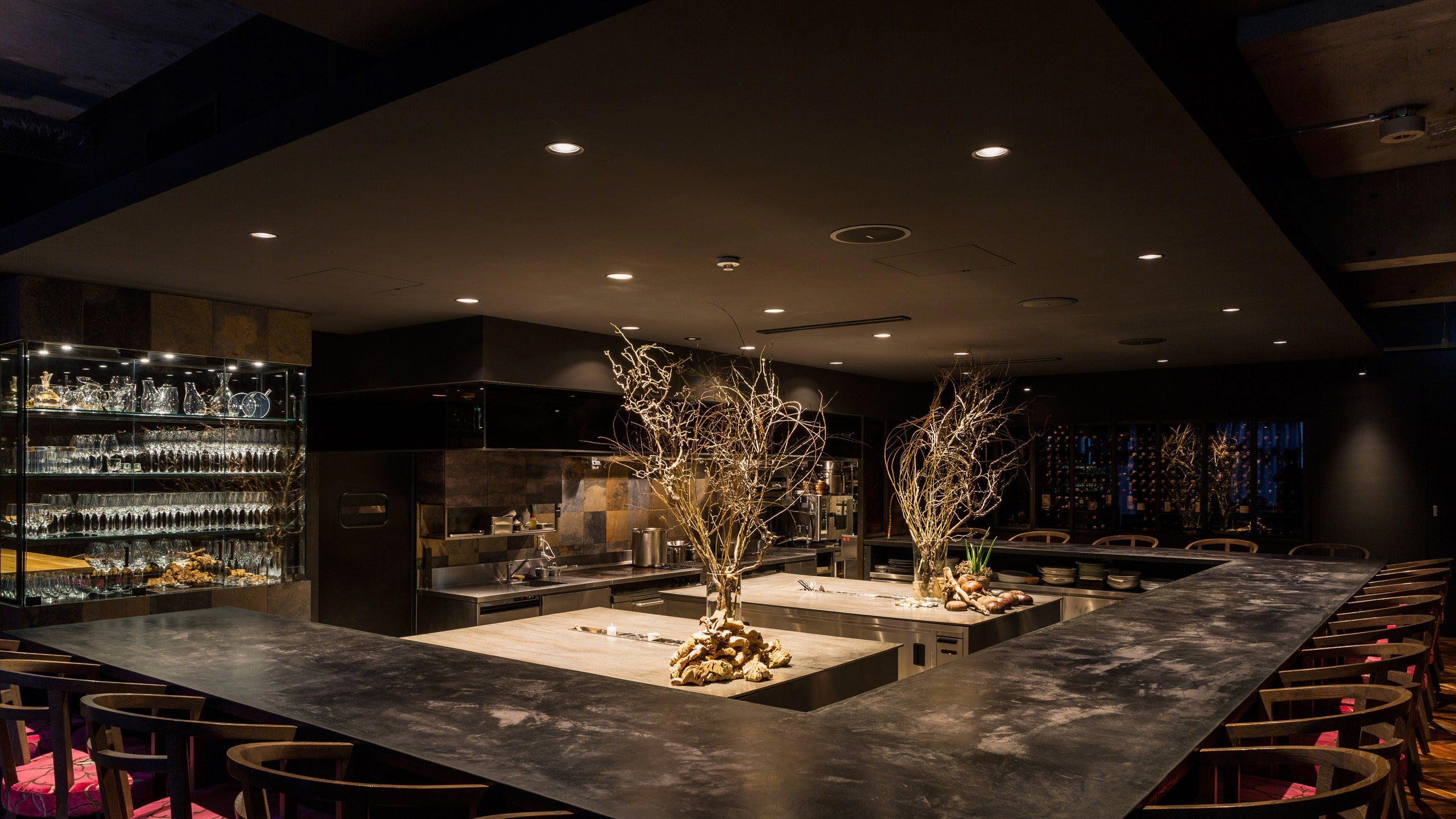
Sarugakucho at Night: The Street That Earns French Bistros Their Credibility in Tokyo
Äta is a French Seafood Bistro in Shibuya, Tokyo, at 2-5 Sarugakucho, priced at about US$95 per person. Shibuya's Sarugakucho sits at one of Tokyo's more quietly considered intersections of neighbourhood character and culinary intent. The street is close enough to Daikanyama to inherit its low-key residential calm, yet independent enough in its commercial identity that restaurants here tend to attract regulars rather than crowds. It is the kind of address where a bistro can afford to be specific: small menu, clear sourcing logic, consistent format, open until 2 am six nights a week. Äta occupies that position in Sarugakucho with a French program that prioritises seafood provenance over ambition signalling.
Tokyo's French dining tier splits sharply. At one end sit the formal multi-course houses: L'Effervescence, Sézanne, ESqUISSE, and Florilège among them, all operating at ¥¥¥¥ with tasting formats and Michelin star recognition. At the other end, a smaller tier of bistros works with French technique applied to whatever the market produces, in rooms that open late and keep tickets within reach. Äta sits in that second category, priced at ¥¥ and structured around the logic of a neighbourhood bistro that happens to have serious cooking credentials behind it. For the traveller cross-referencing it against the grand-table circuit anchored by Château Restaurant Joël Robuchon, the comparison is beside the point: Äta is doing something structurally different.
Seafood as the Main Argument
French cooking in Japan has a particular relationship with seafood that differs from the Continental source tradition. Japanese fish markets, particularly the secondary suppliers that stock restaurants outside the leading omakase tier, still deliver quality that European kitchens would consider notable. The result, in bistros like Äta, is French technique applied to ingredients with strong regional identity, less about replicating a Marseille bouillabaisse, more about asking what a bouillabaisse means when built from fish sourced at Tokyo's edge.
The menu at Äta centres on that question. The opening course is a seafood charcuterie plate: squid and mussels dressed in aioli, finely minced raw horse mackerel, and dried chub mackerel. These are not decorative amuse-bouches. The charcuterie framing applied to seafood is a deliberate technique signal, curing, aging, and fat emulsification borrowed from land-based traditions and applied to ocean produce. It establishes, early, that the kitchen understands French method rather than merely using French labels.
The bouillabaisse is the dish the room returns for. Rich seafood stock, built with the depth that comes from long reduction and layered shellfish bases, arrives as the main event. What distinguishes the format here is the house practice of finishing the leftover soup with rice, a loosely risotto-adjacent move that treats the broth as too valuable to leave in the bowl. It is a practical, unsentimental approach to a dish that restaurants elsewhere often perform rather than cook. The meat dishes on the menu function as supporting options for tables that want balance, but the kitchen's centre of gravity is clearly in the water.
Recognition That Compounds Year on Year
Äta holds a Michelin Plate for 2024 and 2025, the guide's marker for restaurants with quality cooking that sits below star level, used to signal consistent craft rather than notable concept. More informative is the Opinionated About Dining trajectory: recommended in 2023, ranked 469th among Japan's leading restaurants in 2024, and climbing to 539th in 2025. OAD rankings are crowd-sourced from serious diners and food professionals, which means the movement reflects repeat visits and sustained performance rather than a single high-profile review cycle. The 2025 position, taken alongside the Michelin Plate, places Äta in the bracket of restaurants that have earned consistent peer recognition without the marketing infrastructure of a starred house.
1 across 253 reviews adds a texture that professional guides don't capture: this is a room where general diners and serious food travellers are landing in roughly the same place. That convergence, at a ¥¥ price point, is not common in Tokyo's French segment. The city's broader French dining circuit extends well beyond Tokyo's borders; HAJIME in Osaka, akordu in Nara, and Gion Sasaki in Kyoto each represent different inflections of the tradition at different price levels. Within Tokyo itself, the ¥¥ French bistro field is a thin one, which positions Äta as a relatively uncrowded option for travellers calibrating spend across a multi-day itinerary.
The Late Format and How to Use It
One structural fact about Äta that doesn't show up in any guide description: it opens at 5 pm and runs until 2 am, Tuesday through Sunday (closed Mondays). This is not incidental. In Tokyo's dining geography, late-format restaurants serve a specific purpose: they absorb the overflow from early dinner reservations at higher-end rooms, they catch the after-theatre and after-drinks crowd, and they give serious eaters a second destination on nights when one stop isn't enough. The 2 am close makes Äta compatible with a Shibuya or Daikanyama evening that starts elsewhere.
Chef Satoshi Kakegawa runs the kitchen under that late-night model without apparent compromise to the cooking. The awards trajectory suggests the food holds its consistency across service, which is the more demanding test at a bistro operating at these hours. Visitors planning around the Tokyo restaurant circuit, cross-referencing options like 1000 in Yokohama or 6 in Okinawa for day-trip extensions, will find Äta a useful late anchor for Shibuya evenings specifically.
For wider planning, our full Tokyo restaurants guide maps the city's dining tiers from kaiseki to bistro. Our full Tokyo hotels guide covers accommodation options by neighbourhood, and our full Tokyo bars guide can structure a Sarugakucho evening around Äta's late hours. For those tracking French traditions at the high end internationally, Hotel de Ville Crissier in Crissier and Les Amis in Singapore represent points on the same tradition's global reach. Our full Tokyo wineries guide and our full Tokyo experiences guide round out broader trip planning for the area, while Goh in Fukuoka offers a useful regional comparison for travellers extending their Japan itinerary southward.
The address is 2-5 Sarugakucho, Shibuya. Nearest access is via Daikanyama Station on the Tokyu Toyoko Line, a short walk from the restaurant. Reservations are essential.
How It Stacks Up
Comparable venues nearby, for context on price, style, and recognition.
| Venue | Cuisine | Price | Awards | Notes |
|---|---|---|---|---|
| Äta | French Seafood Bistro | $$$ | Michelin Plate | Shibuya |
| Le Nougat | French Bistro | $$$ | Bib Gourmand | Chūō |
| LAUBURU | Basque French | $$$ | Bib Gourmand | Minato |
| Mono-bis | French-Japanese Fusion Bistro | $$$ | Bib Gourmand | Shibuya |
| Le Bouton | Modern French Bistro | $$$ | Michelin Plate | Minato |
| Jfree | Modern French-Japanese Fusion | $$$ | Michelin Plate | Shinjuku |
Recognition history
Dated appearances from independent guides and award organizations, with the underlying list record or original source where available.
Michelin Plate
Michelin
Opinionated About Dining Top Restaurants in Japan Recommended
Opinionated About Dining
Michelin Plate
Michelin
Opinionated About Dining Top Restaurants in Japan Ranked #539
Opinionated About Dining
Tabelog 100 #58 · No. 58
Tabelog · Tabelog 100 - French - TOKYO - 2025
Michelin Plate
Michelin
Opinionated About Dining Top Restaurants in Japan Ranked #469
Opinionated About Dining
Opinionated About Dining Top Restaurants in Japan Recommended
Opinionated About Dining
Continue exploring
More in Tokyo
More from Chef Satoshi Kakegawa
Browse all →
Restaurants in Tokyo
Browse all →




Bars in Tokyo
Browse all →





At a Glance
- Cozy
- Intimate
- Romantic
- Elegant
- Date Night
- Special Occasion
- Casual Hangout
- Open Kitchen
- Chefs Counter
- Extensive Wine List
- Sommelier Led
- Sustainable Seafood
- Local Sourcing
Current opening hours
- Monday
- 5 PM–2 AM
- Tuesday
- 5 PM–2 AM
- Wednesday
- 5 PM–2 AM
- Thursday
- 5 PM–2 AM
- Friday
- 5 PM–2 AM
- Saturday
- 5 PM–2 AM
- Sunday
- Closed
Hours can change for holidays and private events. Last verified .
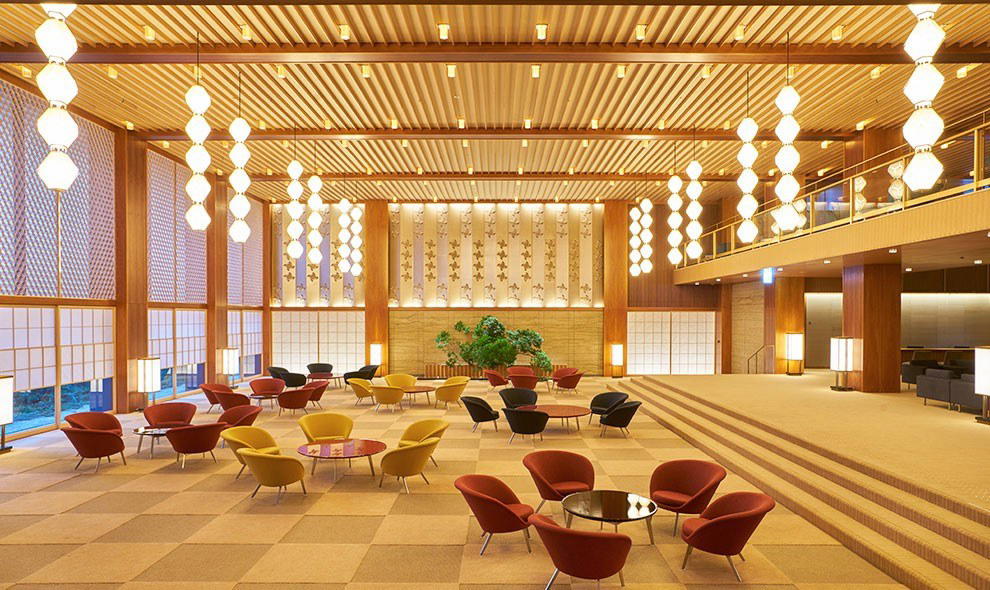
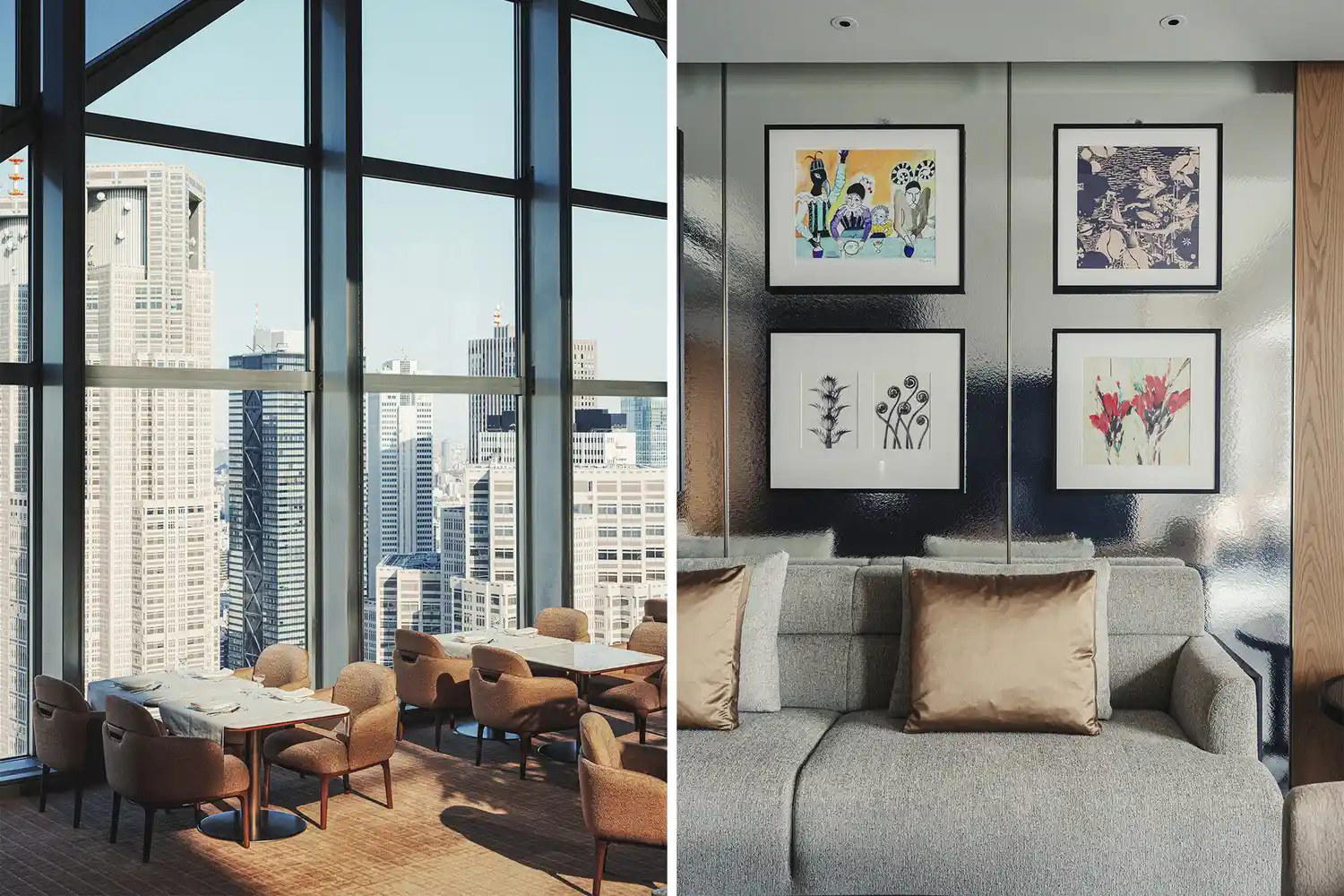
Warm, intimate atmosphere reminiscent of a European port-town bistro with wooden furnishings, handwritten menus on chalkboards, and an open kitchen allowing diners to watch skilled chefs at work.