
Among Ginza's French tables, Le Nougat operates in a different register than the tasting-menu tier, a Michelin Bib Gourmand recipient built around the sharing rhythms of French village cooking, a wine list that tracks regional pairings across all of France, and a room that commits fully to the chanson-era Parisian bistro aesthetic.
Pearl is the En Primeur Club membership app — saves, bookings, and concierge access live there. Same editors, same standards.
- Address
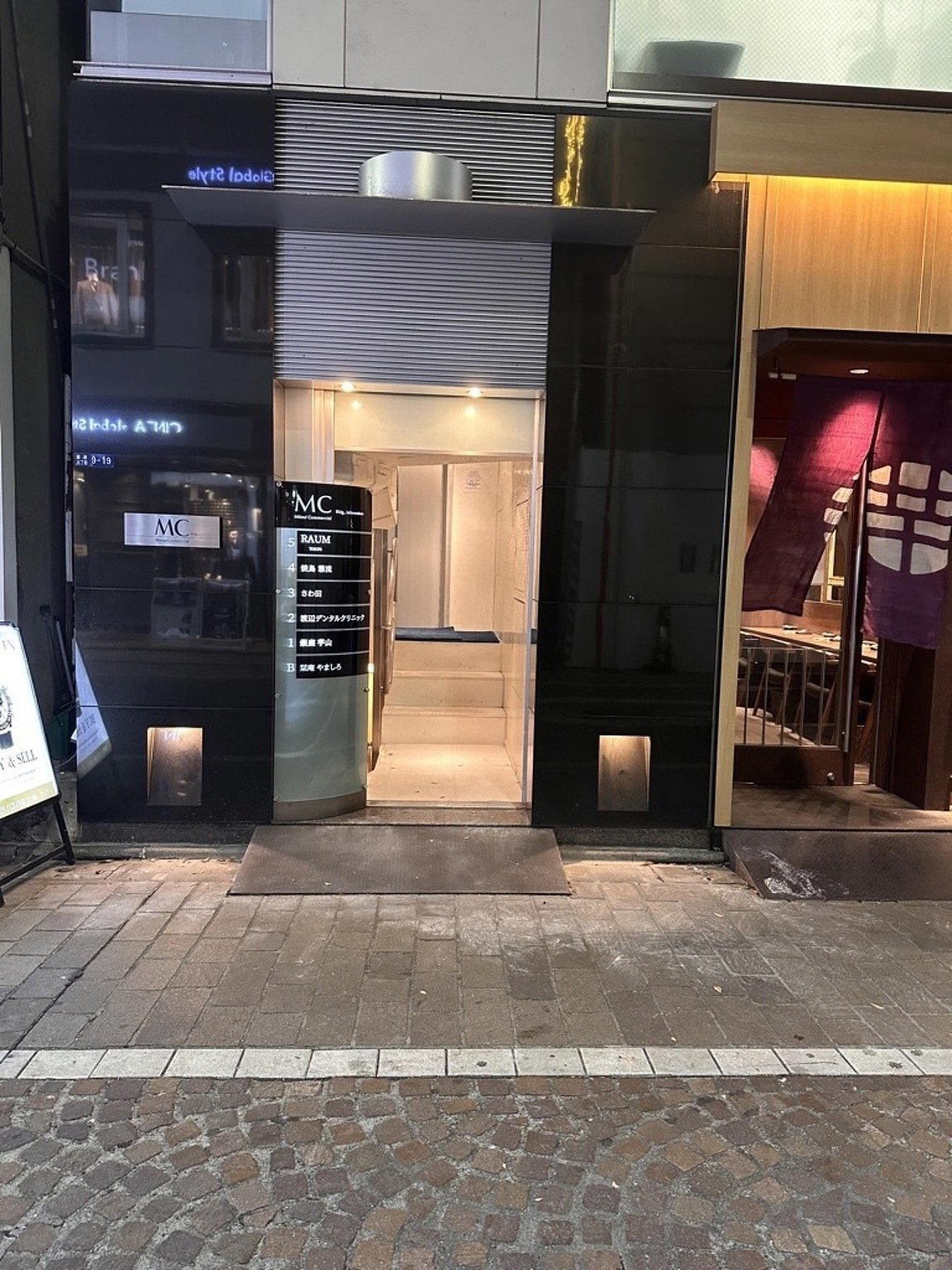
- Japan, 〒104-0061 Tokyo, Chuo City, Ginza, 6 Chome−12−2 東京銀座ビル 1F
- Phone
- +81 3-6254-5105
- Website
- lenougat.jp
- Directions
- Get directions
 Saves & bookings on Pearl
Ginza's Bistro Counter: Where the Mid-Price French Tier Holds Its Ground
Ginza's French dining scene sorts itself clearly. At one end sit the grand tasting-menu houses, places like L'Effervescence, Sézanne, and ESqUISSE, operating at ¥¥¥¥ price points with full brigade kitchens and multi-course architecture. At the other, a smaller and frankly more endangered cohort: French rooms that price at ¥¥, stay loyal to the bistro register, and rely on regional wine lists and sharing portions rather than tasting menus to make their case. Le Nougat, on the ground floor of a Ginza building at 6-12-2 Chuo City, sits in this second group. Its 2024 Michelin Bib Gourmand recognition, awarded to tables that deliver quality cooking at moderate prices, positions it precisely: this is not the tier of Château Restaurant Joël Robuchon, and it is not trying to be.
The Bistro Format as a Position, Not a Compromise
French village cooking, when executed with discipline, is one of the more demanding culinary traditions to sustain in Tokyo. The ingredients it depends on, the braises, the charcuterie logic, the regional vegetable preparations, require sourcing networks that don't simplify with distance. What makes the bistro format work as a positioning choice, rather than a fallback, is the commitment to its internal logic: portion structures built for sharing, menus that change with what's available, and wine programs that connect bottle to place rather than brand to prestige.
Le Nougat frames its menu as an assemblage of French village fare, with portions sized for two. That sharing structure is a deliberate piece of bistro grammar. In a regional French context, the table is a social mechanism, and dishes arrive to be divided, discussed, and repeated or replaced based on appetite. Translating that rhythm into a Ginza dining room takes a certain confidence in the format itself. Across comparable bistro-format tables in Tokyo, the ones that sustain Michelin recognition over multiple cycles tend to be those where the format is non-negotiable, where the kitchen doesn't drift toward tasting-menu presentational habits even under competitive pressure from the floors above them in the price tier.
Regional Wine as Editorial Spine
The wine program at Le Nougat is structured around France's regions, with bottles available by the glass. In practice, this means the list functions as a geographic argument: the suggestion, made quietly through menu design, is that the dish you've ordered and the wine you're drinking should come from the same patch of France. A Burgundy plate meets a Burgundy glass; a southwestern braise has a corresponding Madiran or Cahors nearby. This regional pairing logic is one of the older and most coherent ideas in French food culture, and it rarely gets sustained in Tokyo's French mid-tier, where wine lists often trend toward recognizable names rather than regional coherence.
The by-the-glass depth matters practically: it lowers the commitment required to follow the pairing logic across multiple courses. You can move from Alsace to the Loire to the Rhône within a single meal without the escalating cost of a full bottle at each turn. For a ¥¥ operation, that kind of wine program signals editorial intent, someone has made considered choices about what belongs on the list and why, rather than defaulting to distribution convenience.
The Room Itself: Chanson as a Design Commitment
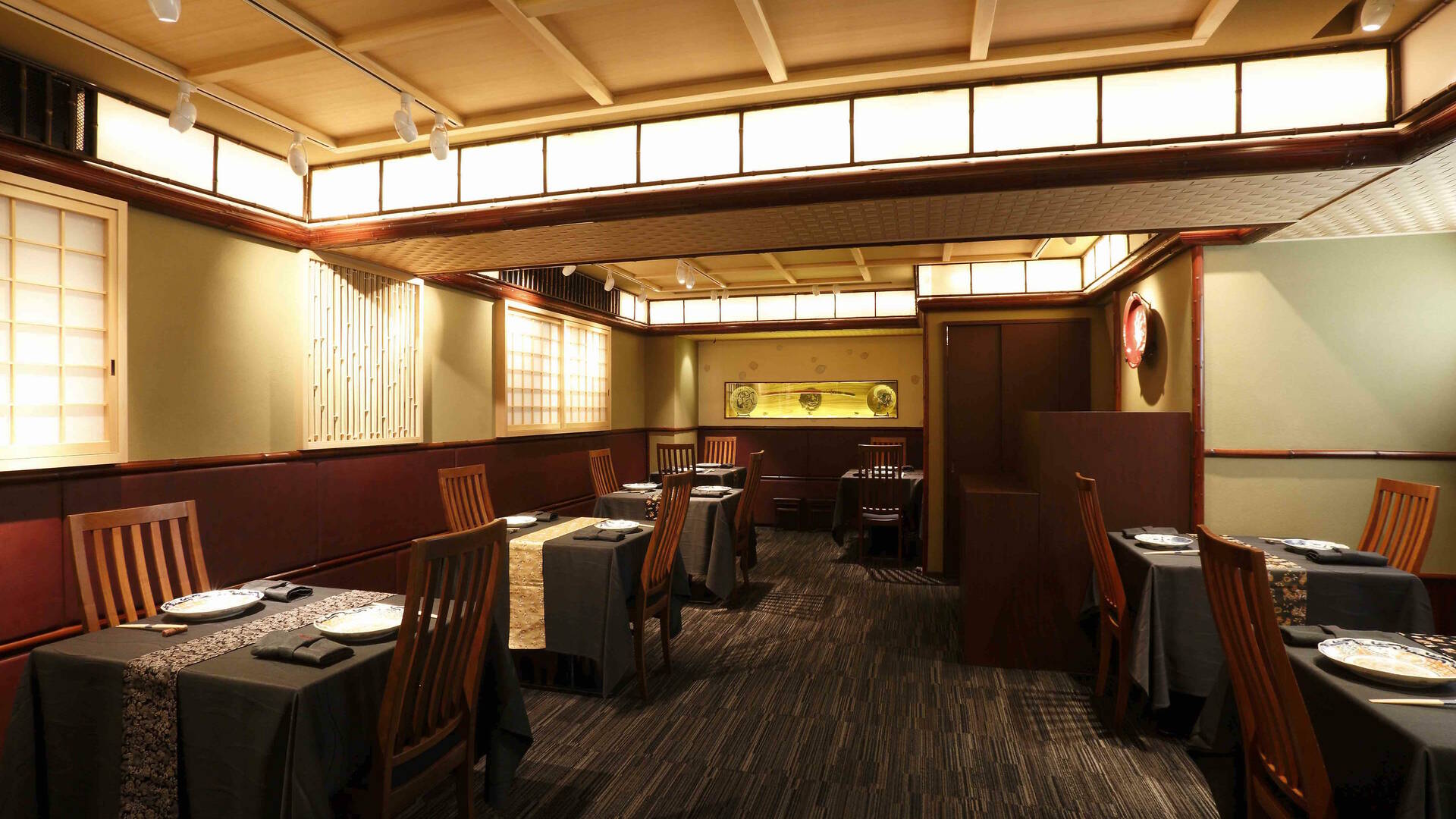
Le Nougat takes its name from a French chanson song. That detail is not incidental to the experience, it establishes a cultural reference point around which the entire room is organised. Red bench seating, French film posters on the walls, and chanson playing as an ambient constant are not nostalgic decoration; they constitute the room's argument about what kind of French culture is worth preserving and in what form. The bistro interior as a complete sensory environment, acoustics, colour palette, graphic material on the walls, belongs to a specific postwar Parisian tradition that was itself already elegiac when it emerged. Bringing that tradition intact to Ginza is an act of curation as much as design.
In the broader context of French restaurants across Japan, the ambient and aesthetic commitment to pre-spectacle bistro culture is a minority position. The majority of Tokyo's French rooms at any price tier have moved toward contemporary minimalism, cleaner lines, and the kind of neutral design that doesn't compete with the plate. The restaurant's room moves in the other direction, which means you either accept the full proposition, the posters, the bench seating, the soundtrack, or the room works against you. For those for whom it lands, it offers a setting with clear cultural stakes.
Planning a Visit
The restaurant is located at 6-12-2 Ginza, Chuo City, Tokyo, on the first floor of the Tokyo Ginza building, a direct walk from Ginza Station. The ¥¥ price positioning means it sits below the threshold where advance booking anxiety typically applies, though demand tied to its Bib Gourmand listing warrants checking availability before arrival. The sharing-portion format rewards tables of two or more. The wine list's by-the-glass depth makes it practical to follow the regional pairing structure without committing to full bottles.
For readers building a broader Tokyo itinerary, the full Tokyo restaurants guide covers the range from Ginza omakase to neighbourhood izakaya. Supplement with the Tokyo hotels guide, the Tokyo bars guide, the Tokyo wineries guide, and the Tokyo experiences guide for a complete picture. Outside the capital, the French-influenced creative kitchens at HAJIME in Osaka, Gion Sasaki in Kyoto, and akordu in Nara represent different registers of European-influenced cooking across the Kansai region. Further afield, Goh in Fukuoka, 1000 in Yokohama, and 6 in Okinawa extend the map for readers spending longer in Japan.
The Short List
Comparable venues nearby, for context on price, style, and recognition.
| Venue | Cuisine | Price |
|---|---|---|
| Le NougatThis venue — the venue you are viewing | Chūō, French Bistro | $$$ |
| T'astous | Minato, French Neo-Bistro | $$$ |
| Äta | Shibuya, French Seafood Bistro | $$$ |
| KOTARO Hasegawa DOWNTOWN CUISINE | Taitō, French Fine Dining | $$$ |
| L'AS | Minato, Modern French Bistro | $$$ |
| PATH | Shibuya, Modern French Bistro & Café | $$$ |
Recognition history
Dated appearances from independent guides and award organizations, with the underlying list record or original source where available.
Michelin Bib Gourmand
Michelin
Michelin Bib Gourmand
Michelin




At a Glance
- Cozy
- Intimate
- Classic
- Elegant
- Date Night
- Business Dinner
- Casual Hangout
- Open Kitchen
- Extensive Wine List
- Sommelier Led
Current opening hours
- Monday
- 5:30–11 PM
- Tuesday
- 5:30–11 PM
- Wednesday
- 5:30–11 PM
- Thursday
- 5:30–11 PM
- Friday
- 5:30–11 PM
- Saturday
- 12–2:30 PM, 5–11 PM
- Sunday
- 12–2:30 PM, 5–10 PM
Hours can change for holidays and private events. Last verified .
Cozy and intimate Parisian-style atmosphere with warm lighting, French posters, and a bustling yet relaxed bistro feel on two floors.