

Michelin Plate · Tabelog 100 #27
Our verdict
A Michelin Plate-recognised French restaurant in Kagurazaka where prix fixe menus centre on Miyazaki Prefecture produce, filtered through Japanese technique and French sensibility. The kitchen draws on chicken dashi, char-grilled proteins, and vermouth aromatics to occupy a distinct position between two culinary traditions. One of Shinjuku's more considered addresses for cross-cultural French cooking at the ¥¥¥ price point.

Pearl is the En Primeur Club membership app, where members save venues, book tables and use the concierge.
The menu
What to order
- Miyazaki Chicken Dashi Soup
- Crepe Salé
- Conger Eel
Kagurazaka and the French Table
Kagurazaka has carried a French accent since the postwar decades, when the neighbourhood's cobbled lanes and former geisha houses began attracting French expatriates and Tokyo residents who preferred the quarter's European tempo to the office-district grid of central Shinjuku. Today the area holds one of the highest concentrations of French restaurants per block in Japan, ranging from boulangeries to formal dining rooms. Within that tradition, the most interesting addresses are those that treat the French canon not as a fixed inheritance but as a working method applied to Japanese ingredients and technique. Jfree, on Kagurazaka's second block, belongs to that second category.
What the Michelin Plate Signals Here
Tokyo's French restaurant tier is unusually stratified. At the leading, houses like L'Effervescence, Sézanne, and ESqUISSE operate at the ¥¥¥¥ level with multi-star recognition and international reservation demand. A tier below, restaurants with Michelin Plate recognition, the guide's signal for good cooking that has not yet crossed into starred territory, serve a different function: they represent the working dining culture of the city, the places where residents eat regularly rather than ceremonially. Jfree received the Michelin Plate in both 2024 and 2025, which marks it as consistently competent by the guide's standards rather than sporadically impressive. That sustained recognition matters at the ¥¥¥ price point, where the competition is dense and turnover is high.
For comparison, Florilège and Château Restaurant Joël Robuchon occupy higher award brackets and different price tiers, making Jfree a distinct choice for those seeking Michelin-acknowledged French cooking without the full ceremony of Tokyo's leading tables.
The Menu Logic: Miyazaki as a Primary Ingredient Source
The prix fixe format at Jfree is built around produce from Miyazaki Prefecture, the coastal region on Kyushu's southeastern shore known for its chicken, wagyu, and agricultural output. Structuring a French menu around a single Japanese prefecture is a deliberate editorial choice: it keeps sourcing coherent, connects the kitchen to a specific terroir, and gives the menu a regional identity that generic French cooking lacks. The approach parallels what regional French restaurants do when they anchor their identity to a particular appellation or growing area, except here the terroir is Japanese and the techniques pulling it together move between two culinary traditions.
The chicken soup listed in the venue's records illustrates the method precisely. Chicken dashi, a Japanese extraction technique that draws out clean, mineral-forward stock through careful temperature control, forms the base. The protein is char-grilled chicken thigh, which introduces the caramelised surface and fat-rendered depth that Japanese grilling technique produces. Vermouth then appears as a scenting element, pulling the dish back toward French sensibility without erasing its Japanese construction. The result is not fusion in the casual sense but a kitchen that holds two technique sets simultaneously and deploys them by ingredient logic rather than national allegiance.
The Name as Programme
In Japanese culinary naming, the choice of English or hybrid words carries deliberate intent. "Jfree" parses as the J of Japan combined with "free" in its English sense of open expression. The name announces the kitchen's operating principle before the meal begins: a refusal to be fixed inside either tradition, working instead from the premise that good cooking selects from wherever the leading answer lies. This is a recognisable stance in Tokyo's contemporary French dining scene, where the most interesting kitchens treat French technique as a shared global language rather than a Parisian inheritance requiring faithful reproduction.
Kagurazaka as a Dining Context
Placing this restaurant in Kagurazaka rather than in Ginza, Roppongi, or Minami-Aoyama shapes the kind of experience it offers. Those districts run on corporate expense accounts and international tourism; Kagurazaka runs on neighbourhood residents, creative professionals, and the French community that has maintained a presence here for generations. A restaurant in this postcode operates at a different social frequency: less performative, more residential. The French brasserie tradition that this editorial angle invokes is partly about that social register, the restaurant that functions as an institution for locals rather than a destination for occasions. Kagurazaka's compact scale, where the leading addresses on a given street have become regulars' restaurants across decades, provides exactly the right frame for a prix fixe kitchen working at the ¥¥¥ level.
How Jfree Sits Within Tokyo's French Scene
Tokyo holds more Michelin-starred French restaurants than Paris, a statistical fact that routinely surprises first-time visitors. The depth extends well below the starred tier into the Plate-recognised and bib gourmand registers, which together form the actual fabric of the city's French dining culture.
For travellers moving across Japan, the logic of regional sourcing connects to conversations happening elsewhere: HAJIME in Osaka, Gion Sasaki in Kyoto, and akordu in Nara each represent different approaches to Japanese ingredient sourcing within broader culinary frameworks. Further afield, Goh in Fukuoka, 1000 in Yokohama, and 6 in Okinawa extend the map. For those tracking French cooking specifically across geographies, Hotel de Ville Crissier in Crissier and Les Amis in Singapore offer instructive contrasts to what Tokyo's cross-cultural French kitchens are doing.
Planning Your Visit
The restaurant is located at 2 Chome-11-7 AY2 Building, 2F, Kagurazaka, Shinjuku City, Tokyo. Budget: ¥¥¥, positioning this as a mid-to-upper-range dinner without the ceremony pricing of Tokyo's starred French houses. Format: Prix fixe menus built around Miyazaki Prefecture produce. Recognition: Michelin Plate 2024 and 2025. Reservations: Booking method not confirmed; for a restaurant of this type in Kagurazaka, advance contact through the venue directly or via a hotel concierge is advisable. Getting there: Kagurazaka Station (Tokyo Metro Tozai Line) is the closest access point; Iidabashi Station (multiple lines) is also within walking distance.
For broader planning, see our full Tokyo restaurants guide, our full Tokyo hotels guide, our full Tokyo bars guide, our full Tokyo wineries guide, and our full Tokyo experiences guide.
Frequently asked questions
at Jfree?
Comparable Spots, Quickly
| Venue | Cuisine | Price | Awards | Notes |
|---|---|---|---|---|
| JfreeThis venue (the venue you are viewing) | Modern French-Japanese Fusion | $100–150 | Michelin Plate · Tabelog 100 #27 | Not listed |
| Harutaka | Edo-Style Omakase Sushi | $200–300 | 3 Michelin Stars · World's 50 Best #76 | Sushi |
| RyuGin | Modern Kaiseki | $500+ | 3 Michelin Stars · World's 50 Best #41 | Kaiseki, Japanese |
| L'Effervescence | Modern French with Japanese Influences | $200–300 | 3 Michelin Stars · World's 50 Best #69 | French |
| HOMMAGE | Modern French with Japanese Influences | $150–200 | 2 Michelin Stars · World's 50 Best #78 | Innovtive French, French |
| MAZ | Innovative Peruvian-Japanese Fusion | $150–200 | 2 Michelin Stars · World's 50 Best #28 | Innovative |
Recognition history
Dated appearances from independent guides and award organizations, with the underlying list record or original source where available.
Michelin Plate
Michelin
Tabelog 100 #27 · No. 27
Tabelog · Tabelog 100 - French - TOKYO - 2025
Full recognition history (4 entries)
Michelin Plate
Michelin
Michelin Plate
Michelin
Continue exploring
More in Tokyo
Restaurants in Tokyo
All restaurants in Tokyo →


Bars in Tokyo
All bars in Tokyo →


Details
- Intimate
- Elegant
- Sophisticated
- Modern
- Date Night
- Special Occasion
- Chefs Counter
- Private Dining
- Extensive Wine List
- Sake Program
- Local Sourcing
- Omakase
- Wine
- Sake
Current opening hours
- Monday
- Closed
- Tuesday
- 5:30–11 PM
- Wednesday
- 5:30–11 PM
- Thursday
- 5:30–11 PM
- Friday
- 5:30–11 PM
- Saturday
- 5:30–11 PM
- Sunday
- Closed
Hours can change for holidays and private events. Last verified .
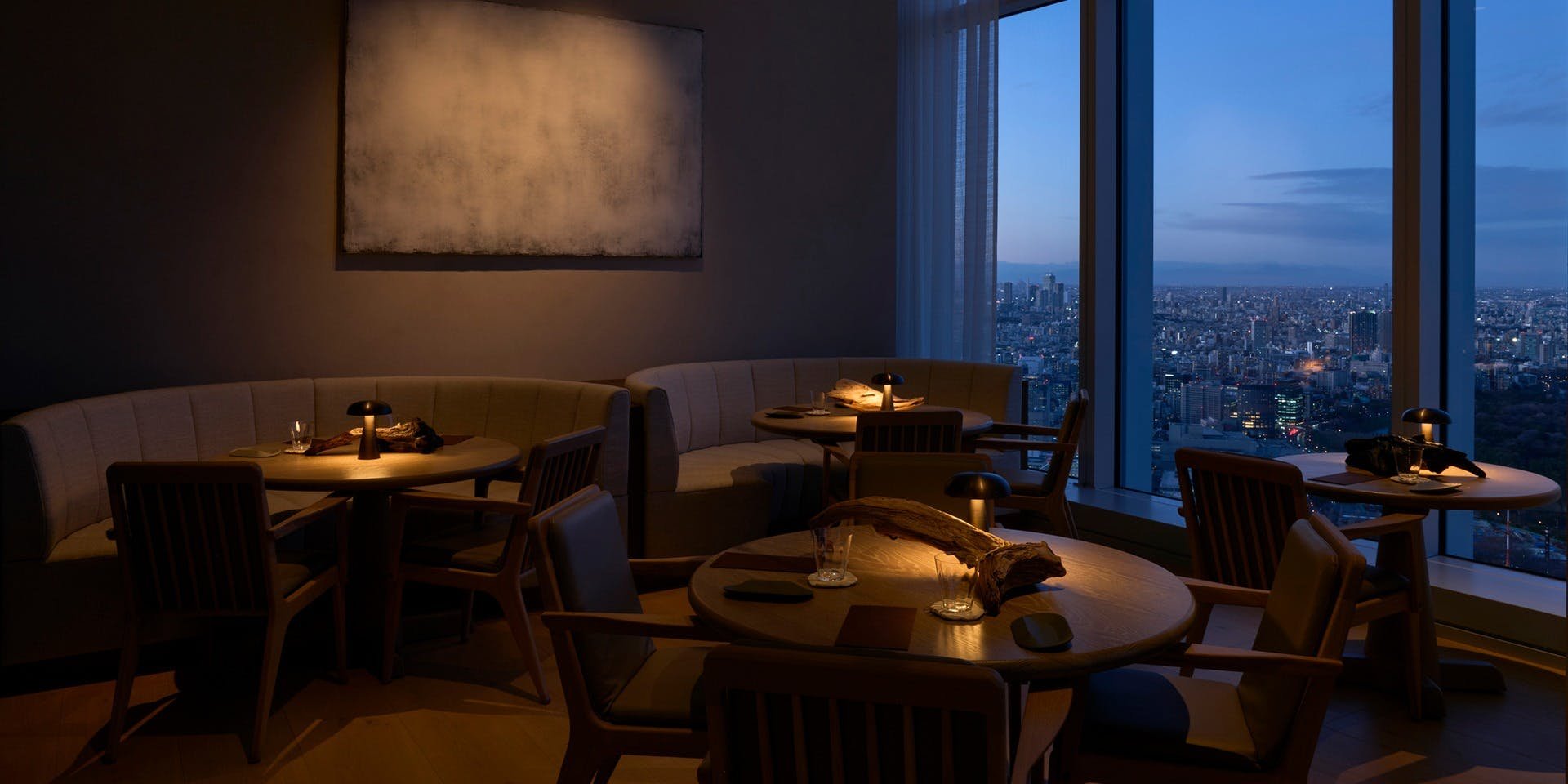
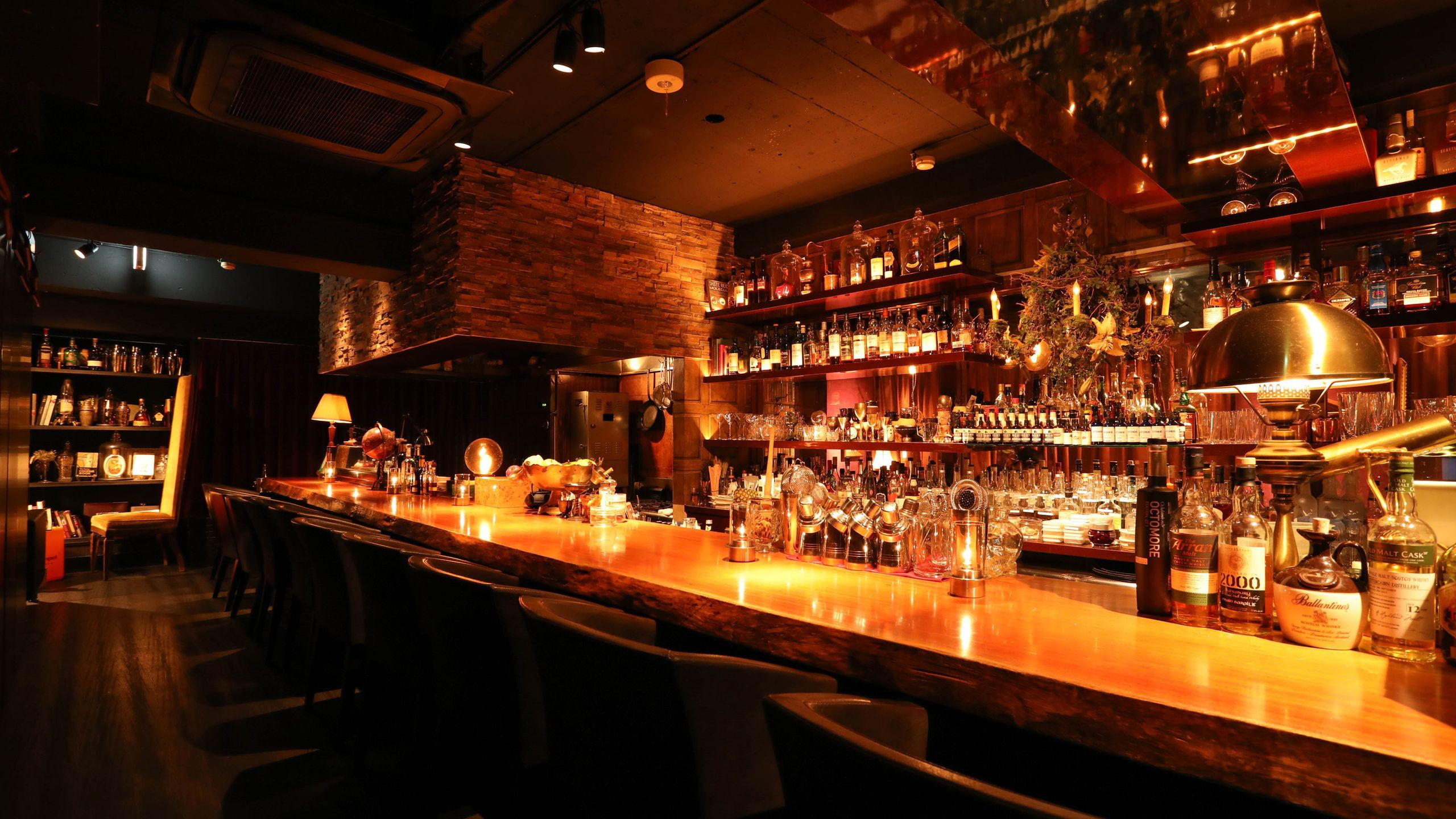
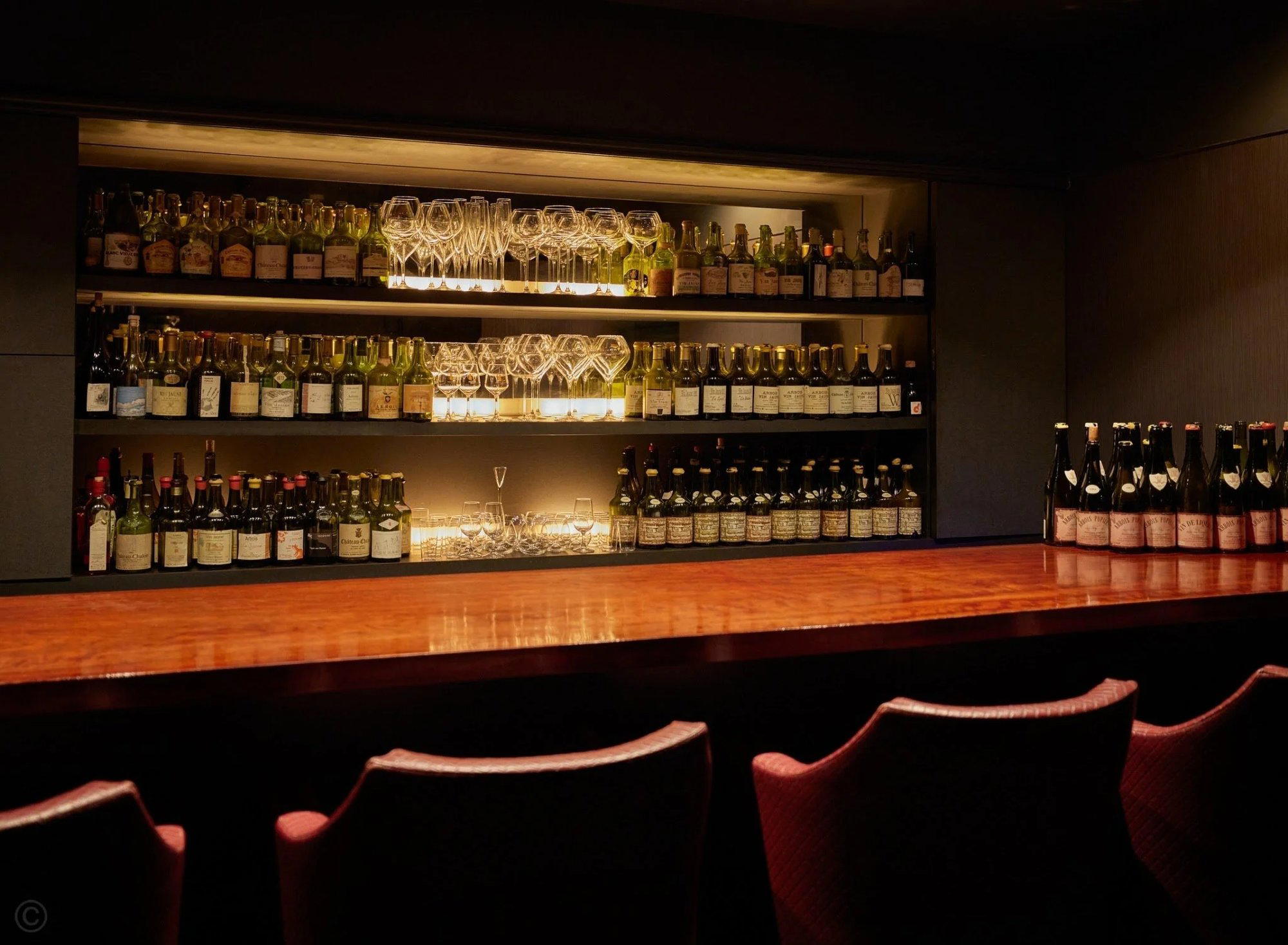
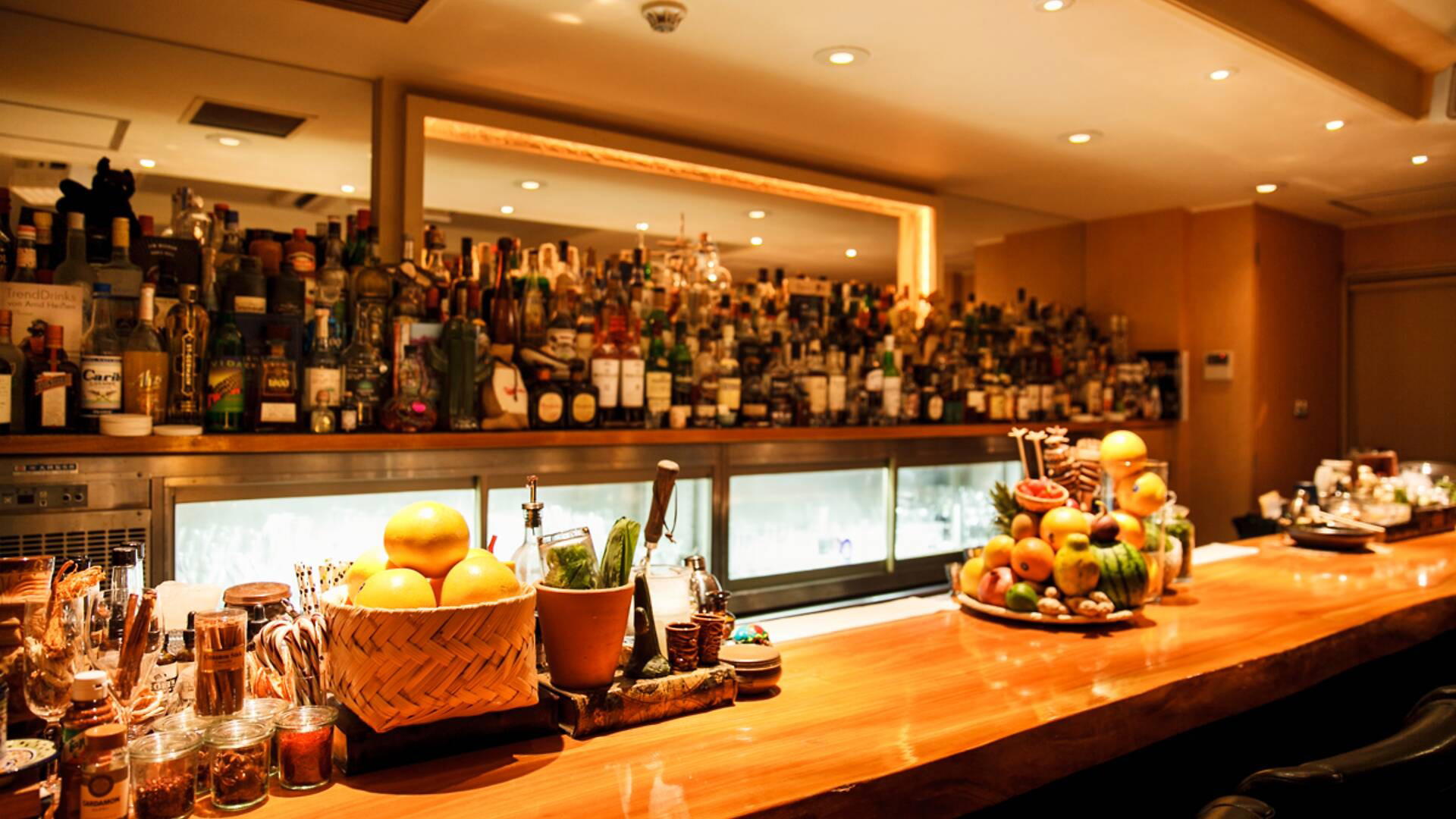
Serene and beautifully lit intimate space with deep tones, spotlighted counter for dynamic kitchen view, and relaxing sophisticated atmosphere.