't Grof Zout
't Grof Zout occupies a quiet address on Gasthuisstraat in Geraardsbergen, a town whose market square and mattentaart bakeries give it a stronger culinary identity than its size might suggest. The restaurant draws on the agricultural hinterland of the East Flemish Dender valley, translating regional sourcing into a kitchen language shaped by the seasons. For visitors working through the Geraardsbergen dining scene, it offers a grounded counterpoint to more format-driven tables.
Pearl is the En Primeur Club membership app — saves, bookings, and concierge access live there. Same editors, same standards.
- Address
- Gasthuisstraat 20, 9500 Geraardsbergen, Belgium
- Phone
- +3254423546
- Website
- grofzout.be
- Directions
- Get directions
 Saves & bookings on Pearl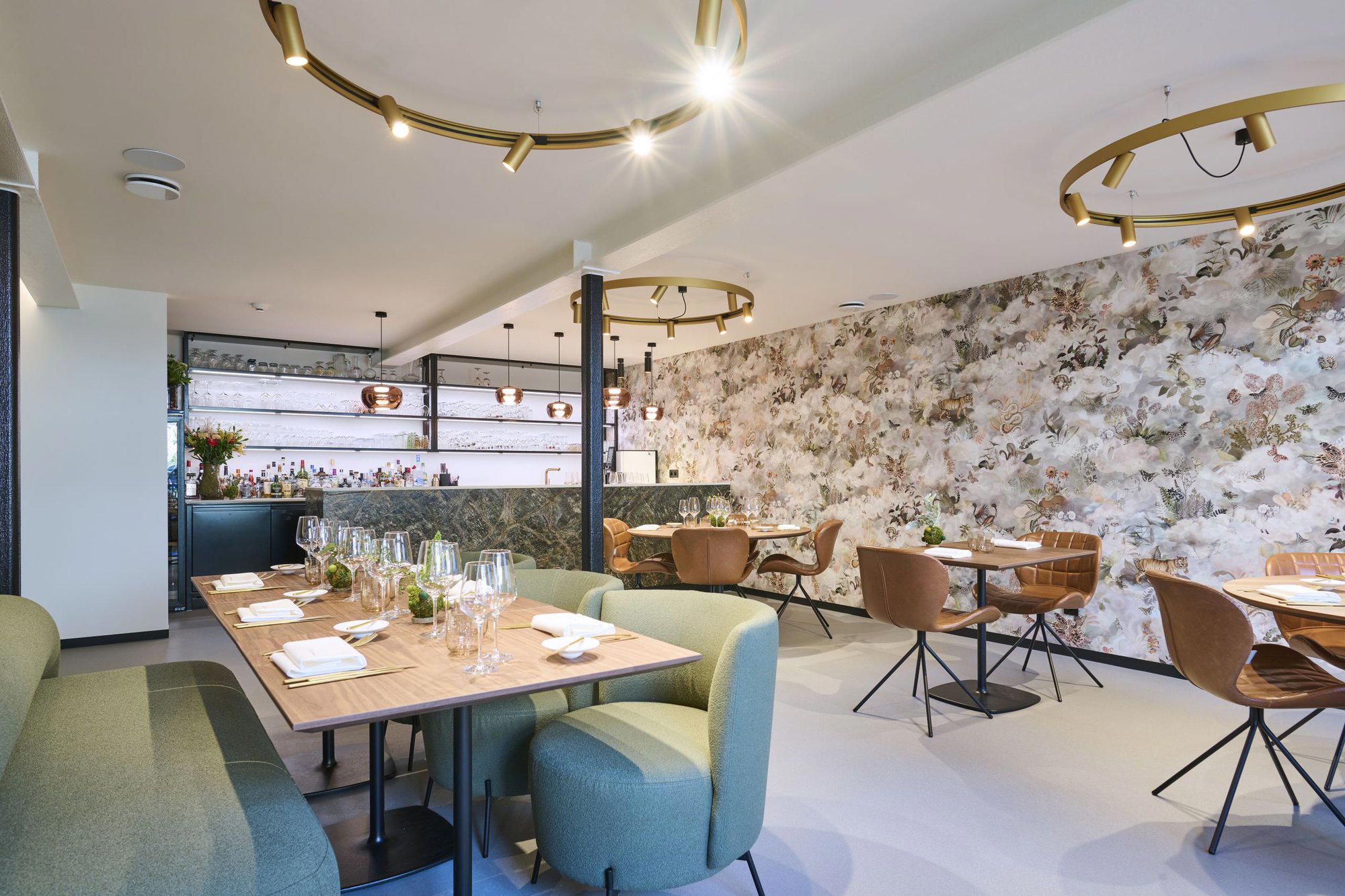
Where the Dender Valley Meets the Plate
Geraardsbergen sits at the edge of the Flemish Ardennes, a range of river valleys and rolling farmland that has historically supplied the kitchens of both Brussels and Ghent. The town is better known to cycling fans than to food critics, but its compact centre contains a surprising density of serious eating, from heritage pastry shops selling the protected mattentaart to restaurants drawing directly on the surrounding agricultural output. 't Grof Zout, on Gasthuisstraat 20, belongs to this quieter category of Geraardsbergen dining: a room that announces itself through restraint rather than spectacle, where the architecture of the meal is built around what the surrounding countryside produces rather than what a tasting-menu format demands.
The name itself is instructive. "Grof zout" translates roughly as coarse salt, a reference to the kind of elemental, unprocessed ingredient that defines honest cooking across this part of Belgium. It is the opposite of refinement for its own sake, and it sets an expectation that the kitchen here is interested in the direct line between source and plate rather than in elaborate transformation.
Sourcing as the Central Argument
In the broader Flemish fine-dining conversation, the question of provenance has moved from marketing language to genuine kitchen philosophy over the past decade. Restaurants like Willem Hiele in Oudenburg and Bartholomeus in Heist have built reputations partly on the specificity of their ingredient sourcing, coastal in their case, tying their menus to geography in ways that go beyond seasonal rotation. Inland Flanders operates on a different axis: the Dender basin produces cereals, dairy, beet, and orchard fruit, and the farmers who work the area around Geraardsbergen have relationships with local kitchens that predate the current sourcing trend by generations.
What distinguishes a restaurant that genuinely operates in this mode from one that simply lists supplier names on a menu is the degree to which sourcing constraints shape the menu rather than the reverse. The East Flemish tradition, visible across the region from Ghent to Aalst, tends toward dishes where the primary ingredient carries most of the weight, supported by stocks, reductions, and ferments that the kitchen makes from secondary cuts and offcuts. This is cooking that wastes little and communicates much, and Geraardsbergen's agricultural proximity makes it a logical place to find it.
For context, the comparison set that matters here is not the starred tables of Antwerp or Brussels, where Zilte and Bozar Restaurant operate at a different price and ambition register, but rather the mid-sized Flemish towns where kitchens have room to build supplier relationships without the volume pressure of a city operation. Towns like Roeselare, where Boury has formalised a creative-Flemish approach into a Michelin-recognised format, offer one model. Geraardsbergen offers something less formally codified but potentially more direct.
The Room and the Register
Gasthuisstraat is a residential street by Geraardsbergen standards, without the foot traffic of the Markt or the Grand-Place adjacency that drives covers in larger Belgian cities. A restaurant choosing this address is making a statement about its intended audience: people who come specifically, not people who wander in. The dining register that typically accompanies this kind of location in Flemish market towns is one of considered informality, where the room does not perform luxury but assumes a certain baseline of knowledge and appetite in the guest.
Belgian dining at this level tends to be wine-forward without being wine-pretentious, and the Flemish Ardennes region is close enough to both French-speaking wine country and the importers of Ghent and Brussels that a serious list is logistically achievable. Whether 't Grof Zout operates with this ambition is not something the available record confirms in detail, but the broader pattern across comparable East Flemish addresses suggests a list built around Belgian biodynamic producers and small French négociants rather than trophy bottles.
Geraardsbergen in the Belgian Dining Picture
Belgium's serious restaurant culture has historically concentrated in its cities and in a handful of destination addresses in the countryside, places like Hof van Cleve in Kruishoutem or L'air du Temps in Liernu, which draw guests from across the country and abroad on the strength of their awards recognition. The majority of serious eating in Belgium, however, happens at a less publicised level: restaurants in mid-sized towns that serve a regional guest base with genuine technical ambition and no particular interest in the international press cycle.
Geraardsbergen sits comfortably in this category. The town's restaurants, including G.L.I.S.S and Zicht, serve a local and regional clientele that takes food seriously, shaped in part by the area's cycling culture, where the Ronde van Vlaanderen's Muur passage brings an internationally minded visitor base through each spring. That context matters: a town that hosts serious cycling tourism develops serious hospitality infrastructure, and the restaurants that survive in Geraardsbergen are there because the local appetite for quality is real, not because they are propped up by tourist footfall.
For visitors planning around the region's dining, our full Geraardsbergen restaurants guide maps the broader picture. The comparison set for a restaurant like 't Grof Zout also extends to addresses like Castor in Beveren, d'Eugénie à Emilie in Baudour, De Jonkman in Sint-Kruis, La Durée in Izegem, and La Table de Maxime in Our, each operating in a regional Belgian town with its own sourcing logic and local identity. And for those benchmarking against more internationally recognised restaurants, addresses like Le Chalet de la Forêt in Uccle, Le Bernardin in New York City, or Atomix provide a wider frame for understanding where Belgian regional cooking sits in the global conversation.
Planning a Visit
't Grof Zout is at Gasthuisstraat 20, 9500 Geraardsbergen. The town is approximately 45 minutes by road from both Ghent and Brussels, making it a viable half-day or full-day trip from either city. Given the size of the dining market in Geraardsbergen, advance reservation for weekend evenings is a reasonable precaution.
How 't Grof Zout Geraardsbergen compares with similar nearby venues.
| Venue | Cuisine | Price |
|---|---|---|
| Zicht | Modern Cuisine | €€ |
| Atelier Gist | Creative | €€€€ |
| Alexandre | French | €€€ |
Continue exploring
More in Geraardsbergen
Restaurants in Geraardsbergen
Browse all →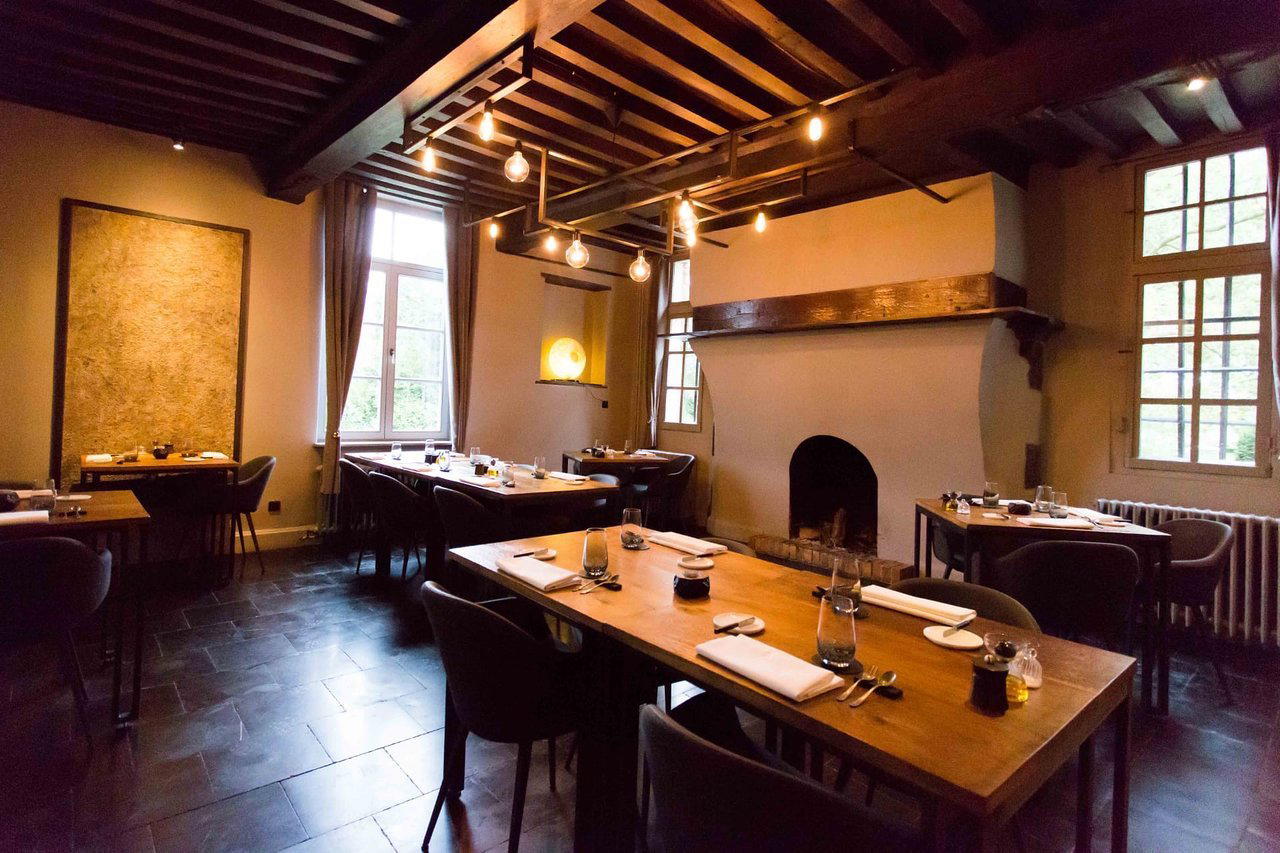
Bars in Geraardsbergen
Browse all →
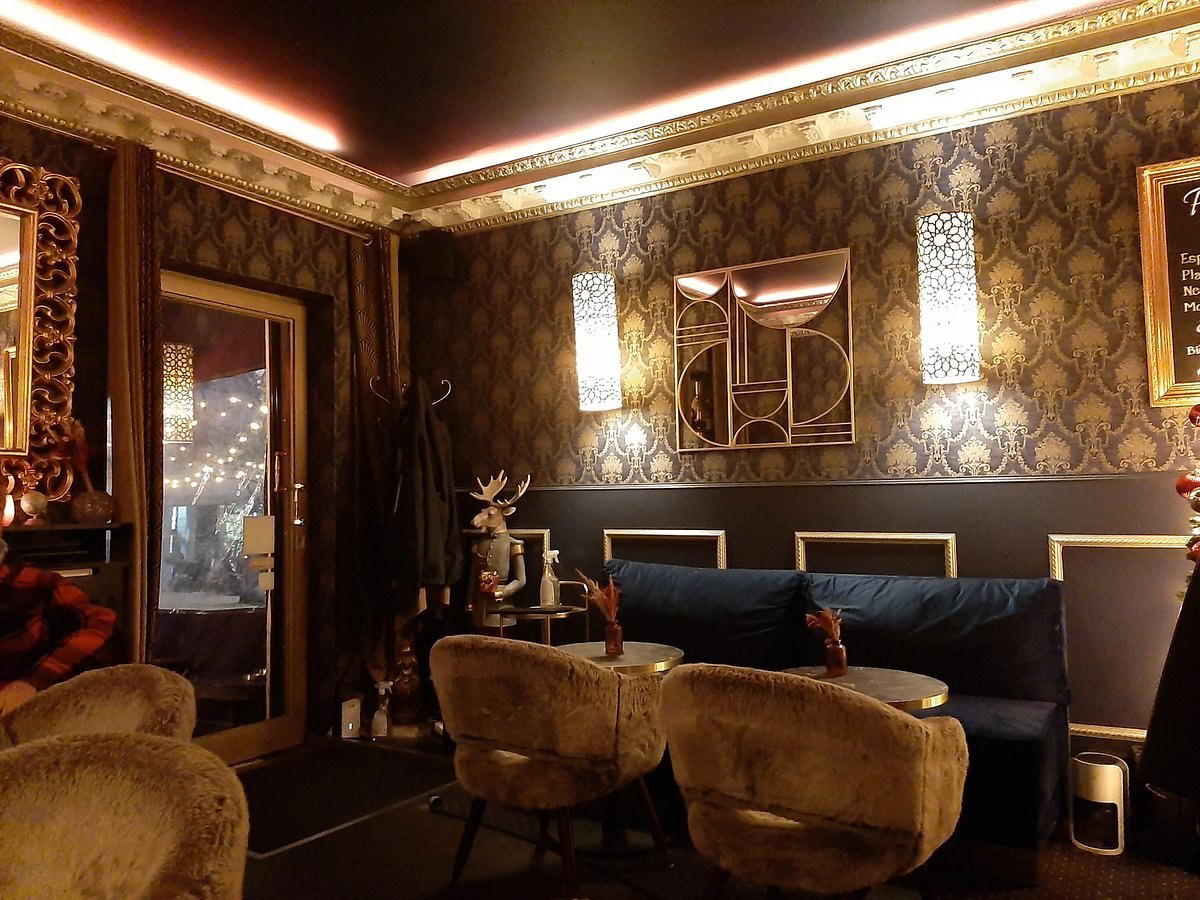
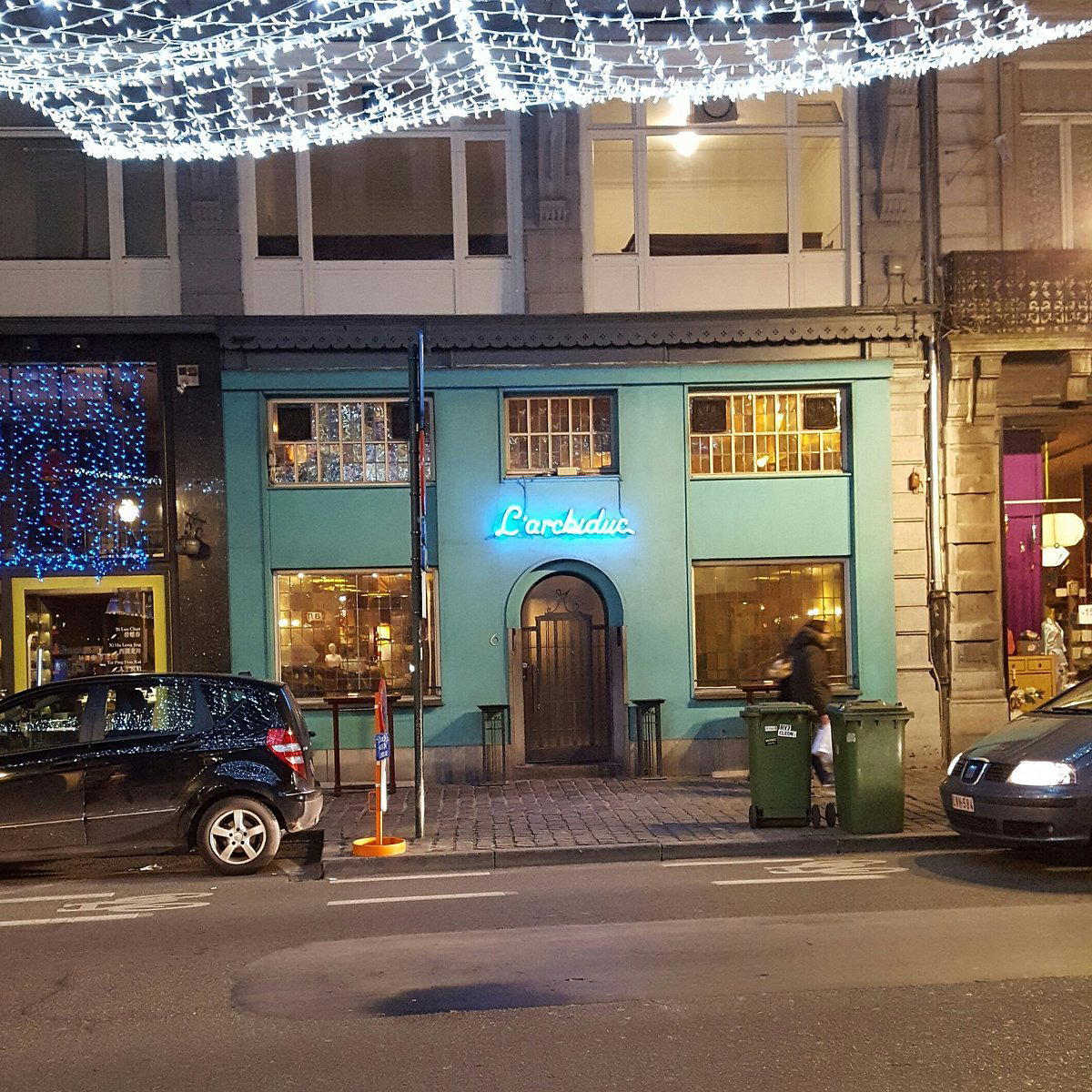
Hotels in Geraardsbergen
Browse all →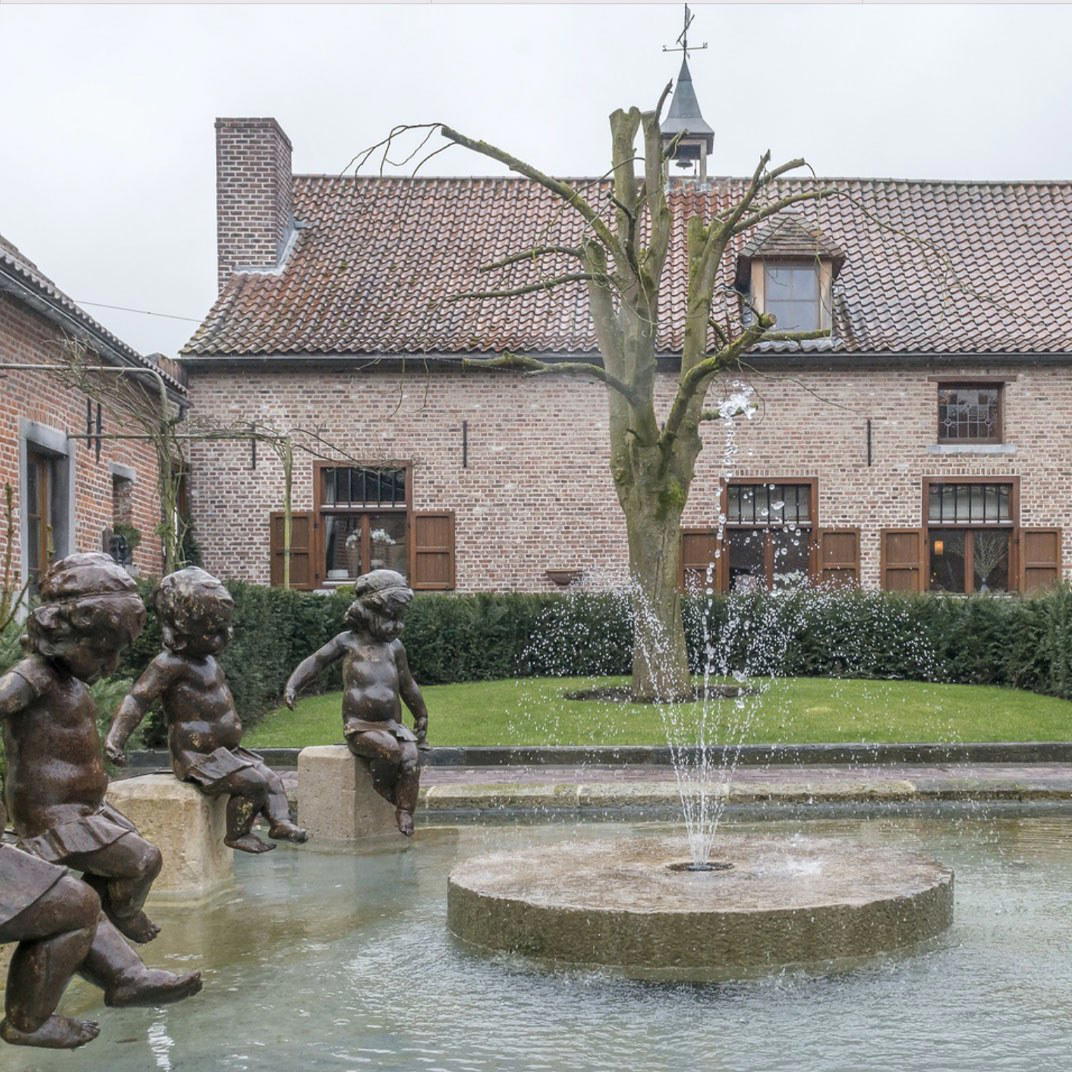
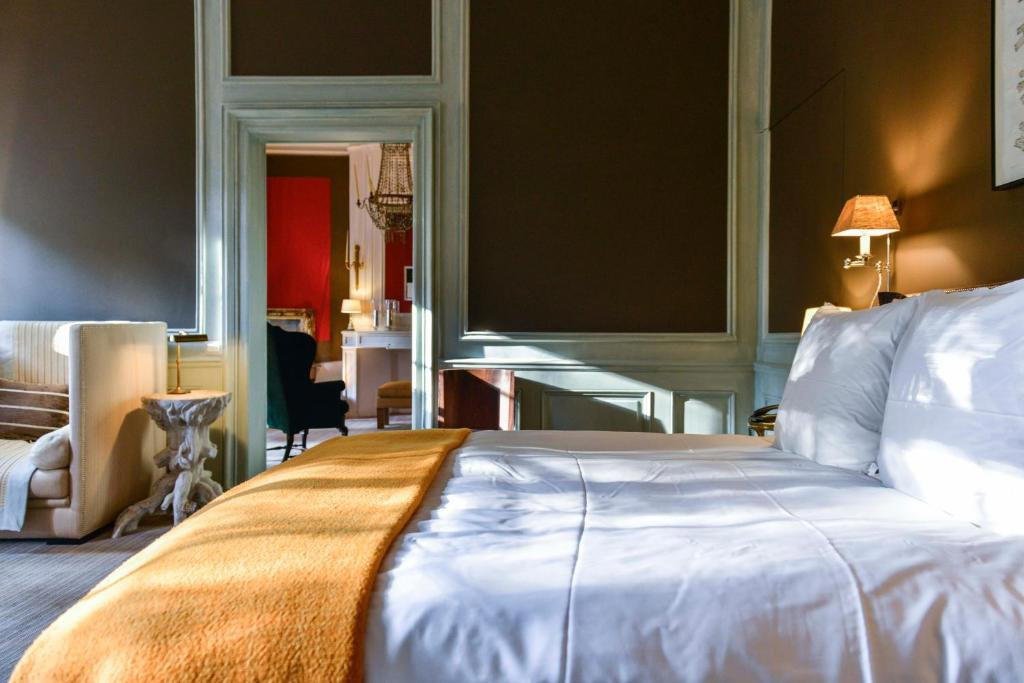
Wineries in Geraardsbergen
Browse all →
At a Glance
- Elegant
- Intimate
- Quiet
- Classic
- Date Night
- Business Dinner
- Special Occasion
- Celebration
- Open Kitchen
- Private Dining
- Extensive Wine List
- Beer Program
- Sommelier Led
- Local Sourcing
Current opening hours
- Monday
- Closed
- Tuesday
- Closed
- Wednesday
- 12–1:30 PM, 6:30–8:30 PM
- Thursday
- 12–1:30 PM, 6:30–8:30 PM
- Friday
- 12–1:30 PM, 6:30–8:30 PM
- Saturday
- 6:30–8:30 PM
- Sunday
- 12–1:30 PM
Hours can change for holidays and private events. Last verified .
Stylish and comfortable with classical elegance; recently renovated interior featuring an open kitchen allowing diners to observe the chef at work; warm and welcoming atmosphere with soft, refined lighting.
Know Before You Go
- Getting there
- Gasthuisstraat 20, 9500 Geraardsbergen, Belgium