Sze Chuan Cuisine
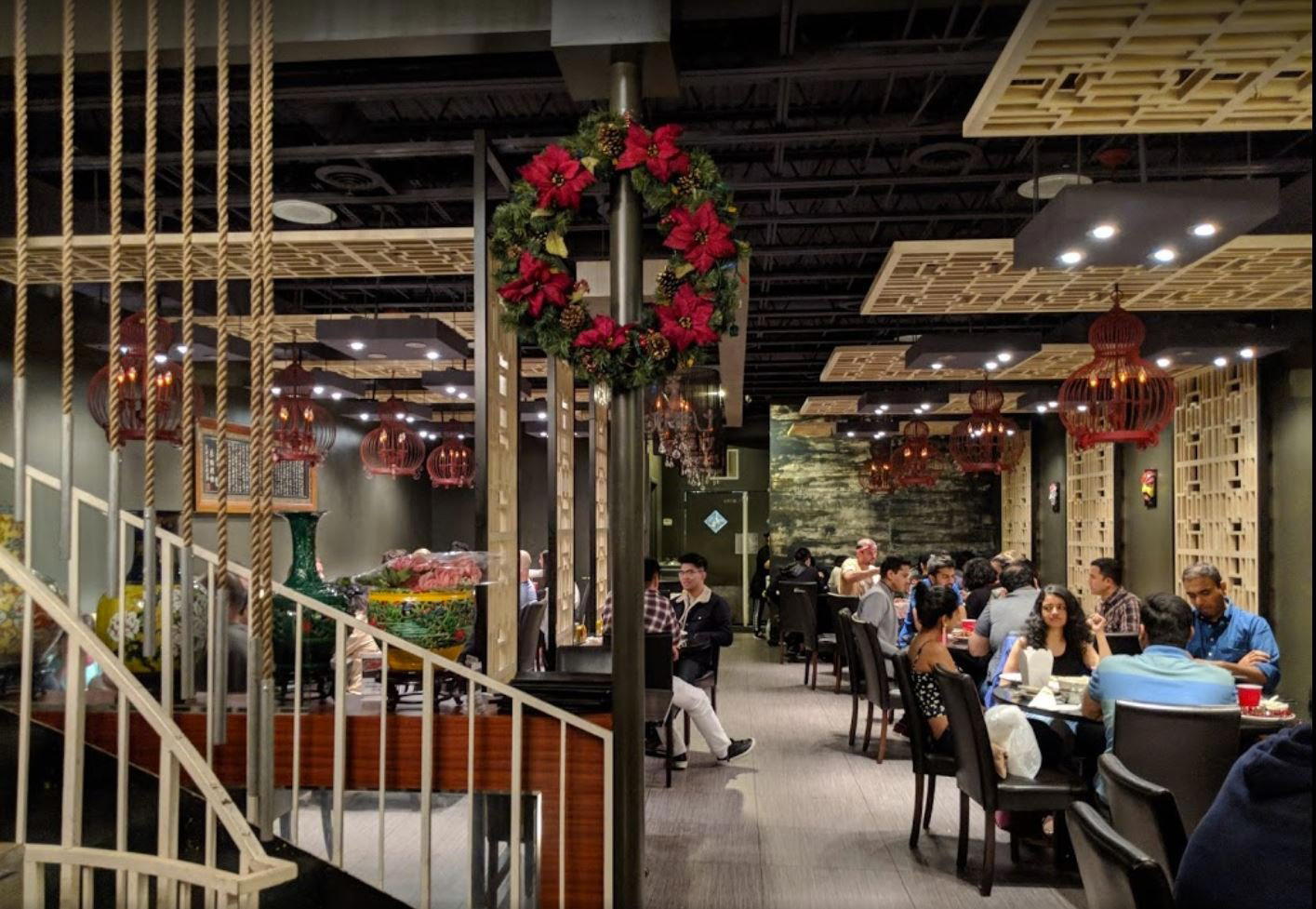
On South Wentworth Avenue in Chicago's Chinatown, Sze Chuan Cuisine occupies a stretch of the neighbourhood that takes Sichuan cooking seriously, numbing heat, fermented depth, and the kind of regional specificity that separates a dedicated kitchen from a generalised Chinese-American menu. For visitors tracing the city's Chinese dining corridor, this address sits at the working end of a tradition with deep roots in the Midwest's largest Chinatown.
Pearl is the En Primeur Club membership app — saves, bookings, and concierge access live there. Same editors, same standards.
- Address
- 2414 S Wentworth Ave, Chicago, IL 60616
- Phone
- +1 312 791 1882
- Website
- szechuanchicago.com

Chinatown's Sichuan Corridor and What It Demands of a Kitchen
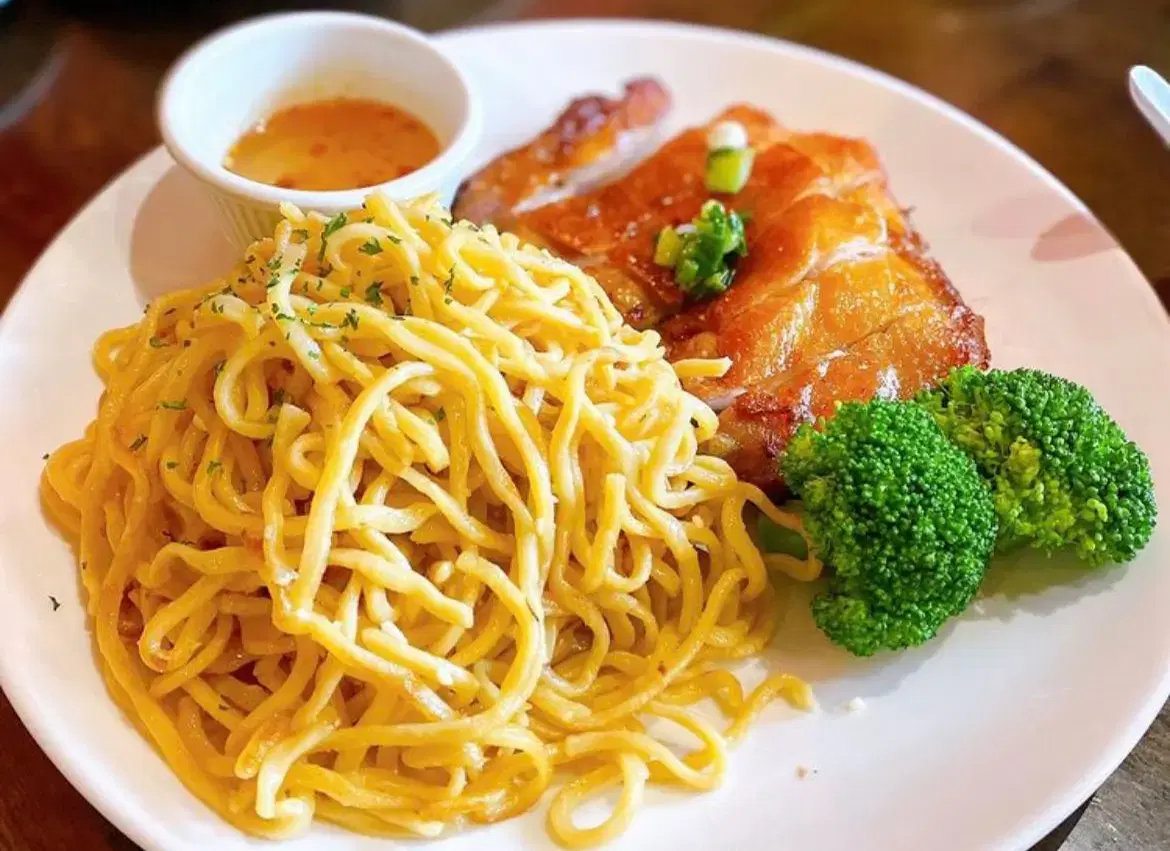
South Wentworth Avenue between Cermak Road and 24th Street functions as the commercial spine of Chicago's Chinatown, one of the most established Chinese communities in the Midwest. Restaurants here compete inside a dense, knowledgeable dining corridor where the clientele tends to know the difference between a properly made mapo tofu, silken bean curd in a sauce built from fermented black beans, doubanjiang, and Sichuan peppercorns, and a version that shortcuts the spice or skips the numbing quality entirely. Sze Chuan Cuisine, at 2414 S Wentworth Ave, operates inside that context, where the benchmark is set by the neighbourhood rather than by national critics. Sze Chuan Cuisine is a casual, walk-in-friendly restaurant serving Authentic Szechuan food at about $20 per person.
Sichuan cooking is one of China's eight recognised culinary traditions, and it carries a distinct technical identity that is easy to approximate and difficult to execute with precision. The cuisine's defining characteristic, mala, the compound sensation of heat from chili and numbness from Sichuan peppercorn, depends on sourcing. The peppercorn itself (Zanthoxylum simulans or Zanthoxylum bungeanum, depending on the variety) loses its active compound, hydroxy-alpha-sanshool, rapidly after processing. Kitchens that import regularly or source from suppliers with high turnover produce a noticeably different result than those working from older stock. On Wentworth, where Sichuan restaurants are plentiful, ingredient freshness becomes one of the primary differentiators between a kitchen doing the tradition justice and one coasting on the category's familiarity.
The Ingredient Question in Regional Chinese Cooking
Across American cities, the quality gap in regional Chinese cooking often traces back to supply chains rather than technique. A kitchen can employ a cook trained in Chengdu and still produce a diminished version of a dish if the fermented bean paste is a domestic substitute, if the dried chilies are the wrong variety, or if the Sichuan peppercorns arrived months before they were used. Chicago's Chinatown benefits from proximity to a network of Asian grocery suppliers concentrated in the greater Chicago area, which gives kitchens on Wentworth more reliable access to imported pantry staples than many regional American cities can claim.
This matters specifically for Sichuan cooking because its flavour architecture relies on layered fermented and dried ingredients, doubanjiang from Pixian, dried facing heaven chilies, black bean paste, fermented tofu, in ways that Cantonese or Shanghainese cooking, which lean more heavily on fresh produce and live seafood, do not. When those foundational ingredients are sourced correctly, the cuisine's complexity is self-evident: dishes arrive with heat that builds in sequence, numbing that arrives separately from the capsaicin burn, and a bass note of umami from fermentation that lingers rather than spikes. When they are not, the result is a flatter, hotter dish that reads as generic rather than regional.
Sze Chuan Cuisine's position on Wentworth places it within a neighbourhood that supports this kind of sourcing infrastructure.
How Chinatown Chinese Dining Differs from the City's Fine-Dining Register
Chicago's most decorated restaurant tier, including Alinea, Smyth, Oriole, Next Restaurant, and Kasama, operates in a different register entirely: long tasting menus, reservation lead times measured in months, and price points at the upper end of the American fine-dining range. Chinatown's Sichuan kitchens occupy a different but equally serious position. The metrics of quality here are regional accuracy, ingredient fidelity, and the confidence to present the cuisine without adaptation for a non-Chinese palate. Some of the most technically demanding cooking in Chicago happens in rooms that would not photograph well for a national magazine, and Wentworth Avenue has several examples of exactly that.
The gap between these two registers is a recurring feature of American urban dining, visible not just in Chicago but across cities with established Chinese-American communities. Kitchens like Atomix in New York City have shown how Asian culinary traditions can operate at the highest level of fine-dining recognition, but regional Chinese cooking in Chinatown contexts has historically been evaluated by different, and arguably more demanding, criteria: the judgement of a diaspora community that knows the source material directly.
Seasonal Considerations for Sichuan Eating in Chicago
Sichuan cooking is not strongly seasonalised in the way that farm-to-table American restaurants or highly produce-driven kitchens, such as Blue Hill at Stone Barns or Single Thread Farm in Healdsburg, recalibrate their menus around the agricultural calendar. Its core pantry items are dried, fermented, or preserved, which gives Sichuan kitchens consistency across seasons. That said, colder months in Chicago correlate with stronger demand for the cuisine's warming, fat-forward preparations: hot pot formats, braised meats, and dishes with deep chili oil bases find their natural moment in a Midwest winter. A visit between November and March, when Chicago's Chinatown is quieter on weekday evenings than it is in summer, can make for a calmer meal in dining rooms that fill quickly on weekend nights.
Summer weekend afternoons on Wentworth draw significant foot traffic from visitors to Chinatown's outdoor market stalls and dim sum operations, which means that weekday evenings in the off-season generally represent the most practical moment for a focused meal at a table-service restaurant on this stretch.
Planning a Visit
Sze Chuan Cuisine is located at 2414 S Wentworth Ave in Chicago's Chinatown neighbourhood, accessible by the CTA Red Line to the Cermak-Chinatown stop, which places the restaurant within a short walk. Chinatown is navigable on foot once you arrive. Sze Chuan Cuisine is walk-in friendly and averages about $20 per person.
For comparison across American cities where sourcing-driven kitchens are operating at different scales, Lazy Bear in San Francisco, Providence in Los Angeles, The French Laundry in Napa, Addison in San Diego, Le Bernardin in New York City, Emeril's in New Orleans, The Inn at Little Washington, Bacchanalia in Atlanta, and 8 1/2 Otto e Mezzo Bombana in Hong Kong each represent distinct models for how serious kitchens prioritise sourcing at different price points and in different culinary traditions.
Quick reference: 2414 S Wentworth Ave, Chicago, IL 60616. CTA Red Line to Cermak-Chinatown.
City Peers
Comparable venues nearby, for context on price, style, and recognition.
| Venue | Cuisine | Price | Notes |
|---|---|---|---|
| Sze Chuan CuisineThis venue — the venue you are viewing | Authentic Szechuan | $$ | |
| Elephant & Castle | British Pub | $$ | Downtown / The Loop |
| La Catedral Cafe - New Eastside | Mexican Breakfast and Lunch | $$ | New Eastside |
| GEMINI | Classic American Bistro | $$ | Lincoln Park |
| Neon Gardens | Modern Italian Pizza | $$ | Lincoln Park |
| Windy City Sweets | Gourmet Candy & Handmade Chocolates | $$ | Lake View East |
At a Glance
- Casual Hangout
- Group Dining
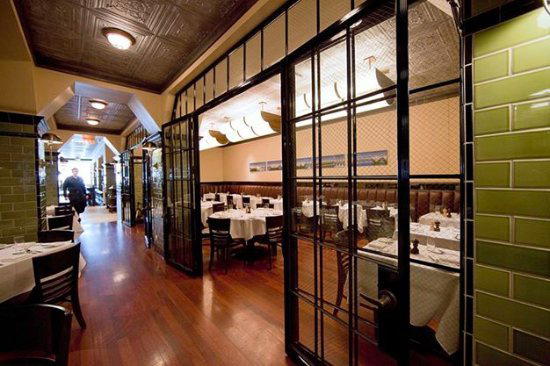
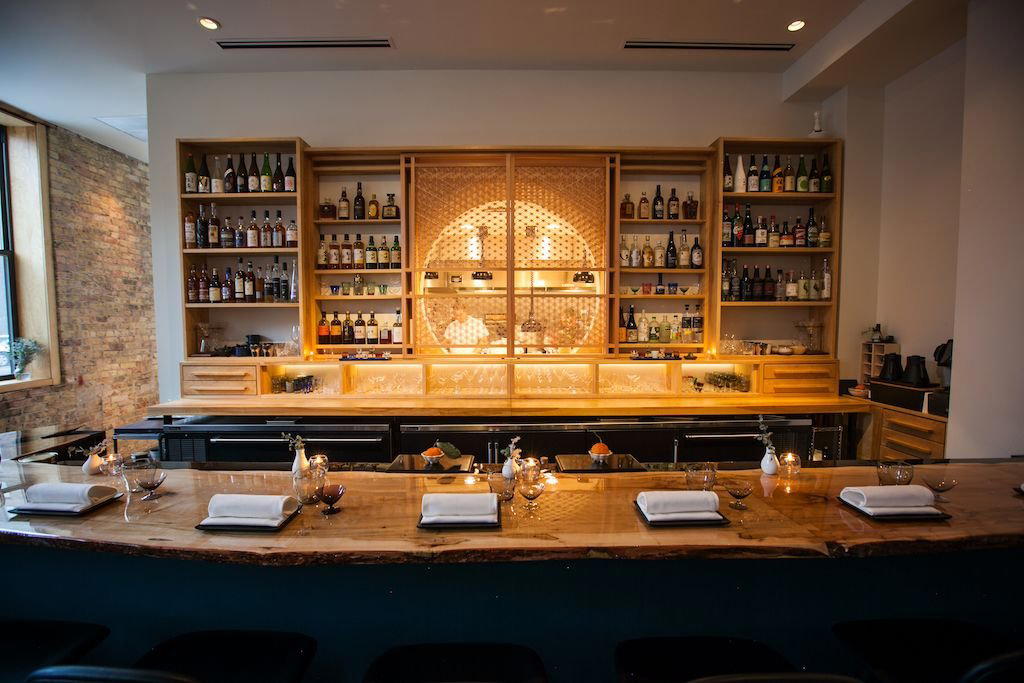
Casual Chinatown eatery with a welcoming atmosphere focused on authentic spicy Szechuan flavors.