Elephant & Castle
Elephant & Castle occupies a address on North Wabash in the Loop, placing it inside one of Chicago's most concentrated corridors of dining ambition. The venue sits at a crossroads between the city's British-pub heritage and its evolving downtown food culture, drawing visitors and locals who want a grounded, familiar format in a neighborhood defined by architectural scale and foot traffic.
Pearl is the En Primeur Club membership app — saves, bookings, and concierge access live there. Same editors, same standards.
- Address
- 185 N Wabash Ave, Chicago, IL 60601
- Phone
- +13123451710
- Website
- elephantcastle.com
- Directions
- Get directions
 Saves & bookings on Pearl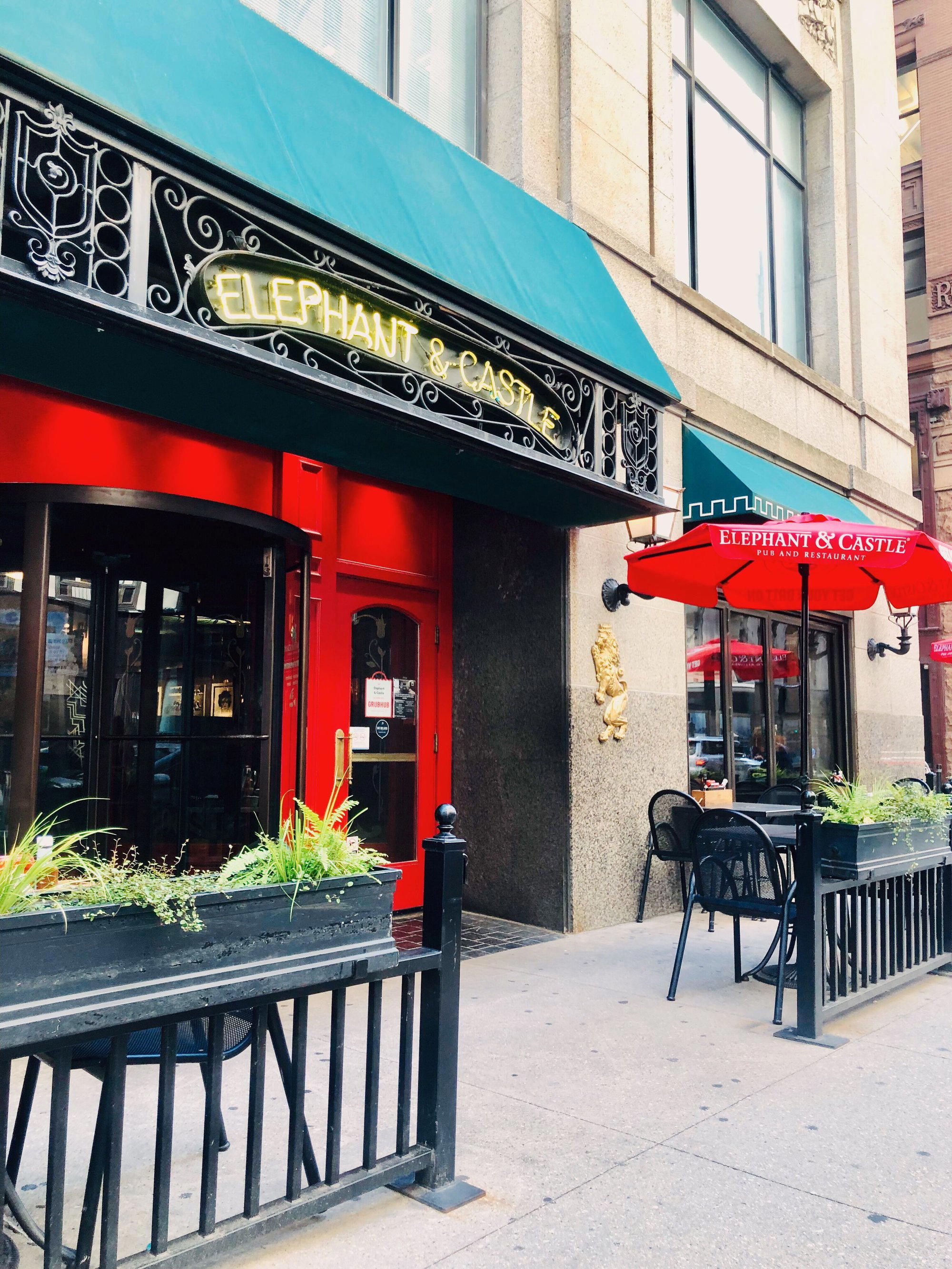
The Loop's Pub Tradition and Where Elephant & Castle Fits
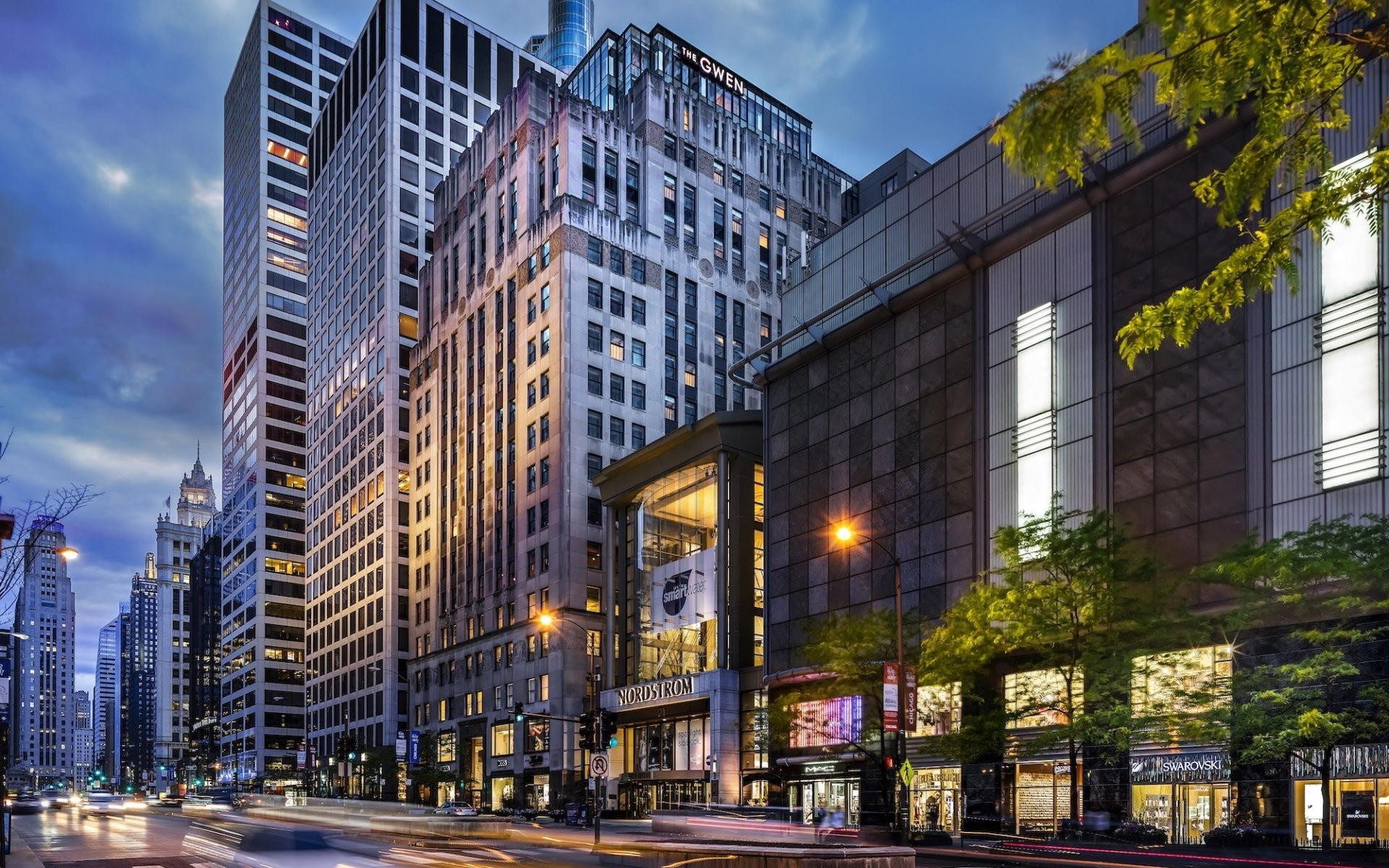
Chicago's Loop has never been a neighborhood that rewards patience. The district moves on transit schedules, lunch windows, and theater curtain times, and the bars and restaurants that survive here do so by reading that rhythm correctly. The British pub format, long embedded in American downtowns as a reliable anchor between fast-casual and full-service dining, has found a particular foothold in the Loop, where office workers, tourists staying near Millennium Park, and pre-show diners all converge within a few blocks of one another. Elephant & Castle, at 185 N Wabash Ave, sits inside that pattern, a building address that places it within walking distance of the Chicago Riverwalk, the Art Institute, and the dense hotel corridor along Michigan Avenue.
It is not the chef-driven tasting counter that defines Chicago's reputation at places like Alinea or Smyth, and it is not a neighborhood dive. It is a format built on consistency, on the reliability of a pint and a recognizable menu, on the premise that comfort and accessibility are legitimate editorial categories. That proposition, across a city that has also produced Oriole, Kasama, and Next Restaurant, is worth examining on its own terms.
British Pub Culture Transplanted: What Actually Travels
The British pub as an institution carries a specific cultural weight that its American incarnations translate with varying degrees of fidelity. In the United Kingdom, the pub is a civic structure as much as a commercial one, the place where geography, community, and daily ritual intersect. The wood paneling, the bar-side seating, the absence of theatrical presentation: these are not aesthetic choices so much as social contracts. What the American chain pub inherits from that tradition is primarily the visual grammar and the menu scaffolding, while the civic dimension is necessarily replaced by the hospitality logic of a high-traffic urban address.
In Chicago specifically, the downtown pub operates as a bridge category. It absorbs the overflow from the city's harder-to-book rooms, provides a fallback for visitors who have not planned ahead, and anchors drinking culture in a neighborhood that skews toward expense accounts and tourism budgets. That role is structural, not incidental, and it is what distinguishes the Loop's pub tier from, say, the neighborhood taprooms of Logan Square or the craft-focused bars of the West Loop. The comparison is useful: where the West Loop's bar program has moved toward precision cocktails and curated wine lists, the Loop pub format holds to a more traditional beer-and-food alignment, closer in spirit to what you would find at a pre-theater bar near London's Strand than at a contemporary cocktail room.
Seasonal Timing and the Loop's Shifting Foot Traffic
The Loop sees the sharpest version of that curve: summer weekday lunches and weekend evenings fill quickly, while the shoulder months of March and November bring a quieter downtown that rewards visitors who prefer less competition for space. For a venue at 185 N Wabash, the proximity to Millennium Park means that warm-weather weekend evenings draw a different crowd than the Monday lunch trade, and both are meaningfully different from the pre-Lyric Opera or pre-Broadway-in-Chicago audience that files through on winter weeknights.
That seasonal variability is not distinctive to Elephant & Castle, it is a structural feature of the Loop hospitality zone, but it has practical implications for when the format performs leading. The British pub proposition, with its emphasis on uncomplicated food and a reliable tap list, is at its most useful during the transitional months, when the city's premium rooms are running at full capacity and walk-in options become a meaningful variable in dining decisions.
Positioning in Chicago's Dining Spectrum
Chicago's fine dining tier is among the more internationally referenced in North America. The city's Michelin-recognized rooms, its James Beard Award count, and its sustained representation on lists like the World's 50 Best Restaurants have established a competitive upper bracket that includes a handful of rooms with multi-month waitlists. That context matters when placing a venue like Elephant & Castle, because it illustrates how much range the city's dining culture actually contains. The distance between the tasting counter at a two-Michelin-star room and a British pub on Wabash is not a flaw in the city's character, it is evidence of a functioning ecosystem.
For comparison, the premium end of Chicago's dining scene benchmarks against places like Le Bernardin in New York City, The French Laundry in Napa, and Blue Hill at Stone Barns in Tarrytown. Domestically, the city competes with the chef-driven formats emerging in cities like San Francisco, where Lazy Bear has redefined communal dining, or Los Angeles, where Providence anchors the seafood-focused fine dining tier. Against that backdrop, the pub format operates in an entirely separate register, one measured by throughput, approachability, and proximity rather than by critical recognition or tasting menu ambition.
Other cities with strong pub-to-fine-dining spans include New Orleans, where Emeril's occupies the destination end, and Boulder, where Frasca Food & Wine represents the regionally-rooted fine dining model. The pub category in those markets, as in Chicago, functions as the accessible counterweight to the destination tier. See our full Chicago restaurants guide for a complete picture of how these categories map across the city's neighborhoods.
How Elephant & Castle Compares to Chicago's Other Downtown Options
| Venue | Format | Price Tier | Booking Lead Time |
|---|---|---|---|
| Elephant & Castle | British Pub | N/A (data unavailable) | Walk-in friendly |
| Smyth | Progressive American, Contemporary | $$$$ | Weeks to months |
| Alinea | Progressive American, Creative | $$$$ | Months in advance |
| Next Restaurant | American Cuisine | $$$$ | Ticket-based, plan ahead |
| Kasama | Filipino | $$$$ | Advance booking advised |
Planning Your Visit
The venue's address at 185 N Wabash places it on the eastern edge of the Loop, accessible from multiple CTA lines along Wabash and State Street, and within a short walk of the Millennium Park pedestrian routes. For visitors building an itinerary around Chicago's Loop cultural institutions, the location is logistically convenient as an early evening stop before or after the Art Institute, the Chicago Theatre, or the Lyric Opera. For the wider Chicago dining picture, including the city's most critically recognized rooms and neighborhood-by-neighborhood breakdowns, the EP Club Chicago guide provides context across all price tiers and formats.
Those planning a broader American dining itinerary alongside a Chicago visit may also want to cross-reference Addison in San Diego, Single Thread Farm in Healdsburg, Atomix in New York City, The Inn at Little Washington, and Atelier Moessmer Norbert Niederkofler in Brunico for international comparison points at the premium end of the dining spectrum.
Peers Worth Knowing
Comparable venues nearby, for context on price, style, and recognition.
| Venue | Cuisine | Price | Notes |
|---|---|---|---|
| Elephant & CastleThis venue — the venue you are viewing | British Pub | $$ | Not listed |
| Andy's Jazz Club | American Jazz Club Fare | $$ | River North |
| Kafe Mera | Vintage Cafe | $$ | Chicago |
| Pizzeria Due | Chicago Deep Dish Pizza | $$ | River North |
| Tanta | Traditional Peruvian Cevicheria | $$ | River North |
| The Silver Palm | American Railroad-Themed Dining | $$ | River West |
At a Glance
- Lively
- Classic
- Energetic
- Casual Hangout
- After Work
- Brunch
- Late Night
- Historic Building
- Beer Program
Current opening hours
- Monday
- 11 AM–1 AM
- Tuesday
- 11 AM–1 AM
- Wednesday
- 11 AM–1 AM
- Thursday
- 11 AM–1 AM
- Friday
- 11 AM–2 AM
- Saturday
- 9 AM–2 AM
- Sunday
- 9 AM–1 AM
Hours can change for holidays and private events. Last verified .
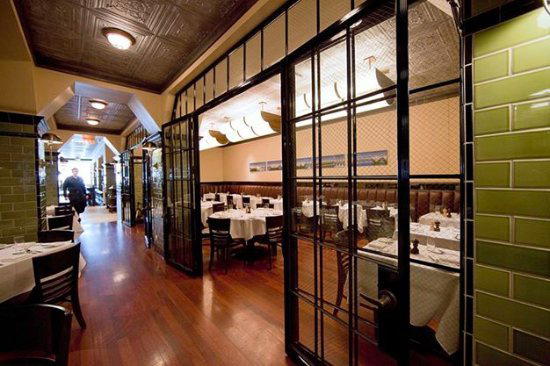
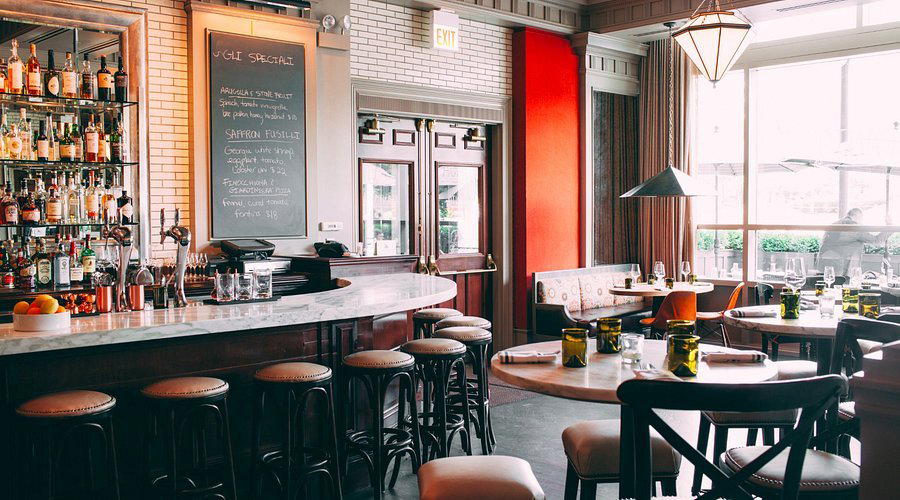
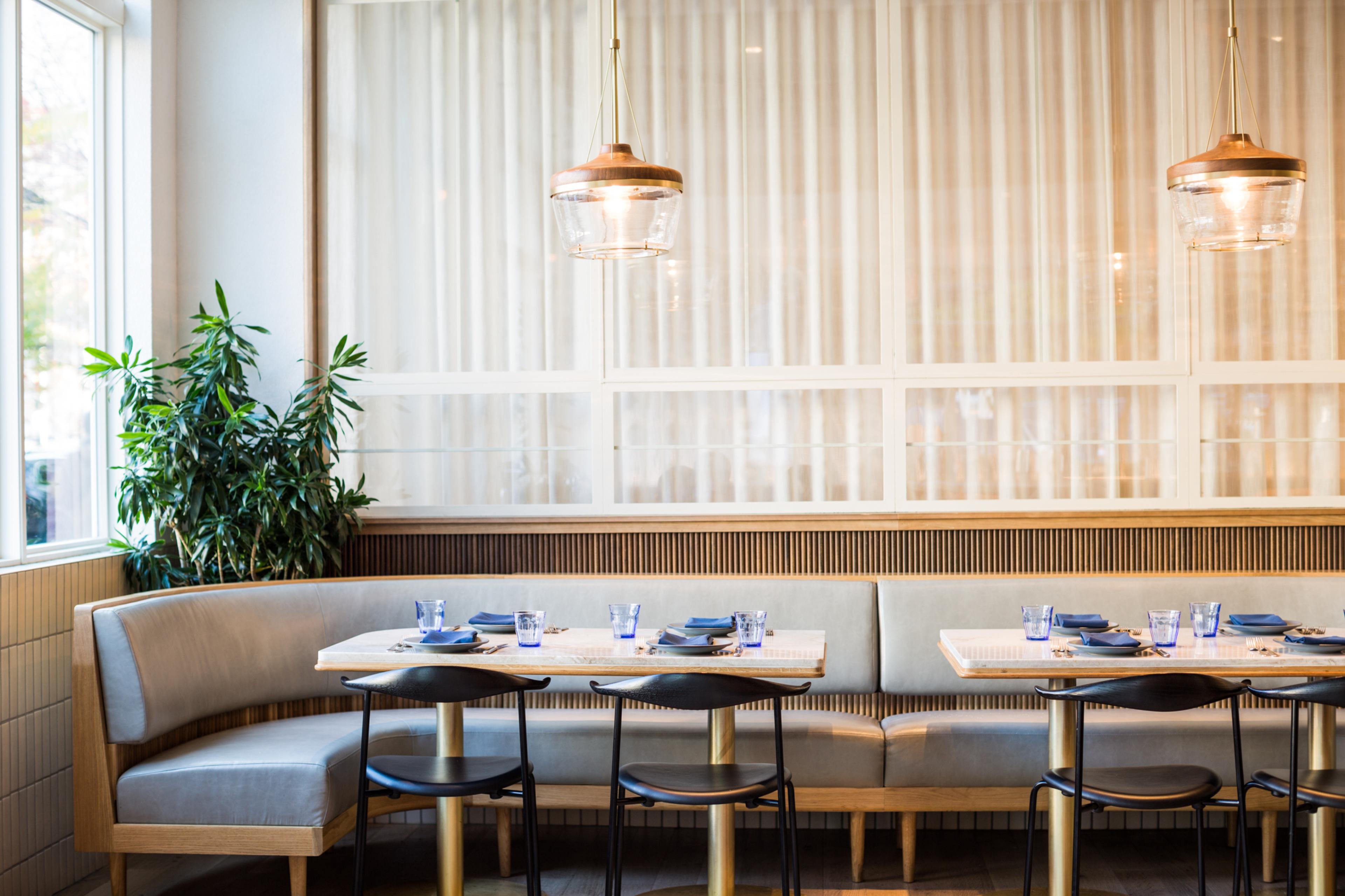
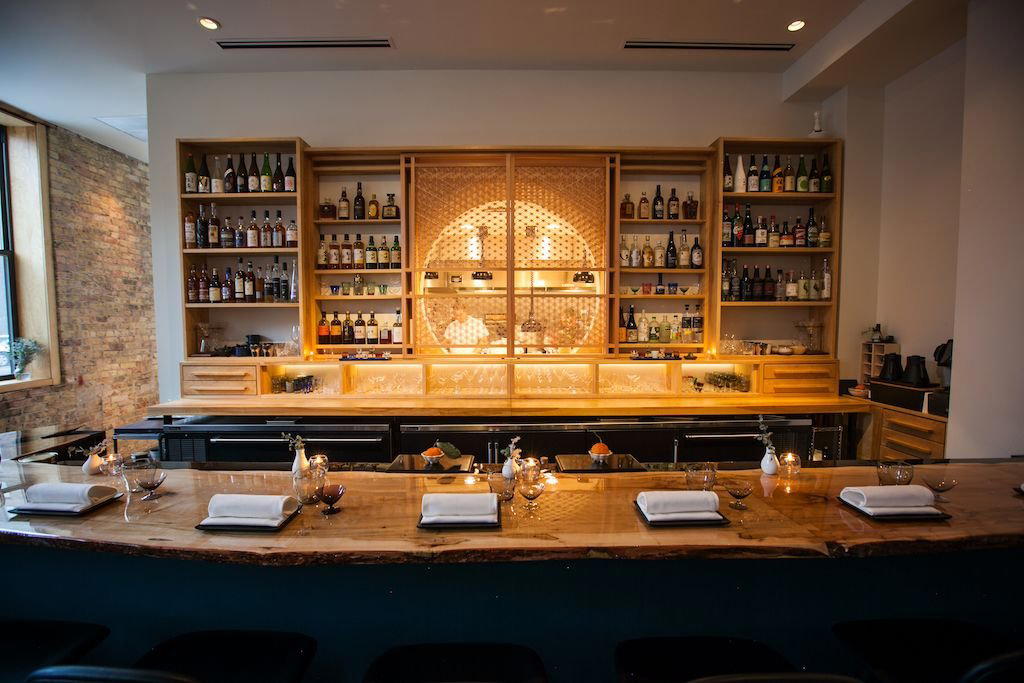
Upbeat pub atmosphere with warm hospitality, lively vibe, and renovated classic English pub charm.