Our verdict
Indian cooking has a long and serious tradition in Germany's mid-Rhine region, and Swagat in Bendorf sits within that story. Located on Koblenz-Olper-Straße, the restaurant draws from the subcontinental kitchen's deep spice grammar to serve a community that increasingly expects more from its neighbourhood Indian than a standard takeaway format. For visitors passing through the Koblenz corridor, it represents a practical and considered stop.

Pearl is the En Primeur Club membership app — saves, bookings, and concierge access live there. Same editors, same standards.
- Address
- Koblenz-Olper-Straße 67, 56170 Bendorf, Germany
- Phone
- +4926229751258
- Hours
- Mon ClosedTue–Sat 5–10 PMSun 12–2 PM, 5–9 PM
- Website
- swagat-bendorf.de
- Directions
- Get directions
- Booking
- Book on the venue's website
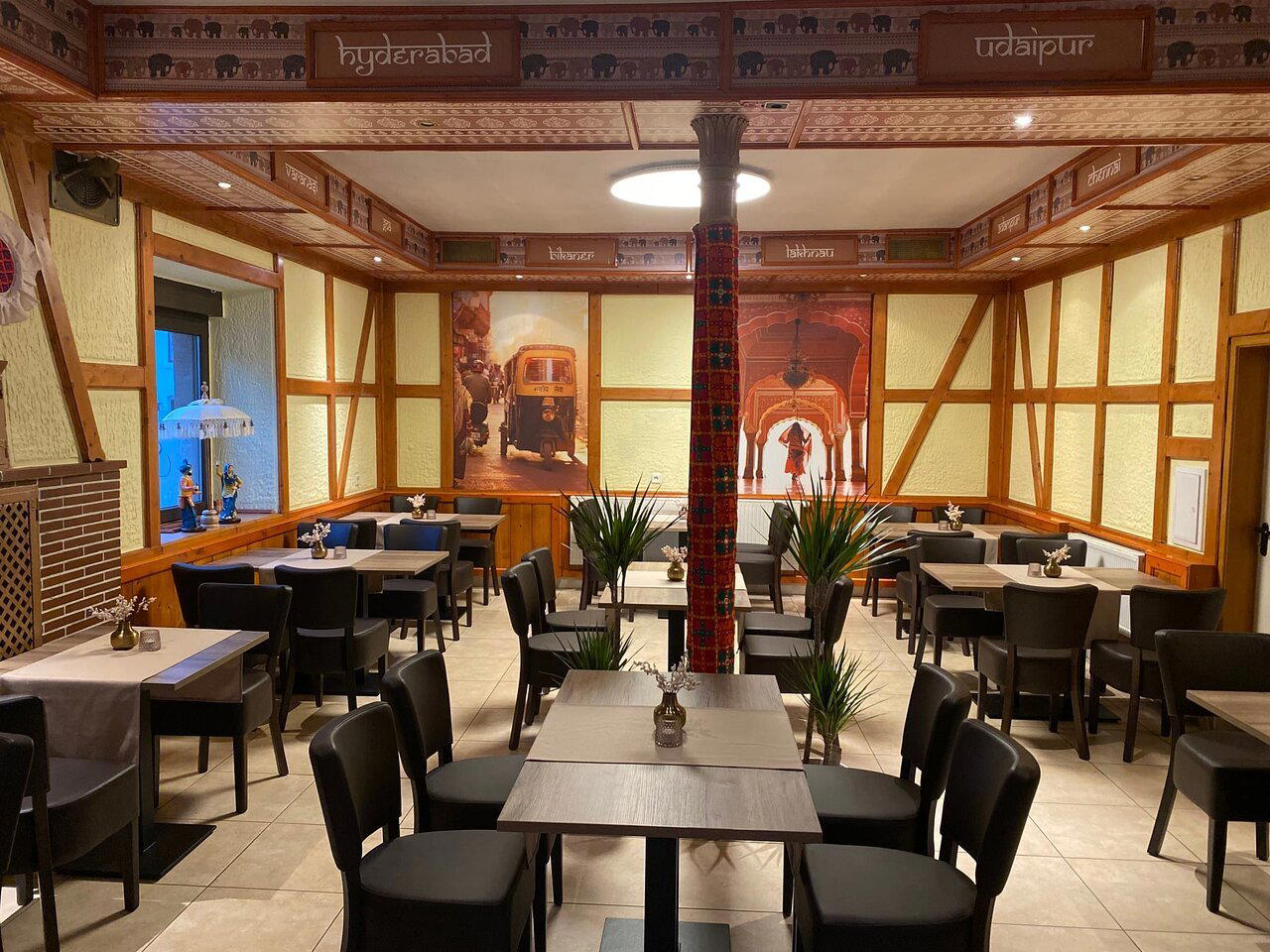
Indian Cooking in a German Small Town: What the Setting Tells You
Small-city Indian restaurants in Germany occupy a particular position in the country's dining picture. They are rarely written about in the same breath as the Michelin-weighted houses further along the Rhine corridor, places like Waldhotel Sonnora in Dreis or Vendôme in Bergisch Gladbach, yet they serve a consistent and genuinely important function: they hold the line for subcontinental cooking in towns where no other restaurant does. Bendorf, a small municipality on the eastern bank of the Rhine just north of Koblenz, is exactly this kind of town. The broader Koblenz area has a functional dining scene anchored by German and Italian standards, but sustained Indian cooking at the neighbourhood level depends almost entirely on independents like Swagat.
Swagat Indian Restaurant on Koblenz-Olper-Straße 67 operates in that role. The address places it on a road connecting Bendorf to the Koblenz orbit, meaning it serves both local residents and travellers moving through the mid-Rhine zone. The physical approach is direct: a street-level presence in a town that does not perform its dining identity through grand architecture or destination-restaurant theatre. What matters here is what arrives at the table and whether the kitchen can sustain the spice logic that makes Indian food worth seeking out in the first place.
The Ingredient Question: Where Indian Cooking Earns Its Authority
The editorial angle worth pressing on any Indian restaurant operating outside major urban centres is ingredients. Indian cooking's authority rests on a spice grammar that is both precise and regional: the difference between a Tamil Nadu-inflected curry and a Punjabi one is not cosmetic. It is a question of which spices, in what sequence, at what heat stage, and with what fat base. In Germany's smaller towns, the sourcing challenge is real. Hing (asafoetida), curry leaf, raw mango powder, black cardamom, dried Kashmiri chillies — these are not items that appear reliably on German wholesale lists. Restaurants that take sourcing seriously either maintain relationships with specialist importers in Frankfurt, Cologne, or Düsseldorf, or they simplify their menus to avoid the problem altogether.
This sourcing dynamic is why the Indian restaurant category in mid-sized German towns tends to stratify fairly quickly. Those that invest in proper spice provenance produce food that reads as coherent and regionally grounded. Those that work from generic spice blends produce something closer to a pan-Indian approximation. The distinction is audible to anyone who has eaten seriously across the subcontinent's regional traditions, and it is the primary benchmark against which a place like Swagat should be assessed. German diners in Bendorf and the surrounding area have, over time, become more familiar with Indian food through travel and urban dining experience, which raises the baseline expectation even in a small-town setting.
For broader context on what ambitious Indian-adjacent cooking can achieve when sourcing and technique align at the highest level, the Korean precision of Atomix in New York City or the seafood discipline at Le Bernardin in New York City offer useful reference points on how ingredient provenance becomes the narrative of a dining experience rather than a background detail. The German fine dining tier makes the same argument differently: Aqua in Wolfsburg and JAN in Munich treat sourcing as a structural commitment, not a marketing footnote.
Where Swagat Sits in the Regional Picture
Bendorf's dining scene is not a destination category. The town functions as a residential and light-industrial node in the greater Koblenz area, and its restaurants serve local needs rather than drawing visitors specifically for the table. Against that backdrop, a sit-down Indian restaurant that maintains a consistent kitchen represents a genuine contribution to the area's food range. The mid-Rhine region's fine dining gravity sits elsewhere: Schanz in Piesport, Bagatelle in Trier, and Schwarzwaldstube in Baiersbronn occupy the serious destination tier further along the region's arc. Swagat is not competing with those rooms, nor should it be measured against them.
These urban comparators have the advantage of denser South Asian communities and easier access to specialist suppliers. Small-town operators like Swagat work harder for the same result and, when they get it right, tend to earn a loyalty from their local base that urban restaurants rarely achieve at the same intensity. For more on the region's dining options across styles and price points, our full Bendorf restaurants guide maps the broader picture.
Germany's more experimental dining formats — CODA Dessert Dining in Berlin, ATAMA by Martin Stopp in Sankt Ingbert, ES:SENZ in Grassau, AUGUST in Augsburg, and AURA by Alexander Herrmann and Tobias Bätz in Wirsberg, operate from a fundamentally different premise: tasting-menu formats built around chef signature and culinary ambition. Victor's Fine Dining by Christian Bau in Perl, Restaurant Haerlin in Hamburg, and ammolite in Rust similarly occupy a formal tier. Swagat's value proposition is entirely different: it is about consistent regional cooking at a neighbourhood price point in a town that has few alternatives in the Indian category.
Planning a Visit
Bendorf sits roughly five kilometres north of Koblenz city centre and is accessible by regional train and road. Visitors staying in Koblenz and looking for Indian cooking will find Swagat a short and practical detour from the main Koblenz dining strip. Specific opening hours, pricing, and booking arrangements are not published in a verified format at the time of writing, so contacting the restaurant directly via its physical address at Koblenz-Olper-Straße 67 is the sensible approach before visiting. Given that the restaurant serves a local residential base rather than a high-volume tourist flow, arriving without a reservation during peak evening service carries some risk during weekends, particularly when Koblenz is busy with Rhine festival traffic in summer.
Frequently asked questions
Is Swagat Indian Restaurant a family-friendly restaurant?
Indian restaurants in Germany's smaller residential towns typically draw a broad local clientele, including families, precisely because the format suits group dining. Swagat sits on Koblenz-Olper-Straße in Bendorf, a town that functions primarily as a residential area, which points toward a neighbourhood-restaurant dynamic rather than a destination-dining one.
What kind of setting is Swagat Indian Restaurant?
Swagat operates in Bendorf, a light-industrial and residential node roughly five kilometres north of Koblenz city centre. That context generally produces mid-scale, locally embedded dining rooms rather than high-concept spaces.
Is Swagat Indian Restaurant in Bendorf one of the few Indian dining options in the greater Koblenz area?
Indian restaurants in smaller German cities like Bendorf are thin on the ground compared to Frankfurt, Berlin, or Düsseldorf, making Swagat one of the more geographically accessible options for Indian food in the greater Koblenz region. Bendorf's position as a residential town rather than a dining destination means Swagat is likely serving a local community with limited subcontinental alternatives nearby. Visitors travelling from Koblenz by regional train or road have a straightforward route to the restaurant at Koblenz-Olper-Straße 67.
What's the must-try dish at Swagat Indian Restaurant?
For Indian restaurants operating in Germany outside major urban centres, the editorial question worth asking is always about spice calibration and ingredient sourcing, as these vary considerably from kitchen to kitchen. Checking directly with Swagat about their specialities before visiting will give a more reliable steer than any generalisation.
Where exactly is Swagat Indian Restaurant?
Swagat Indian Restaurant is located at Koblenz-Olper-Straße 67, 56170 Bendorf, Germany, Bendorf.
Should I book Swagat Indian Restaurant in advance?
In small German towns like Bendorf, locally embedded restaurants sometimes keep limited evening sittings, which can fill quickly among regular neighbourhood diners. Contacting the restaurant directly at Koblenz-Olper-Straße 67 before making the trip from Koblenz is the practical step.
Side-by-Side Snapshot
Comparable venues nearby, for context on price, style, and recognition.
| Venue | Cuisine | Price | Notes |
|---|---|---|---|
| Swagat Indian RestaurantThis venue — the venue you are viewing | Traditional Indian Cuisine | $20–30 | Not listed |
| Mayur Düsseldorf | North Indian Tandoori | $30–50 | Carlstadt |
| KURKUMA 400° | Authentic Indian Tandoori & Curry | $20–30 | Schloßstrasse |
| The Ivory Club | Modern Indian Fusion | $50–100 | Goethehaus |
| Govardhan | Authentic Vegan Indian Ayurvedic | Not listed | Neustadt/Süd |
| Gourmetrestaurant Lerbach (formerly Dieter Muller) | Dining | Not listed | Bergisch Gladbach |
Continue exploring
More in Bendorf
Restaurants in Bendorf
Browse all →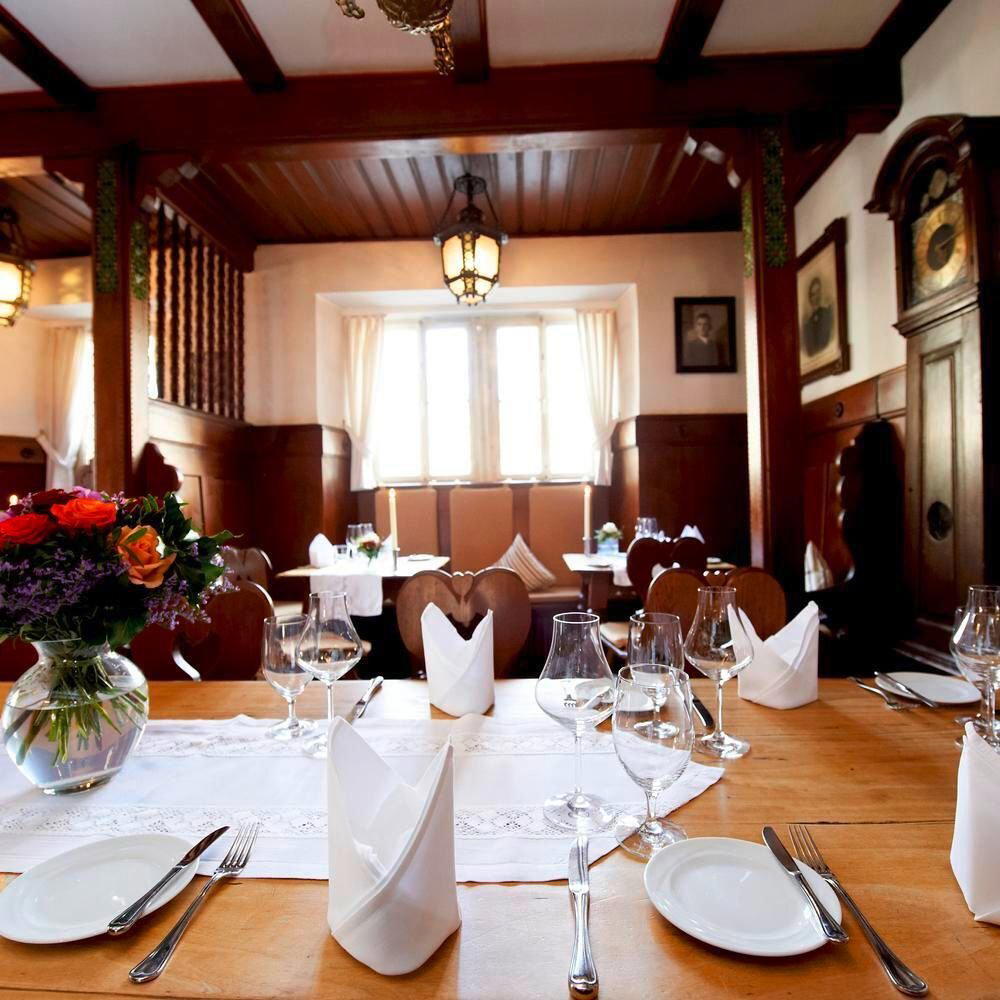
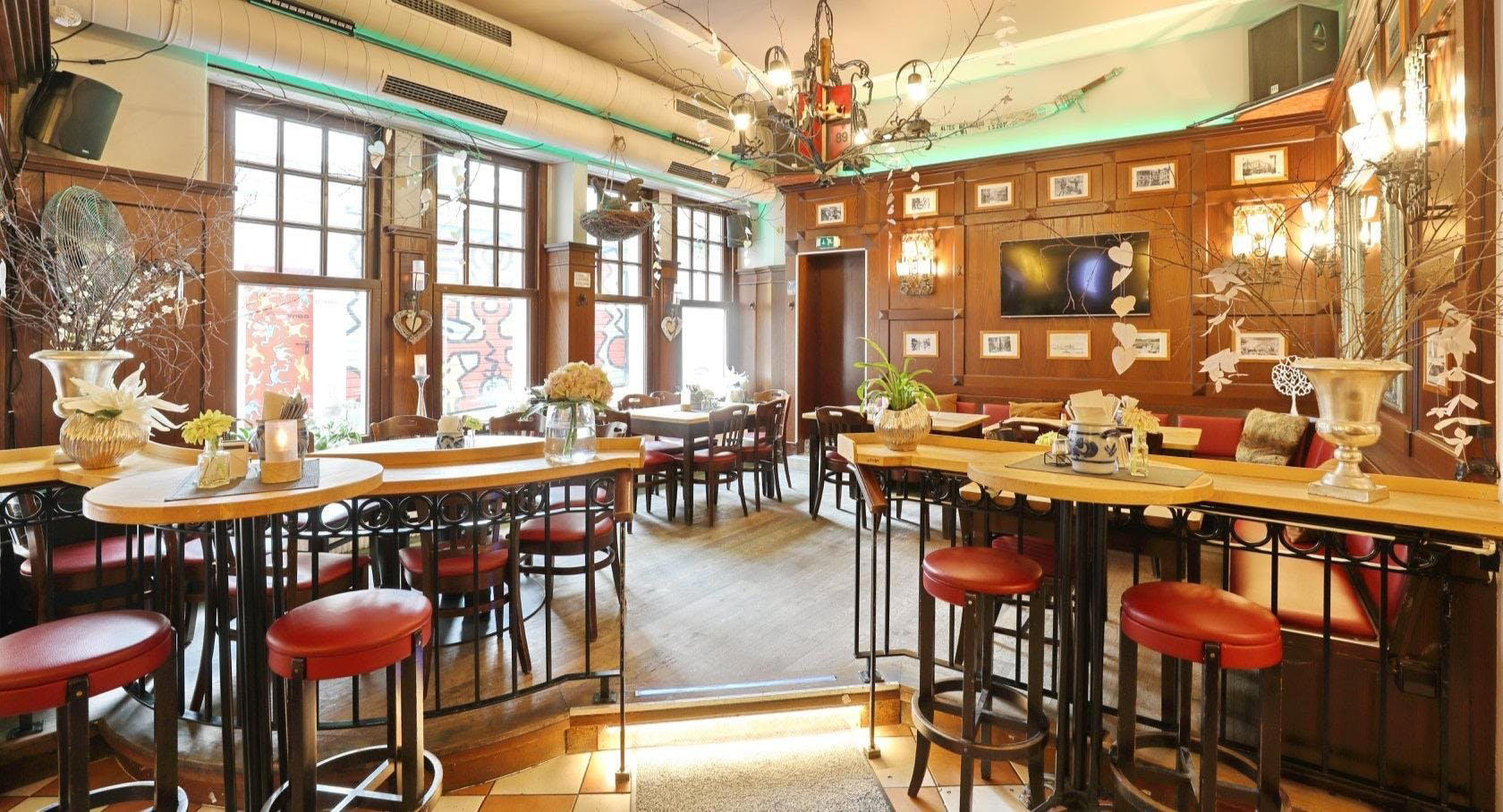
Bars in Bendorf
Browse all →

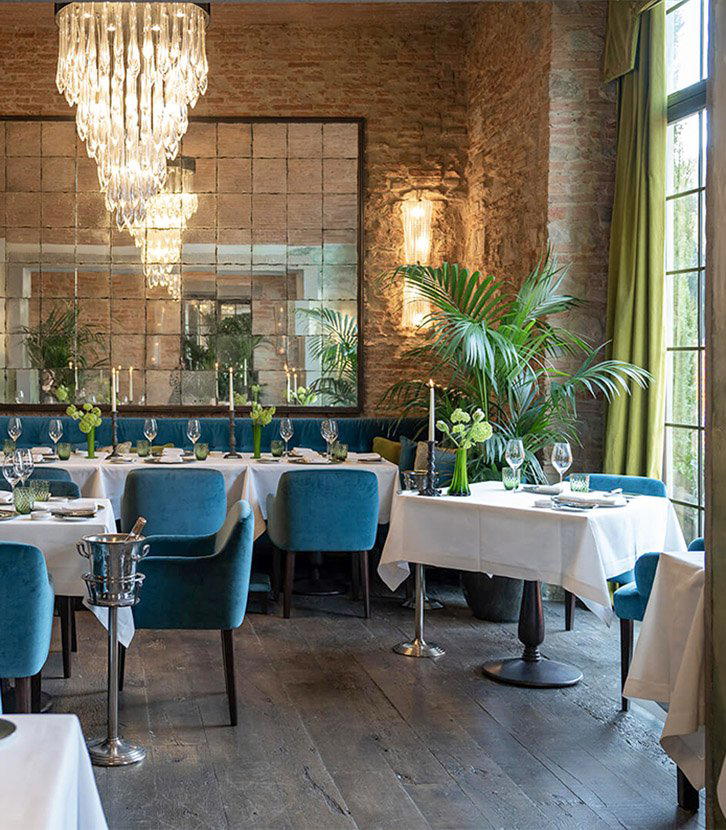
Hotels in Bendorf
Browse all →

Details
- Cozy
- Family
- Group Dining
- Casual Hangout
- A La Carte
- Vegetarian Friendly
Current opening hours
- Monday
- Closed
- Tuesday
- 5–10 PM
- Wednesday
- 5–10 PM
- Thursday
- 5–10 PM
- Friday
- 5–10 PM
- Saturday
- 5–10 PM
- Sunday
- 12–2 PM, 5–9 PM
Hours can change for holidays and private events. Last verified .
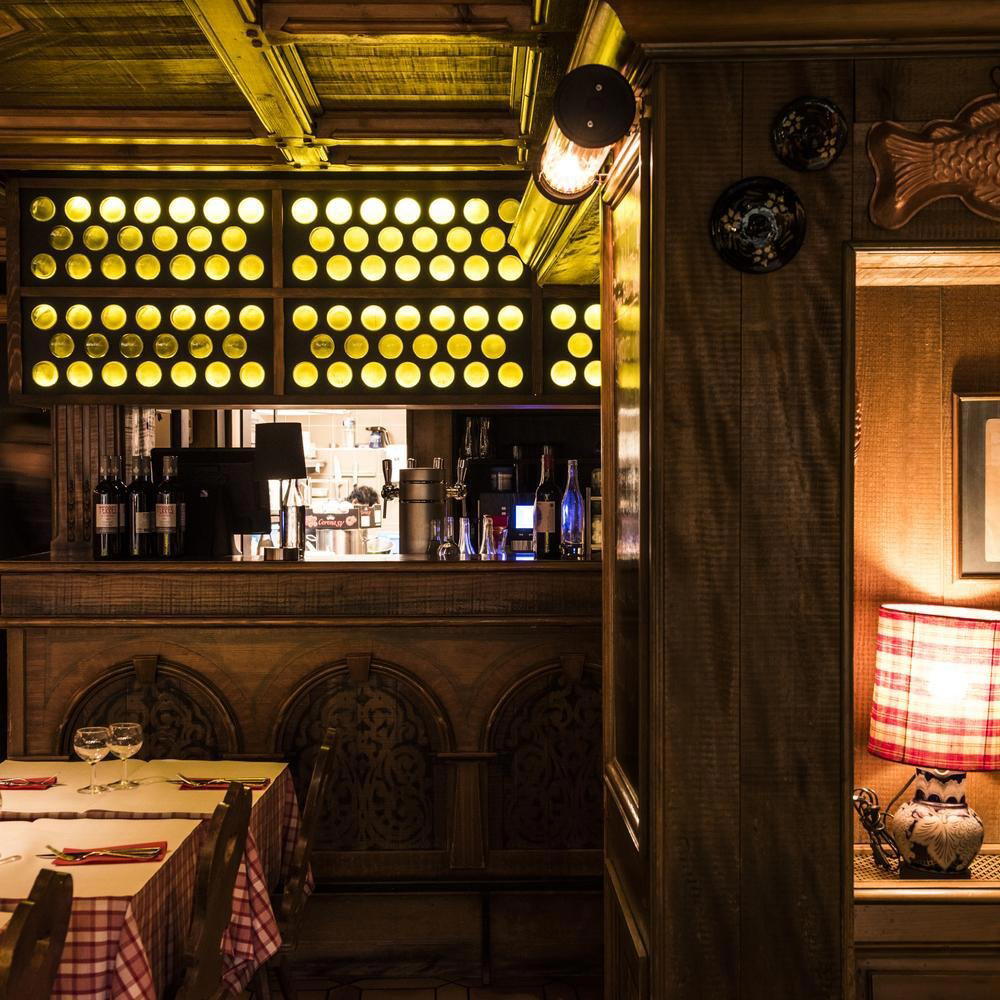
Cozy atmosphere with Indian ambience, rated 4.0 for atmosphere by guests.