Spice, Heat, and What the Name Signals
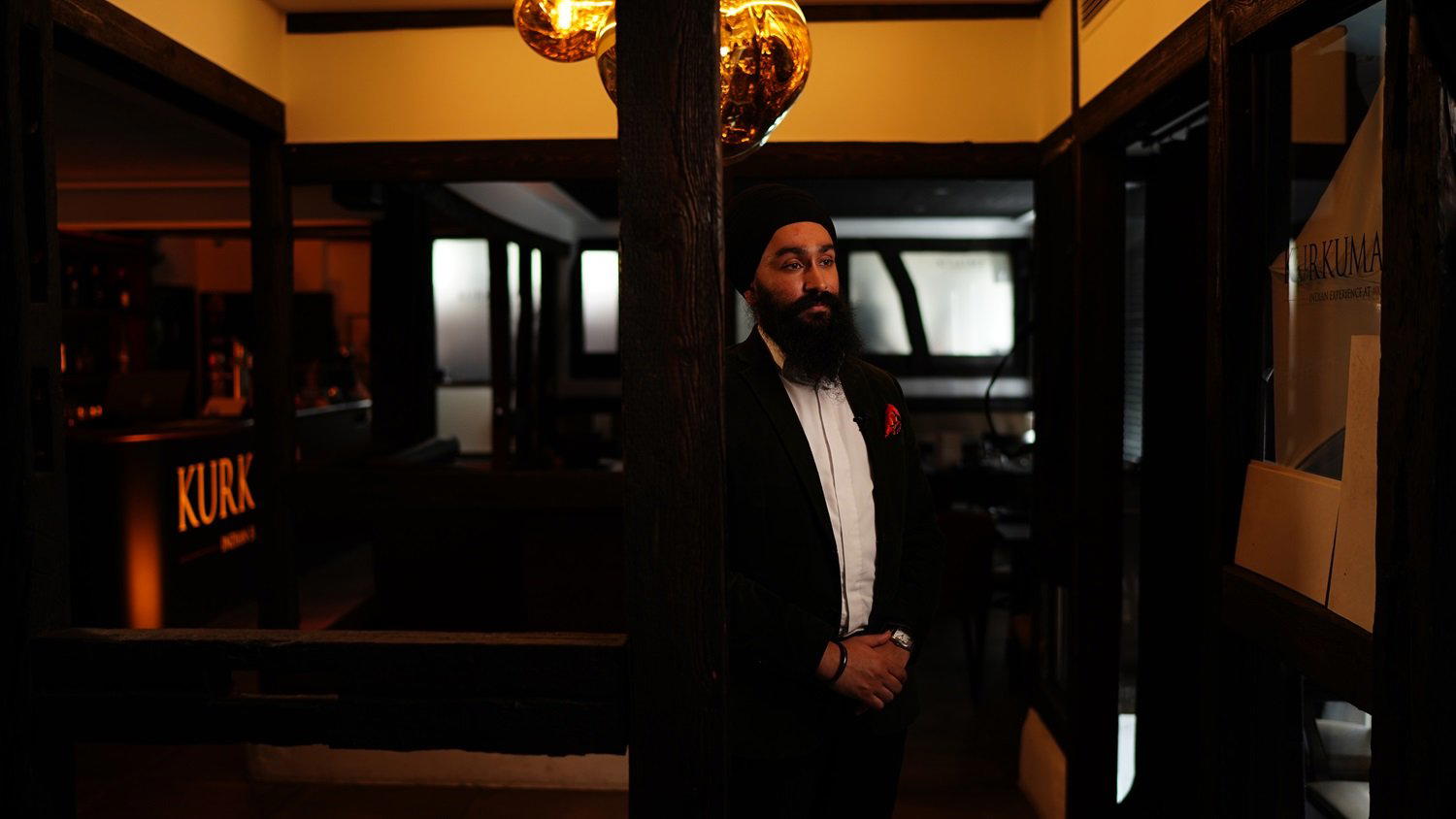
KURKUMA 400° is a restaurant in Paderborn at Schloßstraße 33, with a price tier around $25 per person. KURKUMA 400° at number 33 is part of that broader pattern. The name alone does editorial work: kurkuma is the German word for turmeric, a rhizome central to South Asian, Middle Eastern, and North African cooking traditions, and 400° references the kind of heat associated with tandoor or high-temperature oven cooking. Together they suggest a kitchen oriented around spice discipline and direct-fire technique rather than the cream-and-butter logic that still dominates much of provincial German dining.
Turmeric as a Cultural Marker
Turmeric's role in cooking extends well beyond color. In Ayurvedic tradition it carries medicinal weight; in South Asian home kitchens it is a daily baseline, not a finishing flourish; in North African spice blends it appears alongside cumin, coriander, and paprika in combinations that define the flavor architecture of entire regional cuisines. A restaurant that puts the ingredient at the front of its identity is making a statement about spice-led cooking and heat management. This is a different project from what you find at Balthasar (Modern French) on the Paderborn fine-dining register, where the framework is French and the ambition is precision within that tradition. It is also distinct from the protein-forward format at ARGENTINA Steakhouse GmbH or the bar-anchored experience at Last Drop. KURKUMA 400° positions itself in a different register entirely, one where the cuisine's cultural roots do most of the distinguishing work.
The 400° Principle: Direct Heat and What It Does to Spice
High-temperature cooking changes how spices behave. At those temperatures, volatile aromatic compounds bloom and then stabilize differently than they would in a braise or a slow sauce. Turmeric's curcumin, cumin's cuminaldehyde, and the terpenes in coriander all respond to rapid high heat in ways that lower-temperature European roasting does not typically exploit. A kitchen organized around that thermal logic is making a technical argument, not just a stylistic one. For context, several of Germany's most decorated kitchens operate within classical European frameworks. Even more conceptually ambitious addresses like CODA Dessert Dining in Berlin or JAN in Munich work from a European-modernist foundation. A spice-led, high-heat concept in a provincial city like Paderborn is genuinely outside that main current.
Paderborn's Dining Scene in Broader Relief
Paderborn's restaurant ecology is representative of many German cathedral cities: a strong traditional German and Italian middle, a growing international tier, and a handful of addresses attempting something more specific. Restaurant Nikopolis covers the Greek end of the spectrum; the steakhouse and French-bistro formats handle carnivore and classic-European demand. What has been slower to develop is the spice-forward, non-European cuisine category, the segment where cities like Berlin, Frankfurt, and Hamburg have significant depth. The restaurant occupies that gap in Paderborn's offer, which gives it a role in the local scene that extends beyond its individual address. For comparison, internationally-rooted fine dining has found more natural homes in larger German cities, Restaurant Haerlin in Hamburg and Schanz in Piesport show what sustained investment in a defined culinary identity can produce over time. Bagatelle in Trier offers a regional counterpoint for how a smaller German city can anchor a specific culinary format. Further afield, ES:SENZ in Grassau demonstrates the range of what is happening outside Germany's major cities. Globally, spice-forward cooking operating at a high technical level, think of the Korean-American precision at Atomix in New York City or the seafood discipline at Le Bernardin in New York City, shows how non-European culinary traditions can anchor serious restaurant projects. The restaurant is operating at a different scale, but it is responding to the same underlying shift: diners increasingly want cuisine that has a defined cultural identity, not just a European-classical one.
Planning Your Visit
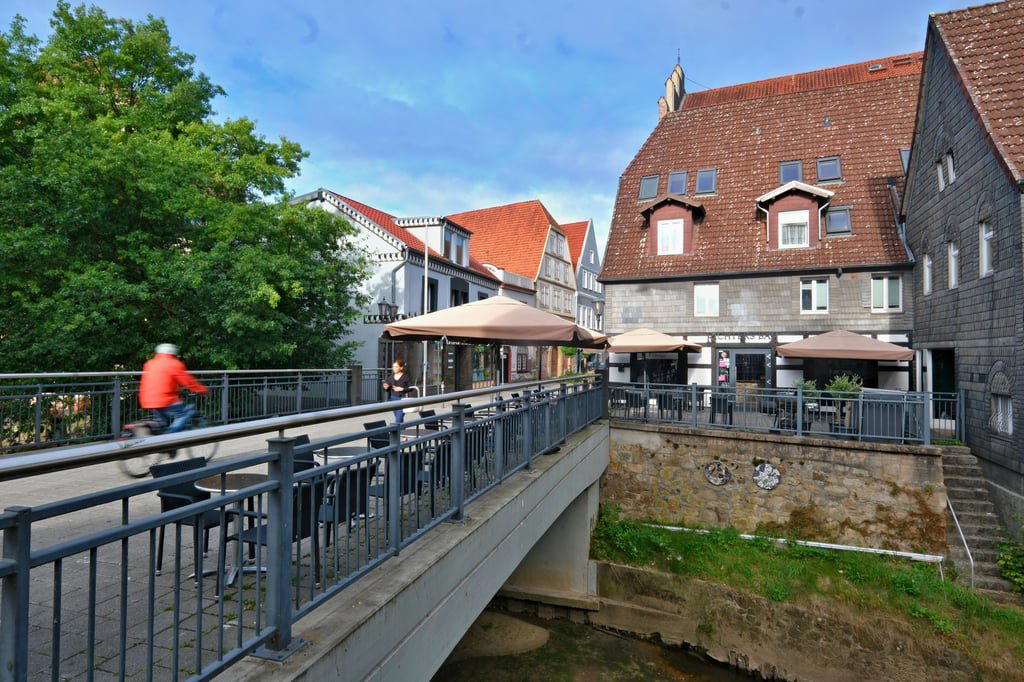
The restaurant is located at Schloßstraße 33 in central Paderborn, within walking distance of the cathedral and the city's main pedestrian zone. Paderborn Hauptbahnhof is the nearest rail connection, with direct services from Dortmund, Bielefeld, and Hannover. The restaurant is recommended for reservations and opens Monday through Friday from 5 to 10 PM, with Saturday and Sunday service from 12 to 2 PM and 5 to 10 PM. Given the specificity of the concept, a name built around a single spice and a cooking temperature, this is a restaurant where the culinary framework itself is worth engaging with before you arrive, so you can read the menu on its own terms rather than defaulting to a European-dining reference point.